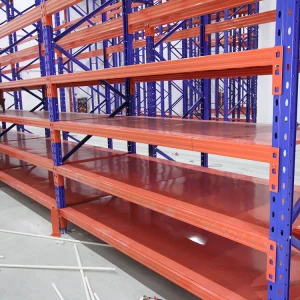
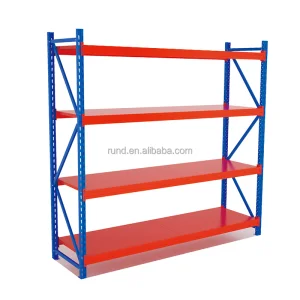
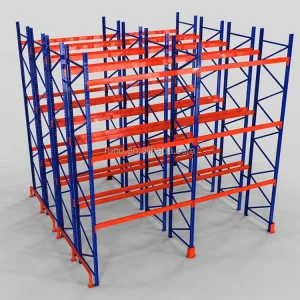
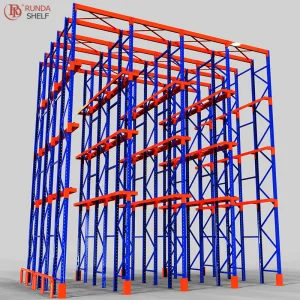
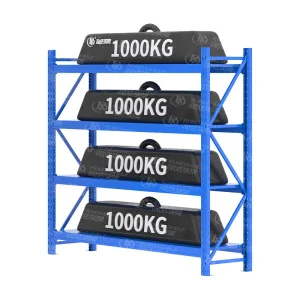
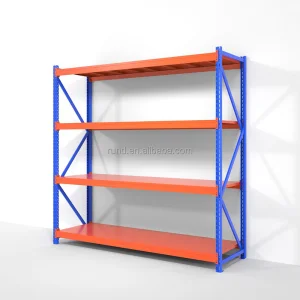
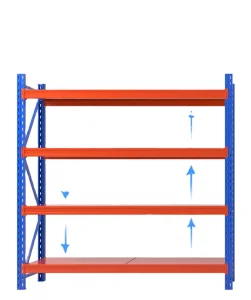
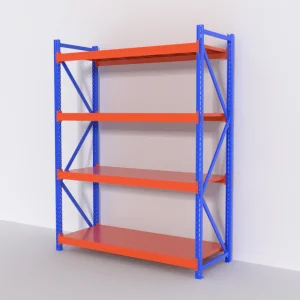
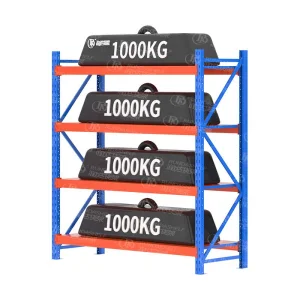
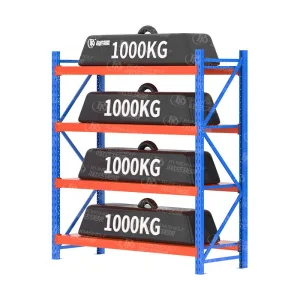
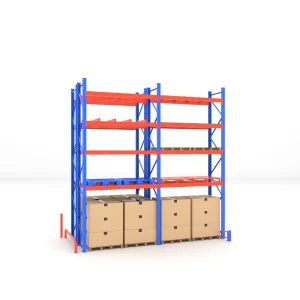
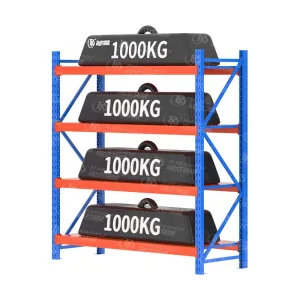
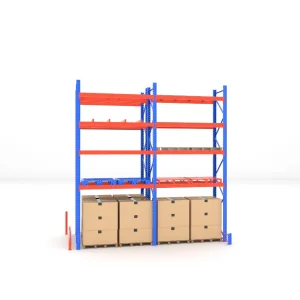
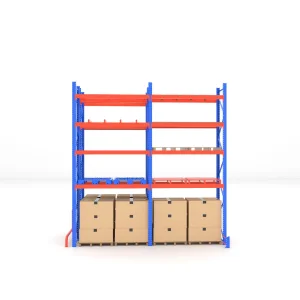
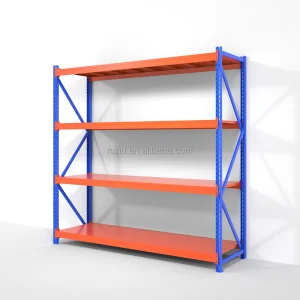
Engineered to handle extreme loads exceeding 500KG per layer. Secure, durable, and fully scalable configurations designed for global enterprise logistics.
Analyzing the macro forces reshaping storage architectures, supply chains, and safety requirements across modern distribution hubs.
In the current global economic landscape, the acceleration of multi-channel supply chains and the rapid scale-up of manufacturing throughput require modern logistics facilities to rethink vertical area efficiency. Static, under-engineered floor plans are giving way to high-density, dynamically configured vertical racks. Industrial operations handling heavy metals, equipment components, chemical drums, and bulk raw products demand load ratings that exceed 500KG, frequently scaling past 3000KG per shelf frame.
This structural demand occurs alongside rising industrial real estate costs globally. According to international logistics analysis, warehouse spatial footprints must now deliver triple the volumetric efficiency of systems built a decade ago. Heavy stacking racks and cantilever configurations act as the foundational support for this spatial density. By taking advantage of high-strength structural profiles, operations can confidently build high-density rack configurations that resist seismic forces, forklift impacts, and sustained structural wear.
Standardized, one-size-fits-all shelves cannot support heavy industrial components safely. Different vertical markets demand targeted engineering styles to ensure safety, durability, and code compliance:
Designed for tooling dies, motor assemblies, and heavy metal components. Requires high-gauge steel step beams and dynamic safety locks to prevent accidental dislodgement from forklifts during high-stress operations.
Constructed using low-temperature powder-coated structural steel or hot-dip galvanized finishes. These coatings resist sub-zero embrittlement and surface degradation in demanding, high-humidity storage spaces.
Configured using multi-tier mezzanine floors and adjustable pallet layouts. This structural approach allows operators to adapt quickly to changing SKU profiles and fluctuating load capacities.
An Industry Pioneer Driving Global Heavy-Duty Storage Engineering Excellence Since 2015
Established in 2015, Shenzhen Runda Racking Manufacturing Co., Ltd. is a premier manufacturer specializing in heavy-duty industrial shelving and high-density warehouse storage solutions. With over 11 years of deep industry expertise and 9 years of active global export experience, we deliver tailored racking systems to logistics hubs, distribution centers, and manufacturing plants worldwide.
Operating from a modern 35,000 square meter production facility, our operations are powered by a robust network of over 1,200 trusted supply chain partners. This enables us to achieve an annual export turnover of $28 million. Our primary markets span North America, Western Europe, Southeast Asia, and the Middle East, where we proudly serve industrial distributors, large-scale third-party logistics (3PL) operators, and direct enterprise buyers.
Quality and innovation drive our core philosophy. We maintain strict quality control through full-process sampling inspection, raw material stress testing, and load-bearing verification, backed by a dedicated team of 35 QC professionals. Innovation is led by our 18 experienced R&D engineers who continuously refine structural efficiency—releasing over 120 new and upgraded storage products last year alone.
We offer comprehensive OEM/ODM and full custom manufacturing services, including tailored load capacities, custom dimensions, corrosion-resistant powder coatings, and specialized seismic structural designs. Supported by our experienced international trade background, Shenzhen Runda provides seamless end-to-end service, from technical layout design to reliable global shipment execution.
Our 12-stage manufacturing sequence utilizes automated machinery to guarantee micro-millimeter precision and high structural integrity.
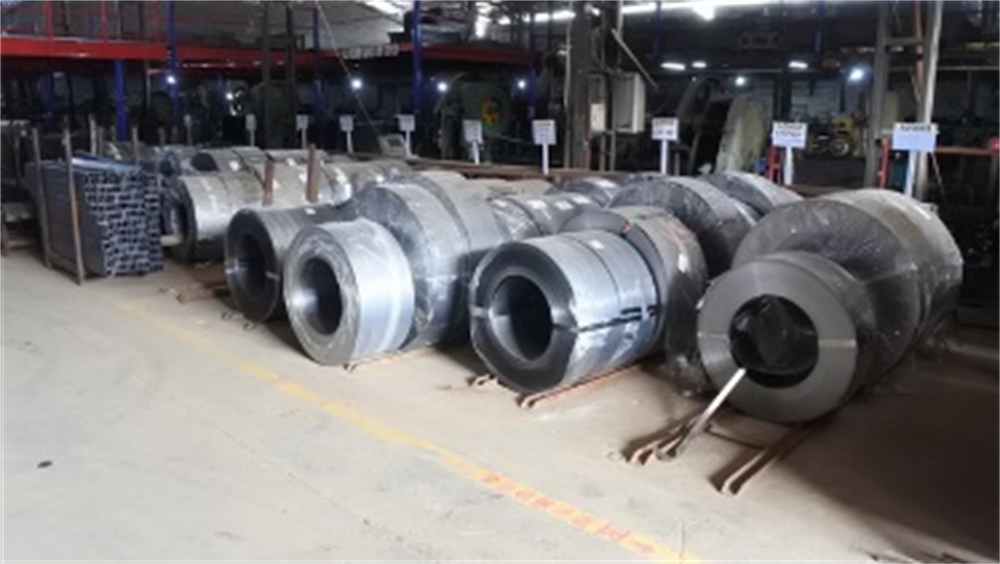
Raw Materials
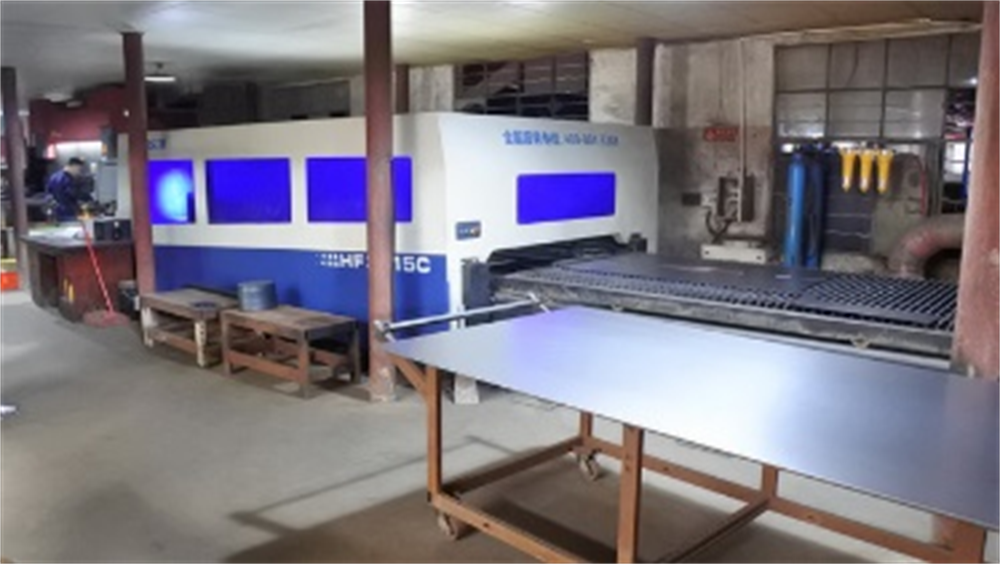
Laser Cutting
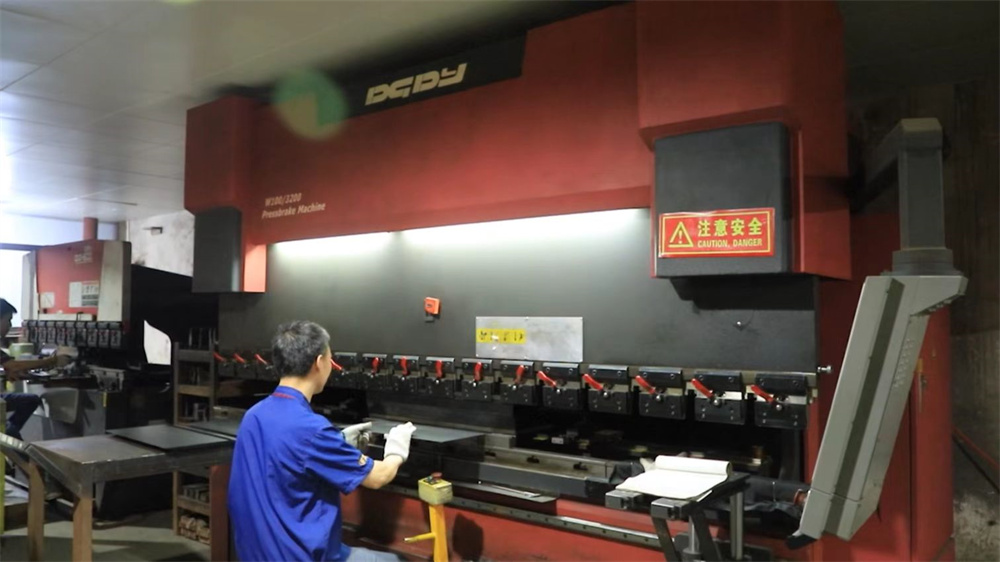
Bending
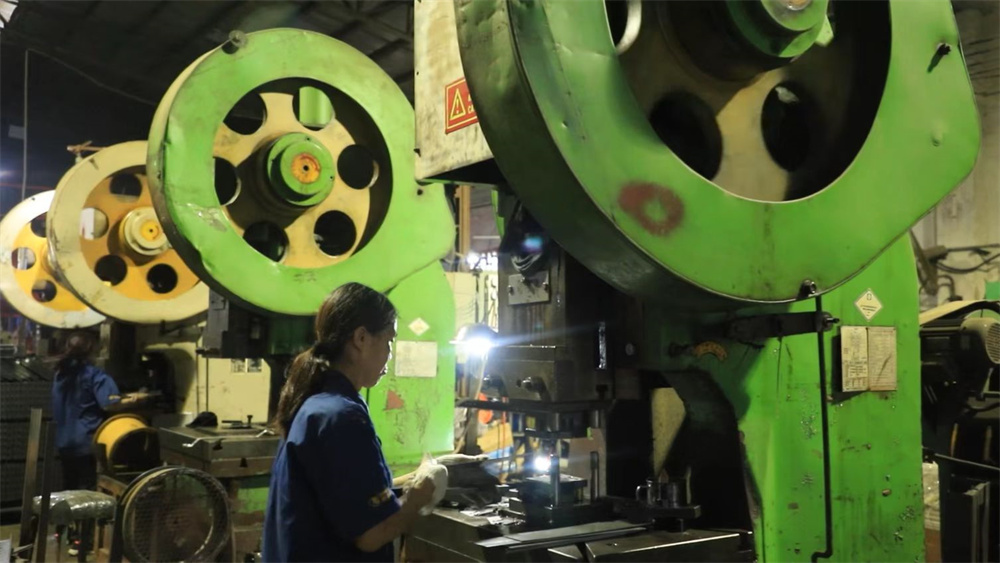
Punching
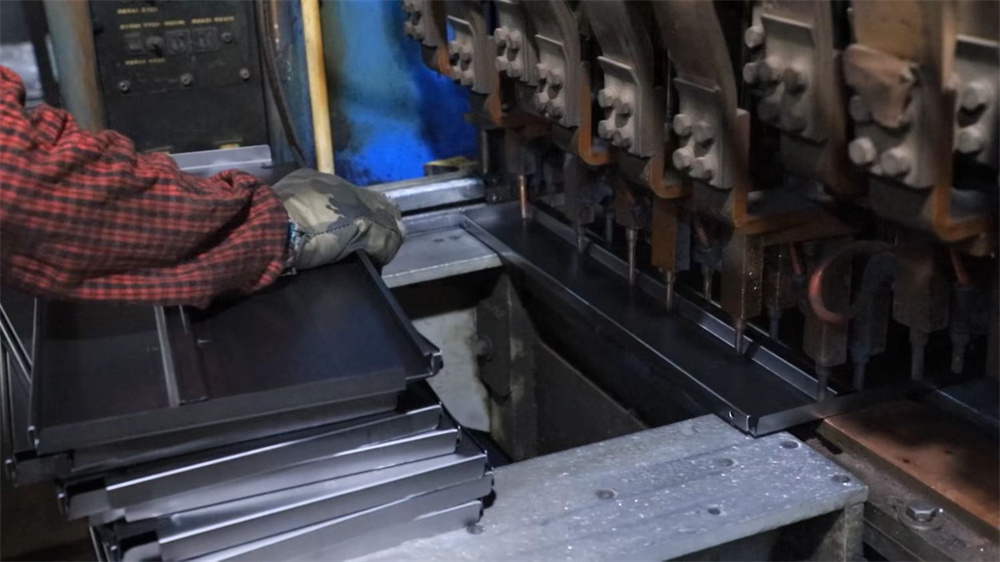
Part Processing
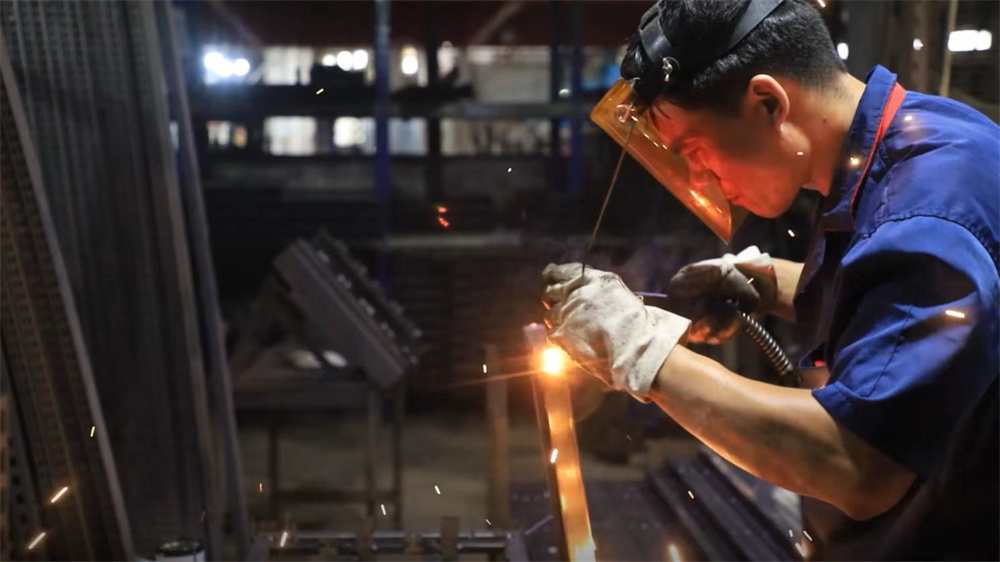
Welding
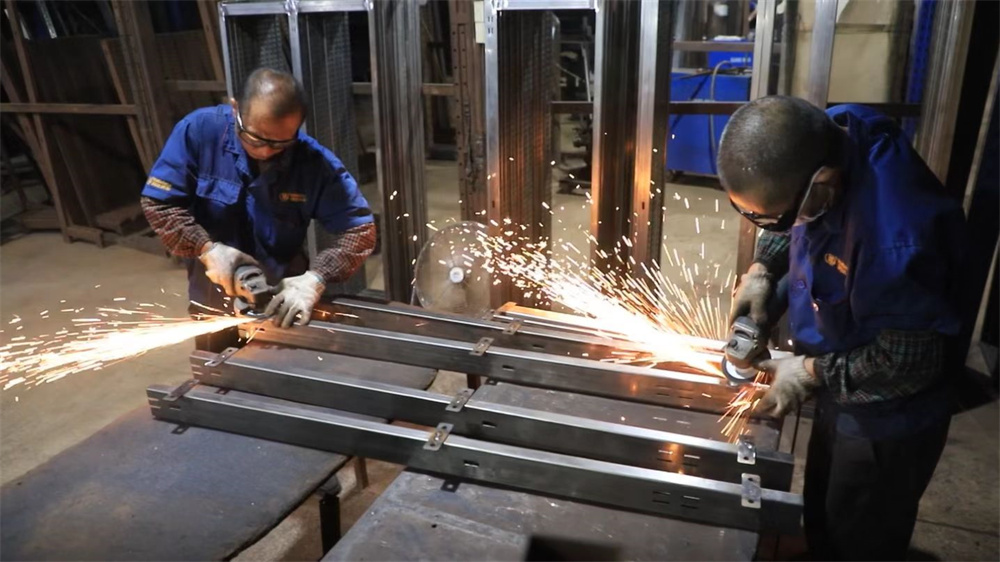
Grinding
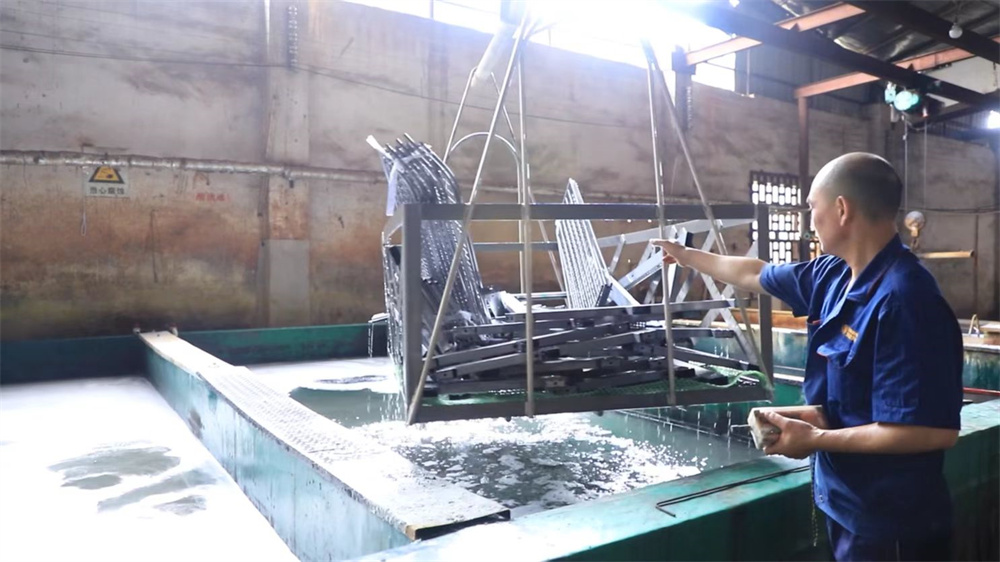
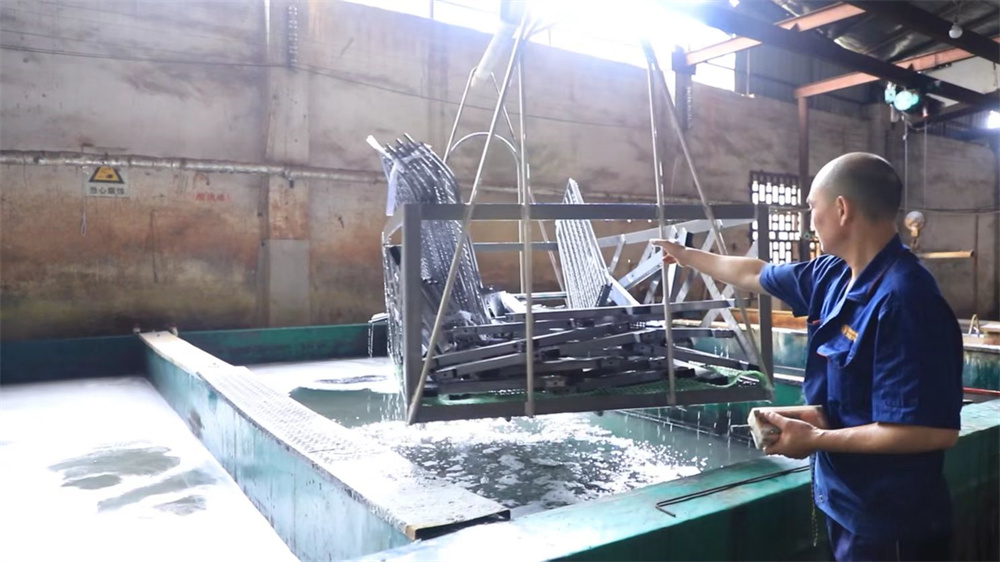
Surface Treatment
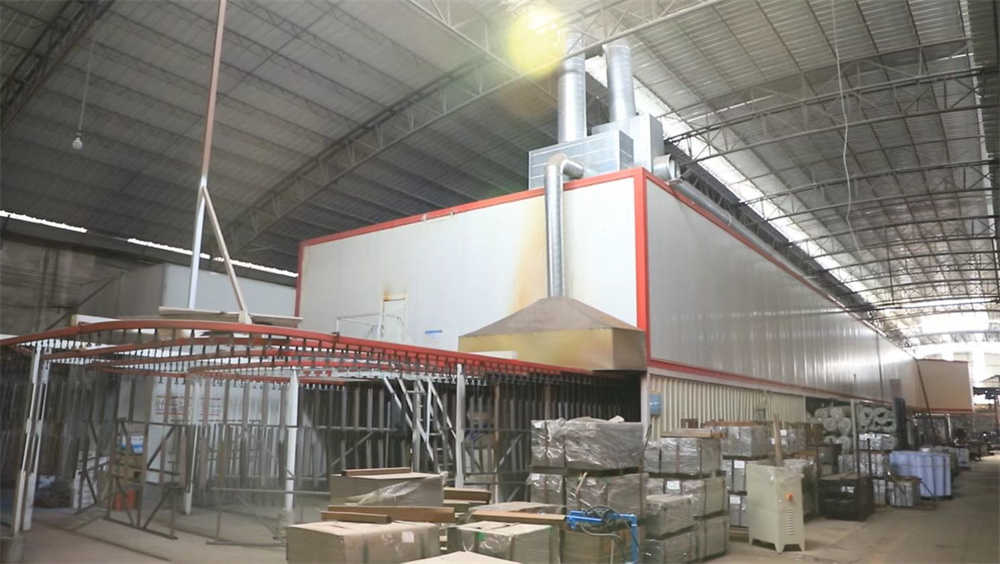
Automatic Painting
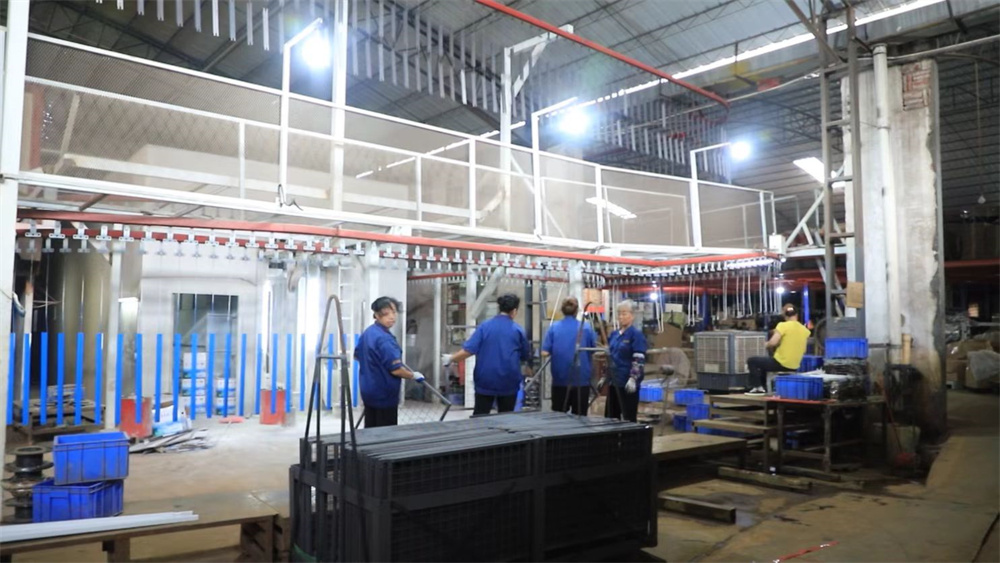
Inspecting
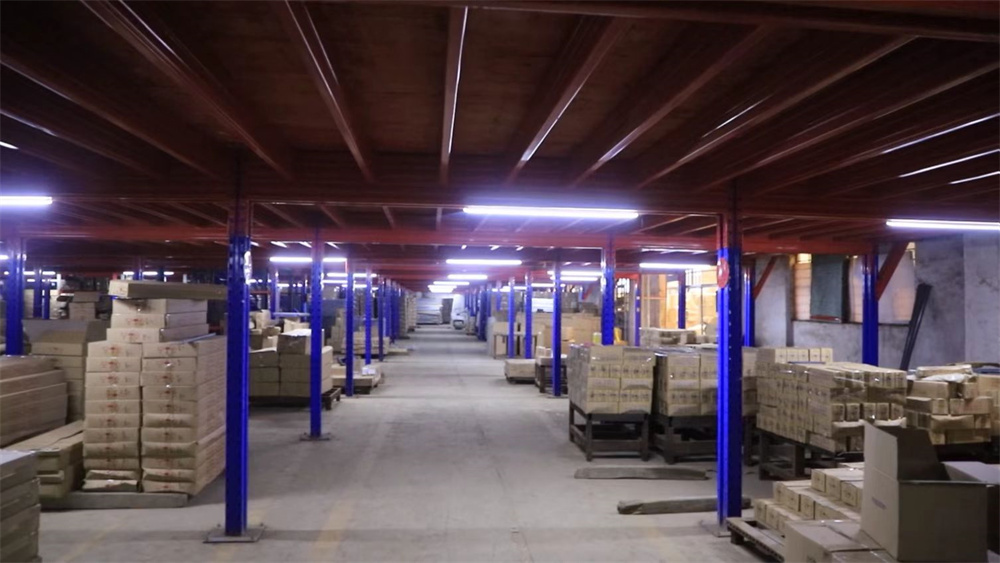
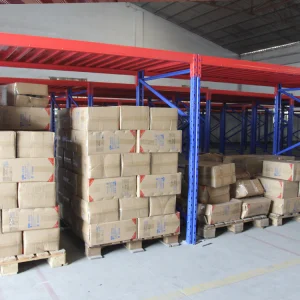
Warehouse
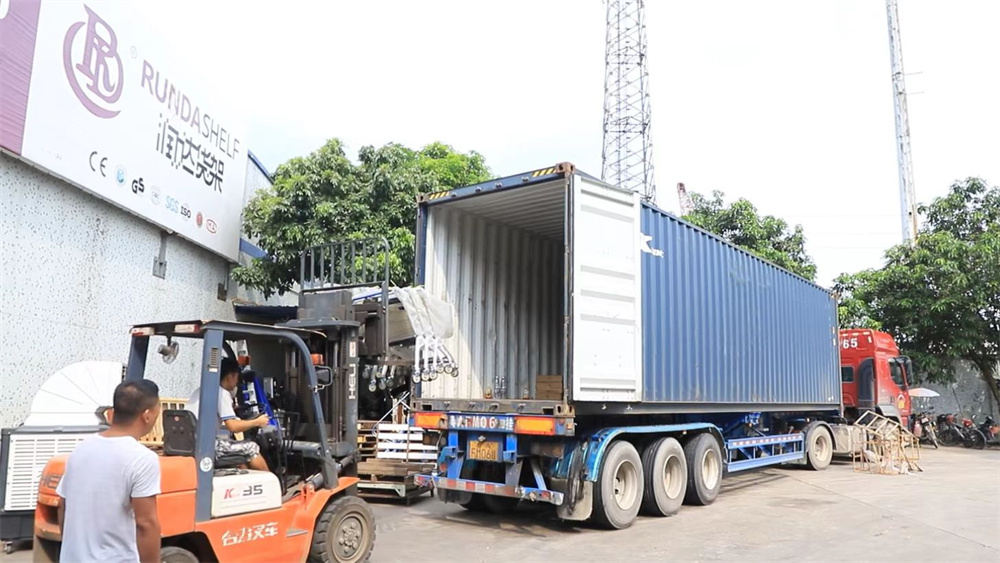
Loading
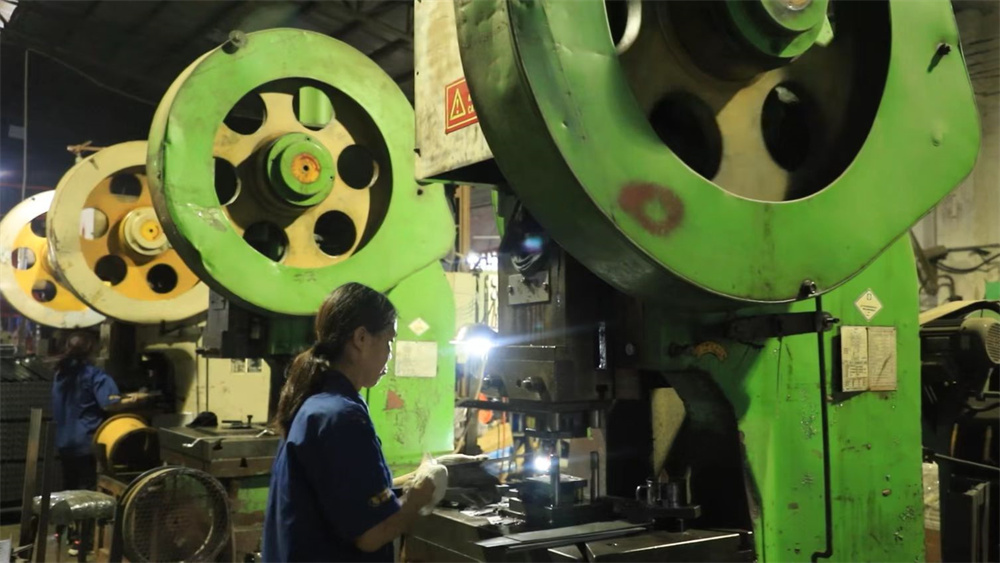
Punching Machine
Laser Cutting Machine
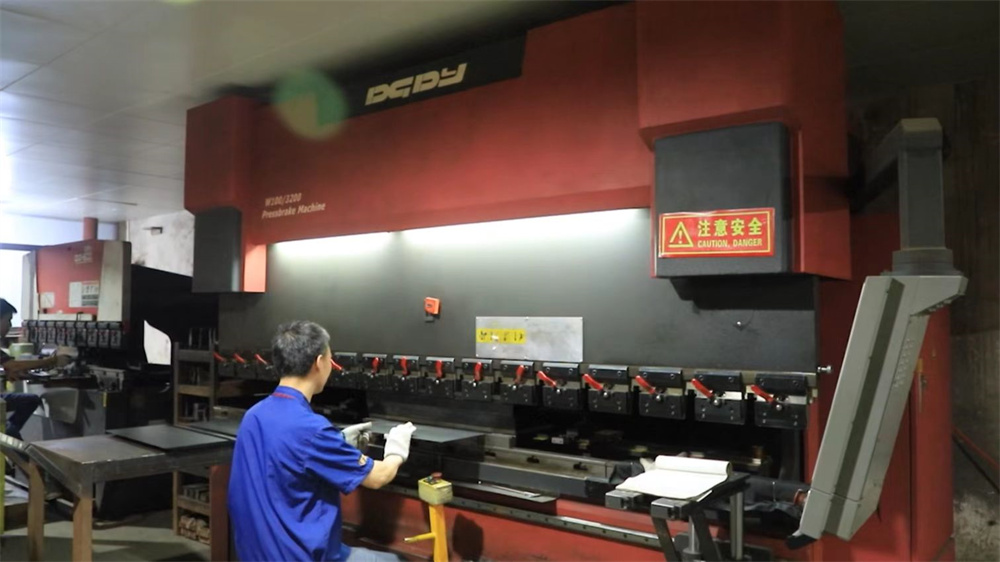
Bending Machine
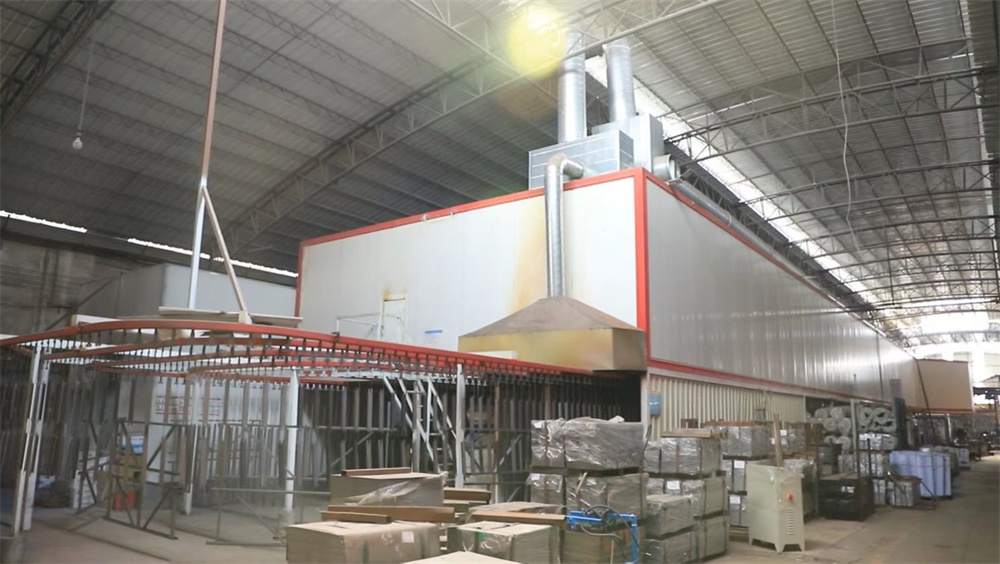
Automatic Painting Line
Explore the raw materials, mechanical limits, and compliance benchmarks that define our heavy-duty racking platforms.
Providing design engineering, localized code compliance, and regional distribution support across our primary global corridors.
Shipping complex racking systems globally requires alignment with localized safety and engineering standards. A system built for a warehouse in Rotterdam must meet different engineering criteria than one installed in a high-seismic zone in California or a humid tropical port in Singapore. Our engineering department uses Finite Element Analysis (FEA) software to model expected stress loads, taking local building codes into account during the early design phase.
For European markets, our structural designs align with the strict European Committee for Standardization (CEN) codes, specifically EN 15512 and EN 15620. These guidelines mandate precise tolerances for aisle clearance and structural upright deflection under loaded conditions. For North American sites, we calculate system ratings using structural parameters defined by the Rack Manufacturers Institute (RMI) and the International Building Code (IBC). These calculations ensure that baseplates, anchors, and sway braces are sized appropriately to resist seismic forces.
Aligns with EN 15635 guidelines. Features European pallet layouts, CE declarations, and corrosion-resistant coatings designed for modern, multi-tiered logistics centers.
Provides RMI-compliant safety yellow upright frames, heavy-duty floor anchor setups, and structural calculations verified for seismic zone requirements.
Delivers detailed, multi-view 3D layouts, structural loading capacity placards, and remote or localized engineering support to simplify regional permitting and inspections.
The convergence of automated logistics and sensor technologies is transforming heavy-duty storage racks into active, smart data hubs.
Driven by the growth of Industry 4.0, warehouse racking systems are evolving beyond passive structures. Shenzhen Runda is at the forefront of this shift, testing sensor-integrated structural designs to improve safety and management efficiency. By integrating strain gauges and load cells directly into supporting beams, we can transmit real-time weight data to the facility's Warehouse Management System (WMS). This system alerts operators if a shelf exceeds its safety threshold, helping to prevent structural issues before they occur.
In addition, the growth of Automated Storage and Retrieval Systems (AS/RS) and automated guided vehicles (AGVs) requires tighter manufacturing tolerances. While traditional hand-loaded shelves can accommodate small installation variations, automated shuttle systems demand millimeter-level accuracy. We use robot-assisted welding cells and automated roll-forming equipment to guarantee the straightness and precise alignment needed for high-density, automated shuttle racks.
Technical guidance regarding design parameters, safety margins, material composition, and global logistics coordination.
We calculate capacities using Finite Element Analysis (FEA) software. This process models the stress distribution on our Q235B steel structures under different load configurations. After design, physical prototypes undergo destructive compression and loading tests at our factory. This testing confirms a safety margin of at least 1.5 times the rated load capacity, ensuring compliance with international FEM and RMI standards.
Q235B is a standard carbon structural steel with a yield strength of 235 MPa, making it suitable for most standard heavy-duty applications. Q345B has a yield strength of 345 MPa, offering higher strength. This makes it ideal for configurations with long spans, extreme load requirements (exceeding 2000KG per layer), or high-seismic designs.
For harsh or outdoor environments, we offer hot-dip galvanizing (HDG) to protect the steel substrate. Alternatively, we use high-durability epoxy-polyester powder coatings with a thickness of 80-100 microns. This finish is cured at high temperatures to provide reliable protection against rust, moisture, and chemical exposure.
Yes, our R&D engineering team designs structures to fit your layout. We customize upright dimensions, beam thickness, shelving depths, and add specialized supports like mesh decks, cross-beams, or cantilever arms. This ensures the system aligns with your facility's physical constraints and load requirements.
Explore our targeted industrial solutions, ranging from heavy-duty cantilever structures for bars and pipes to automated shuttle configurations.
 Runda Racking