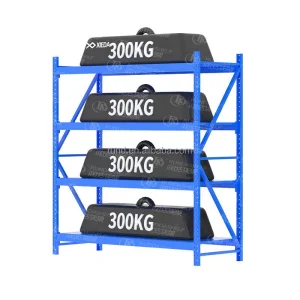
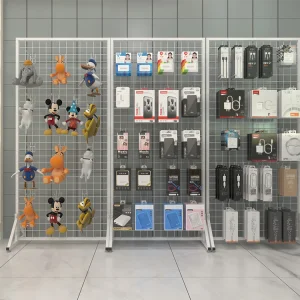
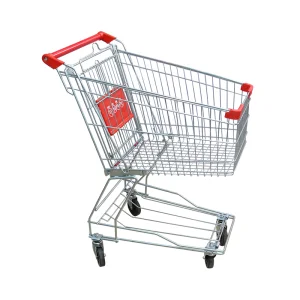
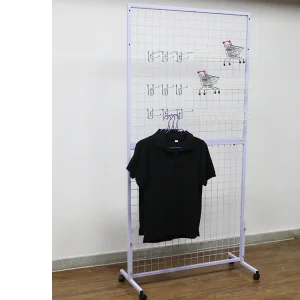
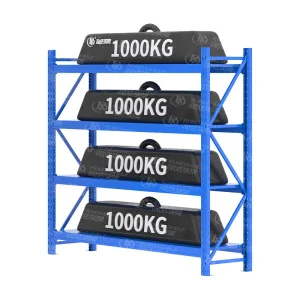
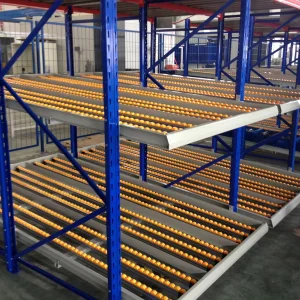
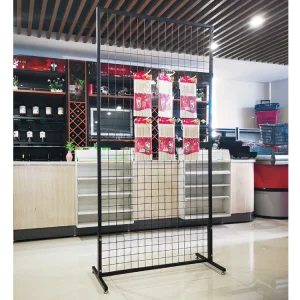
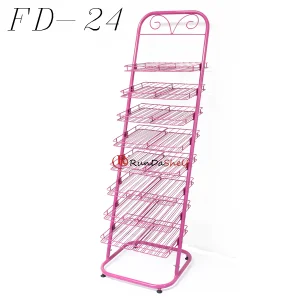
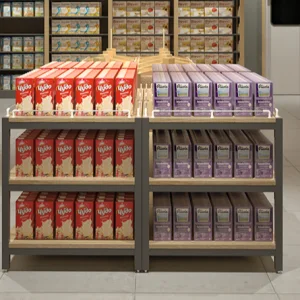
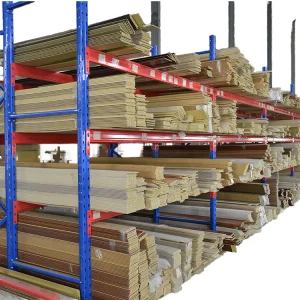
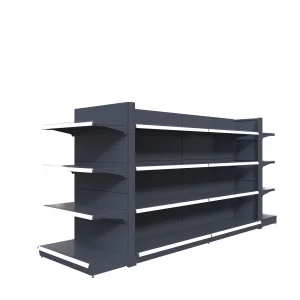
Explore our heavy-duty industrial shelving units, display racks, and logistics support systems certified for international distribution hubs.
Analyzing key structural macroeconomic factors shifting spatial optimization paradigms within logistics distribution networks.
The contemporary global supply chain is undergoing unprecedented structural volatility, accelerating the necessity for advanced micro-fulfillment and ultra-dense storage infrastructure. Modern logistics hubs, multi-tenant distribution nodes, and automated fulfillment networks are facing escalating land costs alongside shrinking commercial footprints. Consequently, industrial spaces must maximize volumetric efficiency rather than rely purely on square-footage calculations. Industrial steel stacking racks and custom adjustable shelving platforms are no longer static assets; they function as the mechanical skeletal structure of high-throughput distribution operations.
With the exponential expansion of third-party logistics (3PL) providers and cold-chain pharmaceutical facilities, the demand for highly specialized steel rack systems has increased globally. In North America and Western Europe, rigorous safety compliance regulations, including the Rack Manufacturers Institute (RMI) standards and EN 15512 specifications, dictate structural configurations. Meanwhile, the rapid digitization of commerce in Southeast Asia and Latin America demands highly modular, scalable, and boltless storage racks that can be swiftly reconfigured to adapt to seasonal inventory fluctuations. High-density stacking solutions enable operators to safely build vertically, reducing overall facility real-estate expenditures while mitigating forklift damage risks and operational downtime.
Increasing reliance on Vertically Integrated Warehousing (VIW), strict global adherence to structural load limits, and the absolute integration of cold-resistant metallurgical configurations suited for cold-storage supply chains.
Understanding structural grade steel limits, finite element analysis (FEA), and surface anti-corrosion properties.
From a technical manufacturing standpoint, the structural integrity of industrial warehouse racking rests entirely on the quality of raw materials and precision profiling. Leading manufacturers employ high-grade structural carbon steel, primarily Q235B and Q355B (equivalent to ASTM A36 and ASTM A572 Grade 50, respectively). These materials offer optimal yield strength and ductility, ensuring that critical structural components can withstand both dynamic loading stresses and unexpected mechanical impacts. Advanced Computer-Aided Engineering (CAE) and Finite Element Analysis (FEA) simulate seismic load vectors and uniform distributed loads (UDL) to determine optimal profile thicknesses and connector designs.
Surface treatments play a crucial role in preventing oxidation and chemical degradation in challenging environments, such as blast freezers or heavy industrial chemical storage. Modern manufacturing utilizes automated electrostatic powder coating lines that apply a uniform epoxy-polyester hybrid film, typically between 60 to 80 microns thick. Prior to coating, steel members undergo multi-stage chemical pre-treatments, including hot acid pickling, phosphating, and deionized water rinsing. This ensures maximum adhesion and passes 500-hour salt spray testing standards. For highly humid or outdoor environments, hot-dip galvanization (HDG) per ASTM A123 is applied to create a thick metallurgical zinc-iron alloy barrier, shielding the steel core from corrosion for decades.
The convergence of static steel structures with internet-enabled automation, sensor arrays, and green materials.
The industrial warehousing sector is transitioning from passive steel storage frameworks to intelligent, dynamic logistical ecosystems. This evolution is driven by several key technological trends:
1. Automation Integration (AS/RS & Shuttle Systems): Racking systems are increasingly engineered to interface directly with Automated Storage and Retrieval Systems (AS/RS) and Autonomous Guided Vehicles (AGVs). These setups demand tight manufacturing tolerances within fractions of a millimeter. Misalignments can lead to system disruptions or operational hazards during high-speed retrieval cycles.
2. IoT Structural Health Monitoring: Heavy-duty stacking racks are being equipped with inline strain gauges, impact sensors, and load cells. These sensors monitor load distribution in real-time, sending alerts to warehouse management systems (WMS) if safety limits are exceeded or structural damage occurs from forklift collisions.
3. Sustainable Green Metallurgy: Environmental policies are driving manufacturers to adopt low-carbon steel processes and volatile organic compound (VOC)-free powder coatings, aligning warehouse facilities with global ESG standards.
Shenzhen Runda Racking Manufacturing Co., Ltd. represents the peak of structural reliability and precision engineering.
Established in 2015, Shenzhen Runda Racking Manufacturing Co., Ltd. is a premier manufacturer specializing in heavy-duty industrial shelving and high-density warehouse storage solutions. With over 11 years of deep industry expertise and 9 years of active global export experience, we deliver tailored racking systems to logistics hubs, distribution centers, and manufacturing plants worldwide.
Operating from a modern 35,000 square meter production facility, our operations are powered by a robust network of over 1,200 trusted supply chain partners. This enables us to achieve an annual export turnover of $28 million. Our primary markets span North America, Western Europe, Southeast Asia, and the Middle East, where we proudly serve industrial distributors, large-scale third-party logistics (3PL) operators, and direct enterprise buyers.
Quality and innovation drive our core philosophy. We maintain strict quality control through full-process sampling inspection, raw material stress testing, and load-bearing verification, backed by a dedicated team of 35 QC professionals. Innovation is led by our 18 experienced R&D engineers who continuously refine structural efficiency—releasing over 120 new and upgraded storage products last year alone.
We offer comprehensive OEM/ODM and full custom manufacturing services, including tailored load capacities, custom dimensions, corrosion-resistant powder coatings, and specialized seismic structural designs. Supported by our experienced international trade background, Shenzhen Runda provides seamless end-to-end service, from technical layout design to reliable global shipment execution.
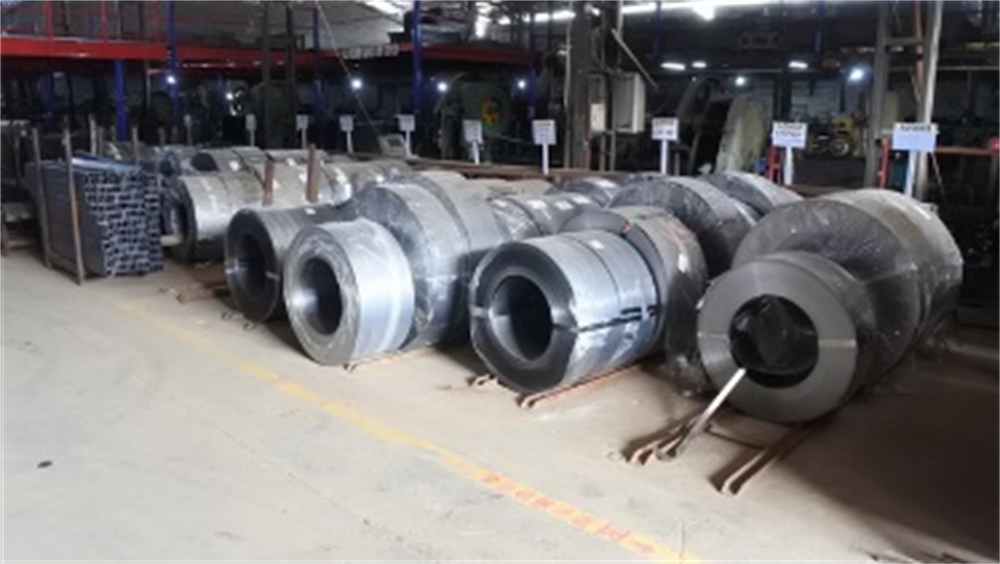
Raw Materials
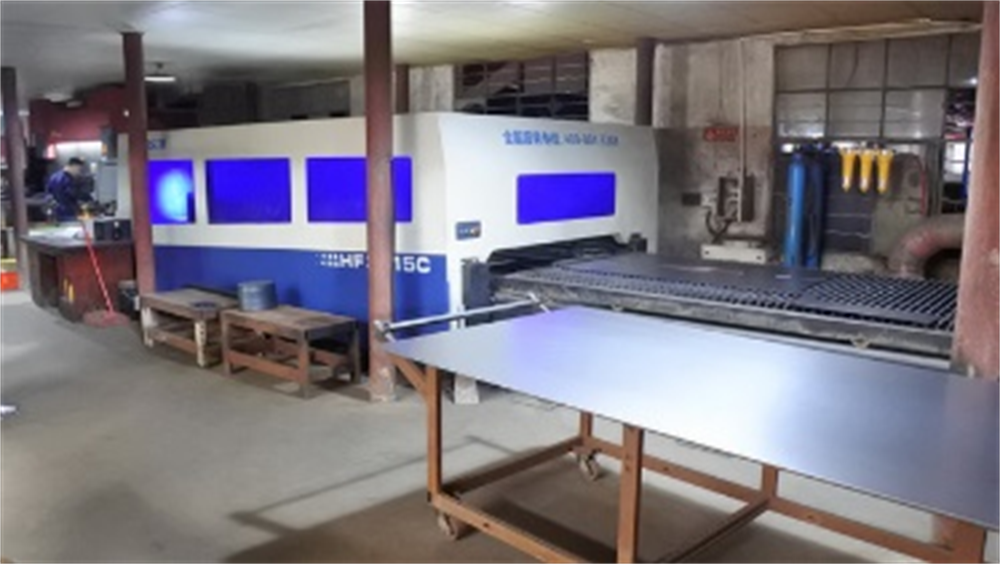
Laser Cutting
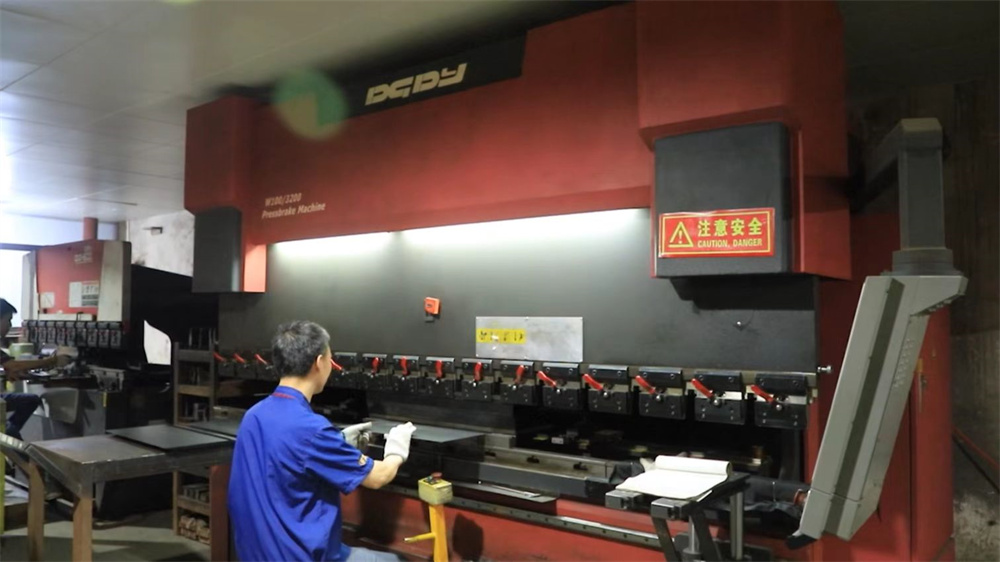
Bending
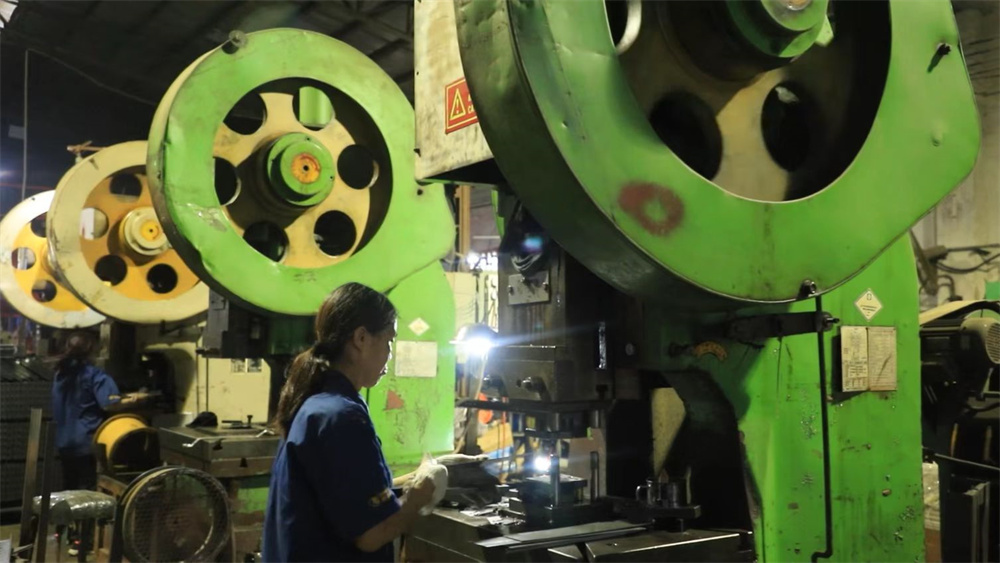
Punching
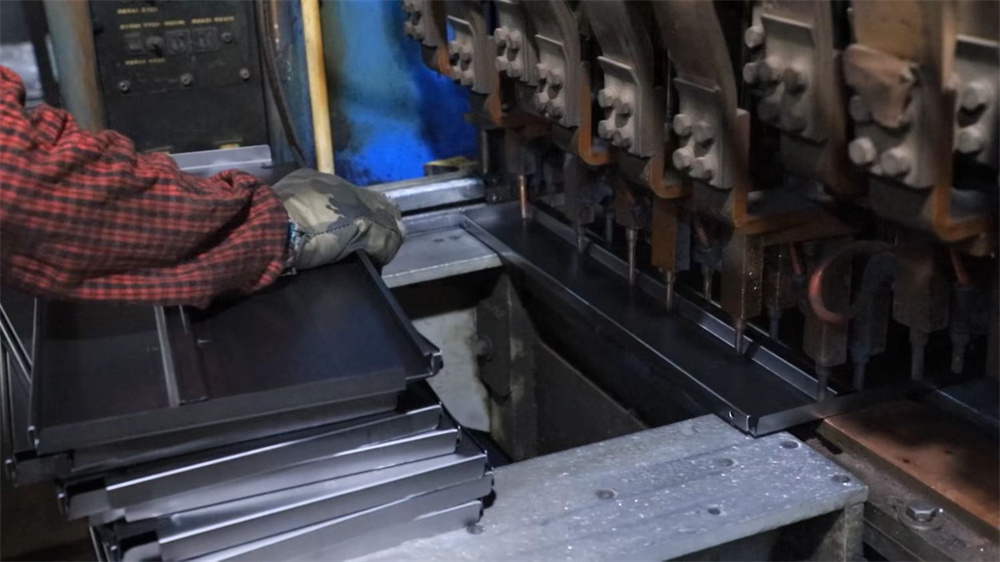
Part Processing
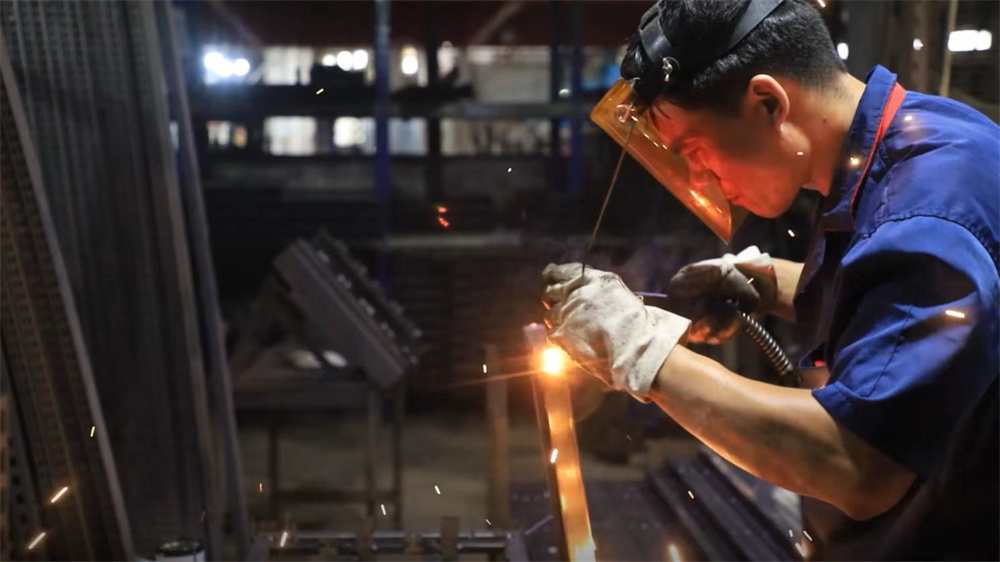
Welding
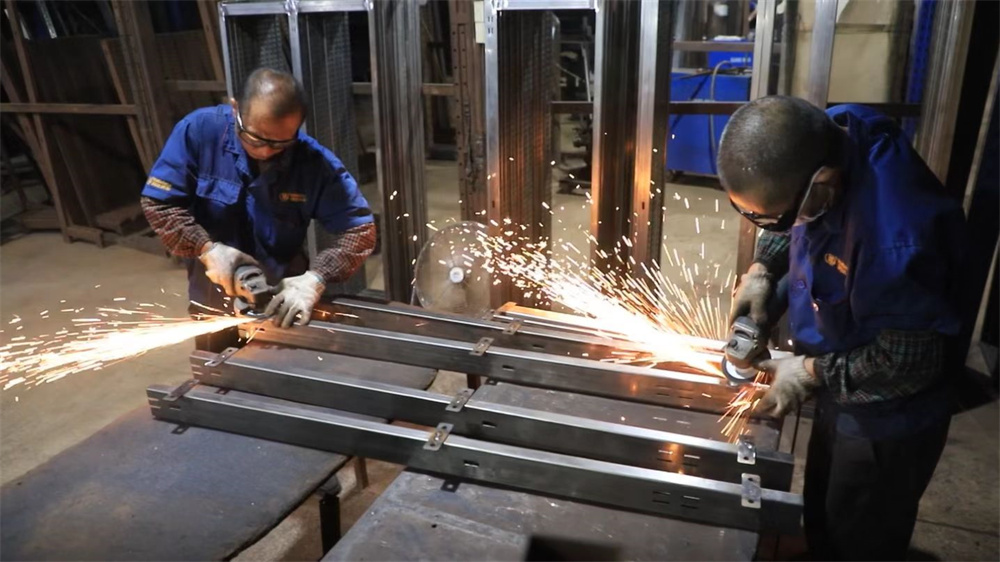
Grinding
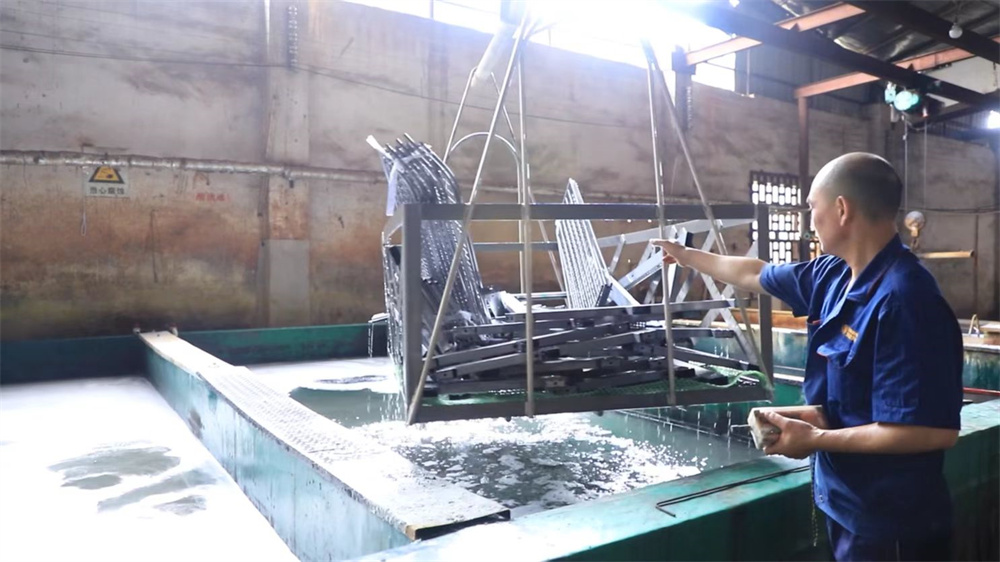
Surface Treatment
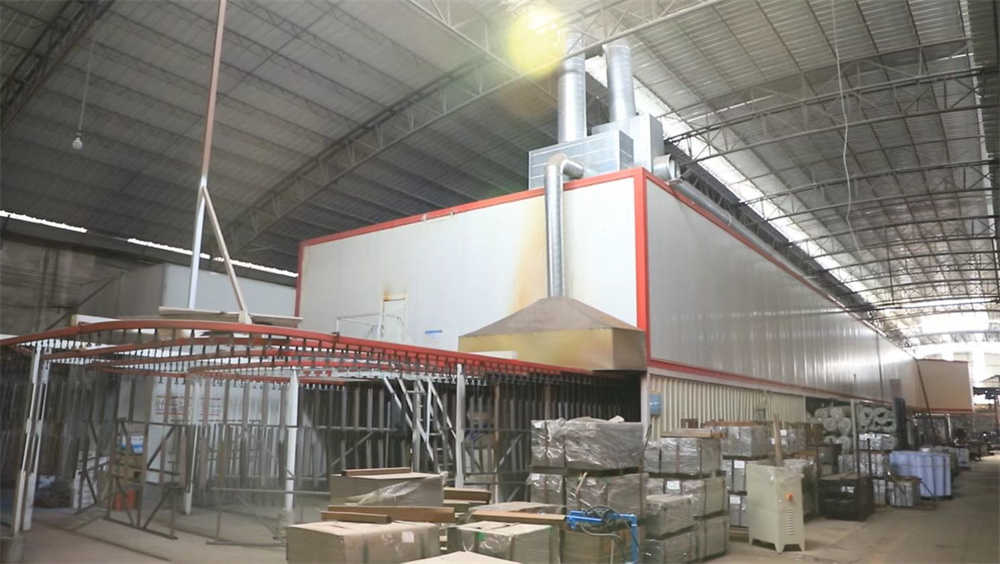
Automatic Painting
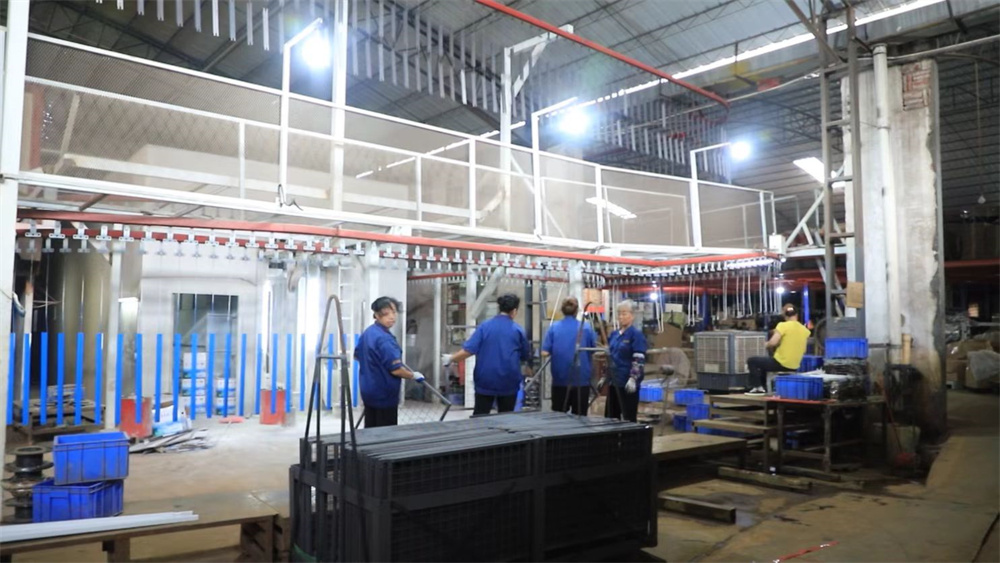
Inspecting
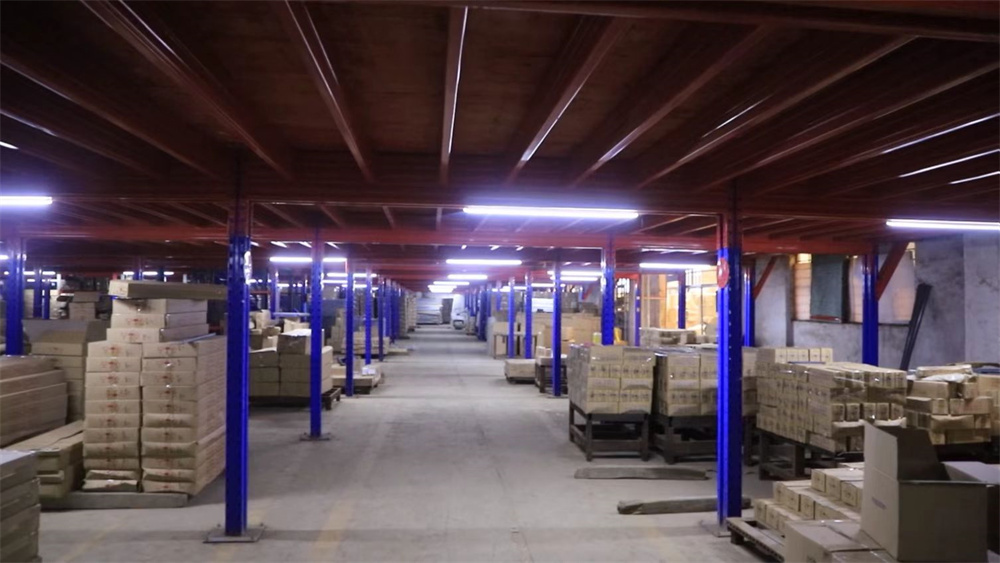
Warehouse
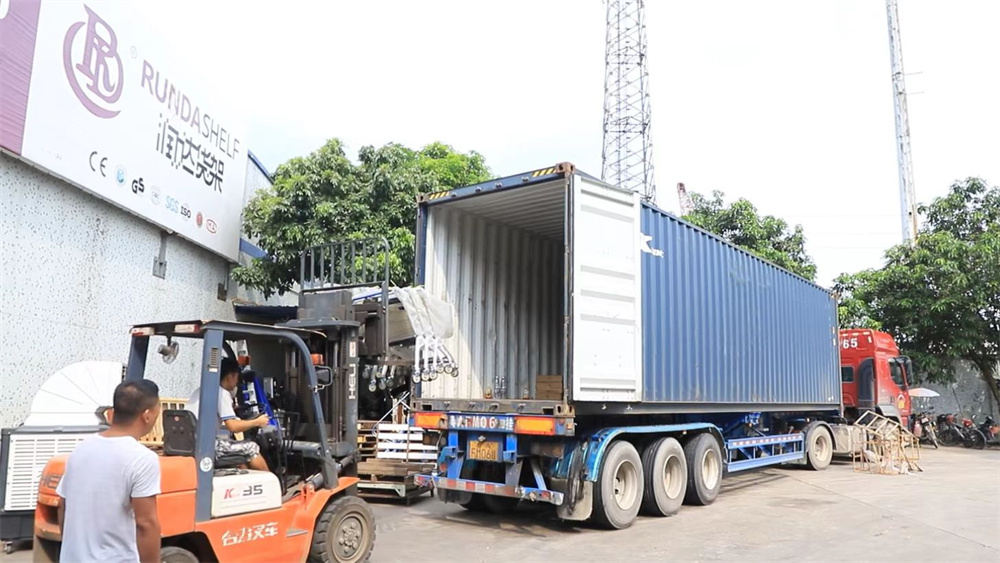
Loading
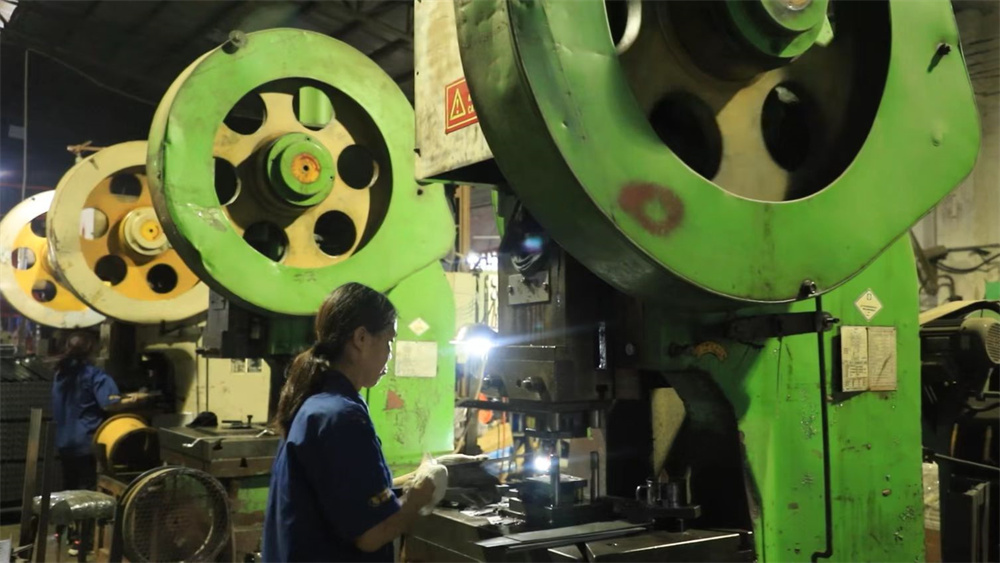
Punching Machine
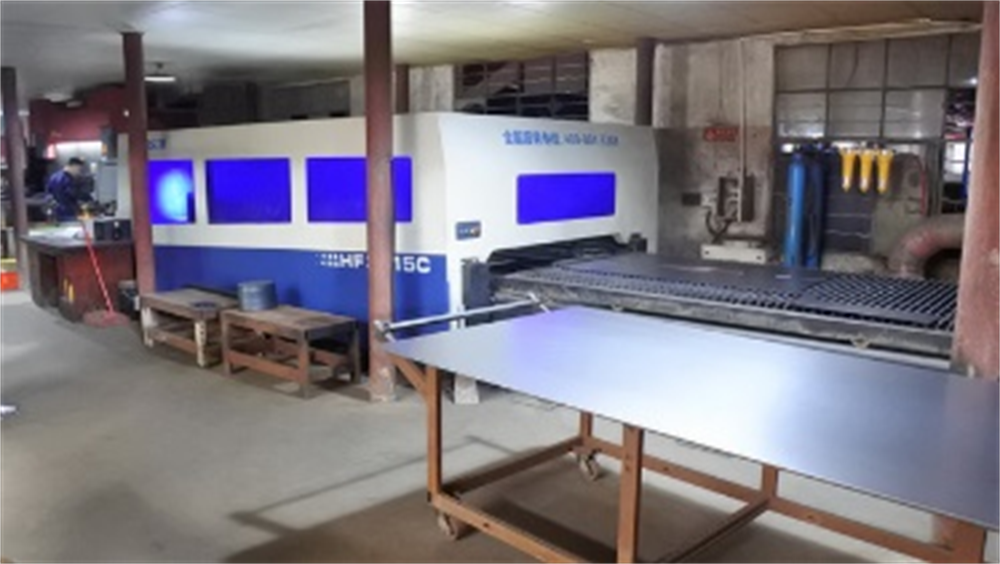
Laser Cutting Machine
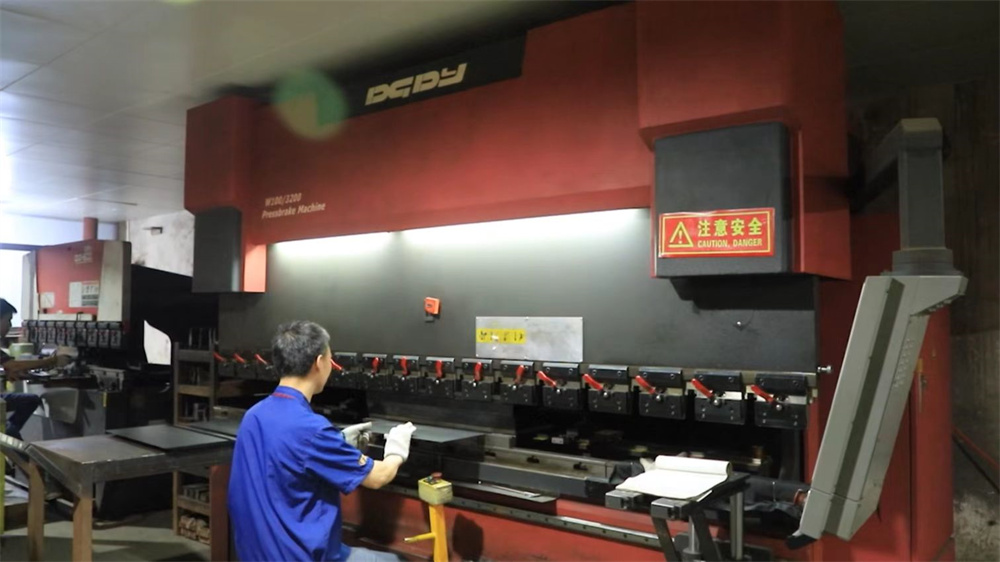
Bending Machine
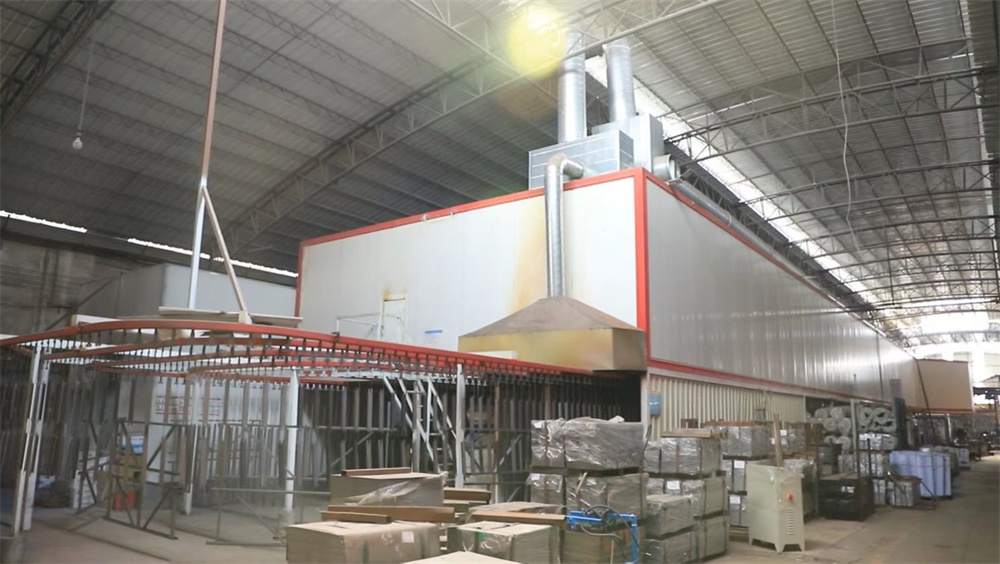
Automatic Painting Line
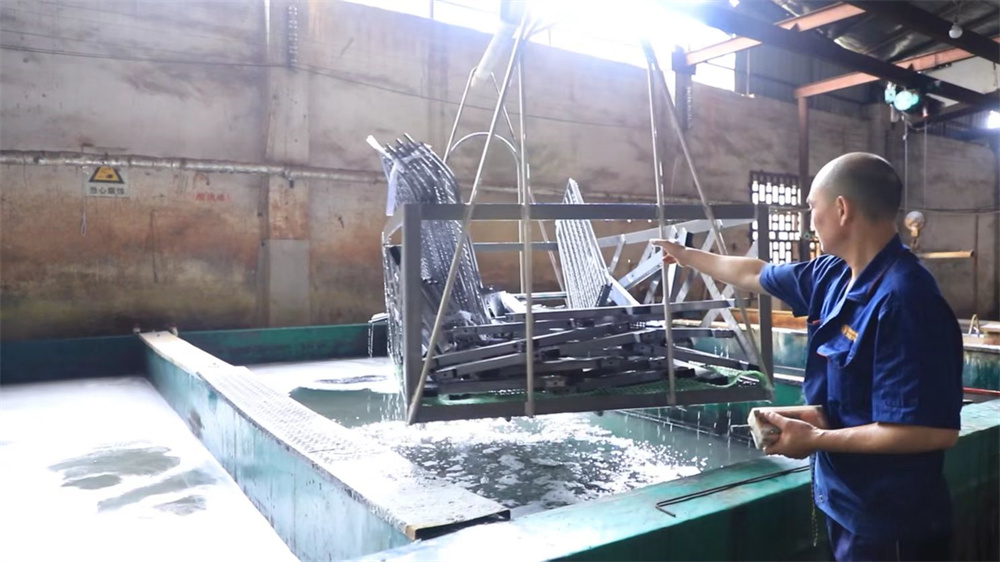
Advanced Facility Floor
Adapting racking structural layouts to match regional environmental profiles and operational requirements.
Designed in strict compliance with AISI and RMI structural standards. Configurations are optimized for high-capacity forklift operations and typical 40x48 inch GMA pallets, with structural features designed for high-risk seismic zones.
Optimized for Very Narrow Aisle (VNA) designs and compliant with EN 15512 standards. This system maximizes vertical warehouse capacity while ensuring high safety margins and minimal deflection tolerances.
Anti-corrosive powder coatings and hot-dip galvanized finishes protect steel components in high-humidity tropical conditions and sub-zero cold storage facilities, preventing hydrogen embrittlement.
Strategic structural development phases detailing the integration of advanced metallurgy and material intelligence.
Implementing micro-alloyed, high-strength structural steel profiles to reduce dead weight while improving load capacities by 15%.
Standardizing factory-assembled modular baseplate configurations designed to dissipate seismic energy in high-risk zones.
Embedding passive RFID and strain sensor nodes inside vertical uprights to automate real-time structural safety inspections.
Partnering with green steel producers to manufacture 100% recyclable, zero-carbon warehousing infrastructure components.
Expert insights addressing key load calculations, materials compliance, and application planning.
We use Q235B and Q355B structural carbon steel. Q355B offers higher yield strength (355 MPa), making it suitable for tall structures, heavy loads, and seismic zones. Q235B (235 MPa) provides excellent ductility and cost-efficiency for medium-duty configurations.
Each profile undergoes finite element analysis (FEA) to simulate uniform and concentrated loads. We run physical load tests in our quality testing center to verify structural safety margins under conditions that exceed standard operations.
For temperatures below freezing, we recommend either hot-dip galvanization (HDG) or cold-resistant electrostatic powder coatings. Standard coatings can crack due to thermal contraction, whereas our dynamic finishes are formulated to remain flexible at low temperatures.
Yes, our R&D engineering team provides comprehensive technical drawings, including plan layouts, profile dimensions, structural calculations, and seismic anchoring data, to support building permit applications in different regions.
The standard lead time for custom production run volumes is 25 to 35 days from technical approval of the design drawings. This includes profiling, multi-stage powder coating, quality control testing, and export-compliant packaging.
Explore our heavy-duty steel pallet warehouse systems, custom display stands, and store fixtures designed for global retail and industrial warehousing.
 Runda Racking