Warehouse Storage Shelf Manufacturers: Heavy-Duty Structural Engineering Solutions

Global Standard Compliance, High-Density Space Optimization, and China 4.0 Supply Chain Resiliency

Industrial Racking & Storage Shelf Catalog

Explore our foundational range of heavy-duty cantilever systems, adjustable storage racking, and high-density warehouse solutions engineered for robust load-bearing capacities.
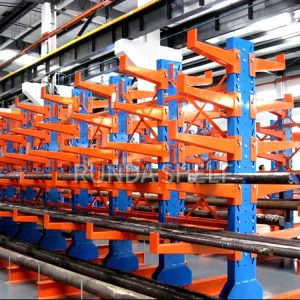
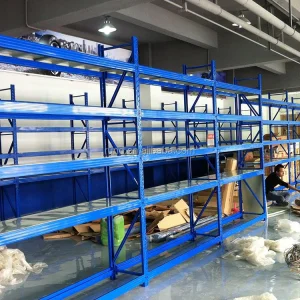
RD Customized Heavy Metal Cantilever Rack
RD Customized Heavy Metal Cantilever Rack Fashion Supermarket Shelves and Warehouse Shelf Wood Display Rack for Store Use
Technical Specifications
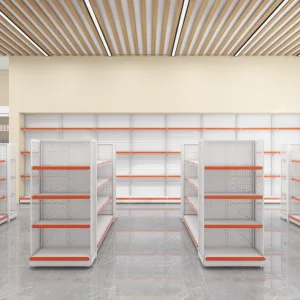
Store Discount Supermarket Shelves Display
Store Discount Warehouse Storage Supermarket Shelves Shelves Display Shelves Large Supermarket Department
Technical Specifications
Combination Shelving Warehouse Display Rack
Free Combination Shelving Warehouse Shelving Display Rack Multi-layer Multi-functional Iron Shelf
Technical Specifications
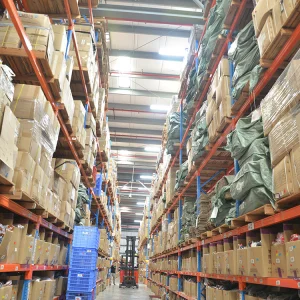
Heavy Duty Metal Warehouse Storage Shelves
Heavy Duty Warehouse Storage Shelf for Metal Shelving Warehouse Shelf Storage Holders Metal Powered Shelves
Technical Specifications
Factory Warehouse Storage Shelves Heavy Duty
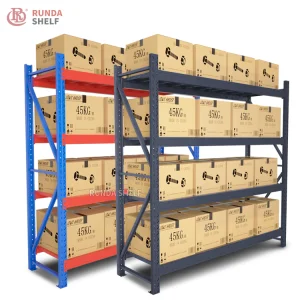
Factory Warehouse Storage Shelves Heavy Duty Steel Rack Large Capacity Q235B Steelwarehouse Racking Systems
Technical Specifications
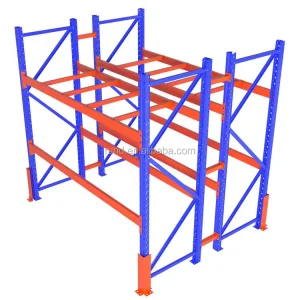
Custom Heavy-Duty Industrial Warehouse Storage Pallet Rack
Custom Heavy-Duty Industrial Warehouse Storage Pallet Rack Heavy-Duty Pallet Shelf with Stacking Racks Shelves for Store Use
Technical Specifications
RD Warehousing Heavy Duty Single-Sided Custom Warehouse Shelves
RD Warehousing Heavy Duty Single-Sided Custom Warehouse Shelves with Q235B Steel 1000-3000 KG Load Capacity for Industrial Use
Technical Specifications
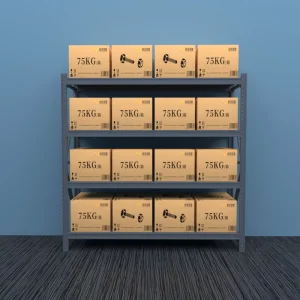
RD-33 High Quality Medium Duty Storage Rack
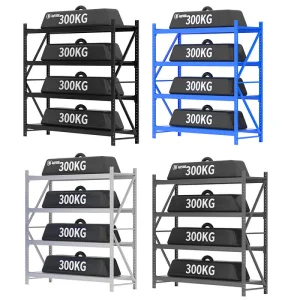
RD-33 High Quality 300KG Medium Duty Storage Rack Metal Warehouse Multi-Level Racking Cargo & Storage Equipment
Technical Specifications

Global Business Dynamics & Modern Warehousing Architecture

Analyzing the macro trends transforming industrial layout configurations, inventory velocities, and storage requirements worldwide.

The global supply chain landscape is undergoing a structural paradigm shift. Driven by the exponential growth of omnichannel e-commerce, the rapid deployment of Third-Party Logistics (3PL) providers, and just-in-case inventory strategies, modern warehouses are shifting from basic regional repositories to high-velocity fulfillment engines. In this high-throughput environment, space is premium. Logistics operators can no longer afford wide, empty aisles and low-clearance storage systems; instead, they must maximize volumetric efficiency through density, high-bay vertical configurations, and automation-integrated steel structures.

Furthermore, cold chain logistics—spanning temperature-controlled pharmaceutical storage and global food supply networks—places extreme environmental demands on structural steel. Low temperatures alter the material properties of carbon steel, shifting it towards ductile-to-brittle transition. Therefore, warehouse storage shelf manufacturers must select materials and execute heat treatments that retain toughness at sub-zero environments (down to -30°C). Standard shelf configurations will fail under the cyclical load stresses and thermal contraction profiles experienced in modern deep-freeze centers. To mitigate these risks, procurement strategies must prioritize structural metallurgy and weld integrity over simple cost margins.

The Structural Challenges of Omni-Channel E-Commerce

Unlike traditional pallet storage where complete pallets are stored and retrieved uniformly, e-commerce centers process thousands of mixed stock-keeping units (SKUs) at rapid intervals. This operational shift demands a hybrid racking infrastructure: base structures configured for heavy bulk reserves, combined with intermediate pick-module levels, multi-tier mezzanines, and carton flow lanes. Deflection control and dimensional tolerances must be strictly calculated to prevent localized overload and ensure safe manual or automated picking operations.

Industry Trends: Automation Integration & Smart Racking

Discover how the integration of automated guided systems, smart sensing technology, and advanced mechanical modeling is reshaping storage solutions.

Modern warehouse engineering has transcended the era of passive steel uprights. To support the ultra-tight operational profiles of automated logistics, structural design must now incorporate advanced mechanical interfaces. We observe several key trends dominating the industry:

  • AS/RS (Automated Storage & Retrieval Systems) Compatibility: Unlike selective pallet racking which tolerates standard construction deflections, crane-operated and shuttle-based AS/RS setups demand tight tolerances. Manufacturers must produce upright profiles with less than 1:1000 plumb deviation to prevent high-speed automated cranes from colliding with steel members.
  • Radio Shuttle & Dynamic Flow Integration: High-density pallet storage configurations are shifting toward radio shuttle solutions. Racking profiles must integrate continuous guide rails, precision level entries, and safety buffers that accommodate continuous shuttle movements and heavy deceleration loads without accumulating structural fatigue.
  • Digital Twin Modeling & BIM Integration: Architectural planning for modern warehouses relies on Building Information Modeling (BIM). Leading storage shelf manufacturers deliver precise 3D Revit models and perform Finite Element Analysis (FEA) to simulate how racking frames interact with concrete slabs, thermal shifts, and localized building loads during seismic events.

Global Procurement Demands: Engineering Standards & Material Safety

Compliance, structural calculation models, and metallurgical specifications expected by international logistics companies and structural engineers.

When sourcing industrial warehouse storage shelves, global enterprise buyers evaluate safety certifications and design methodologies to guarantee operational safety. Choosing low-quality, non-compliant steel configurations introduces structural risks, including progressive collapse and regulatory non-compliance.

Key Regulatory Design Frameworks

High-quality warehouse shelves must be engineered and tested under recognized structural standards:

  • RMI (Rack Manufacturers Institute) MH16.1: The primary US standard regulating cold-formed steel racking design, testing procedures, and seismic calculations. Compliance guarantees that steel members carry designated load ratings under a specified safety margin (typically 1.5 to 1.8).
  • EN 15512 (European Standard): Mandates rigorous testing criteria for beam-to-column connections, baseplates, and upright compression buckling models. It is the core compliance framework throughout Europe.
  • AS 4084 (Australian Standard): Specifies strict structural tolerances, structural inspections, and dynamic frame modeling requirements unique to the Oceanic market.

High-Grade Structural Steel: Q235B vs. Q355B

The performance of any industrial rack depends heavily on the metallurgy of the raw steel. Shenzhen Runda Racking Manufacturing Co., Ltd. utilizes premium structural steel profiles to ensure structural stability:

  • Q235B Carbon Structural Steel: Excellent weldability and ductility. It is the industry standard for medium-duty shelf setups and standard pallet rack configurations with load limits of up to 1,500 kg per level.
  • Q355B Alloy Steel: Offers higher yield strength (355 MPa compared to 235 MPa). It is used in heavy-duty high-bay systems, drive-in systems, and seismic racking configurations where structural members must bear up to 4,000 kg per level. The increased yield strength enables thinner profile sections, optimizing shipping weight without compromising structural safety.

China Industry 4.0: Manufacturing Excellence & Supply Chain Resilience

Discover how automated manufacturing, strict quality testing, and advanced metallurgy deliver high-precision products with cost efficiencies.

Shenzhen Runda Racking Manufacturing Co., Ltd. utilizes advanced automated production systems to maintain high quality and supply chain resilience. Operating from our modern 35,000 square meter facility, we have integrated computerized workflows across all production phases to achieve high manufacturing accuracy.

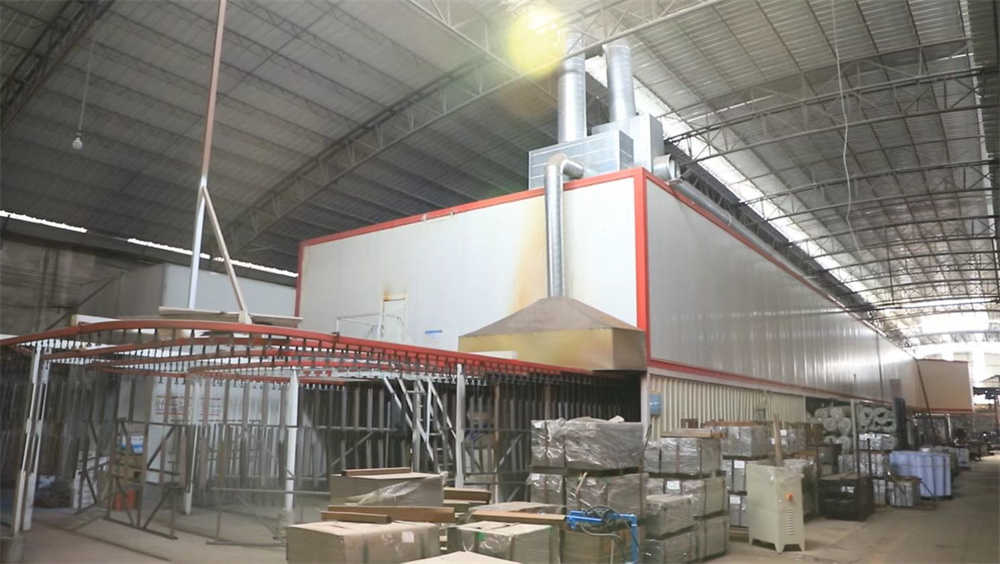
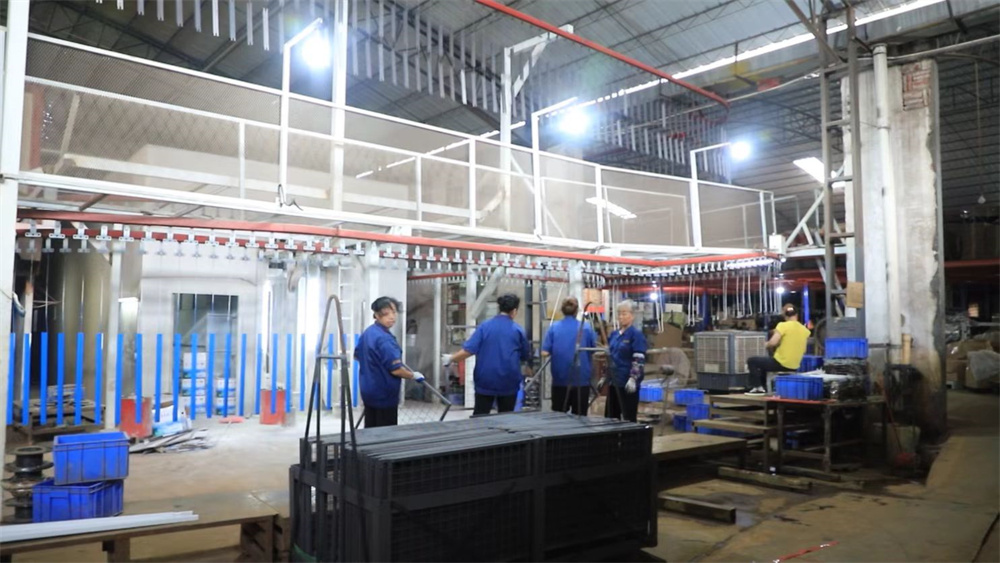
Through our automated CNC rolling mills, continuous cold-roll forming systems, and robotic welding stations, we maintain profile tolerances within ±0.2 mm. This consistency prevents installation issues at the job site. In addition, our automated electrostatic powder coating lines apply a uniform 70 to 90-micron epoxy-polyester layer, providing excellent scratch and corrosion resistance.

Our location in the Shenzhen industrial zone provides direct access to high-grade steel mills and efficient global shipping routes. Backed by over 1,200 trusted supply chain partners, we ensure consistent raw material pricing and stable lead times, helping global clients manage volatile material and logistical costs.

2015
Established Year
35K m²
Production Facility
$28M
Annual Export Turnover
35+
QC Inspectors

Localized Application Scenarios: Racking in Action

From heavy industrial environments to automated cold-storage facilities and commercial retail operations.

Different industries require distinct racking designs to handle specific load types, ambient temperatures, and retrieval methods. Below are typical applications where Runda racking systems are deployed:

1. Heavy-Duty Manufacturing & Tooling Storage

Heavy machinery manufacturing, automotive assembly lines, and metal fabrication plants require robust, reliable storage systems. High-capacity selective pallet racking and cantilever shelves made from Q355B steel are designed to store dies, raw steel plates, and engine components safely, with load ratings exceeding 3,000 kg per bay.

2. Cold Storage & Food Distribution

In low-temperature food and pharmaceutical storage, space optimization is critical due to high refrigeration costs. Drive-in systems and mobile racking units increase storage density by up to 80% compared to standard layouts. These systems utilize low-temperature resistant structural steel to prevent low-temperature embrittlement and failure.

3. E-Commerce Fulfillment & 3PL Logistics

High SKU counts and rapid order cycles require picking-optimized layouts. Multi-level mezzanine racking and longspan shelving systems partition vertical space into multiple pedestrian pick levels, improving manual handling efficiency and pick rates.

4. Commercial Retail & Grocery Cash-and-Carry

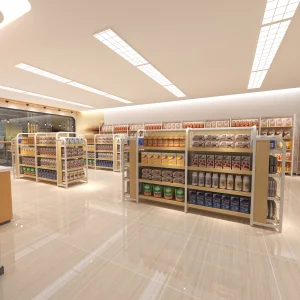
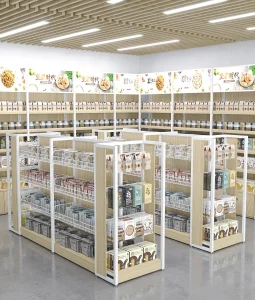
Cash-and-carry stores and large supermarkets require retail-warehouse hybrid racking. The lower levels serve as customer display shelves, while the upper levels support bulk pallets for rapid inventory replenishment, maintaining a clean retail aesthetic.

End-to-End Manufacturing Process & Factory Machinery

Step-by-step documentation of our production pipeline, highlighting our quality checks and precision machinery.
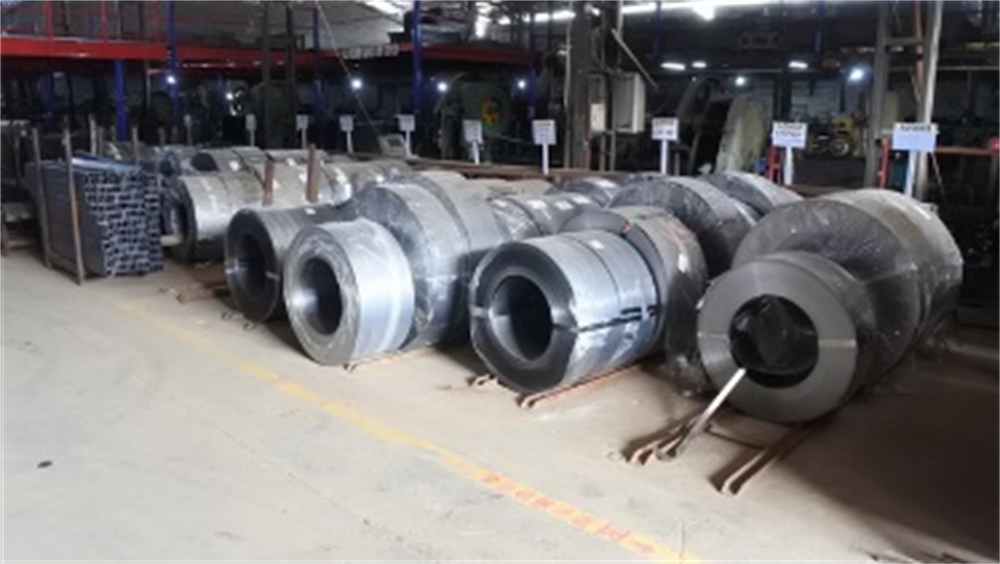
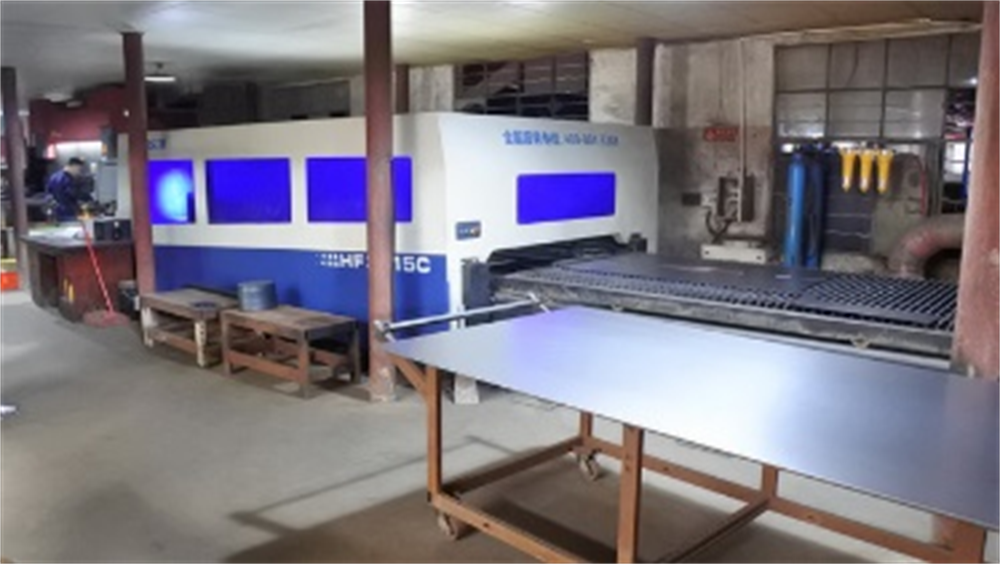
Twelve-Step Production Pipeline

Raw Materials
Step 01
Raw Materials

Sourcing high-tensile Q235B and Q355B steel coils from premier domestic mills, verified via strict metallurgical and mill sheet certifications.

Laser Cutting
Step 02
Laser Cutting

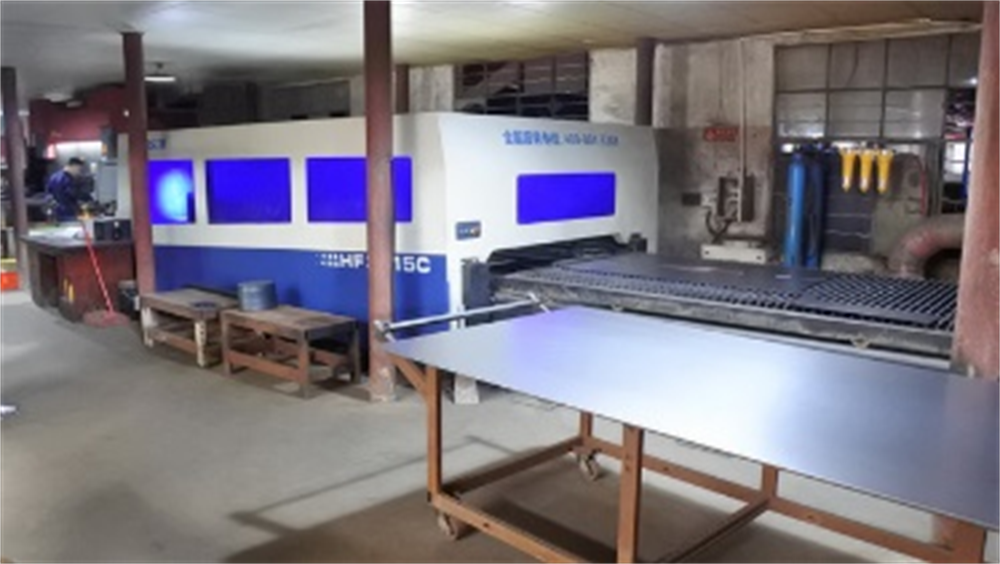
Executing precision cuts using fiber laser technology, maintaining high dimensional accuracy for custom baseplates and accessories.

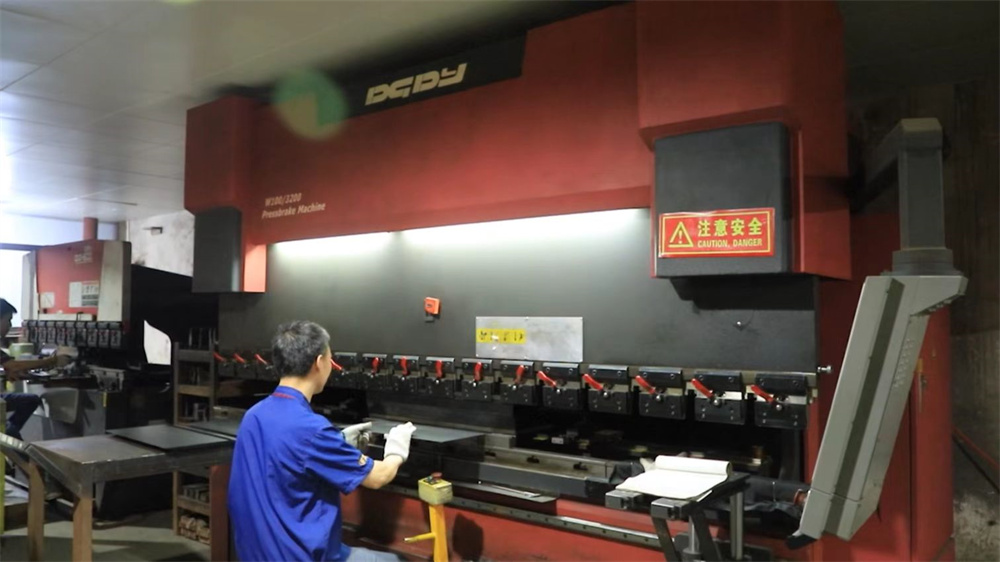
Bending
Step 03
Bending

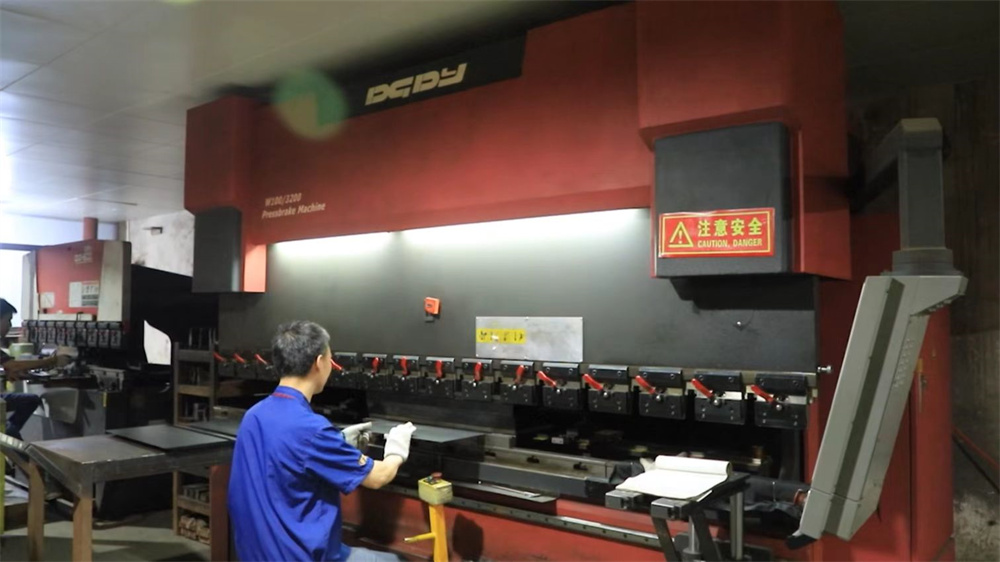
Forming multi-bend upright and beam profiles on CNC press brakes to achieve consistent structural strength.

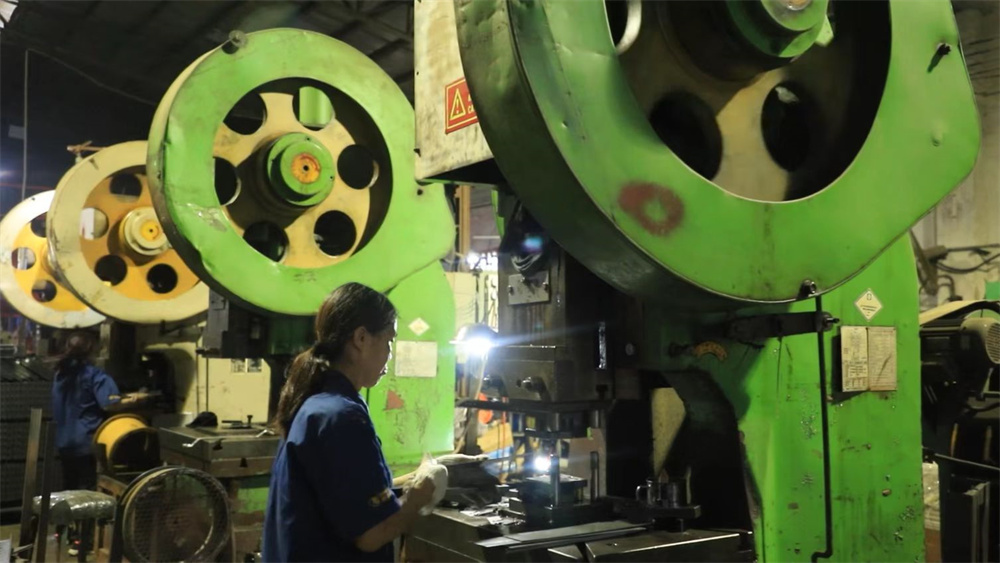
Punching
Step 04
Punching

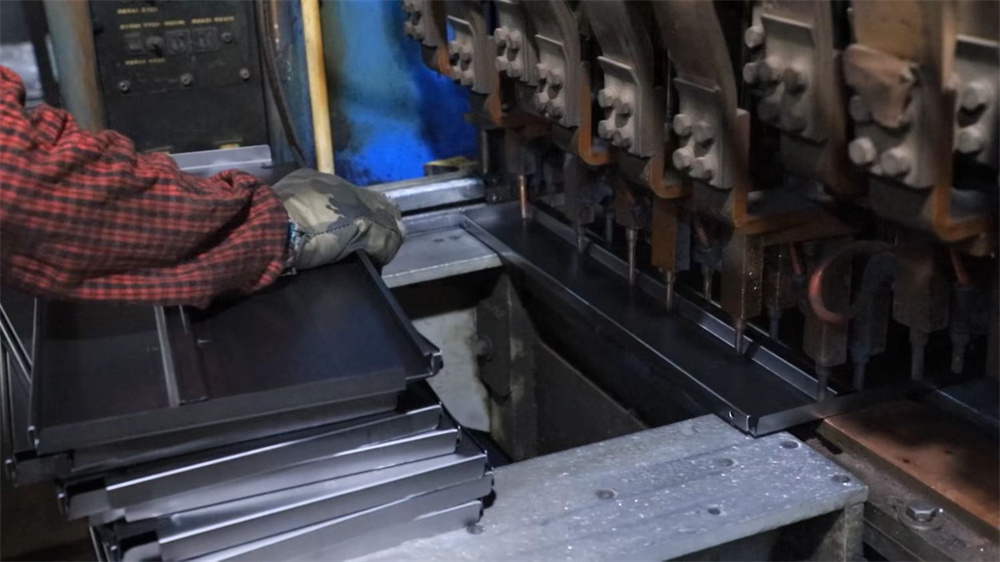
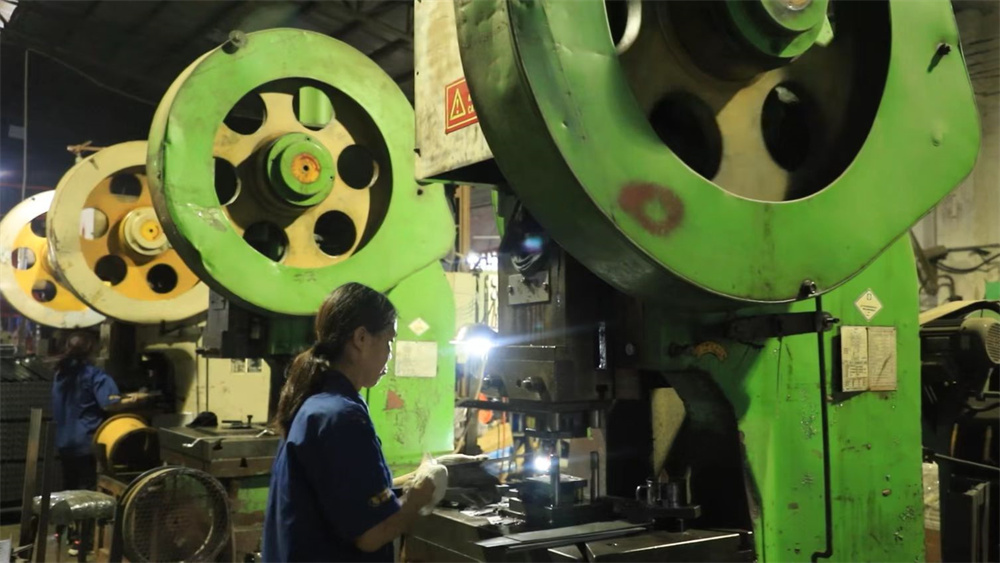
Automated punching of pitch lines, teardrops, and lock holes into structural uprights before final forming.

Part Processing
Step 05
Part Processing

Machining individual components, spacer links, and seismic footplates to meet architectural design parameters.

Welding
Step 06
Welding

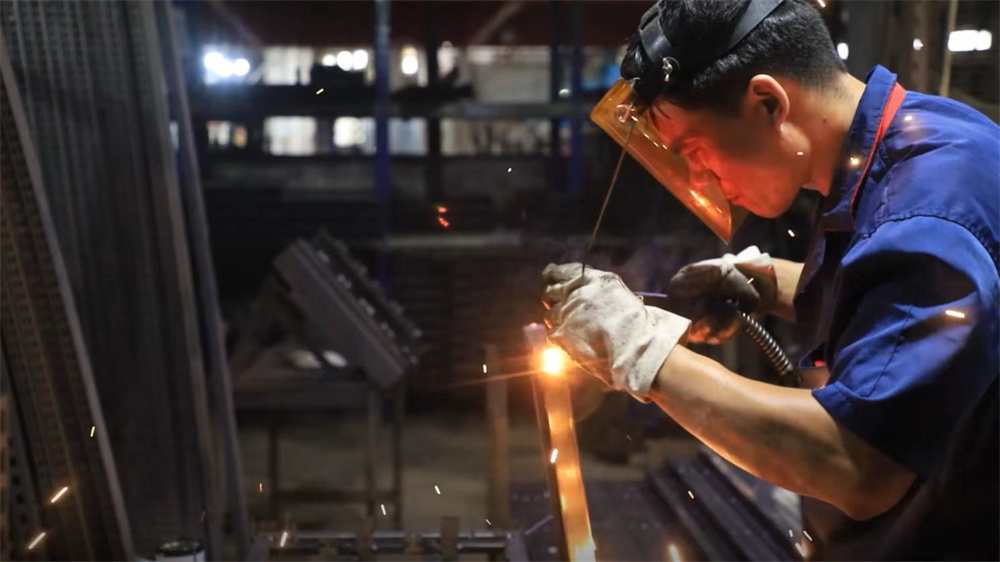
Robotic and manual welding of structural connectors and stiffening gussets under AWS structural weld codes.

Grinding
Step 07
Grinding

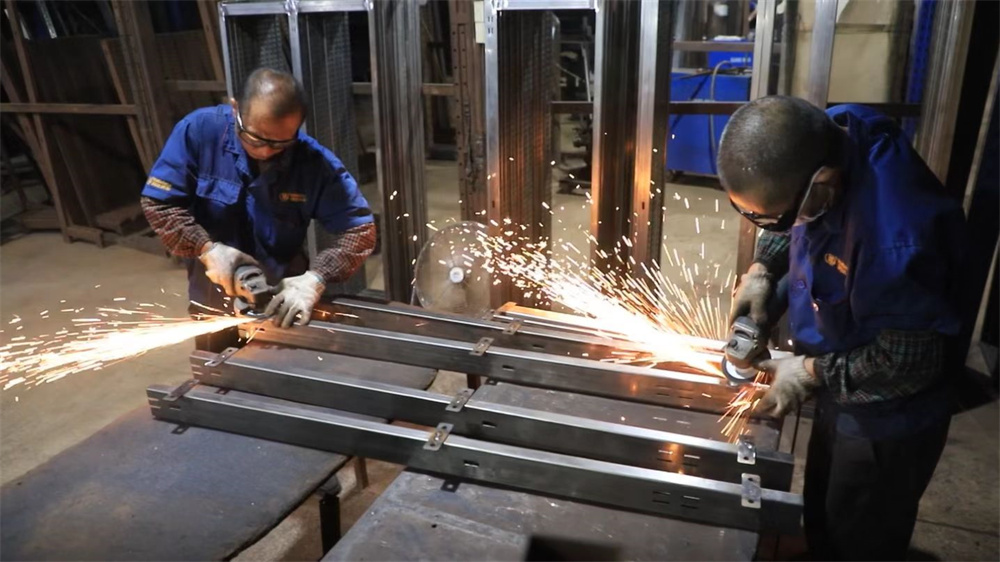
Grinding weld beads to remove splatter, ensuring clean profiles for proper powder coating adhesion.

Surface Treatment
Step 08
Surface Treatment

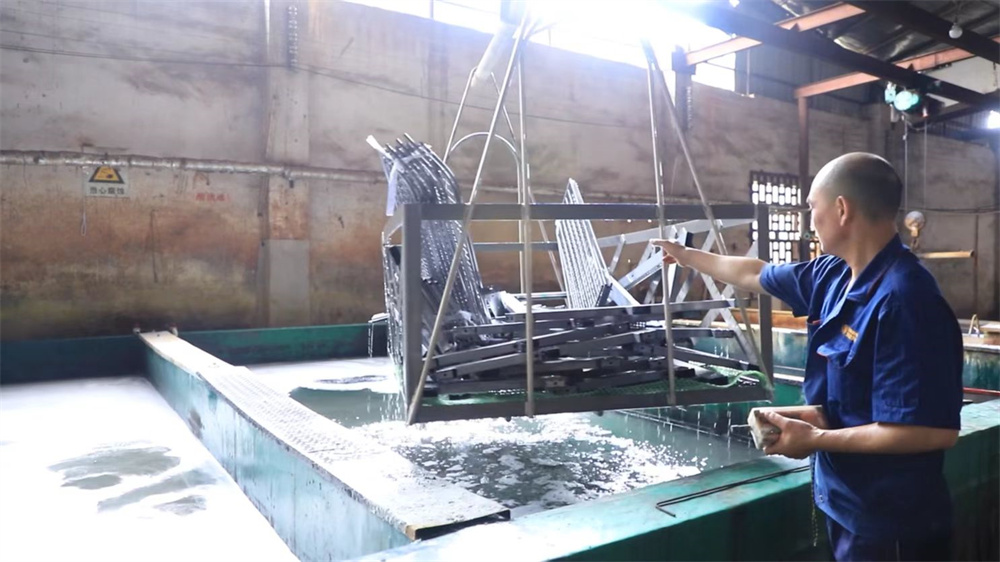
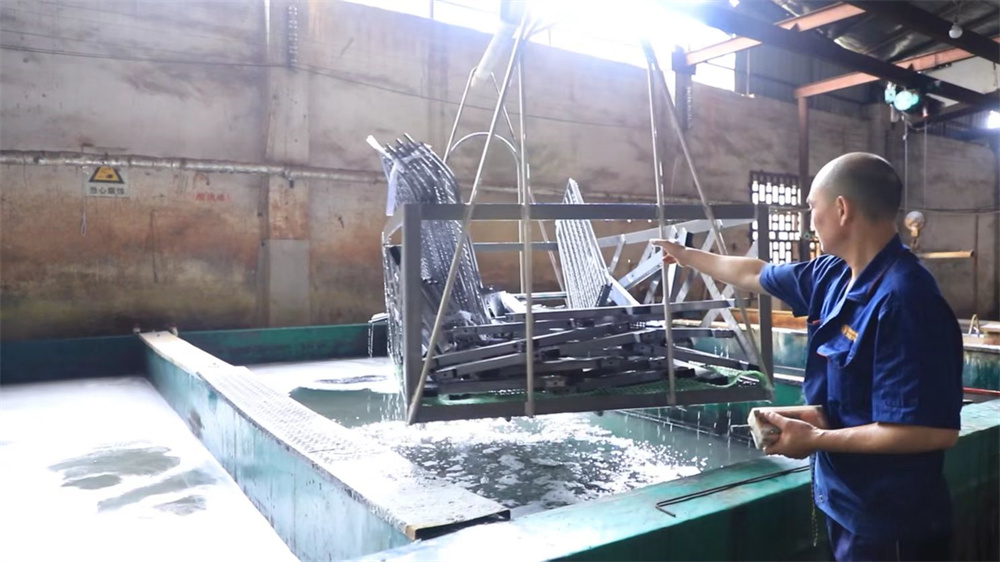
Multi-stage pickling, phosphating, and rinsing to remove oils, scale, and rust from the metal surface.

Automatic Painting
Step 09
Automatic Painting

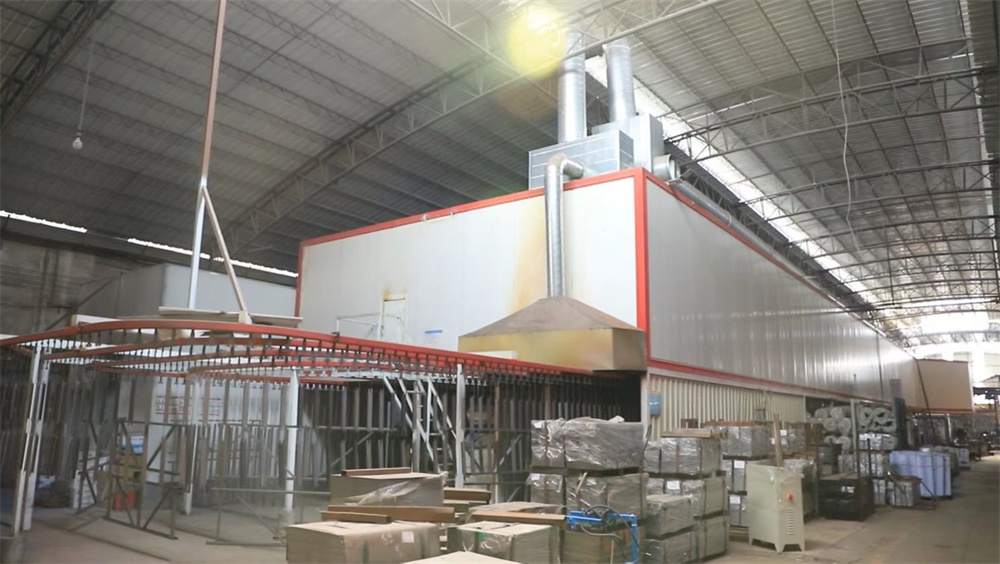
Applying electrostatic powder coatings, cured at 200°C, to create a durable, scratch-resistant protective finish.

Inspecting
Step 10
Inspecting

Checking coating thickness, cross-hatch adhesion, frame alignment, and load capacity compliance.

Warehouse
Step 11
Warehouse

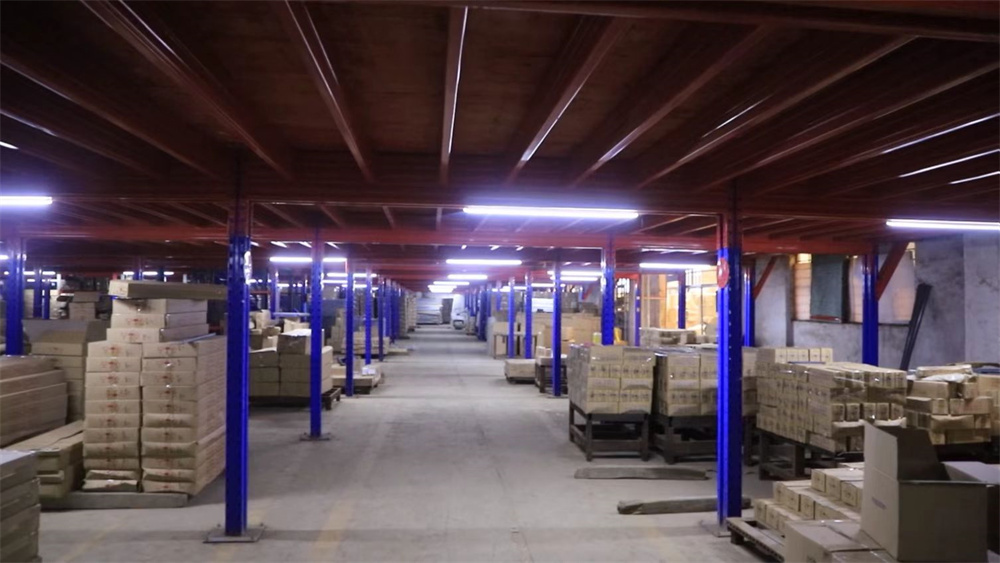
Staging finished structural frames in organized storage areas, ready for custom order packaging.

Loading
Step 12
Loading

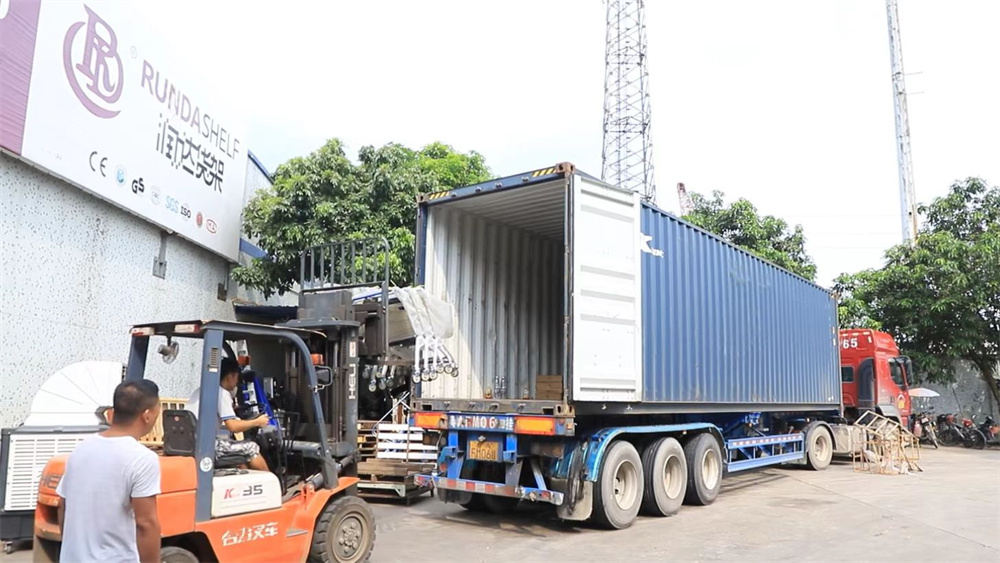
Securing and strapping components onto pallets to protect the powder-coated finish during sea freight shipping.

Advanced Manufacturing Machinery

Punching Machine
Heavy-Duty Punching Machine

High-speed hydraulic punching station that cuts uniform connector hole profiles into structural steel columns.

Laser Cutting Machine
CNC Laser Cutting Machine

High-output fiber laser systems cutting complex steel components with clean edge finishes.

Bending Machine
Precision Bending Machine

Multi-axis hydraulic press brake ensuring accurate bends for structural racking connectors.

Automatic Painting Line

Integrated electrostatic powder coating system featuring automated reciprocators and high-temperature curing ovens.

Additional Machinery
Advanced Roll-Forming Mill

High-speed cold roll-forming system forming upright and beam profiles with consistent dimensions.

Technical FAQ: Engineering & Procurement Insights

Read answers to common technical and structural questions concerning warehouse racking design, safety factors, and material specifications.

What is the structural difference between roll-formed and structural steel racking?

Roll-formed racking is manufactured from coil steel by cold-roll forming, resulting in a lightweight, cost-effective, and highly adjustable structure suitable for selective and retail warehouse configurations. Structural steel racking is hot-rolled, utilizing channel steel sections. It offers higher resistance to forklift impacts and is designed for heavy industrial use, deep-freeze environments, and ultra-heavy load applications.

How do you calculate the safety factor and deflection limits for industrial shelving?

Under RMI and EN 15512 specifications, load capacities are designed with a safety factor of 1.5 to 1.8 against yield strength failure. The maximum allowable beam deflection under full load is limited to L/240 (where L is the clear span of the beam). For example, a 2700mm beam can deflect a maximum of 11.25mm under full load to prevent deformation and ensure safe operations.

What seismic design criteria are applied to projects in high-risk zones?

For seismic installations, we run finite element simulations to calculate response spectra based on local USGS or Eurocode parameters. The racking is engineered with wider, thicker baseplates (up to 8mm or 10mm), dual-anchorage bolt systems, and heavy-duty diagonal K-bracing. This configuration helps absorb dynamic shear forces and prevents catastrophic progressive collapse during a seismic event.

How does Shenzhen Runda control product quality during manufacturing?

We maintain strict quality control through our team of 35 QC professionals. Our process includes raw material tensile and chemistry testing, weld inspection using non-destructive ultrasonic testing on critical joints, powder-coat thickness checks, and periodic full-scale load-bearing tests. Every batch is traceable back to the raw steel coil via production log documentation.

Retail & Grocery Commercial Equipment

Explore our selection of commercial retail shelving, rolling checkout counters, and wire shopping baskets designed for cash-and-carry stores and high-footfall retail environments.
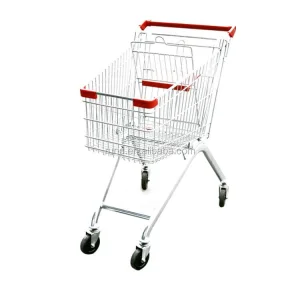
Durable Stainless Steel Herringbone Shopping Cart
Durable Stainless Steel Herringbone Shopping Cart Supermarket Trolley with Platform Structure
Technical Specifications
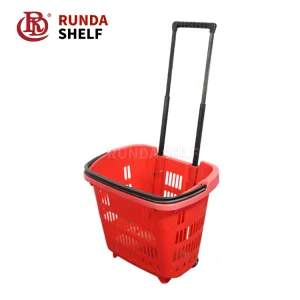
HB-08 Plastic Folding Wicker Shopping Basket
HB-08 Plastic Foldingl Wicker Shopping Basket with Wheels
Technical Specifications
RD-38 Popular Multi Case Rack
RD-38# Popular Multi-Case Rack Supermarket Shelves for Convenience Shops Yellow White Steel Metal for Store Display
Technical Specifications
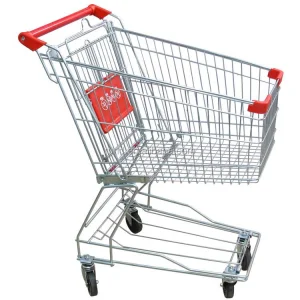
Supermarket Shopping Cart Trolley
Supermarket Shopping Cart Trolley Metal Serviceable Trolley Price
Technical Specifications
Best Double Sided Supermarket Rack
Best Double-Sided Supermarket Rack Adjustable Display Shelf Systems for Small Retail Stores
Technical Specifications
Convenience Store Display Shelves Wholesale
Convenience Store Display Shelves, Island Shelves, Perforated Shelves, Supermarket Shelves, Wholesale
Technical Specifications
Wholesale Customized Metal Crossbeam Shelves
Wholesale Customized Metal Adjustable Crossbeam Shelves Factory Direct Sales
Technical Specifications
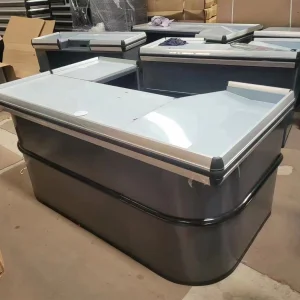
Colored Motorized Checkout Counter
New Design -Colored Motorized Checkout Counter for Supermarkets Powder Coating Finish Material
Technical Specifications
All Warehouse storage shelf Products