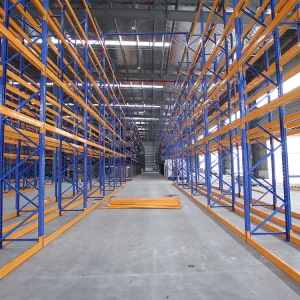
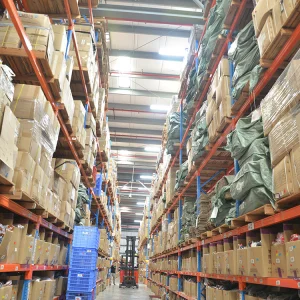
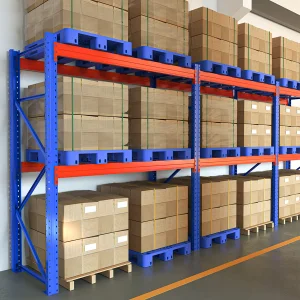
Engineered for high load-bearing capacities, elegant visual merchandising, and rapid structural assembly.
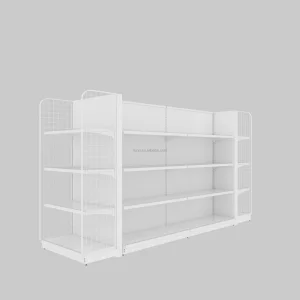
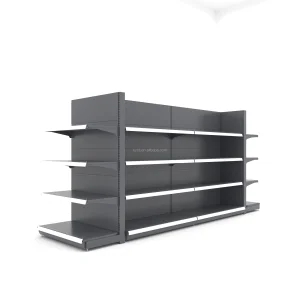
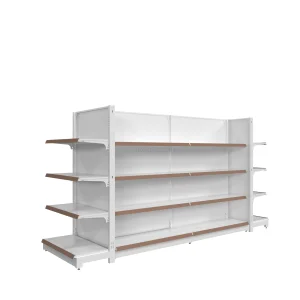
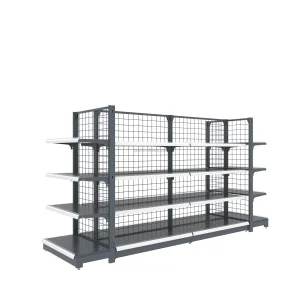
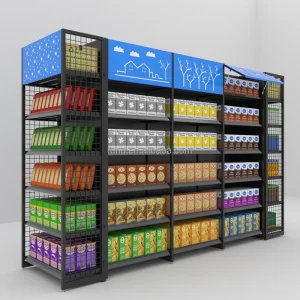
Analyzing the global market dynamics, architectural layouts, and strategic material choices of modern retail spaces.
Across today's global retail landscape, the configuration of physical stores is undergoing a paradigm shift. The rise of hybrid retail structures—combining brick-and-mortar storefronts with hyper-localized micro-fulfillment zones—has placed rigorous structural demands on commercial storage. Light supermarket shelves are no longer merely aesthetic backdrops; they serve as structural assets that must withstand high cyclic loads, rapid configuration changes, and harsh architectural footprints.
In North America and Western Europe, stricter commercial safety guidelines (such as the ANSI/MH16.1 specifications and EN Standards) require manufacturers to supply retail infrastructure verified by rigorous finite element analysis (FEA). As supermarket chains seek to optimize their square-foot revenue, the selection of raw materials, metal-gauge tolerances, and connection designs directly dictates operational efficiency.
The modern manufacturing landscape of commercial shelving utilizes high-tensile cold-rolled steel (SPCC) combined with eco-friendly thermoplastic coatings. By controlling the carbon composition and the mechanical properties of steel uprights and shelving planks, engineers can maximize load-to-weight ratios. This enables retailers to display heavier dry goods, hardware, and clothing inventories without incurring excessive structural weight, minimizing floor loading pressures and expediting store remodeling phases.
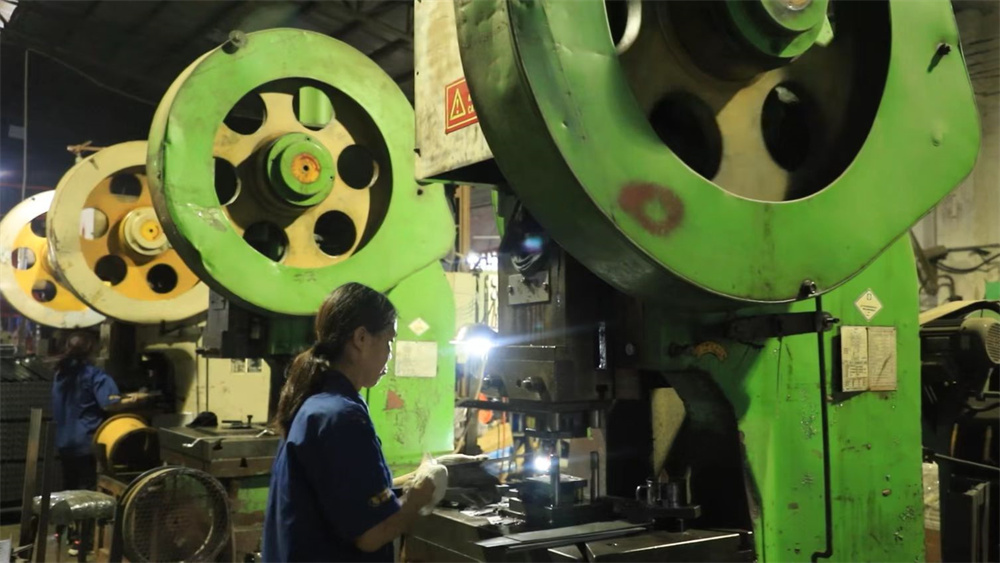
Our engineering processes integrate state-of-the-art sheet metal punch lines and continuous roll-forming systems. This ensures dimensional stability within strict geometric tolerances (±0.5mm), mitigating wobbles, deflection, and accidental shear failure in high-traffic commercial environments.
Established in 2015, Shenzhen Runda Racking Manufacturing Co., Ltd. stands as a premier manufacturer specializing in heavy-duty industrial shelving, modular light supermarket shelves, and high-density warehouse storage systems. With over 11 years of deep industry expertise and 9 years of active global export experience, we deliver tailored racking systems to logistics hubs, distribution centers, and tier-one retail plants worldwide.
Operating from a modern 35,000 square meter production facility, our manufacturing lines are powered by a robust supply chain network of over 1,200 trusted partners. This enables us to maintain structural material quality while achieving an annual export turnover of $28 million. Our primary markets span North America, Western Europe, Southeast Asia, and the Middle East, where we proudly serve industrial distributors, large-scale third-party logistics (3PL) operators, and direct enterprise retail buyers.
Quality and technical innovation drive our core philosophy. We maintain strict quality control through full-process sampling inspection, raw material stress testing, and load-bearing verification, backed by a dedicated team of 35 QC professionals. Innovation is led by our 18 experienced R&D engineers who continuously refine structural efficiency—releasing over 120 new and upgraded storage products last year alone.
We offer comprehensive OEM/ODM and full custom manufacturing services, including tailored load capacities, custom dimensions, corrosion-resistant powder coatings, and specialized seismic structural designs. Supported by our experienced international trade background, Shenzhen Runda provides seamless end-to-end service, from technical layout design to reliable global shipment execution.
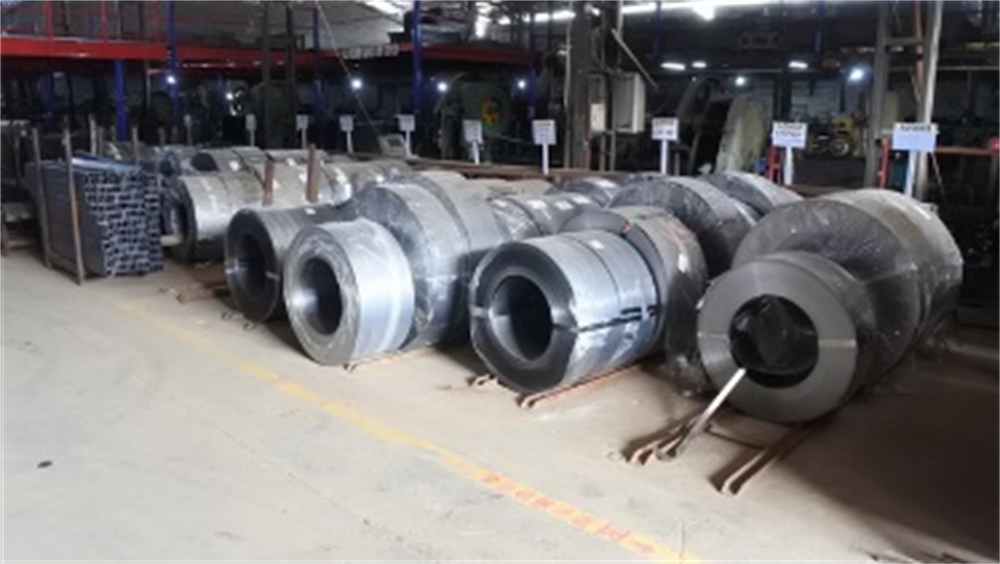
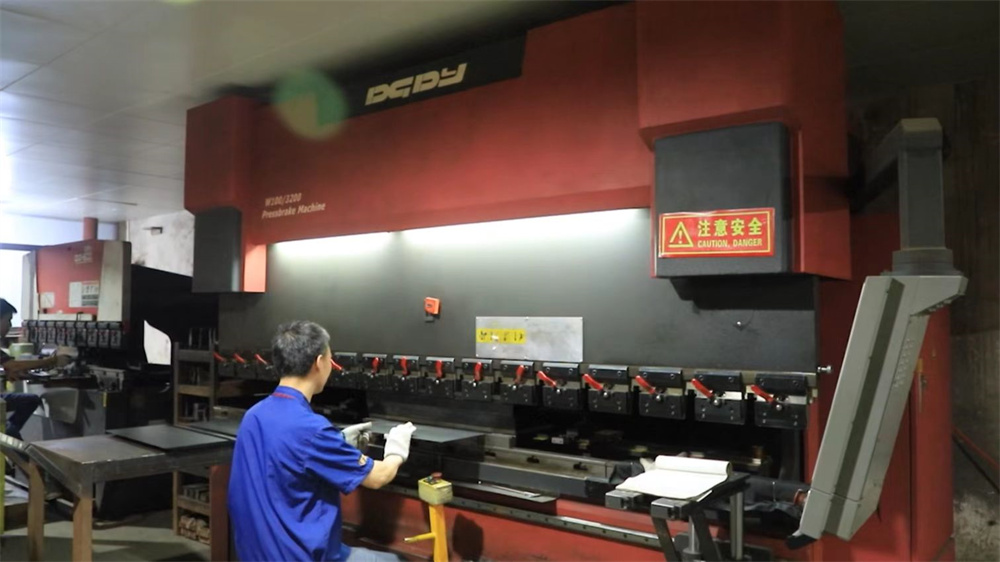
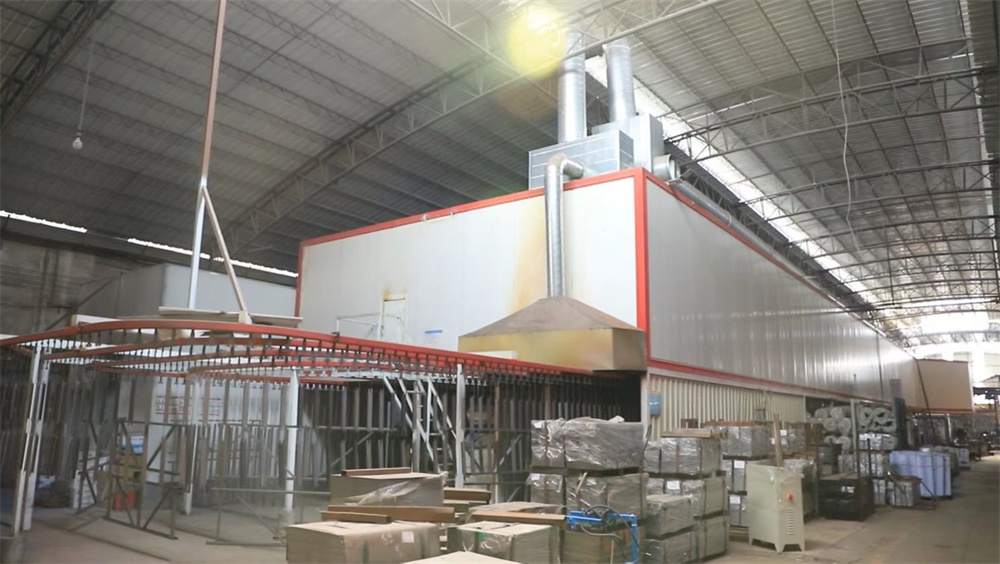
A comprehensive walkthrough of our manufacturing pipeline, highlighting raw material handling to computerized processing lines.
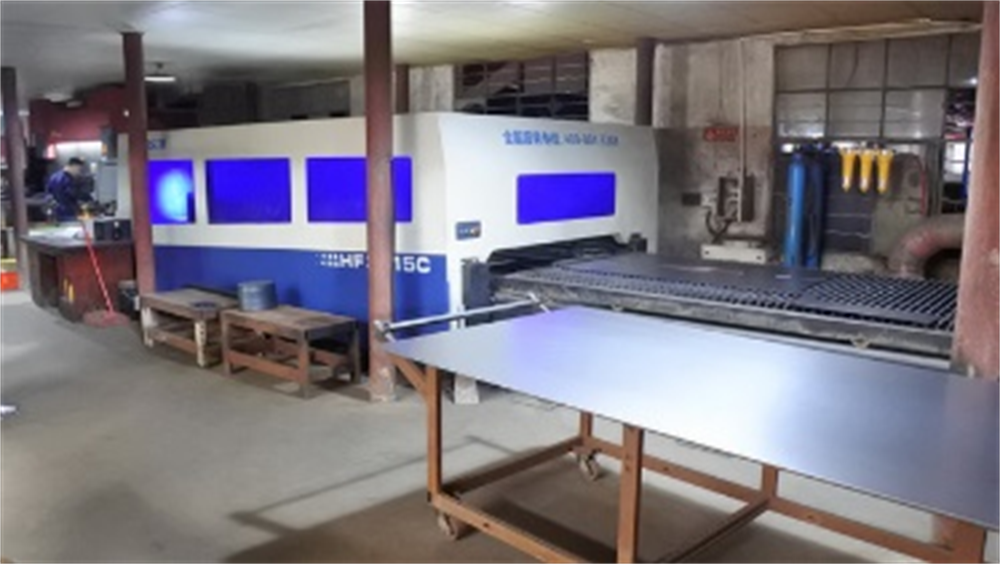
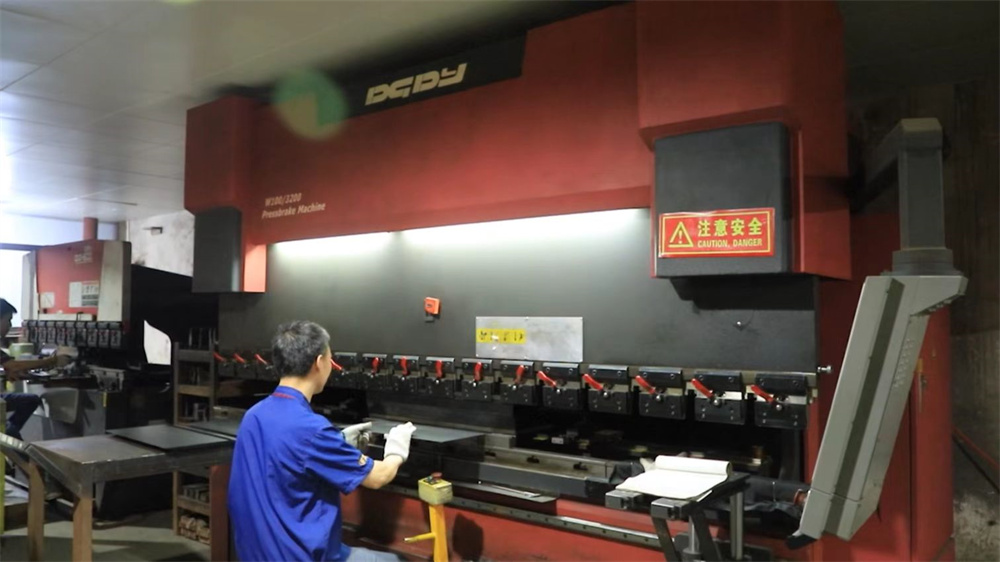
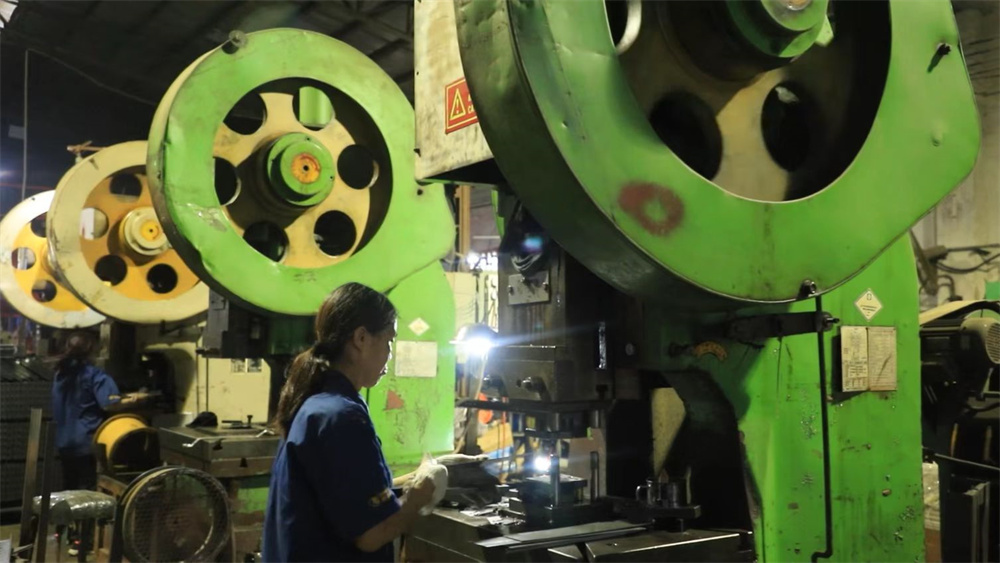
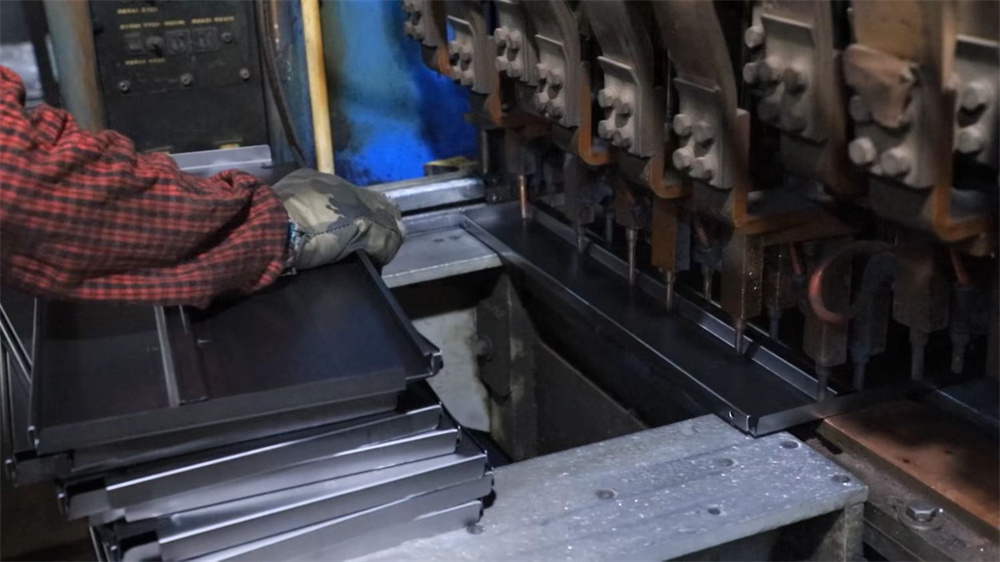
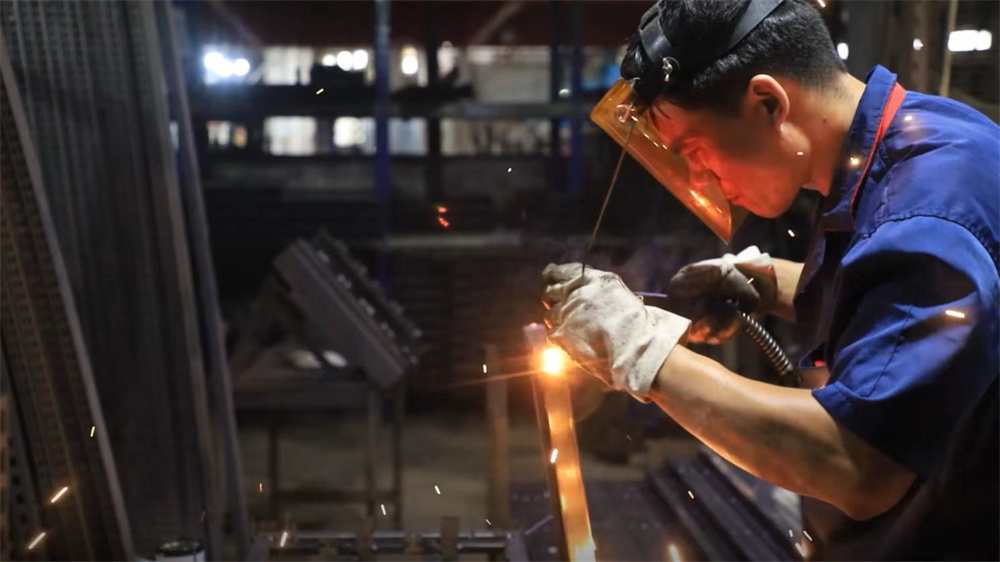
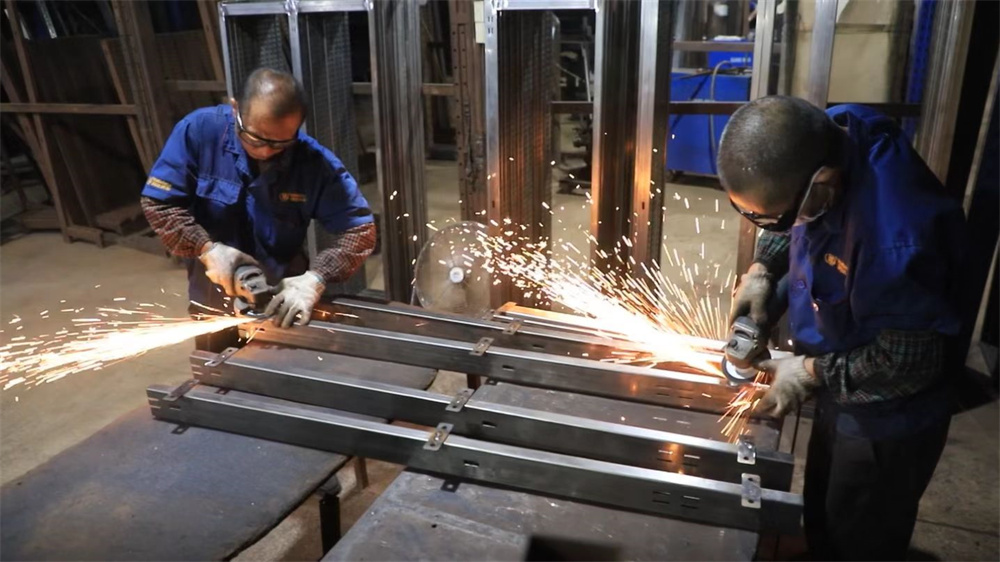
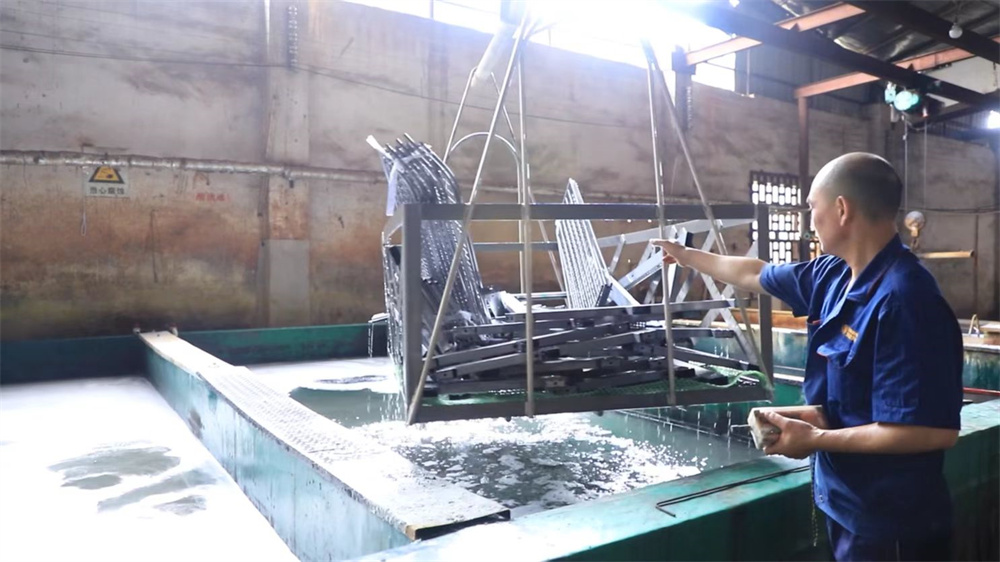
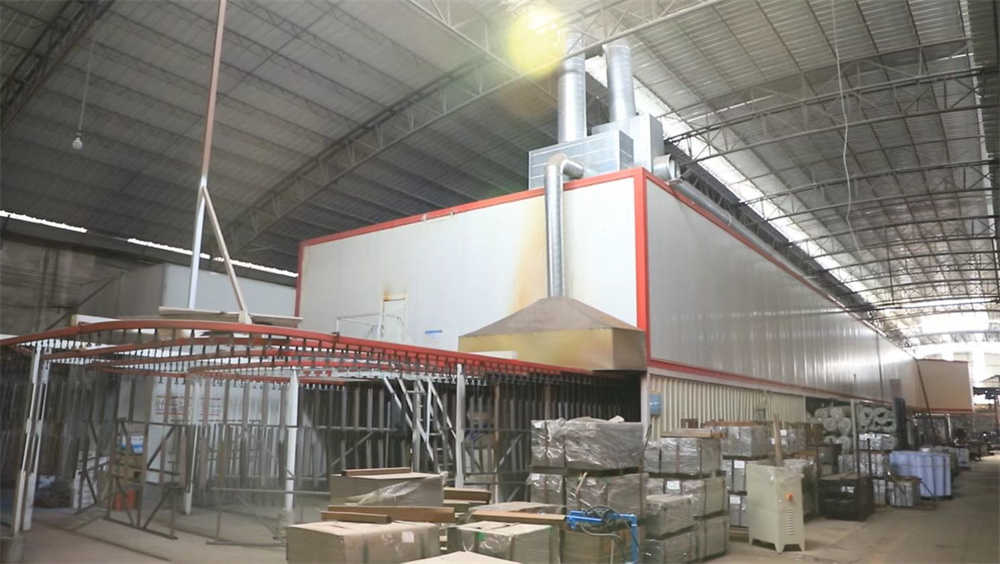
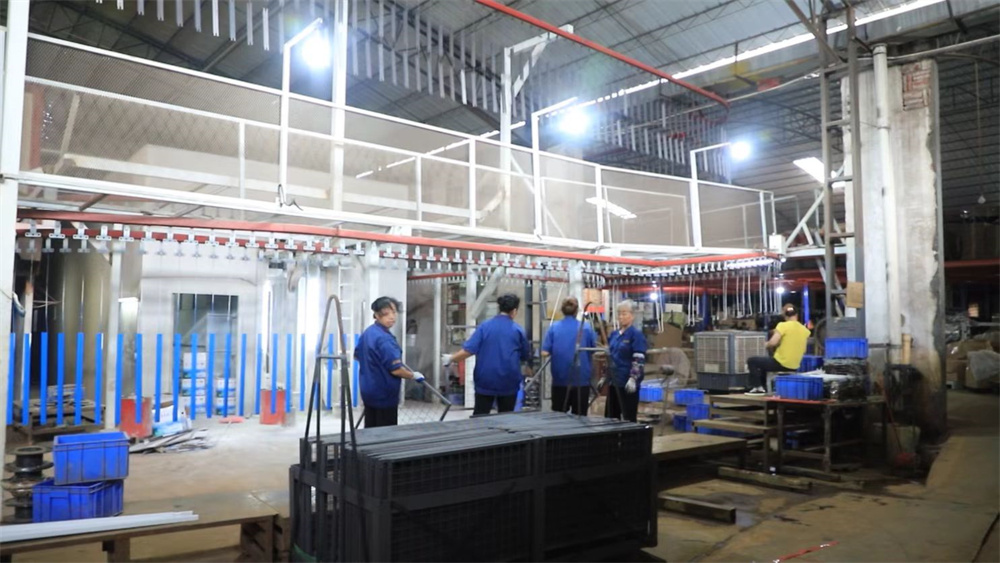
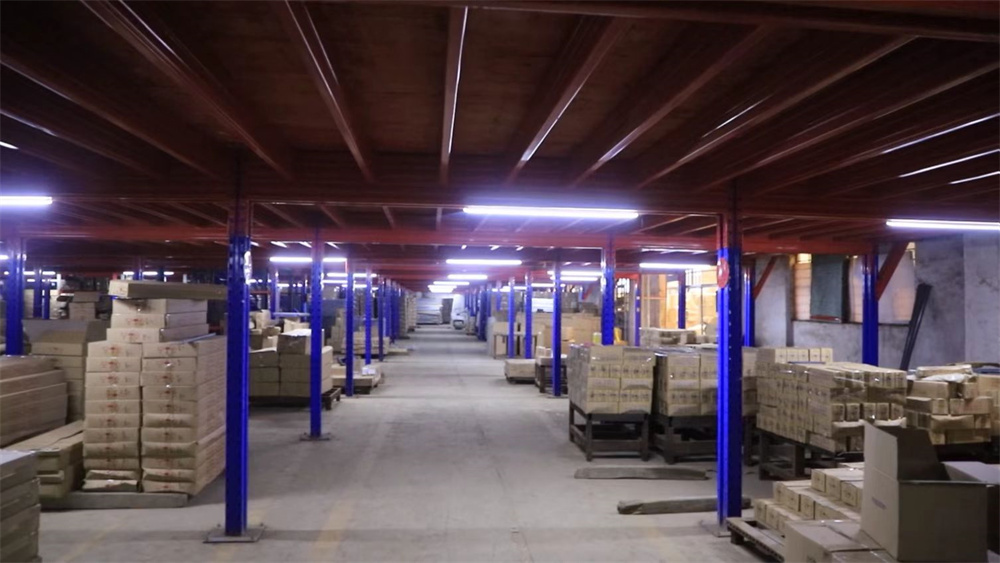
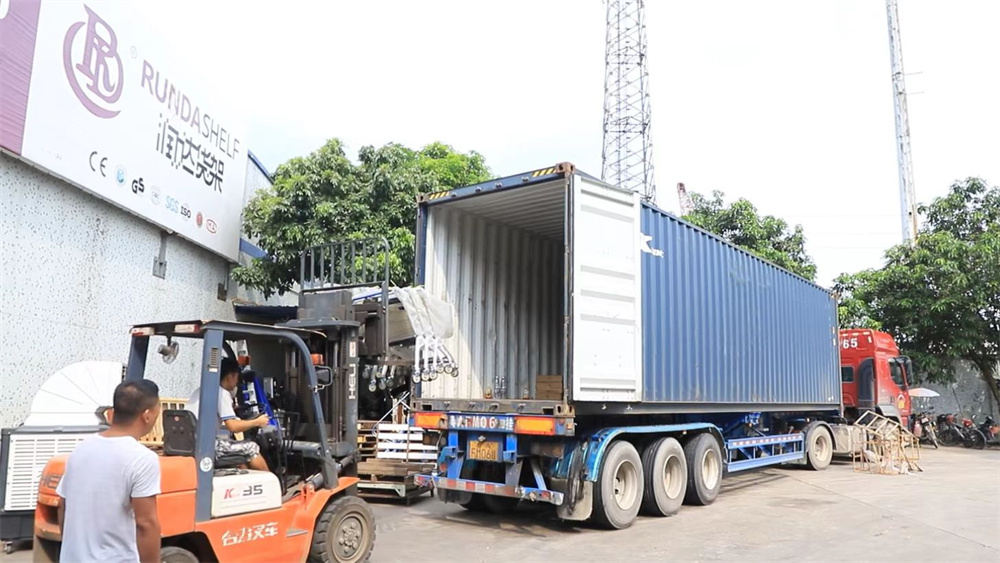
Utilizing high-performance capital equipment to deliver precision-guided engineering designs.
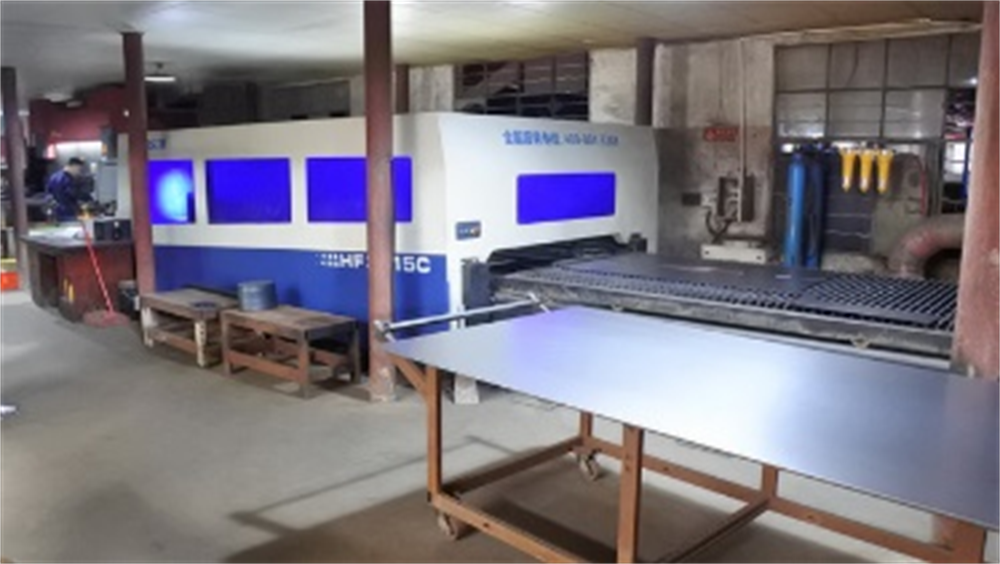
Why modern global retail enterprises choose Shenzhen Runda for high-volume structural metal manufacturing.
Our strategic location in Shenzhen embeds our operation directly within the world's most mature steel fabrication ecosystem. We maintain primary raw material partnerships that secure high-grade cold-rolled steel coils with minimal lead times. This regional integration cuts logistics friction, letting us adapt to large-scale order changes far faster than regional Western competitors.
By deploying automated continuous roll-forming lines, computerized punching centers, and state-of-the-art powder coating systems, we achieve consistent execution on every production run. Automation eliminates human assembly error, accelerates daily output capacity, and reduces per-unit costs, allowing us to pass significant structural savings back to our global partner network.
Operating close to the major shipping ports of Shenzhen and Hong Kong gives us direct routes to regional global hubs. Our experienced export team manages the customs compliance, container packing optimization, and marine transport tracking, ensuring your light supermarket shelves arrive on-site on schedule, damage-free, and ready for deployment.
Tailored shelving configurations optimized for unique commercial environments, consumer traffic patterns, and visual merchandizing goals.
High-end food retailers demand shelving systems that blend organic warmth with raw structural strength. By utilizing our wooden metal hybrid display racks, grocery operators can display heavy jars, fresh produce, and gourmet wines on wood-veneer paneled shelves. The modular steel framework hidden underneath provides reliable load-bearing support, preventing shelf deflection and ensuring long-term structural alignment.
In high-turnover retail environments, floor space utilization is key. Our double-sided wall-mounted and free-standing gondola systems maximize display density in central floor plans. With adjustable shelf heights and multi-angle brackets, store planners can match shelf profiles to the exact dimensions of packaged goods, minimizing empty vertical space and driving impulse purchases.
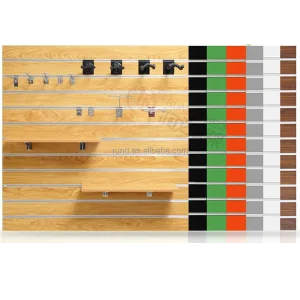
Modern apparel retailers need highly flexible configurations that adapt to seasonal changes. Our lightweight wall-mounted metal stands and slotted channel boards allow staff to swap display accessories in minutes—switching from hanging rods to flat shelves or faceouts. The clean powder-coated finishes protect the metal from paint chipping, maintaining a premium brand aesthetic under heavy daily use.
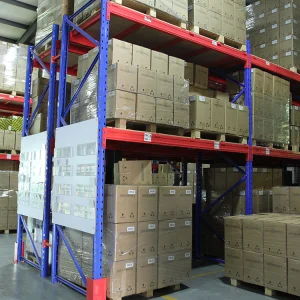
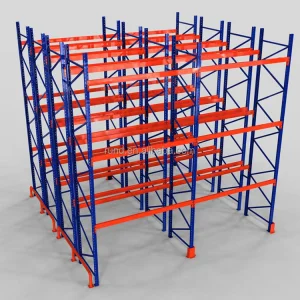
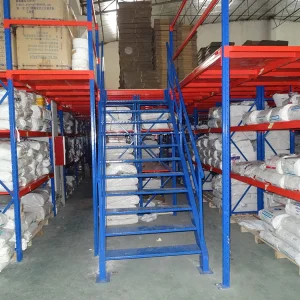
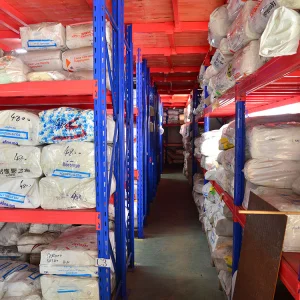
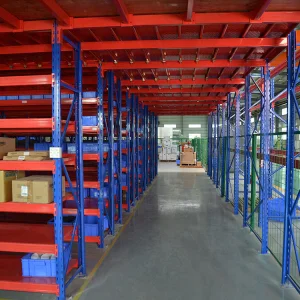
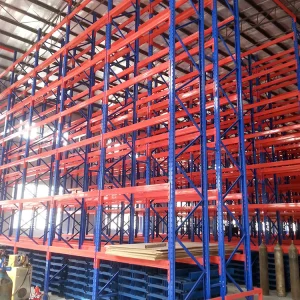
Efficient operations require seamless transitions between the sales floor and inventory storage. Our 5-layer heavy-duty steel warehouse racking systems (like the SATONG and Shibang series) handle bulk storage and heavy stackable bins. These crossbeam systems provide reliable, easy-access storage that ensures retail backrooms remain organized and replenishment-ready.
A comprehensive procurement guide for supply chain managers, warehouse directors, and commercial developers.
Always calculate your requirements based on Uniformly Distributed Load (UDL) ratings instead of peak center loads. Ensure your manufacturer provides third-party stress test reports indicating a minimum safety factor of 1.5 to prevent structural failure under unexpected product stacking.
Specify SPCC cold-rolled steel with consistent gauges for shelves (0.6mm to 0.8mm) and structural uprights (1.5mm to 2.0mm). Consistent material thickness is critical for ensuring stability and alignment across long, continuous shelving runs.
For grocery or cold storage environments, select electrostatic powder coating (60-80 microns thickness) or galvanized finishes. This ensures optimal corrosion resistance, scratch prevention, and simplifies washing and sanitation procedures.
Looking forward, the commercial shelving sector is evolving from passive metal structures to intelligent, adaptive systems. The primary trend is the integration of Electronic Shelf Labeling (ESL) channels and smart IoT sensor brackets directly into the front-rail profiles of light supermarket shelves. This allows retailers to automate dynamic pricing changes and integrate real-time inventory weight tracking without messy, aftermarket wiring setups.
Additionally, sustainable manufacturing processes are becoming a key requirement for global retail buyers. Procurement departments are prioritizing factories that utilize closed-loop powder recovery systems, eco-friendly metal pre-treatments, and recycled steel formulations. Shenzhen Runda continues to lead this green transition by integrating low-emission automatic painting lines and upgrading energy recovery systems across our 35,000 sqm plant.
Professional engineering and purchasing insights to assist in your procurement decision-making.
Light supermarket shelves are designed to support uniformly distributed loads (UDL) of 50kg to 150kg per shelf level, making them ideal for standard grocery, pharmaceutical, and apparel displays. Heavy-duty shelves and warehouse pallet racks support 280kg up to 3000kg per layer, utilizing thick-gauge structural uprights, safety locking pins, and crossbeams designed to support loaded wooden or plastic pallets.
Standard commercial shelving uses a 60 to 80-micron thick electrostatic powder coat layer. This protective barrier shields the underlying steel from moisture, humidity, and minor collisions from shopping carts. High-humidity environments, like cold storage or coastal retail stores, benefit from pre-galvanization or zinc-rich primer basecoats to prevent rust creep under the finish.
Yes, our R&D department provides full engineering services for custom dimensioning, unique upright pitches, and custom color matching using standard RAL codes. We can also integrate wood-veneer paneling, custom LED channels, and specialized signage headers to align your displays with your brand's design language.
To minimize shipping costs, our shelving systems feature a fully knock-down (KD) structure. Uprights, base legs, brackets, and planks are flat-packed to maximize container loading density. This design dramatically lowers shipping volumes, allowing us to fit more product per container and reduce ocean freight costs per unit.
Our quality control protocols span the entire manufacturing process. First, raw steel is tested for tensile strength and thickness tolerances. Next, we run automated inspections on all punching and bending operations, followed by load-deflection verification on random batch samples. Finally, we run adhesion cross-hatch tests on the powder coat finish to ensure it resists peeling and cracking under impact.
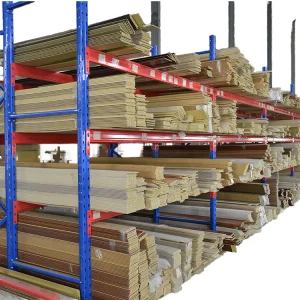
High-capacity storage solutions engineered for logistics hubs, manufacturing backrooms, and industrial yards.
 Runda Racking