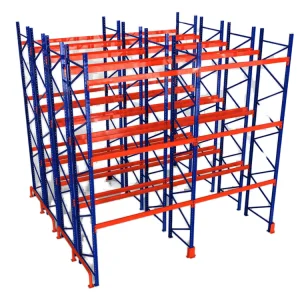
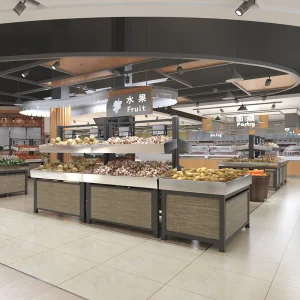
Engineered for immediate configuration, optimized for space utility, and validated for maximum load-bearing capacities.
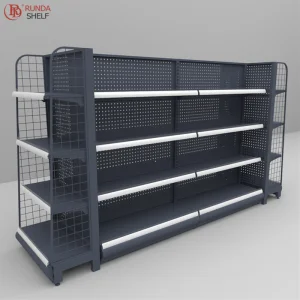
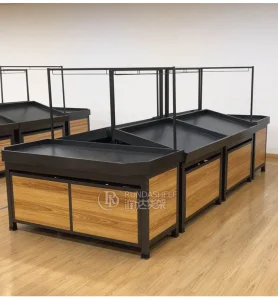
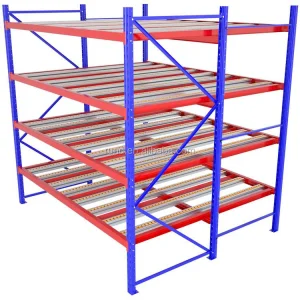
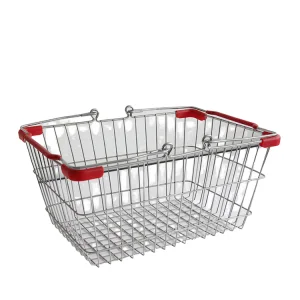
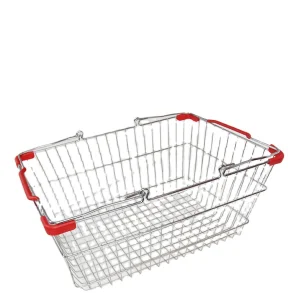
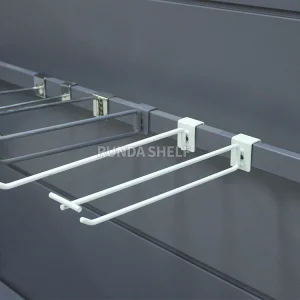
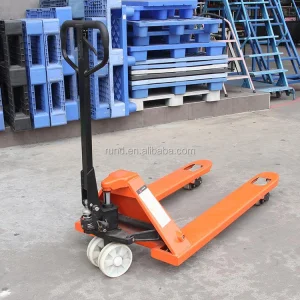
Modern supply chain performance relies heavily on optimized physical footprints. In an era dominated by high-density warehousing, third-party logistics (3PL) centers, and micro-fulfillment architectures, the selection of heavy-duty industrial shelving and smart commercial merchandising displays directly impacts operational throughput. Storage infrastructure is no longer static steel; it is a critical component of dynamic logistical velocity.
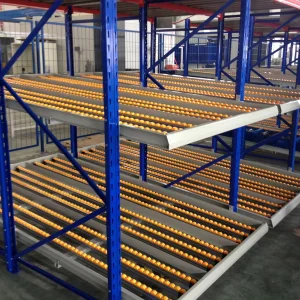
Global logistics hubs face the challenge of rising land costs, driving demand for structural systems that maximize vertical cubic space. From high-capacity selective pallet racking to specialized carton flow configurations, our systems incorporate advanced structural design principles to guarantee structural safety, durability, and high load capacities. By integrating high-yield Q235B structural carbon steel and automated engineering tolerances, our products provide the reliability required for modern high-velocity distribution centers.
Every beam profile undergoes rigorous Finite Element Analysis (FEA) testing to prevent elastic deformation under extreme load configurations, ensuring compliance with ANSI/MH16.1 specifications.
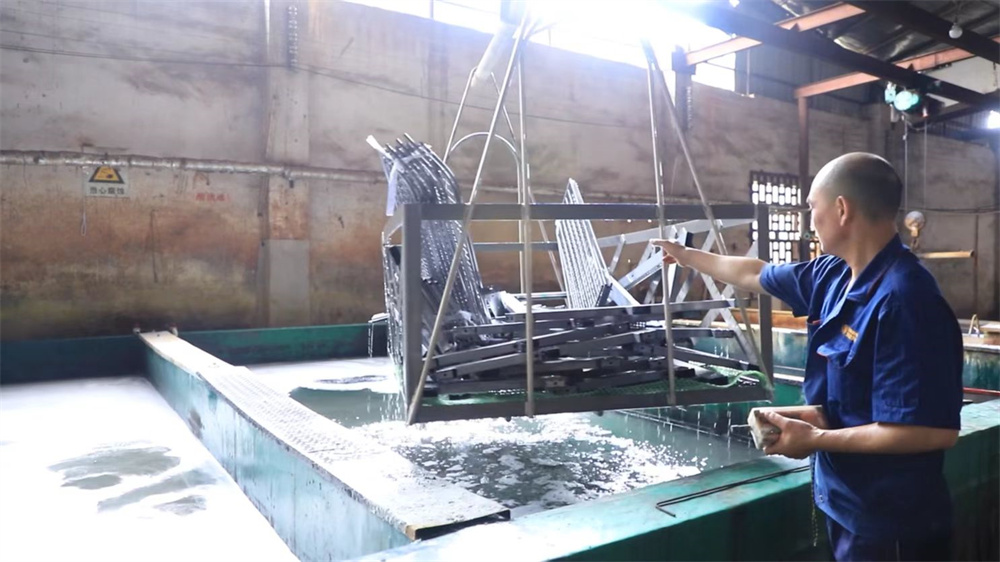
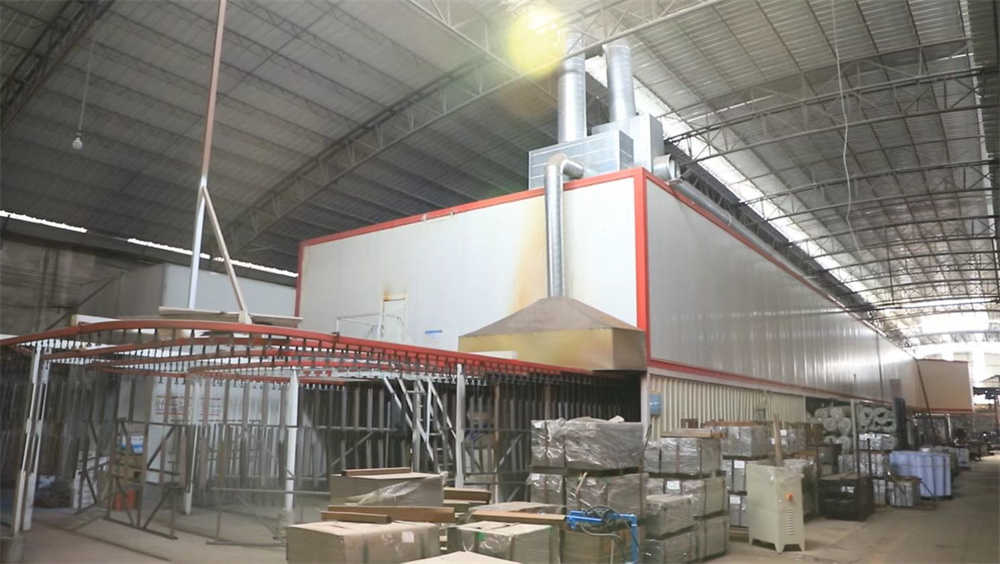
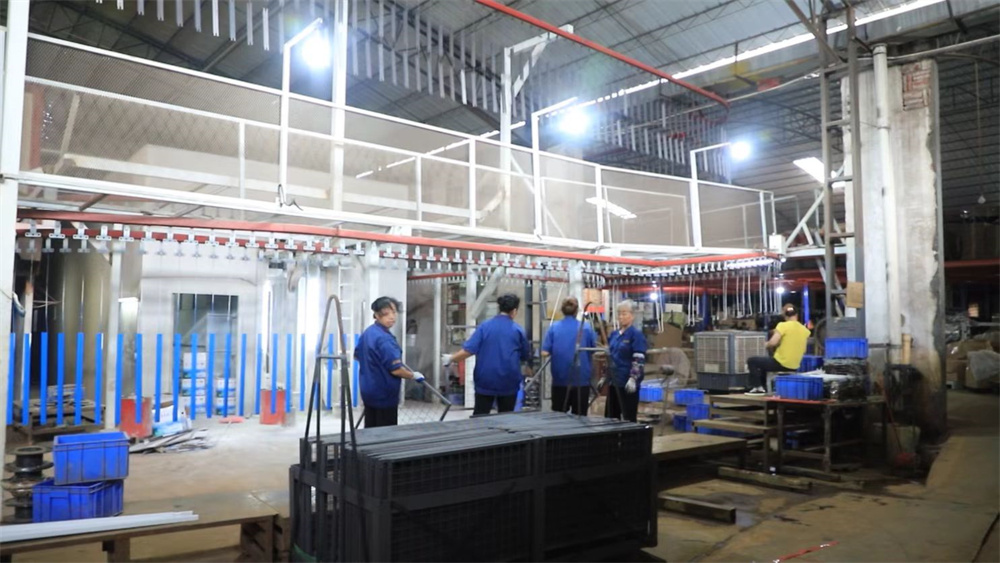
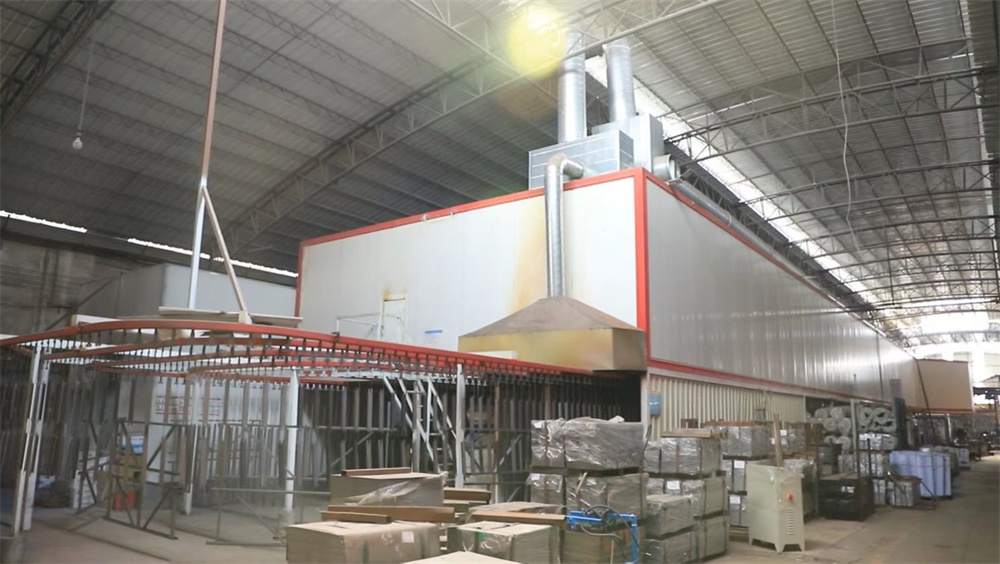
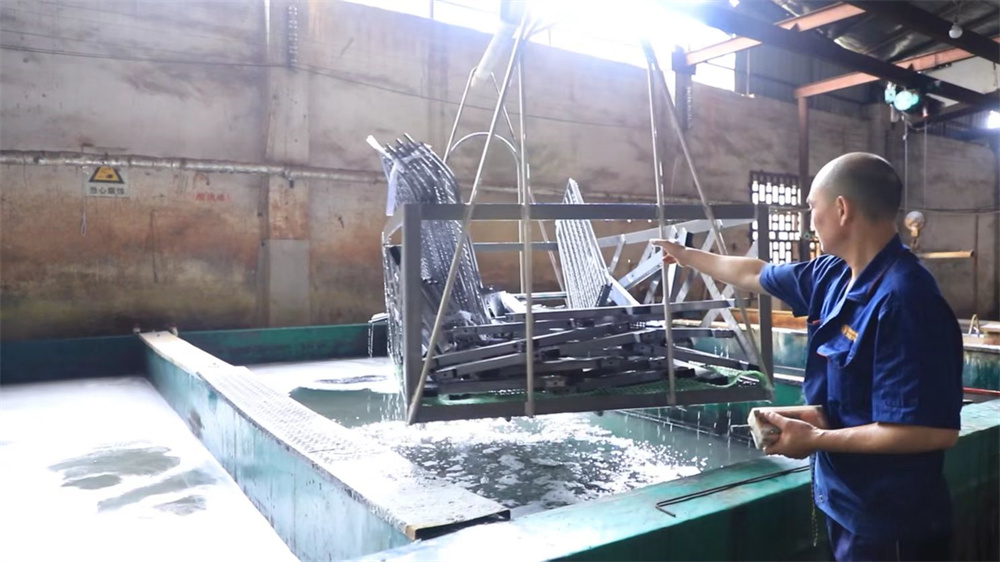
Our multi-stage electrostatic thermosetting powder coatings protect against environmental moisture, industrial solvents, and continuous mechanical friction, maximizing product lifecycles.
Shenzhen Runda Racking Manufacturing Co., Ltd. is a leading global manufacturer specializing in heavy-duty industrial shelving, modular retail displays, and high-density warehouse storage systems.
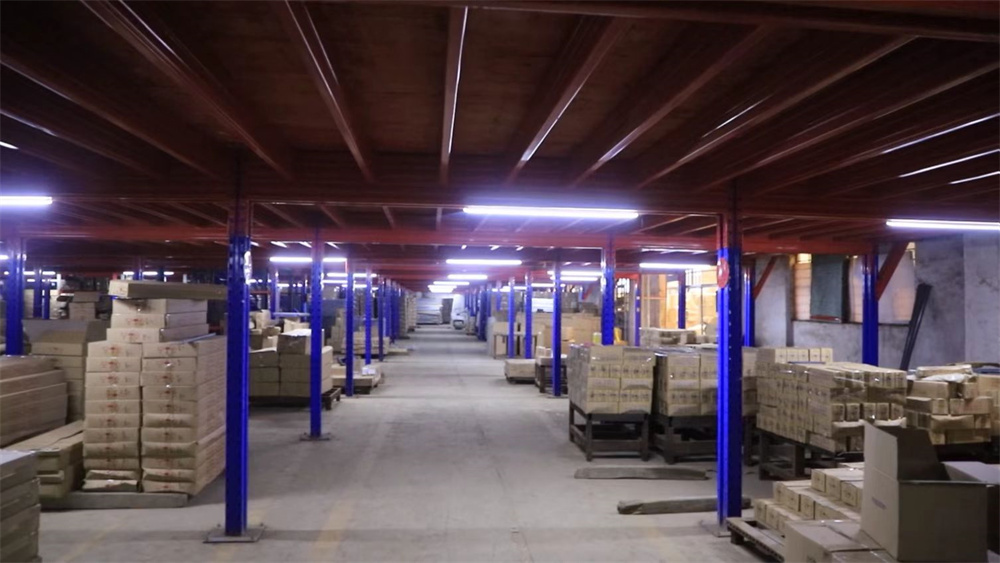
Operating from our modern 35,000 square meter manufacturing base in Shenzhen, we utilize a robust supplier ecosystem to process over 100,000 tons of high-grade structural steel annually. Our quality assurance system features a dedicated team of 35 QC professionals who execute full-process sampling inspections, raw material chemical composition analyses, tension profiling, and destructive load-bearing tests on critical structural nodes.
Innovation is driven by our team of 18 structural R&D engineers. Utilizing advanced CAD modeling and Finite Element Method (FEM) analysis software, we continuously refine structural performance. In the past fiscal year alone, we developed over 120 new or upgraded storage system variants, keeping our customers aligned with evolving international warehousing standards.
To support global supply chains, Shenzhen Runda provides comprehensive OEM/ODM and full custom fabrication services. We handle specialized custom configurations, including custom seismic load designs, custom vertical frame profiles, anti-collapse wire mesh decking integrations, and custom dimensions. From initial layout design using technical 3D modeling software to international logistics clearance, we offer seamless end-to-end B2B supply solutions.
The concentration of global steel production and precision metal fabrication in China's industrial clusters provides distinct cost, volume, and quality advantages. Shenzhen Runda leverages this ecosystem, sourcing premium steel directly from state-owned enterprises like Baosteel and Ansteel. This direct sourcing ensures consistent metallurgy, predictable yield strength values, and reliable weldability compared to secondary market steel suppliers.
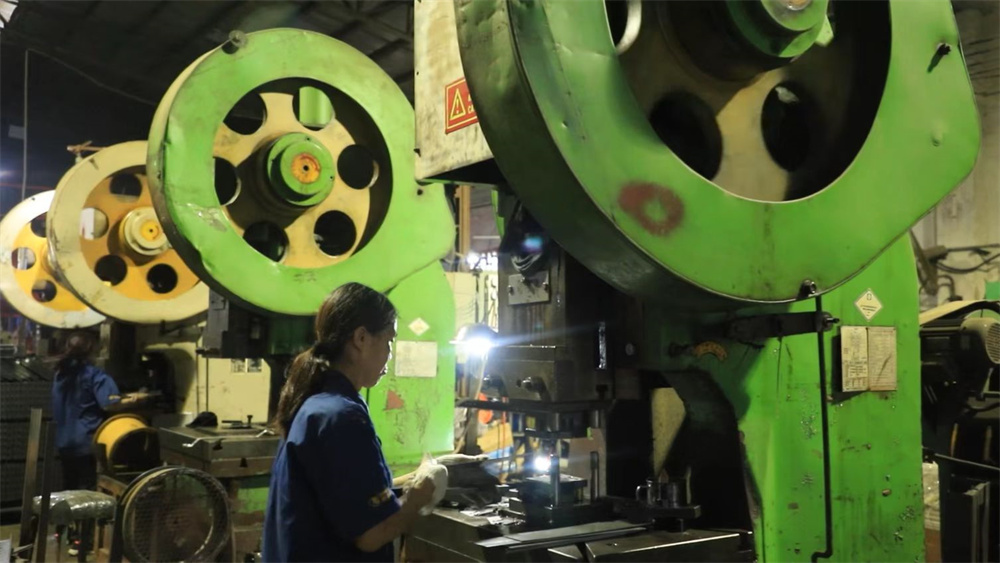
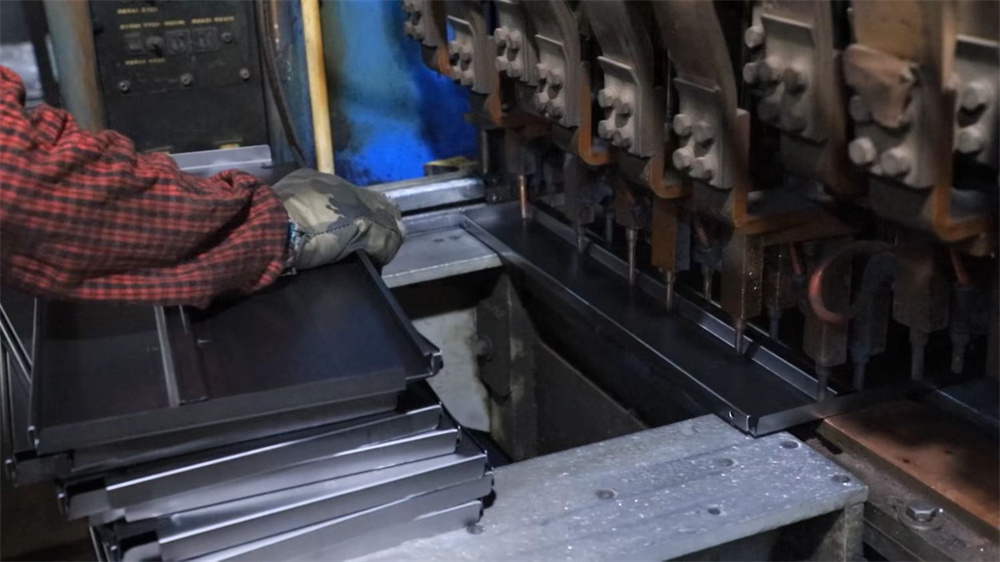
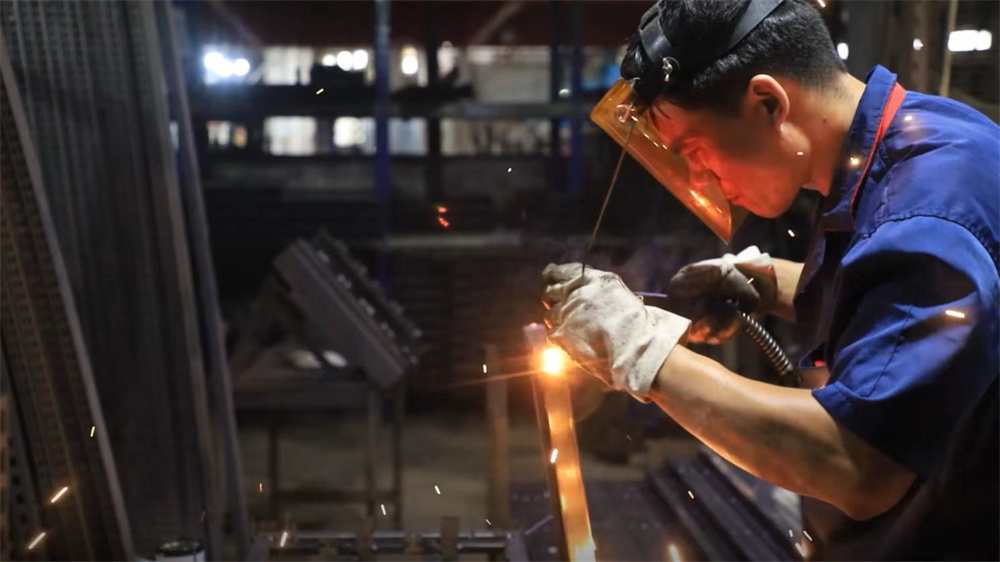
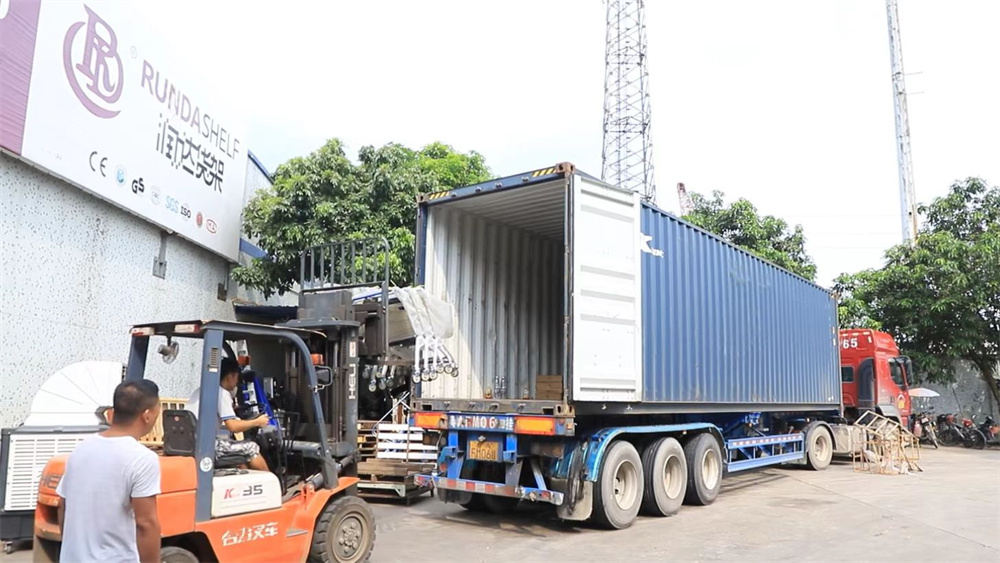
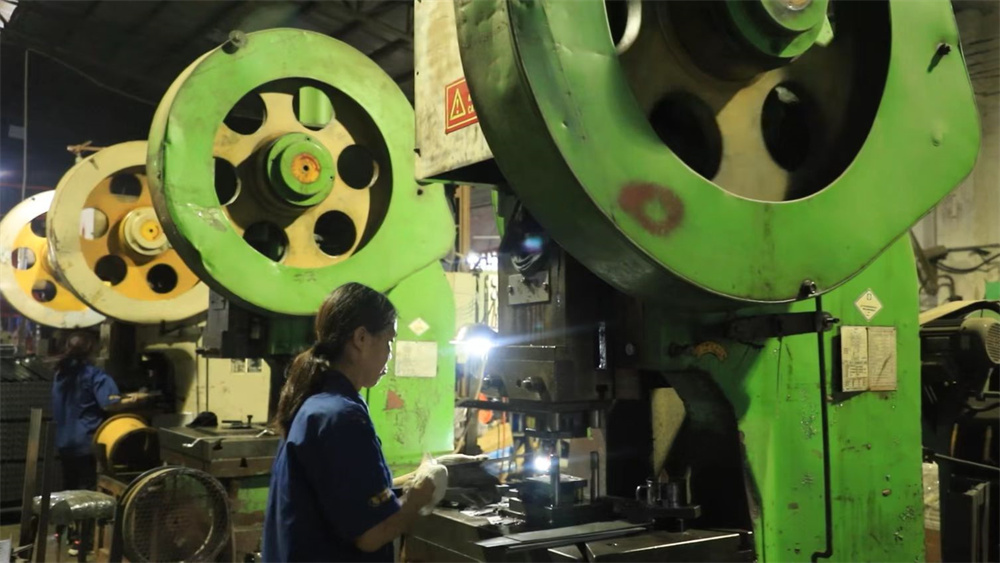
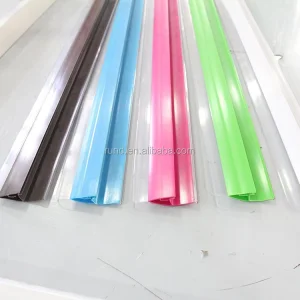
Our localized supply ecosystem spans over 1,200 specialized suppliers of fasteners, polymers, plastic tags, and electronic components, enabling us to respond quickly to market changes. During global freight fluctuations, this deep integration keeps our production lead times stable. By utilizing high-volume automated rolling mills, CNC punch lines, and robotic welding stations, we reduce unit manufacturing costs while maintaining high quality standards. B2B buyers benefit from direct factory pricing, high dimensional accuracy, and scalable production capacity.
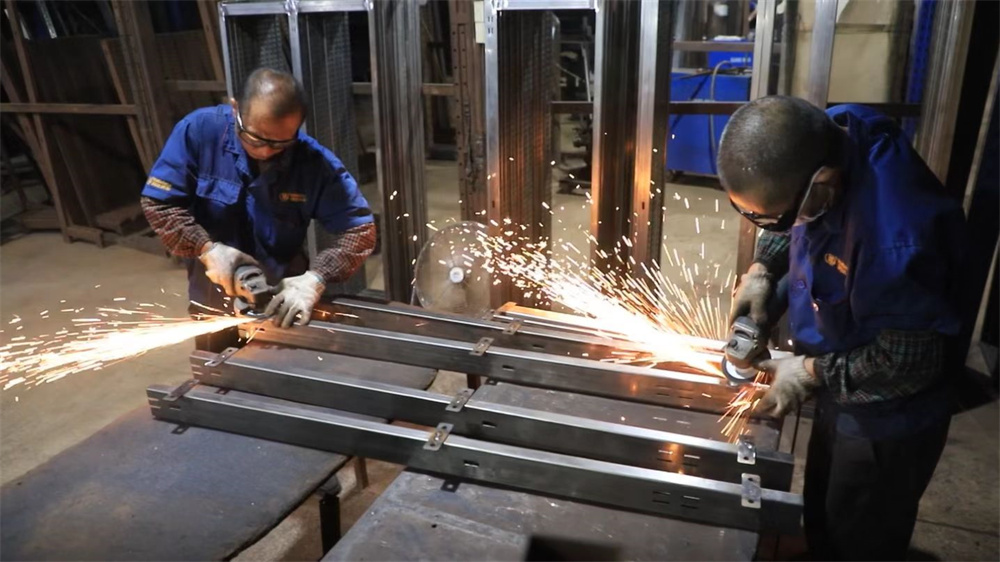
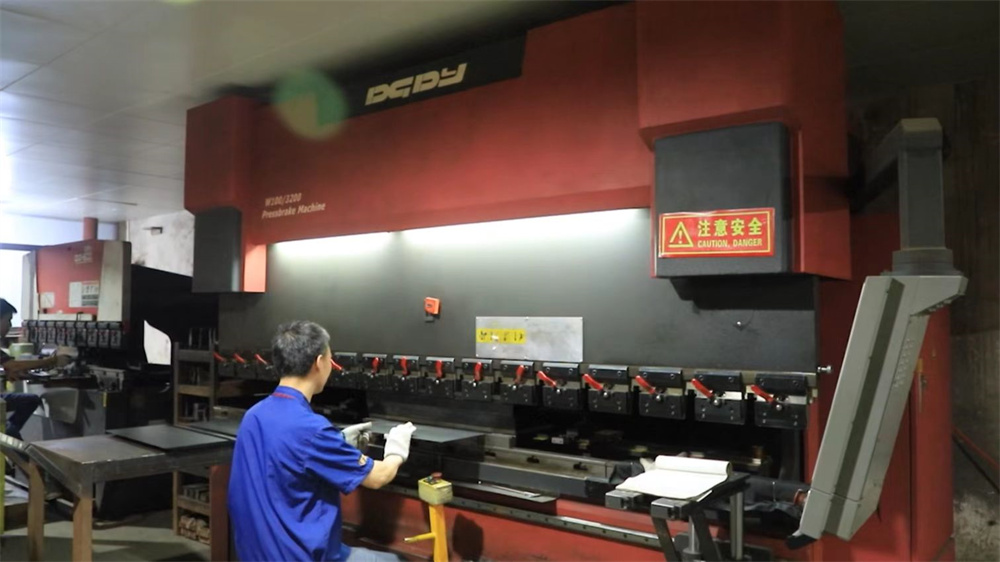
Our end-to-end production workflow integrates automated CNC machining, robotic structural welding, and advanced powder coating systems to deliver high dimensional accuracy and durability.
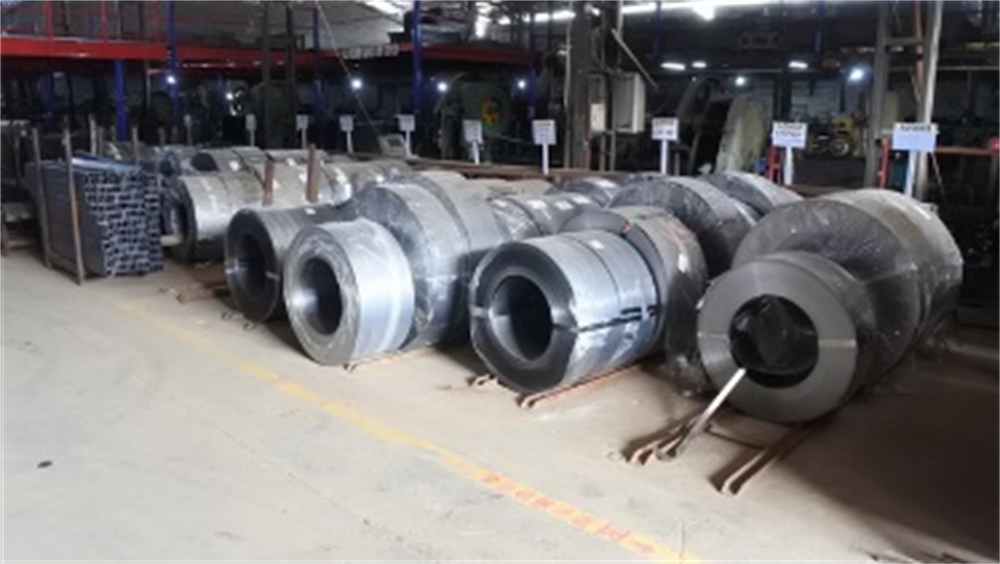
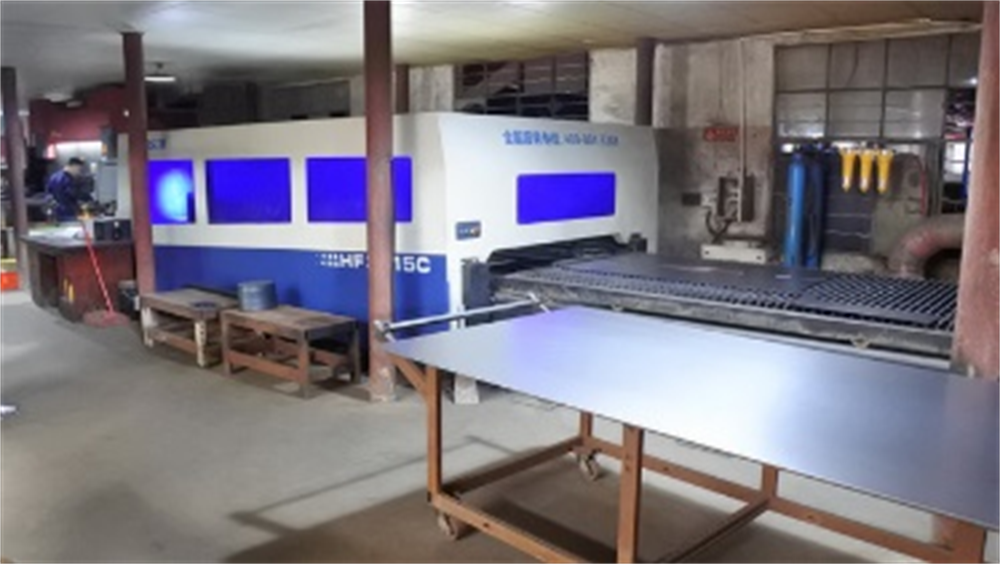
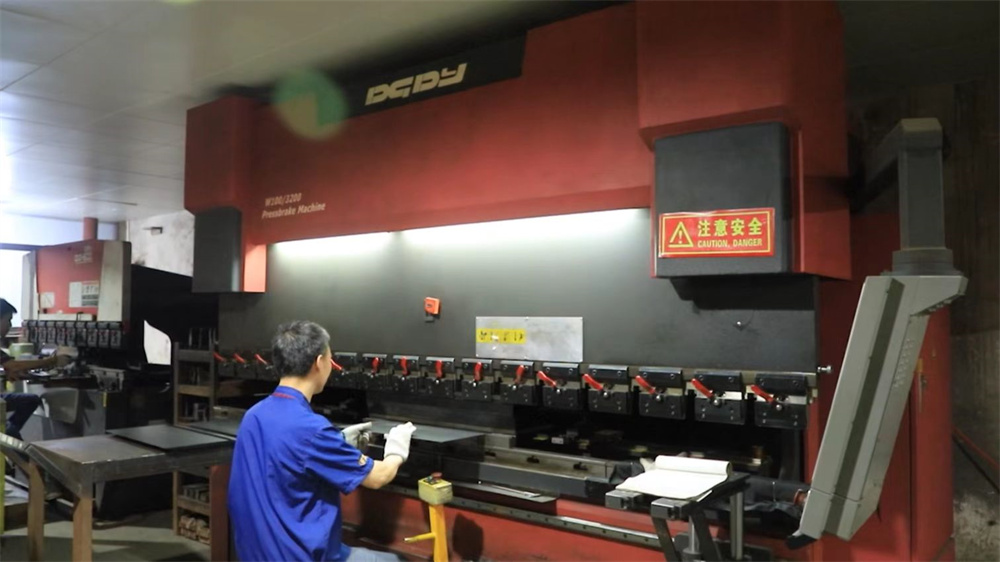
The warehouse racking industry is moving toward greater integration with automated systems. Static shelving is transitioning to dynamic, shuttle-ready structures. Our R&D team focuses on reducing frame weight while maintaining load capacity, using advanced high-strength low-alloy (HSLA) steel profiles like Q355. This weight reduction lowers shipping costs, eases installation, and maintains structural safety.
Additionally, we design our systems to integrate with automated storage and retrieval systems (AS/RS). This requires maintaining tight tolerances of ±0.5mm across vertical frames and beam levels. Our manufacturing processes utilize laser-guided coordinate alignment to meet the precision requirements of robotic shuttle vehicles and high-speed cranes.
Exporting to markets in North America, Western Europe, Southeast Asia, and the Middle East requires compliance with local structural standards. Shenzhen Runda manufactures systems to satisfy regulatory requirements, including the US Rack Manufacturers Institute (RMI) standard, European FEM 10.2.02 codes for industrial steel storage, and Australian Standard AS4084.
For installations in seismic areas, we design our rack structures with heavy-duty baseplates, cross-bracing systems, and certified high-strength anchor bolts to absorb dynamic forces. Through our global distribution network, we offer layout design services, structural load certification documentation, and on-site assembly guides to simplify local installation and building approval processes.
Detailed answers regarding material properties, load calculations, custom manufacturing, and global logistical support.
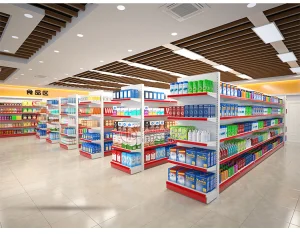
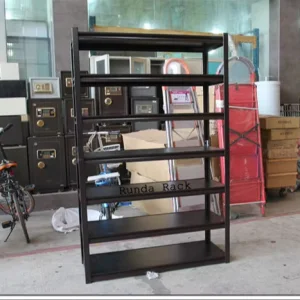
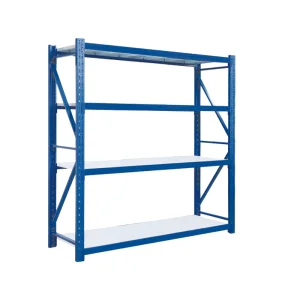
Specialized and high-capacity storage designs, dynamic display modules, and warehouse support components.
 Runda Racking