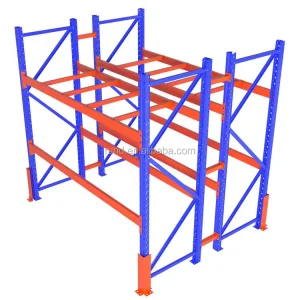
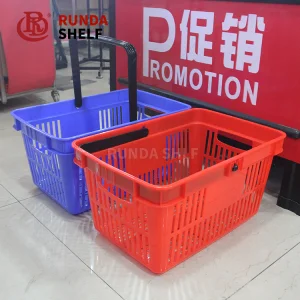
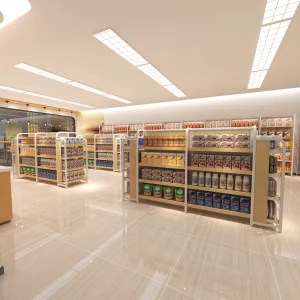
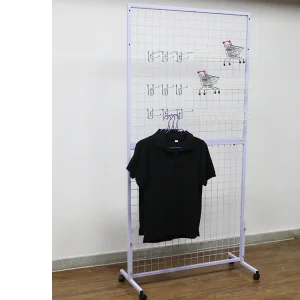
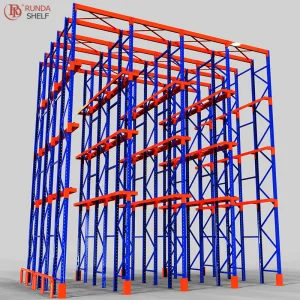
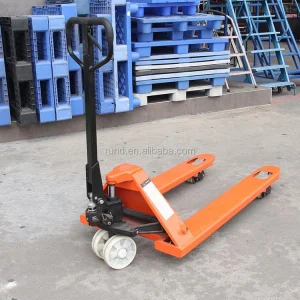
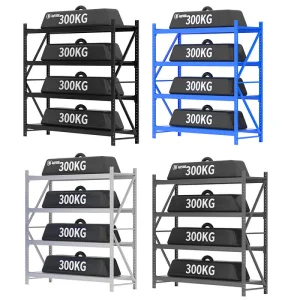
Explore our primary array of heavy-duty and commercial-grade storage systems designed for global enterprise requirements.
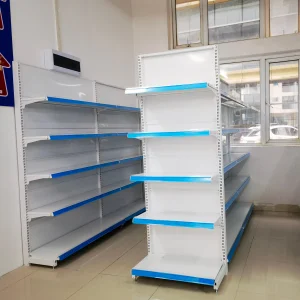
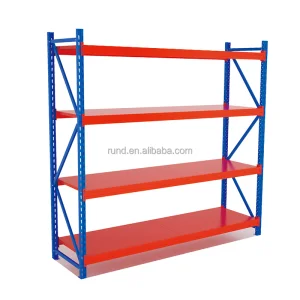
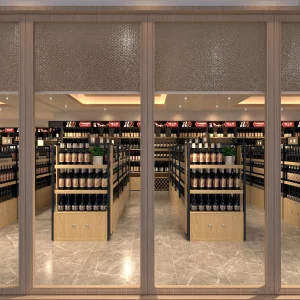
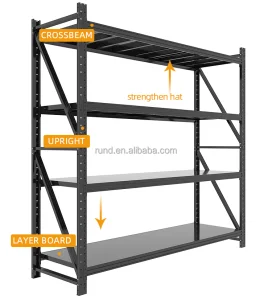
In the modern global supply chain landscape, space optimization has transformed from a structural operational goal into a core competitive strategy. Real estate inflation, soaring logistics costs, and the rapid expansion of high-throughput distribution channels have forced industrial operators, third-party logistics (3PL) providers, and retail giants to rethink footprint productivity. Static storage, with its rigid aisles and fixed footprints, frequently fails to deliver the flexibility or storage density demanded by contemporary logistics hubs.
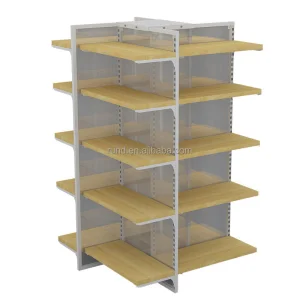
This technical whitepaper examines the global ecosystem of Mobile Storage Units Factories & Suppliers, detailing design standards, metallurgical configurations, and material processing systems. From heavy-duty dynamic pallet racking in logistics facilities to double-sided steel shelving systems in retail environments, mobile storage technology reduces non-productive aisle footprints by up to 50%, virtually doubling pallet capacity within the same physical boundaries.
"High-density mobile systems represent a paradigm shift in space utilization. By eliminating static aisles and implementing automated or manual mobilised bases, companies can convert non-productive transit corridors into functional, high-capacity inventory cells."
Industrial land valuations in primary transit hubs (e.g., Rotterdam, Los Angeles, Singapore) have climbed steadily. To stay competitive, operations must scale vertically and dynamically rather than horizontally. Heavy-duty mobile structures and multi-level mezzanine racks capitalize on total cubic volume, reducing structural overheads.
Refrigerated and blast-freezer warehouses present high per-square-meter utility expenses. By using dense mobilised pallet racks, cold-chain operators reduce the total volume requiring cooling, achieving immediate, measurable drops in daily power consumption and long-term carbon output.
E-commerce integration requires warehouses to manage broad, volatile SKU portfolios. Adjustable multi-level steel shelving systems allow quick configuration updates to accommodate changing batch sizes, packaging formats, and seasonal distribution requirements.
Established in 2015, Shenzhen Runda Racking Manufacturing Co., Ltd. is a premier manufacturer specializing in heavy-duty industrial shelving and high-density warehouse storage solutions. With over 11 years of deep industry expertise and 9 years of active global export experience, we deliver tailored racking systems to logistics hubs, distribution centers, and manufacturing plants worldwide.
Operating from a modern 35,000 square meter production facility, our operations are powered by a robust network of over 1,200 trusted supply chain partners. This enables us to achieve an annual export turnover of $28 million. Our primary markets span North America, Western Europe, Southeast Asia, and the Middle East, where we proudly serve industrial distributors, large-scale third-party logistics (3PL) operators, and direct enterprise buyers.
Quality and innovation drive our core philosophy. We maintain strict quality control through full-process sampling inspection, raw material stress testing, and load-bearing verification, backed by a dedicated team of 35 QC professionals. Innovation is led by our 18 experienced R&D engineers who continuously refine structural efficiency—releasing over 120 new and upgraded storage products last year alone.
We offer comprehensive OEM/ODM and full custom manufacturing services, including tailored load capacities, custom dimensions, corrosion-resistant powder coatings, and specialized seismic structural designs. Supported by our experienced international trade background, Shenzhen Runda provides seamless end-to-end service, from technical layout design to reliable global shipment execution.
Explore how raw structural steel is transformed into precision-engineered, high-capacity mobile storage components through our state-of-the-art machinery lines.
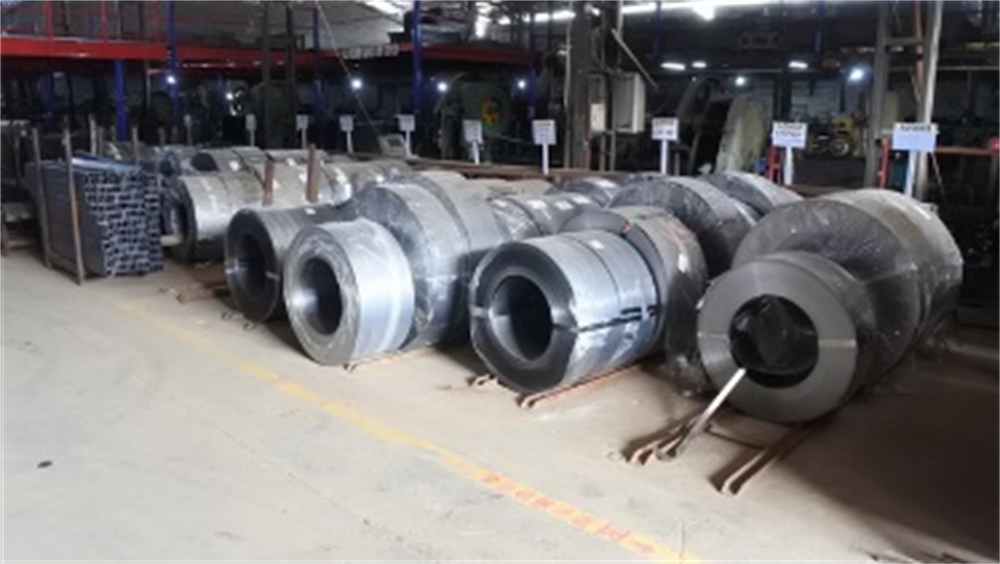
High-strength Q235B/Q345B carbon steel coils undergo strict chemical composition verification and ultrasonic gauge testing before processing.
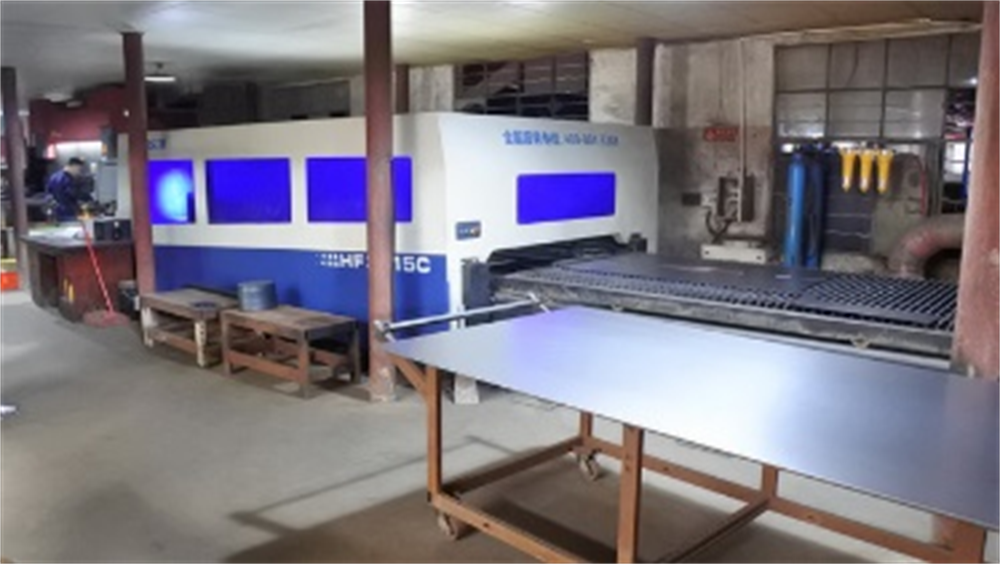
High-power CNC fiber laser cutters cut structural sections and dynamic connection brackets, achieving tolerances within ±0.1mm.
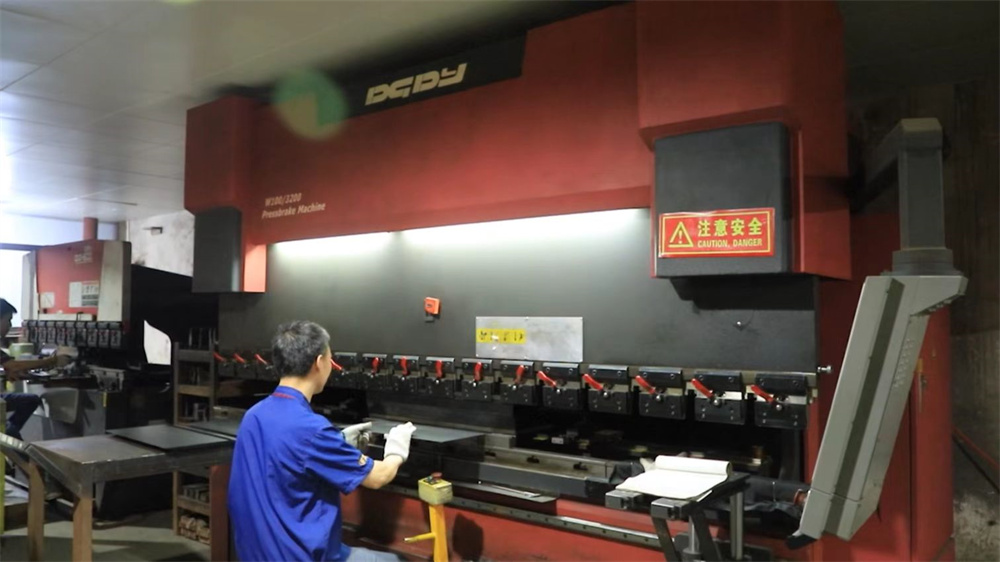
Hydraulic CNC press brakes fold sheet metal panels into load-bearing shelf surfaces, reinforcing edge structures.
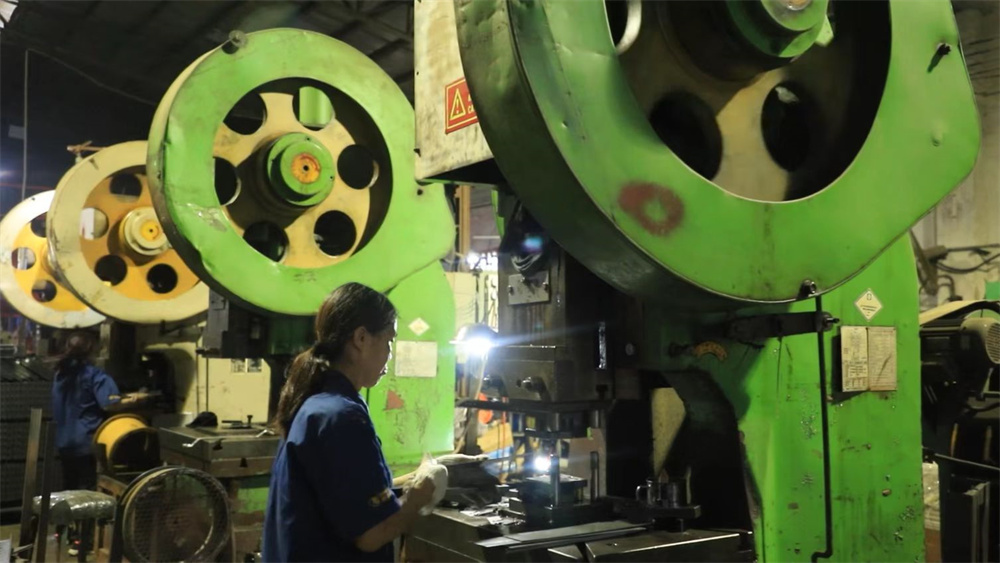
Automated punching machines shape connection points along the upright columns, maintaining consistent hole spacing.
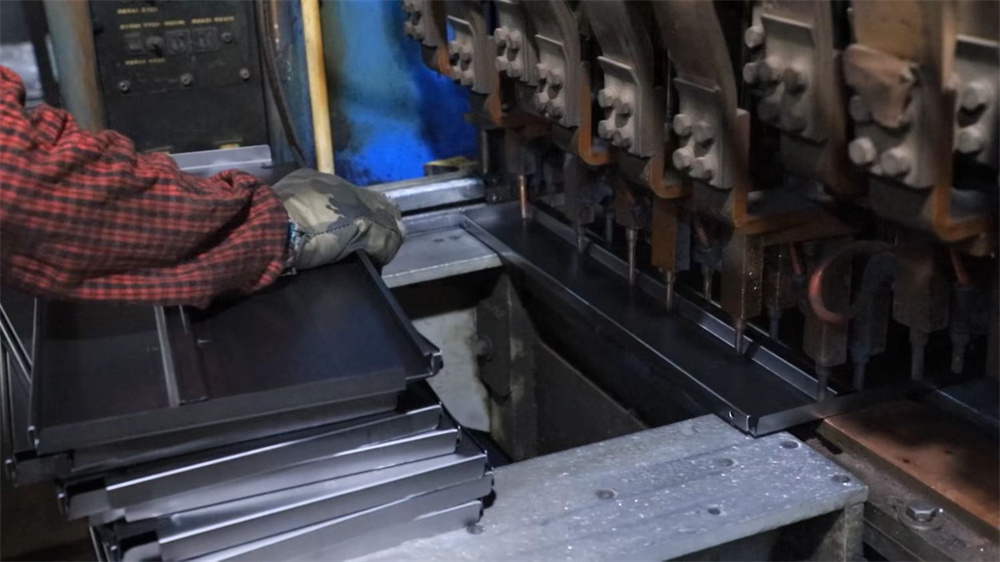
Sub-assemblies and connection brackets are precision-milled and de-burred to ensure stable component interlocking.
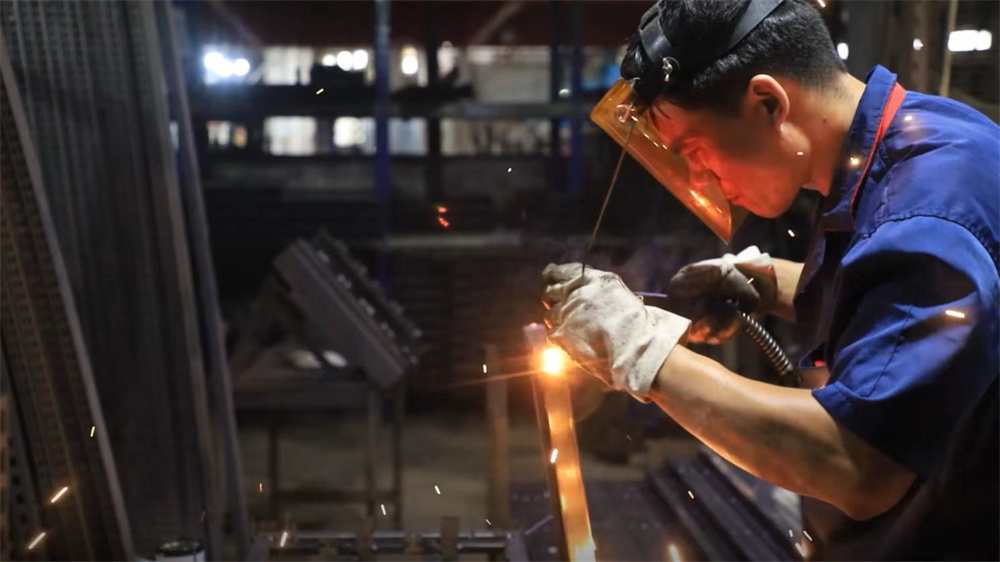
Heavy-duty structural components are joined using automated welding equipment, producing clean, consistent weld seams.
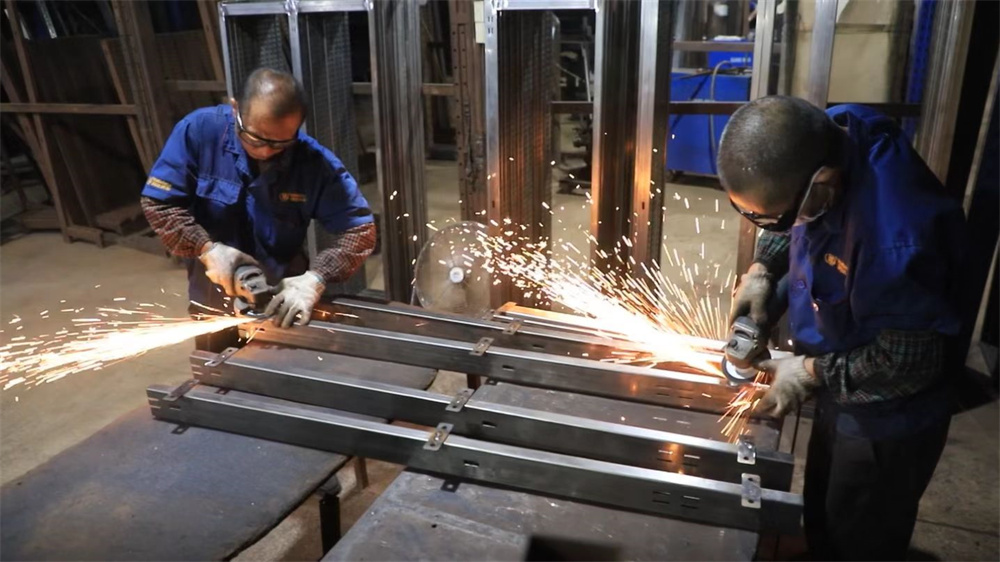
All joint connections are ground smooth to eliminate sharp edges and prevent wear on powder coatings.
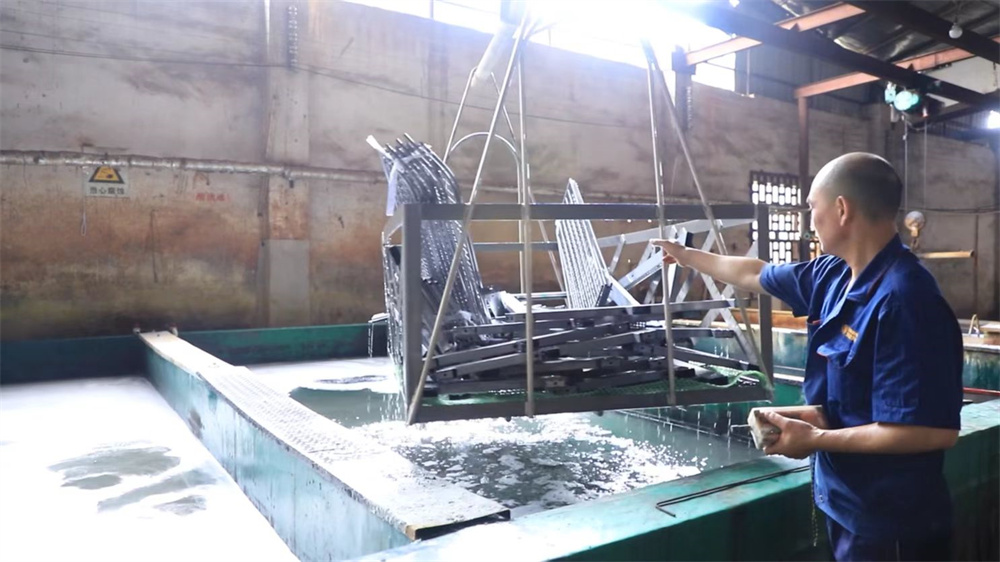
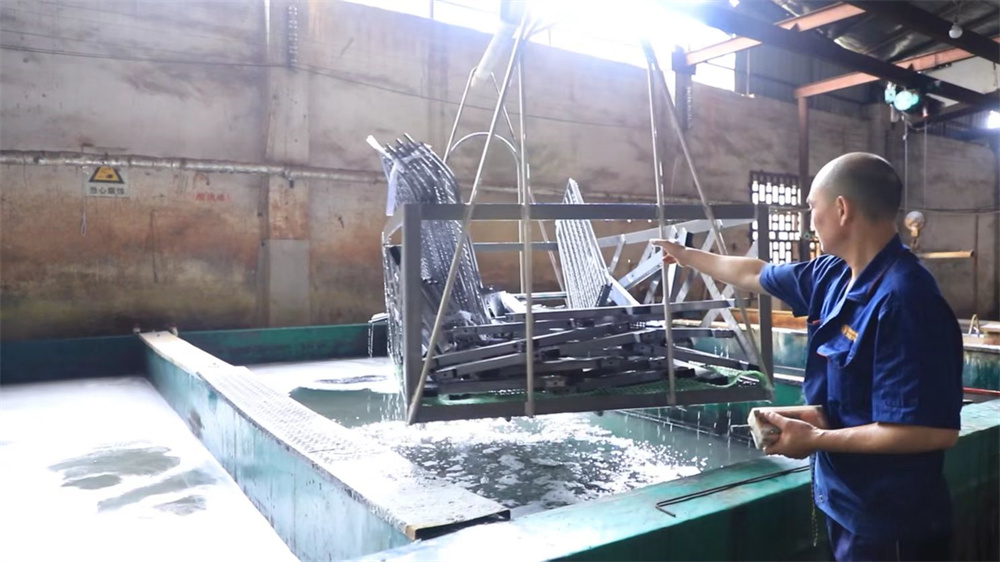
Components undergo multi-stage chemical washing and phosphate conversion to ensure long-term corrosion resistance.
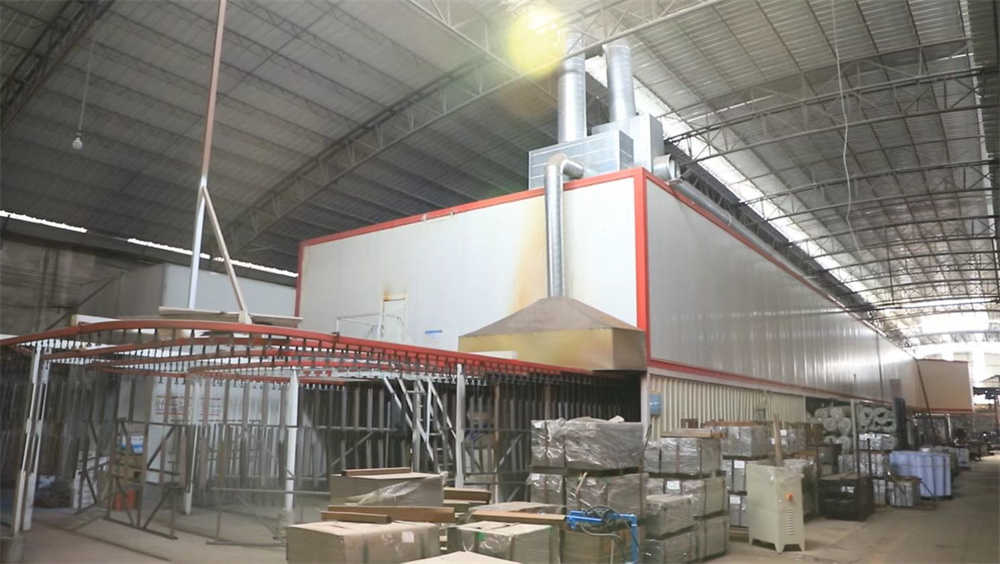
Reciprocating spray guns apply protective coatings in a dust-free booth, ensuring complete coverage and a durable finish.
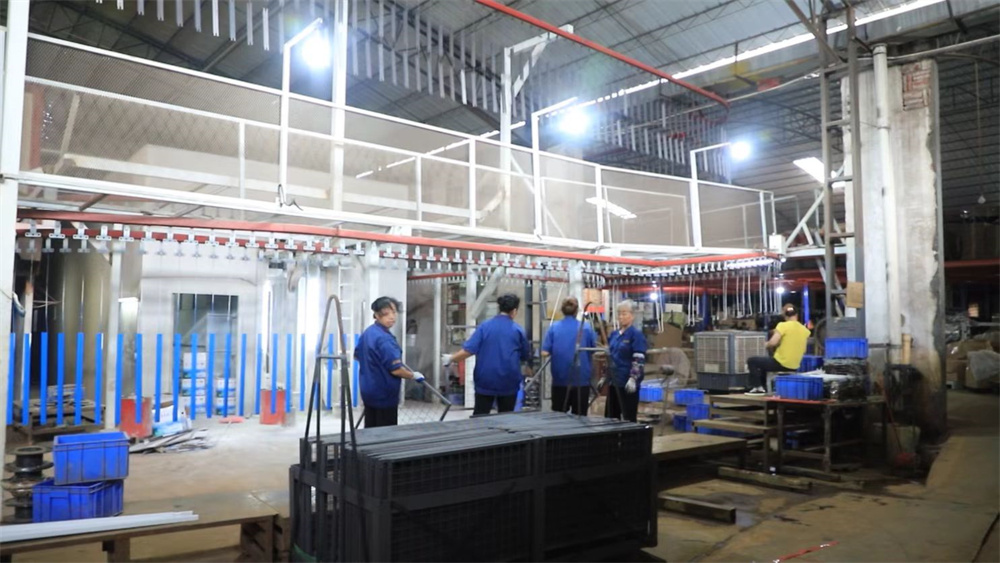
Quality Control teams check coating thickness, alignment, and load capacities using professional measurement tools.
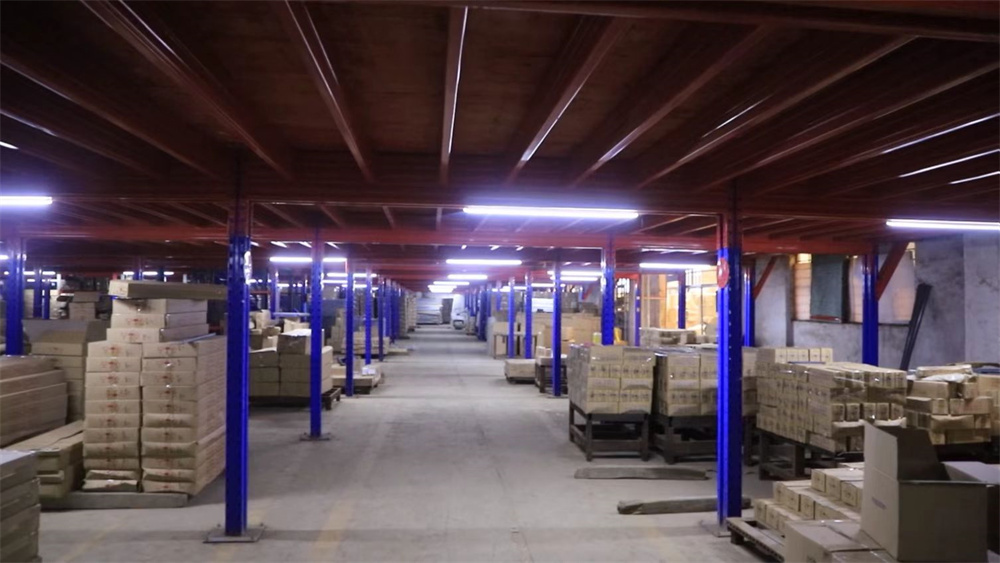
Finished components are carefully organized in our storage facility, awaiting final order consolidation and packing.
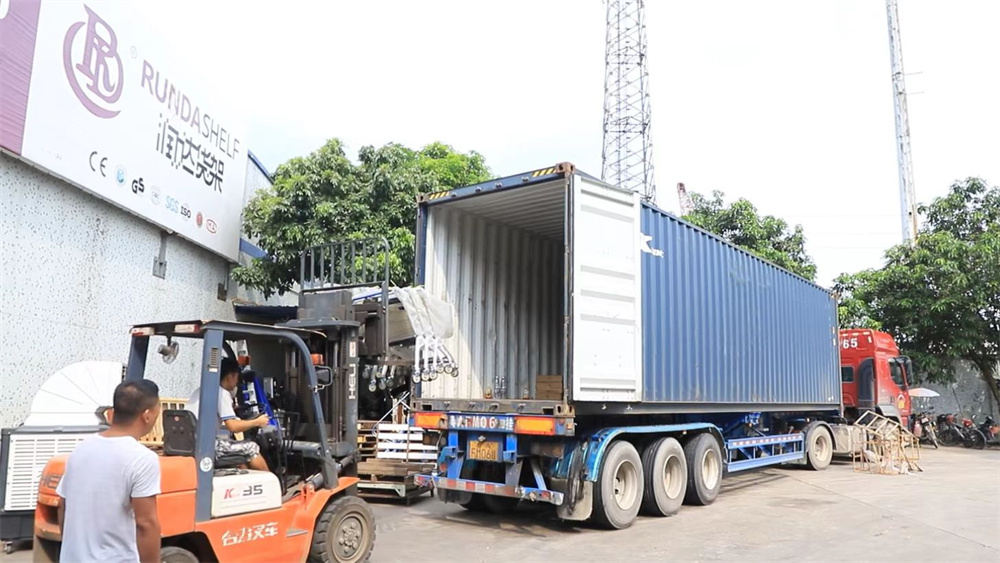
Orders are secured with protective packaging and loaded into containers using specialized equipment for safe transit.
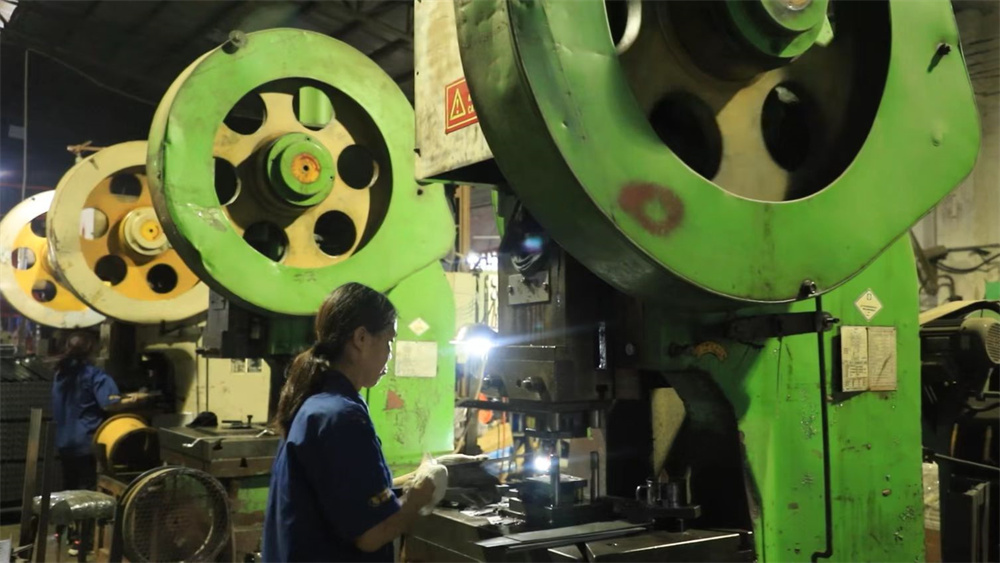
Heavy mechanical punching presses produce consistent structural hole profiles across our structural upright designs.
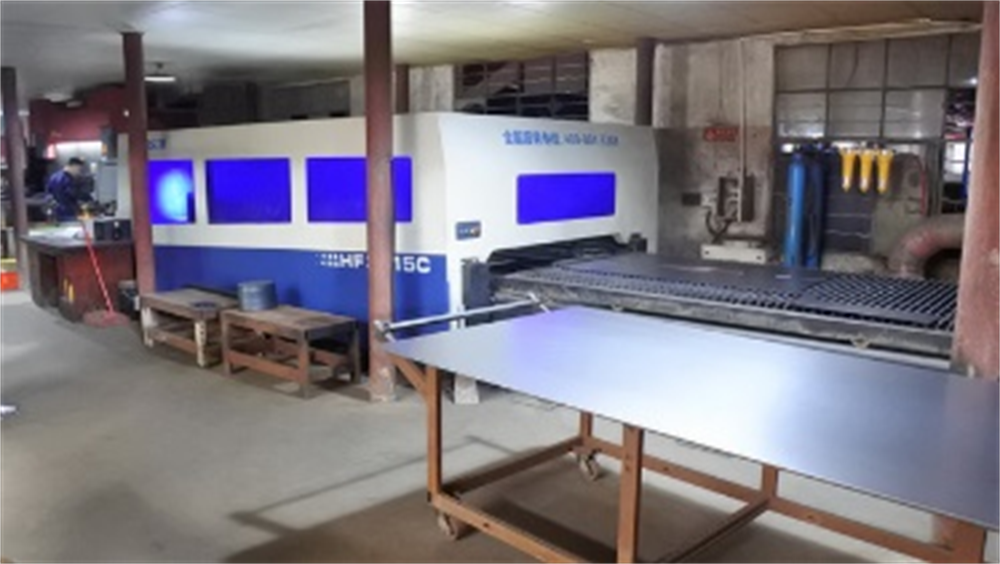
Fiber laser cutting machines process heavy steel plate, achieving clean edges and precise hole patterns.
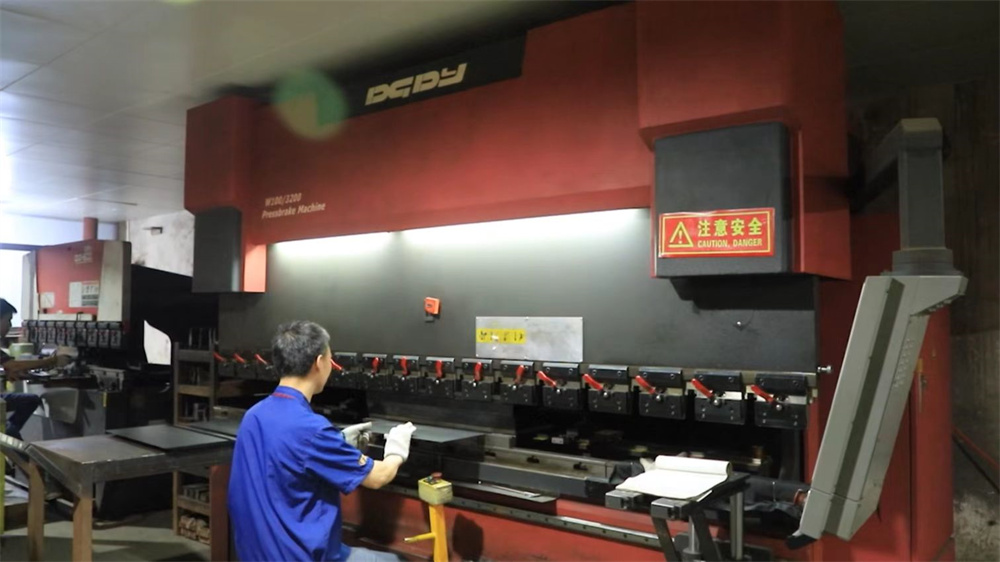
Heavy-duty bending brakes process sheet and plate components, maintaining angle accuracy within 0.5 degrees.
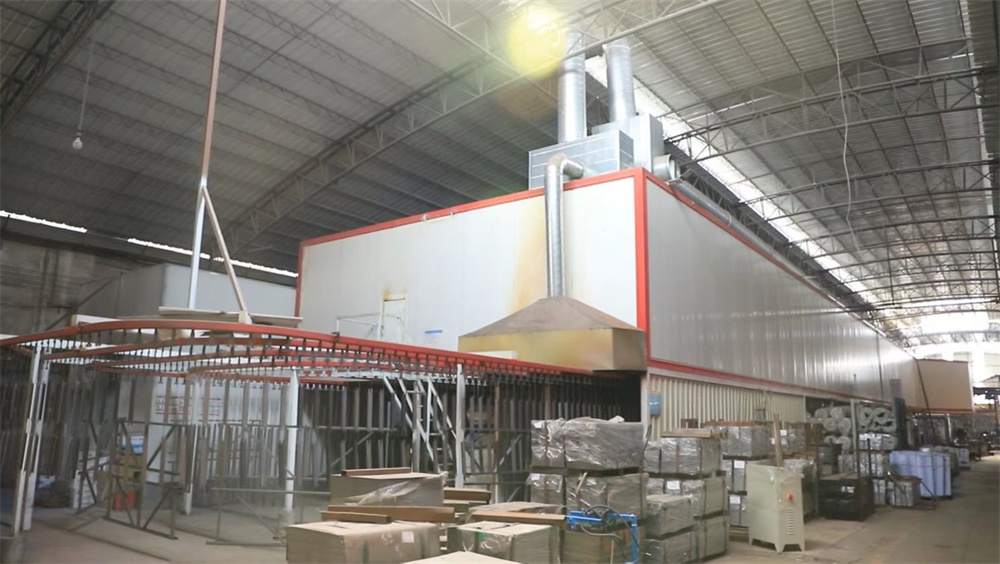
Our continuous electrostatic powder coating line applies a uniform, impact-resistant finish to all components.
Integrating automatic powder-coating ovens, CNC manufacturing systems, and computerized QC inspection stations under one roof. Our facility is designed to support high-volume manufacturing, helping global supply chains maintain consistent lead times and reliable structural quality.
Purchasing mobile storage systems directly from Chinese manufacturing centers offers clear advantages in terms of material procurement, production scale, and logistics. Industrial regions like Shenzhen provide direct access to major raw steel suppliers, allowing factories to source high-grade Q235B and Q345B steel with consistent quality and predictable lead times.
This localized supply chain lowers logistics overheads for sub-components, hardware, and surface treatment materials. Chinese manufacturers also benefit from automated production equipment, such as CNC multi-station roll forming mills and robotic welding systems. This automation maintains uniform tolerances across long production runs, which is essential for modular storage systems that rely on consistent fitment during installation.
Additionally, Shenzhen's proximity to major international ports streamlines shipping logistics. Bulk container shipments can be dispatched quickly to global markets, helping distributors and project managers coordinate installations and keep timelines on schedule.
Always verify the steel grade with mill test certificates. For heavy-duty racks carrying loads over 1000kg, structural columns and beams should use Q235B or Q345B structural carbon steel to ensure sufficient yield strength under continuous load.
Review the surface treatment specifications. For humid or cold environments, components require an electrostatic powder coating thickness between 60 to 80 microns, preceded by multi-stage chemical cleaning and iron-phosphate pretreatment.
Confirm that structural calculations align with recognized international engineering codes, such as the European FEM 10.2.02 standards or the US Rack Manufacturers Institute (RMI) MH16.1 specifications, guaranteeing seismic safety margins.
Get detailed technical answers to the most common questions raised by logistics managers and procurement professionals during the sourcing process.
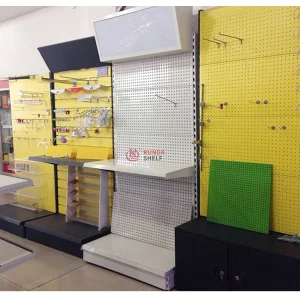
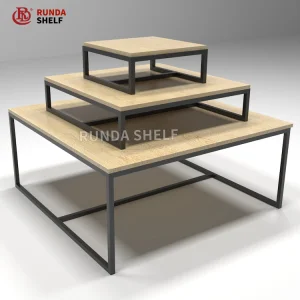
Discover our secondary collection of specialized store fixtures, heavy mezzanines, and modular display systems.
 Runda Racking