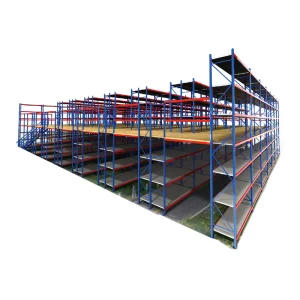
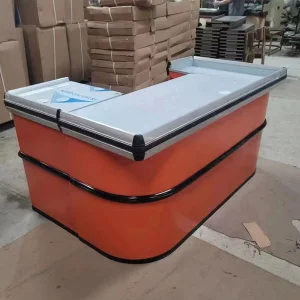
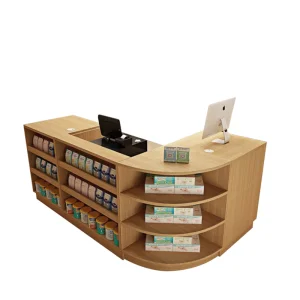
Top 10 Live Storage Racks Factories & Suppliers

Evaluating High-Density Dynamic FIFO Storage Systems for Global Warehouse Logistics Optimization

The Global Evolution of Live Storage Racking Systems

In modern industrial logistics, optimization of floor area combined with rapid throughput is no longer a luxury—it is a survival imperative. Live Storage Racks, frequently referred to as Gravity Flow Racks or FIFO (First-In, First-Out) Dynamic Racks, stand at the intersection of mechanical engineering efficiency and intelligent warehouse management. Utilizing a sloped design integrated with high-precision roller tracks, these systems allow pallets or cartons loaded from the entry face to glide smoothly down to the picking face under the force of gravity.

This dynamic configuration increases warehouse volume density by up to 60% compared to standard selective racking, while guaranteeing flawless inventory rotation. Industries dealing with perishable goods, high-velocity consumer goods (FMCG), pharmaceuticals, and automotive components rely heavily on these structures to streamline shipping cycles and minimize material handling overhead.

Warehouse Volume Utilization Efficiency (%)
60%
Space Savings
35K+
Production Area (SQM)
$28M
Annual Export Turn
100%
FIFO Compliance

Global Procurement Demand & Strategic Buying Paradigms

Procuring industrial-grade live storage systems is highly complex, demanding rigorous analysis of engineering load capacities, seismic safety margins, and roll-flow performance. Enterprise logistics buyers face specific challenges across regional markets:

  • North America (ANSI/RMI Compliance): High demand for heavy-duty structural steel flow systems capable of enduring harsh operations and conforming to strict seismic classifications (SDS).
  • Western Europe (EN 15512 & FEM Regulations): A strong preference for roll-formed precision profiles, optimized safety factors, and seamless integration with automated stacker cranes or Autonomous Mobile Robots (AMRs).
  • Asia-Pacific & Middle East: Rapidly expanding industrial centers demand modular, scalable dynamic racks that offer rapid return on investment (ROI) alongside flexible re-profiling options.

Mechanical Integrity

Engineered structural frames using premium Q235B or Q355B steel, designed to withstand continuous dynamic loading and fork-truck impacts.

Controlled Gravity Descent

Integrated centrifugal brake rollers to limit pallet acceleration, ensuring a constant and safe descent speed of 0.2 to 0.3 meters per second.

Dynamic Separation Systems

Pneumatic or mechanical separator systems at the pick face isolate the first pallet from succeeding pallets, eliminating high line pressure.

Technical Blueprint & Engineering Specifications

A reliable gravity flow racking structure is not merely steel; it is a finely calibrated dynamic engineering layout. Below are the standard technical thresholds demanded by top tier engineering firms:

  1. Gradient Calibration: Standard dynamic slopes are set between 3% to 4%. Too shallow, and pallets stall; too steep, and dynamic kinetic energy exceeds safe mechanical thresholds.
  2. Roller Configuration: Rollers are specified based on load-bearing dynamics. They feature precision steel ball bearings encased in hot-dip galvanized shells, or heavy-duty polyurethane rollers for cold-room (-30°C) applications.
  3. Dynamic Safety Braking: For lanes extending beyond three pallet depths, centrifugal speed controllers (brake drums) must be integrated directly into the roller line every 1.5 to 2 meters to regulate deceleration.
  4. Separator Safety Systems: Installed at the picking front, mechanical separator systems isolate the extraction pallet, permitting safe lifting operations by forklifts without pressure back-feed from the lane.

Detailed Profiles: Top 10 Live Storage Racks Suppliers

A comparative industry analysis of the world's leading manufacturers based on engineering standards, export volume, and technological innovation.

1. Shenzhen Runda Racking Manufacturing Co., Ltd.
Premier OEM/ODM Partner

Established in 2015, Shenzhen Runda is an industry-leading manufacturer specializing in heavy-duty industrial shelving, mezzanine configurations, and high-density warehouse storage systems. Operating from a massive 35,000 square meter factory, Runda utilizes raw materials of the highest structural grades, supported by automated laser cutting, bending, and robotic welding technologies to export globally.

Headquarters: Shenzhen, China
Production Area: 35,000 SQM
Certifications: ISO9001, CE, RMI Structural Standards
2. Mecalux Group
Global Automation Leader

Mecalux is one of the most prominent players in the storage systems market. Their gravity flow pallet racking systems incorporate advanced roller layouts and double-roller brakes designed for automated warehouses. Their proprietary Easy WMS software seamlessly integrates with dynamic storage flow units.

Headquarters: Barcelona, Spain
Global Offices: 17 Countries
Key Strengths: Warehouse Management Software Integration
3. SSI SCHAEFER Group
Intralogistics Pioneer

SSI SCHAEFER excels in providing complete system solutions for distribution and warehouse operations. Their carton and pallet flow racking systems are renowned for durability, optimized lane configurations, and smooth material flows in chilled or sub-zero environments.

Headquarters: Neunkirchen, Germany
Key Markets: Global Distribution Hubs
Certifications: FEM, EN, ISO 14001
4. Interroll Group
Dynamic Flow Technology specialist

While also producing frames, Interroll is the premier global manufacturer of the internal rollers, speed controllers, and separator mechanisms used in state-of-the-art live storage racks. They supply core parts to numerous other racking builders globally.

Headquarters: Sant'Antonino, Switzerland
Core Technology: Centrifugal Speed Controllers
Patents: Over 100 in material handling
5. Stow Group
Heavy-Duty Racking Authority

Stow specializes in heavy-duty racking engineering. Their dynamic flow racks, under the Stow Atlas and Stow Flow lines, are trusted by massive cold-storage facilities and food logistics operators throughout Europe and North America.

Headquarters: Spiere-Helkijn, Belgium
Manufacturing: 9 production facilities
Standard Compliance: EN 15512, EN 15620
6. BITO Storage Systems
Carton Flow Innovator

BITO is highly respected for carton flow live storage systems. They offer specialized clip-in roller lanes, making dynamic reconfiguration easy. BITO products are widely used in manual order pick areas and high-density retail consolidation lanes.

Headquarters: Meisenheim, Germany
Primary Focus: Small-parts dynamic systems
Specialty: Boltless modular dynamic profiles
7. Dexion (Gonvarri Material Handling)
Industrial Heritage Leader

Dexion invented the adjustable slotted angle system, paving the way for modern industrial warehouse frameworks. Their dynamic live storage solutions offer exceptional structural safety, customizable rail spans, and high load ratings.

Headquarters: Oslo, Norway
Key Focus: European Cold Chain Storage
Material Type: Hot-dip galvanized anti-corrosive steel
8. Frazier Industrial Company
Structural Steel Specialist

Unlike roll-formed options, Frazier specializes exclusively in structural steel racking. Their gravity flow pallet racks are extremely robust, designed to survive heavy forklift collisions in high-throughput North American distribution hubs.

Headquarters: Long Valley, New Jersey, USA
Material Advantage: Hot-rolled structural steel channels
Seismic Rating: High-risk seismic zone optimization
9. Hannibal Industries
Engineering Safety Leader

Hannibal is a leading manufacturer of steel racking systems on the US West Coast. Their dynamic flow racks feature specialized dual-side braking systems and proprietary impact-resistant structural frames, ideal for logistics centers operating in active fault zones.

Headquarters: Los Angeles, California, USA
Industry Focus: Heavy industrial and e-commerce distribution
Patents: Seismic safety lock connectors
10. Apex Warehouse Systems
End-to-End Integration Provider

Apex provides turnkey logistics and storage solutions. Their design engineers build customized gravity flow racking setups featuring customized lanes, heavy-duty separator bars, and forklift impact protectors to reduce maintenance costs.

Headquarters: West Chicago, Illinois, USA
Service Capability: Turnkey layout engineering and load testing
Dynamic Lane Capacities: Up to 20 pallets deep

Industrial Profile: Shenzhen Runda Racking Manufacturing Co., Ltd.

Understanding the internal production ecosystem of a manufacturer is crucial to validating their engineering reliability. Established in 2015, Shenzhen Runda Racking Manufacturing Co., Ltd. has spent over 11 years developing expertise in industrial shelving and warehouse logistics solutions, with 9 years of active global export operations.

Our 35,000 square meter production facility is equipped with automated manufacturing machinery. Supported by a secure supply chain network of over 1,200 partners, we achieve an annual export turnover of $28 million. We supply structural systems to North America, Western Europe, Southeast Asia, and the Middle East, serving large-scale 3PL providers, industrial distributors, and enterprise buyers.

Quality control is central to our manufacturing process. We employ 35 quality control specialists who oversee incoming raw material tests, ultrasonic weld checks, and dynamic load testing. Our R&D team includes 18 design engineers who continuously improve structural layouts—creating more than 120 new or upgraded storage product iterations in the past year alone. This expertise allows us to provide comprehensive OEM/ODM services, custom seismic calculations, and corrosion-resistant powder coatings.

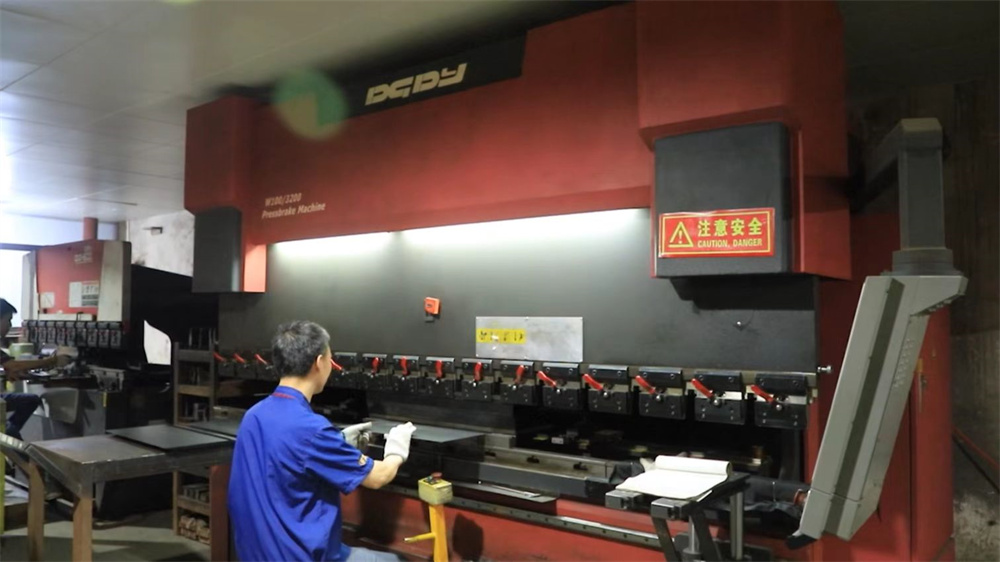
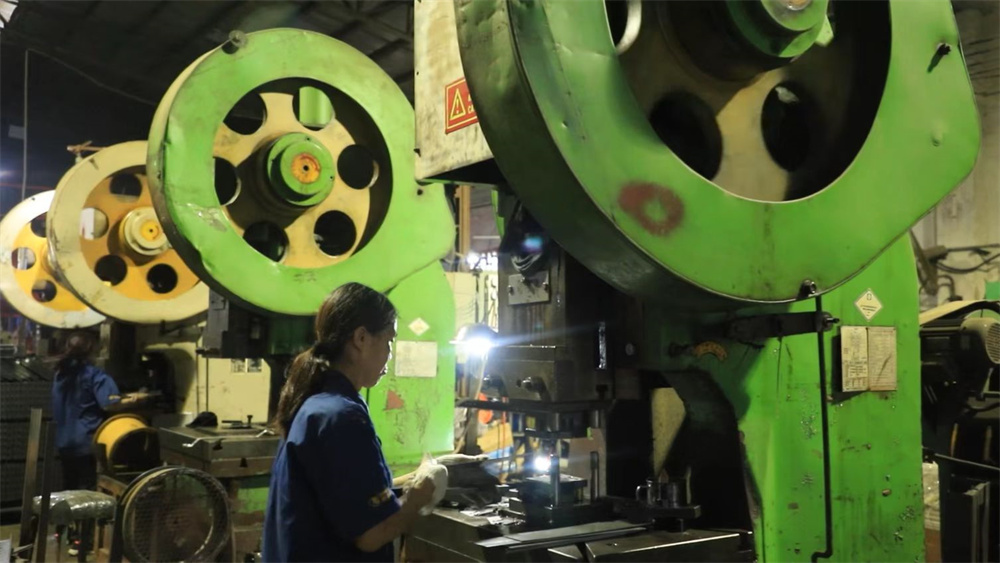
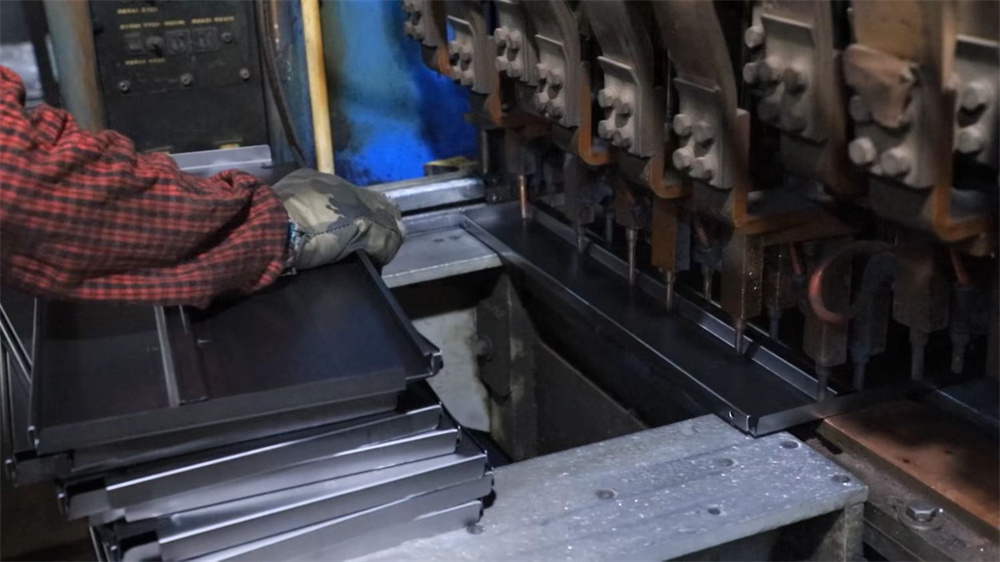
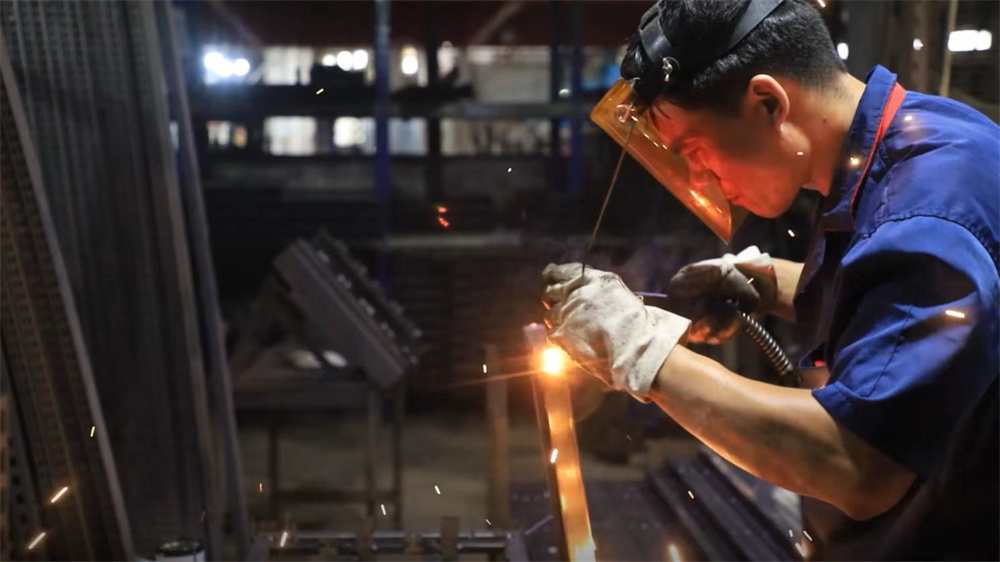
Factory Production & Machine Walkthrough

Take a closer look at the advanced manufacturing steps and high-capacity equipment we use to build Runda's industrial racking systems:
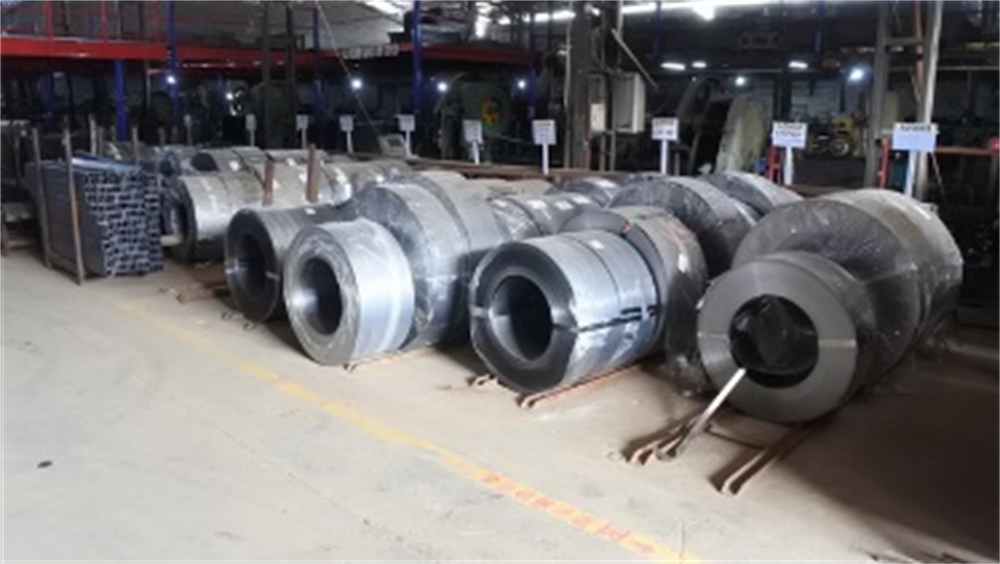
Raw Materials
Raw Materials
Laser Cutting
Laser Cutting
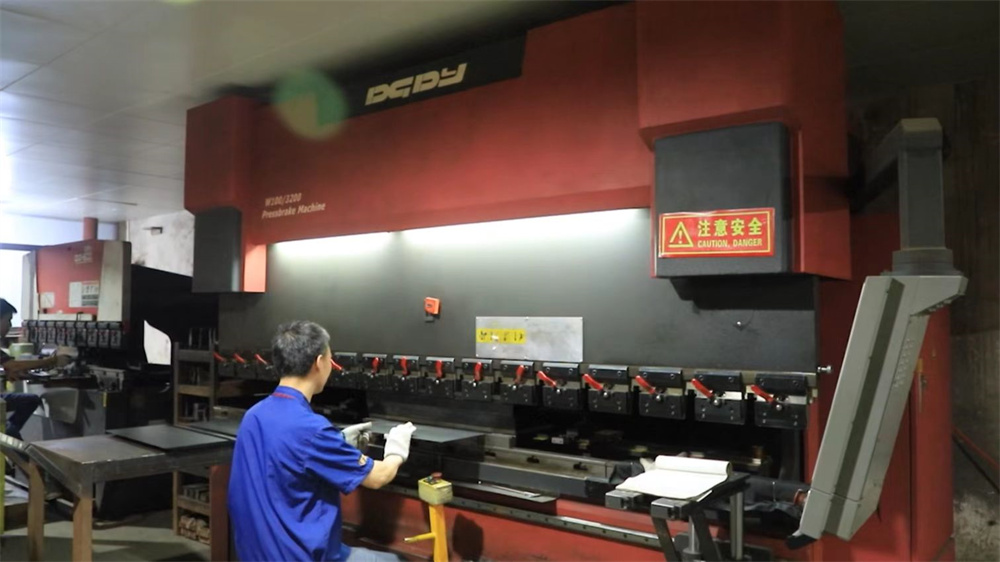
Bending
Bending
Punching
Punching
Part Processing
Part Processing
Welding
Welding
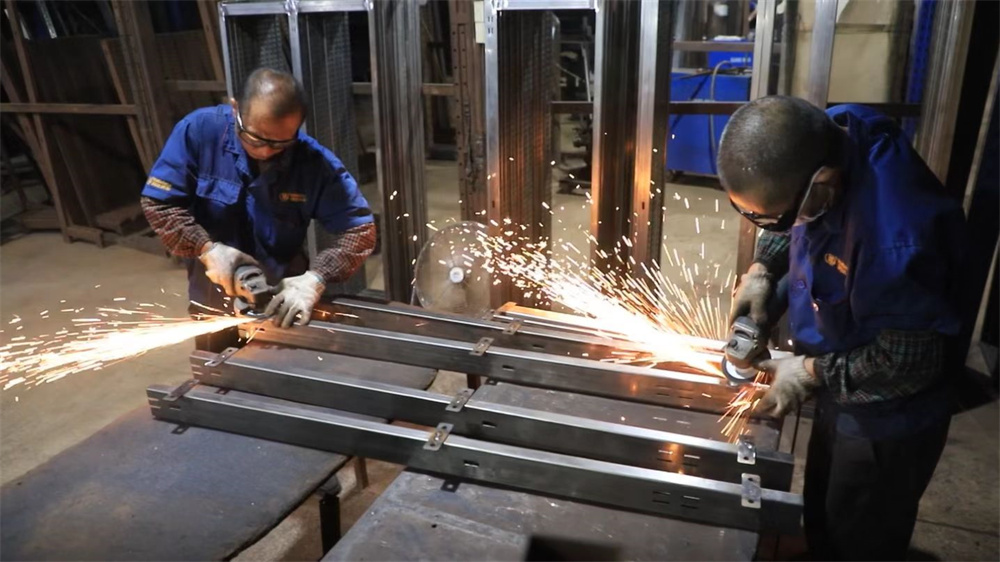
Grinding
Grinding
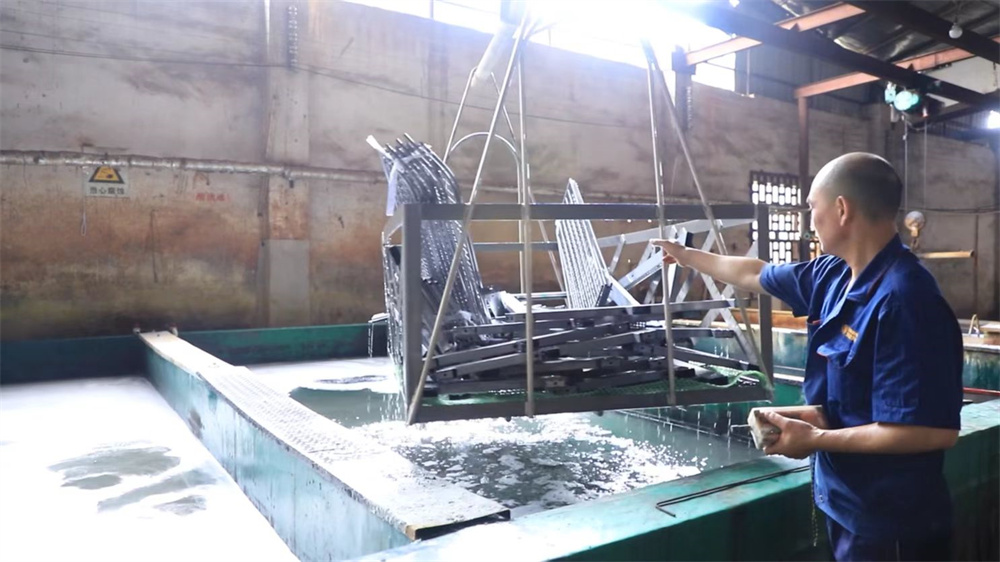
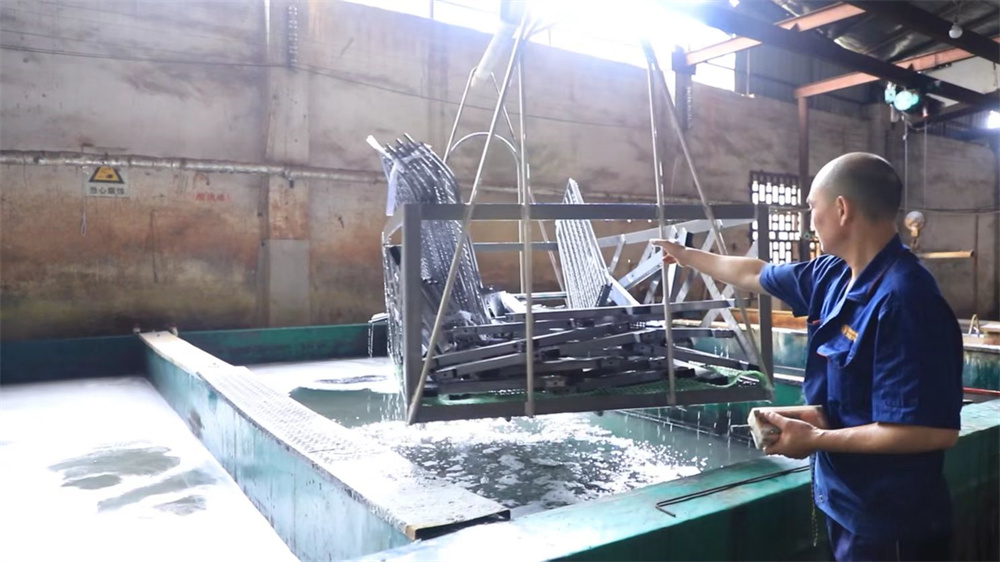
Surface Treatment
Surface Treatment
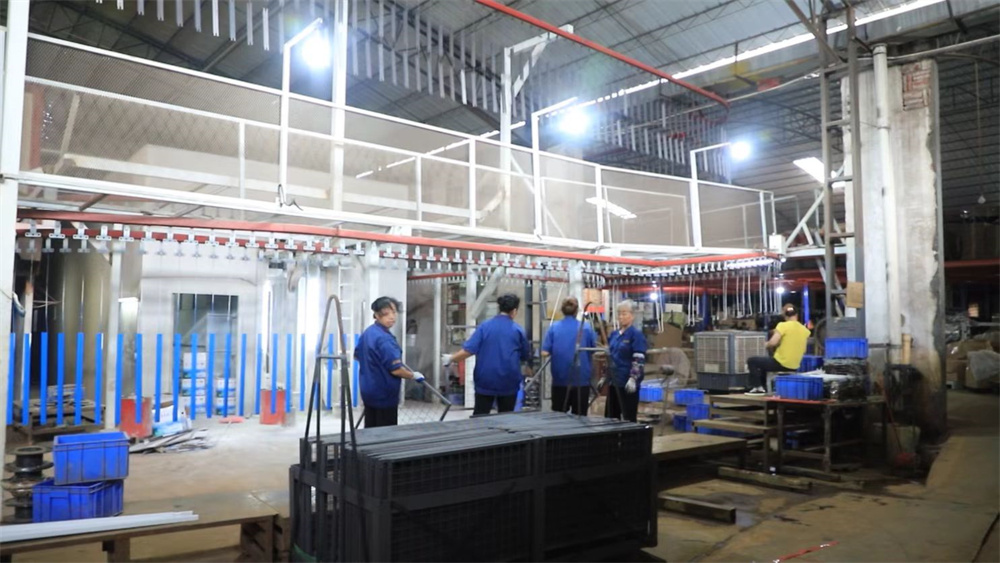
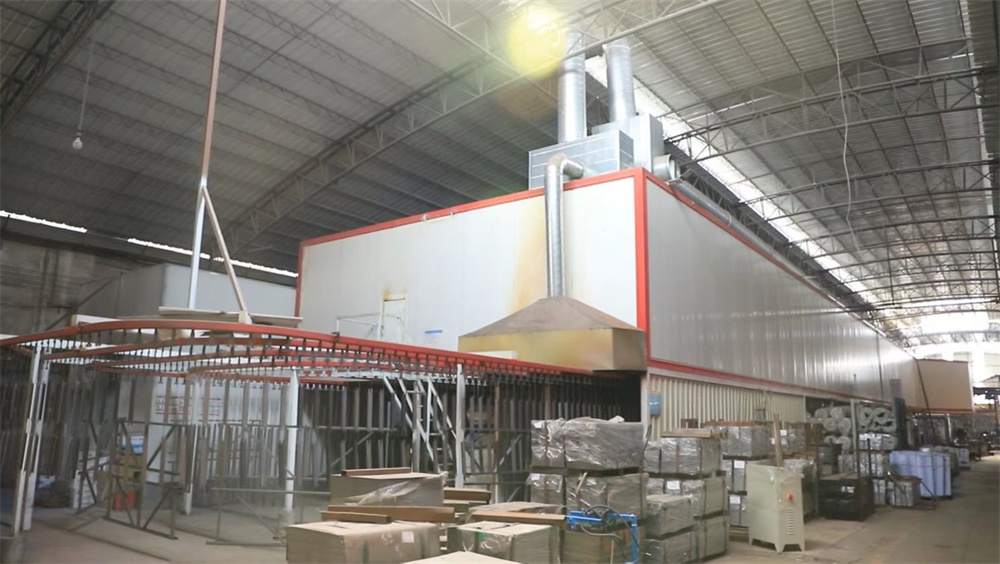
Automatic Painting
Automatic Painting
Inspecting
Inspecting
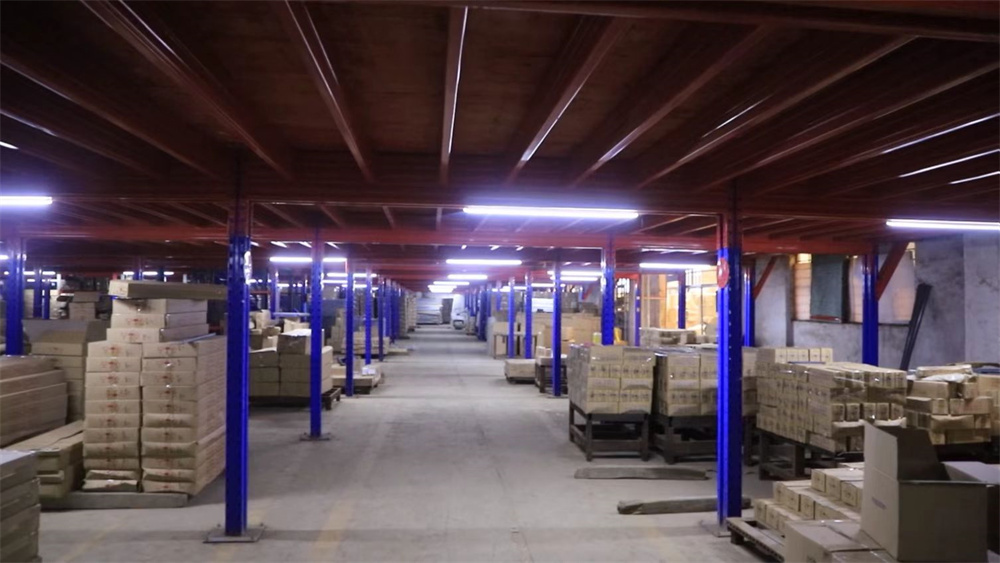
Warehouse
Warehouse
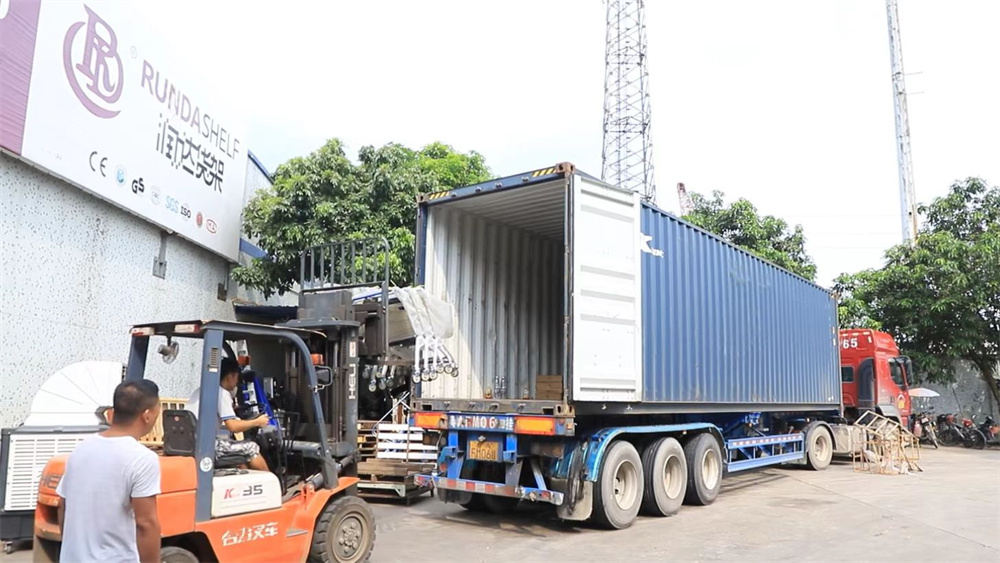
Loading
Loading
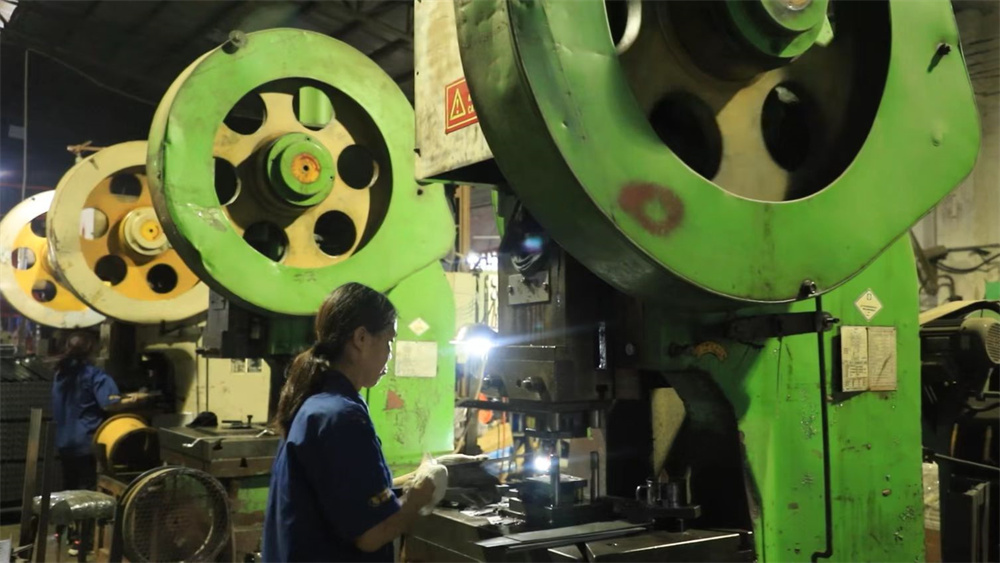
Punching Machine
Punching Machine
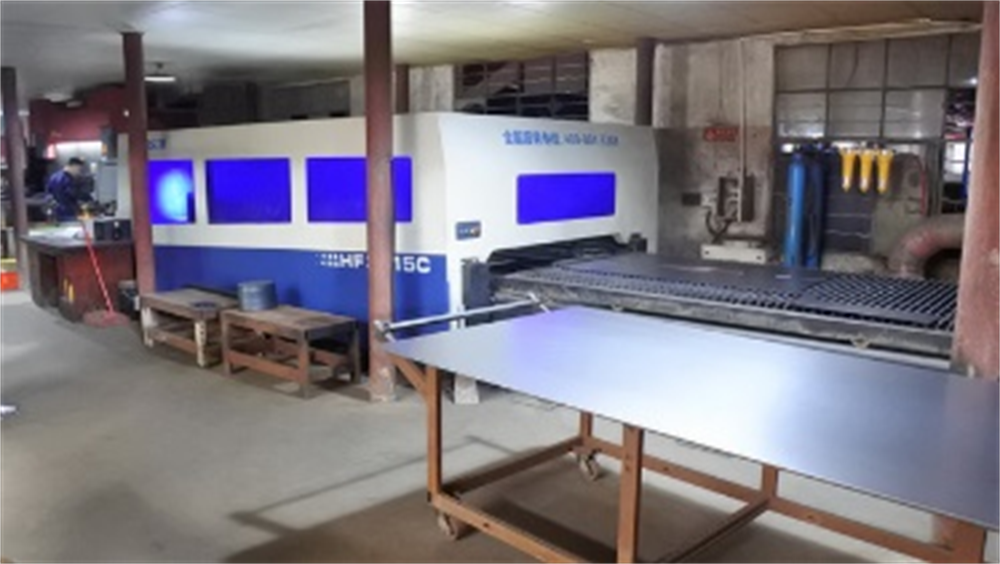
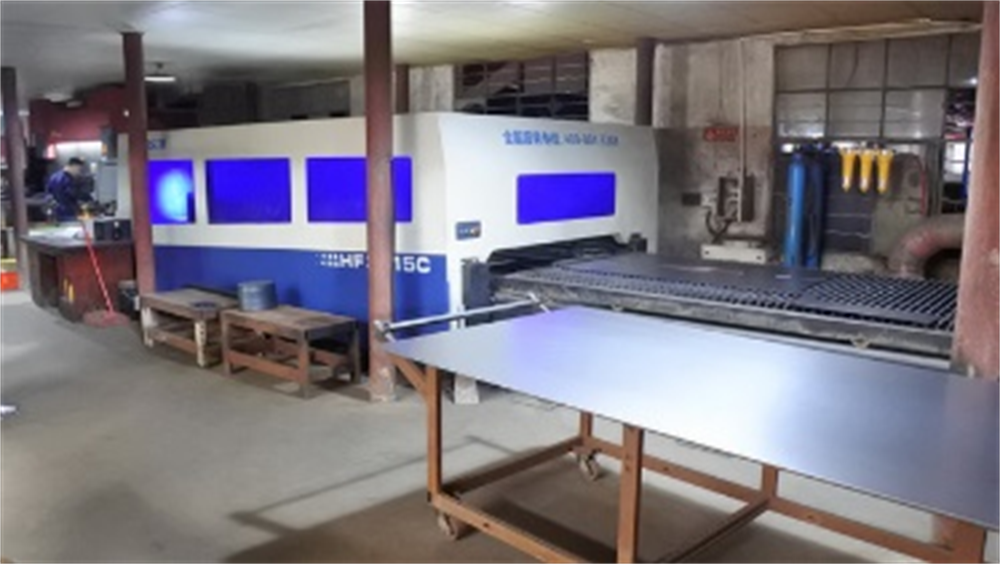
Laser Cutting Machine
Bending Machine
Bending Machine
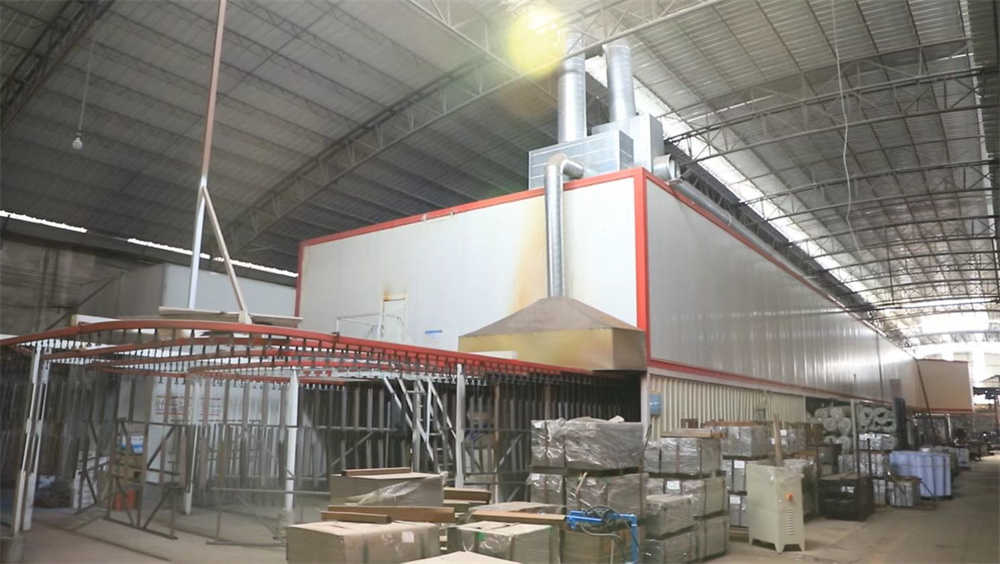
Automatic Painting Line
Industrial Racking Assembly Line

The Technical Roadmap & Future of Live Storage Systems

Logistics planning is transitioning from static, mechanical racking units to smart, data-driven systems. The technical roadmap for modern dynamic warehousing includes several key innovations:

  • IoT-Enabled Smart Rollers: Integrated micro-sensors embedded directly in individual speed controllers monitor heat buildup, friction levels, and lane speed in real time, alerting maintenance teams before pallet blockages occur.
  • Dynamic Flow-AMR Interfacing: Next-generation flow racks are designed with custom sensors at the exit face to coordinate directly with AMRs and AGVs, enabling automated retrieval without human intervention.
  • Eco-Coating and Green Steel: Modern specifications emphasize green manufacturing. This involves using structural steel produced via electric arc furnaces (EAF) and utilizing VOC-free powder coatings to support corporate carbon-reduction targets.

Localization Support & Global Safety Standards Compliance

For international projects, conforming to local construction and safety codes is non-negotiable. Leading manufacturers provide extensive verification packages, including:

  1. Seismic Optimization: Using finite element analysis (FEA) to simulate local earthquake conditions, designing custom base plates and frame braces to comply with RMI or EN 15512 safety codes.
  2. Corrosion Resistance for Cold Storage: Using hot-dip galvanized finishes or epoxy-powder coatings to prevent rust in chilled (+2°C to +8°C) or freezing (-25°C) zones.
  3. Global Certification Protocols: Providing full traceability reports for steel raw materials, load capacity certificates, and compliance declarations for local code approvals.

Frequently Asked Questions: Dynamic Live Storage Systems

Key engineering and design questions to assist logistics managers in selecting and specifying gravity flow racks.

1. What is the maximum safe pallet depth for a gravity flow lane?
While dynamic lanes can be designed up to 20 pallets deep, typical setups range between 5 and 12 pallets. For lanes longer than 4 pallets, installing speed-control brake rollers and mechanical pallet separators at the exit face is essential to control pallet speed and reduce back pressure.
2. How does variation in pallet weight affect performance?
Large weight differences (e.g., pallets ranging from 300 kg to 1200 kg in the same lane) can cause lighter pallets to stall or heavier pallets to descend too quickly. Centrifugal brake rollers help regulate these variations, but for consistent performance, it is best to limit weight variance within a single lane to within 30%.
3. What slope angle is recommended for carton flow vs. pallet flow?
For pallet flow racks, the standard slope angle is set between 3.5% and 4.0%. Carton flow systems, which handle lighter packages, require a slightly steeper angle of 4% to 6%, depending on the carton base material and weight.
4. Can dynamic racking systems be used in sub-zero cold-storage zones?
Yes. However, the rollers must be specified with low-temperature bearings and synthetic grease that will not seize in cold environments. Structural components are also manufactured using high-impact steel grades that resist brittle fractures at low temperatures.
5. What is the difference between roll-formed and structural steel columns?
Roll-formed columns are shaped from sheet steel at room temperature, offering a cost-effective and flexible design for light to medium loads. Structural steel columns are hot-rolled and feature thicker profiles, providing greater durability and higher impact resistance, making them ideal for heavy industrial use.
6. How does a mechanical separator system improve safety at the picking face?
A mechanical separator system isolates the first pallet from the following pallets in the lane. By removing the pressure from the rest of the queue, the forklift operator can lift the first pallet safely without friction or pinching, preventing damage to the goods and the rack structure.