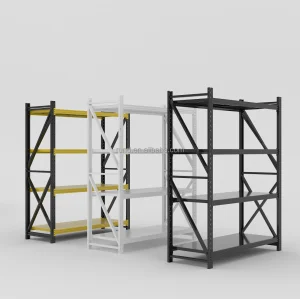
In the rapidly changing landscape of global supply chain management, warehousing is no longer just about static storage; it is a critical driver of logistics speed. The integration of Carton Flow Storage Systems (also referred to as gravity flow racks) represents a vital evolution from traditional static shelves to high-density dynamic structures. By utilizing the physics of gravity, these systems operate on the First-In, First-Out (FIFO) inventory principle, automatically rolling products from the loading aisle to the picking face.
Modern industrial demands, particularly the surge in e-commerce fulfillment, cold chain logistics, and high-velocity retail distribution, have accelerated technical innovations in carton flow designs. Today's systems integrate smart lane dividers, heavy-duty impact trays, and custom-engineered roller materials designed to optimize structural strength while minimizing friction.
1. Integration with AS/RS and Robotics: Modern smart warehouses are bridging manual carton flow lines with Automated Guided Vehicles (AGVs) and robotic picking arms. This hybrid setup allows robotic gantries to load lanes from the rear while logistics workers or collaborative robots (cobots) pick from the front.
2. Ergonomics and Pick-to-Light Systems: Industry leaders are increasingly fitting carton flow shelves with electronic light arrays (Pick-to-Light) to guide operators to the exact picking location. This design drastically reduces errors and structural reach-times.
To address diverse operational challenges across industrial logistics, manufacturers like Shenzhen Runda provide specialized structural profiles tailored to different sectors:
High-density multi-level carton flow racking combined with conveyor lines, enabling high-velocity split-case picking. These designs utilize lightweight polymer rollers with high structural durability to withstand high daily cycling.
Corrosion-resistant finishes (zinc plating or hot-dip galvanizing) paired with temperature-hardened steel. Tracks are engineered to resist sub-zero conditions down to -30°C without mechanical failure or bearing freeze.
Designed to handle heavy component containers. Built with heavy-gauge Q235B steel structures, steel-roller tracks, and rear impact plates to absorb shock during heavy manual or mechanical loading.
Every carton flow storage layout is built on rigorous mechanical calculations. Structural designers must calculate the deflection limit of the beam profile under full load—usually conforming to the L/240 deflection standard (where deflection does not exceed 1/240th of the clear span). Track incline is typically set between 3.5% to 5% depending on carton weight, surface roughness, and environmental factors to guarantee smooth flow without runaway velocities.
Established in 2015, Shenzhen Runda Racking Manufacturing Co., Ltd. is a premier manufacturer specializing in heavy-duty industrial shelving, carton flow systems, and high-density warehouse storage solutions. With over 11 years of deep industry expertise and 9 years of active global export experience, we deliver tailored racking systems to logistics hubs, distribution centers, and manufacturing plants worldwide.
Operating from a modern 35,000 square meter production facility, our operations are powered by a robust network of over 1,200 trusted supply chain partners. This enables us to achieve an annual export turnover of $28 million. Our primary markets span North America, Western Europe, Southeast Asia, and the Middle East, where we proudly serve industrial distributors, large-scale third-party logistics (3PL) operators, and direct enterprise buyers.
Quality and innovation drive our core philosophy. We maintain strict quality control through full-process sampling inspection, raw material stress testing, and load-bearing verification, backed by a dedicated team of 35 QC professionals. Innovation is led by our 18 experienced R&D engineers who continuously refine structural efficiency—releasing over 120 new and upgraded storage products last year alone.
Shenzhen Runda uses a vertically integrated manufacturing line to convert high-grade steel coils into structural shelving. Our facility houses high-precision CNC machinery, automated powder coating bays, and testing rigs to check structural limits before dispatch. Below are the steps of our quality-controlled production cycle:
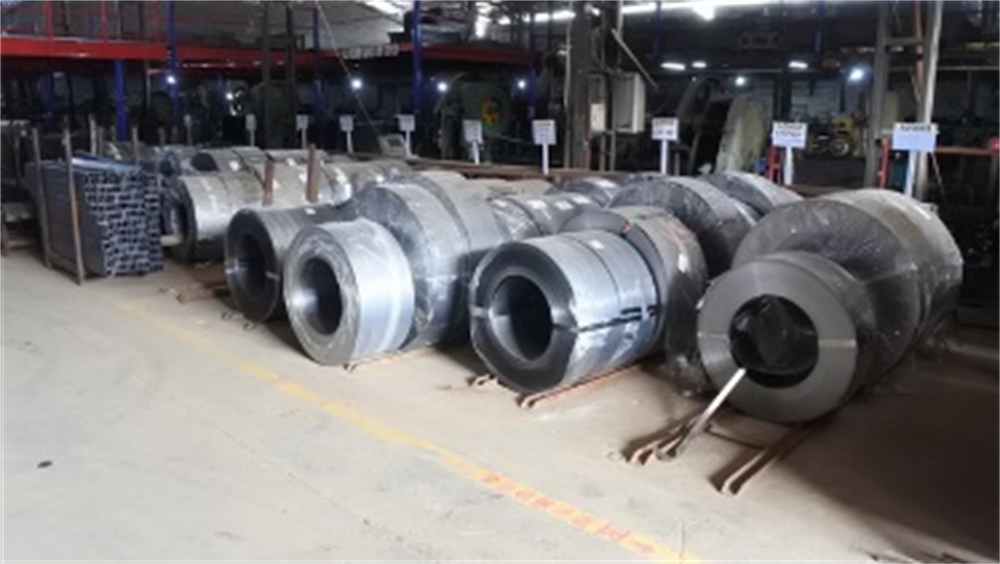
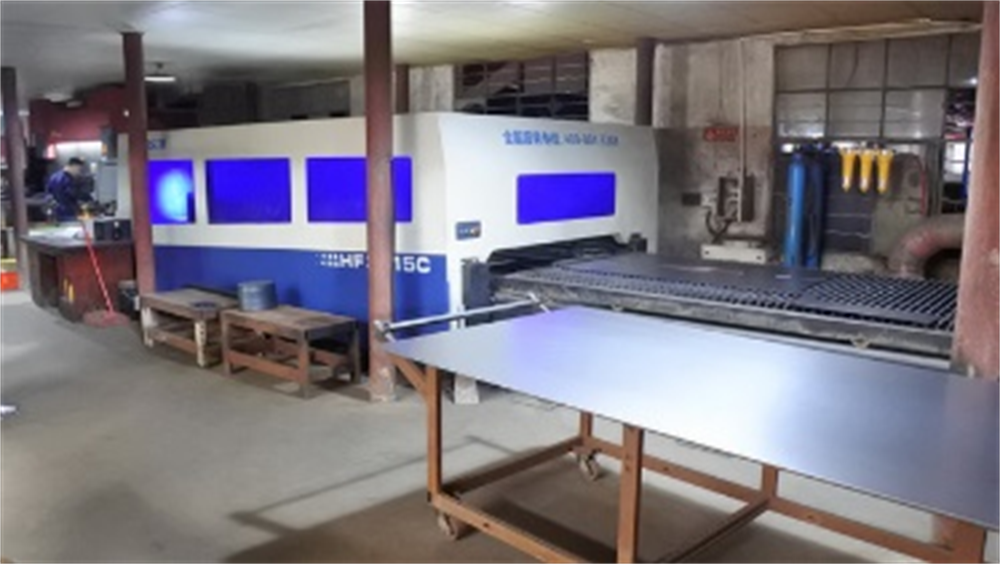
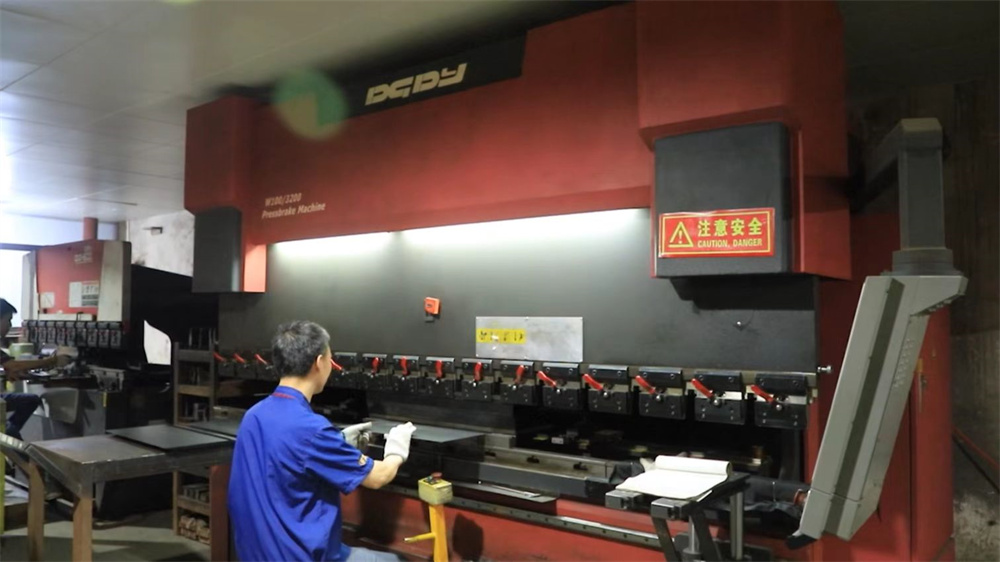
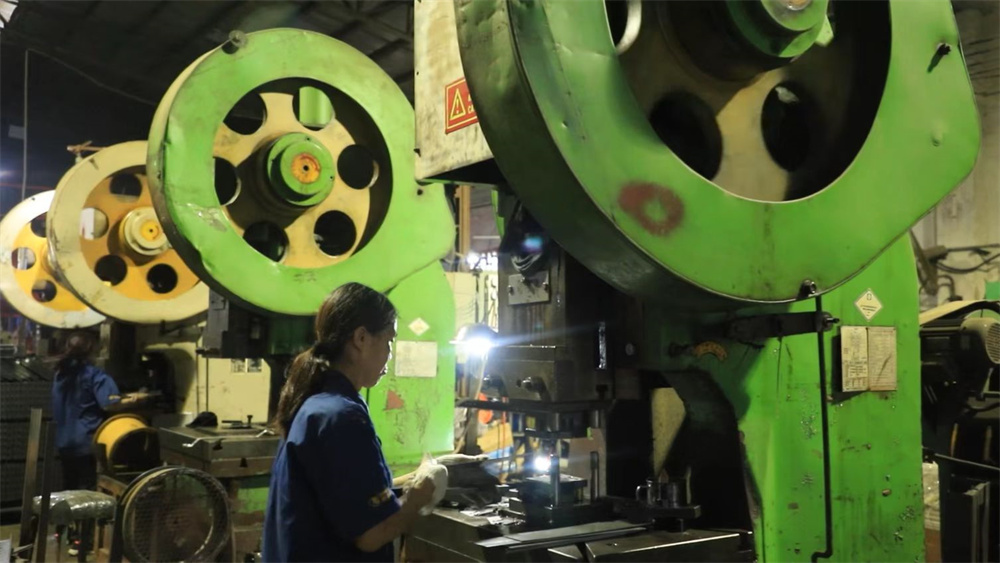
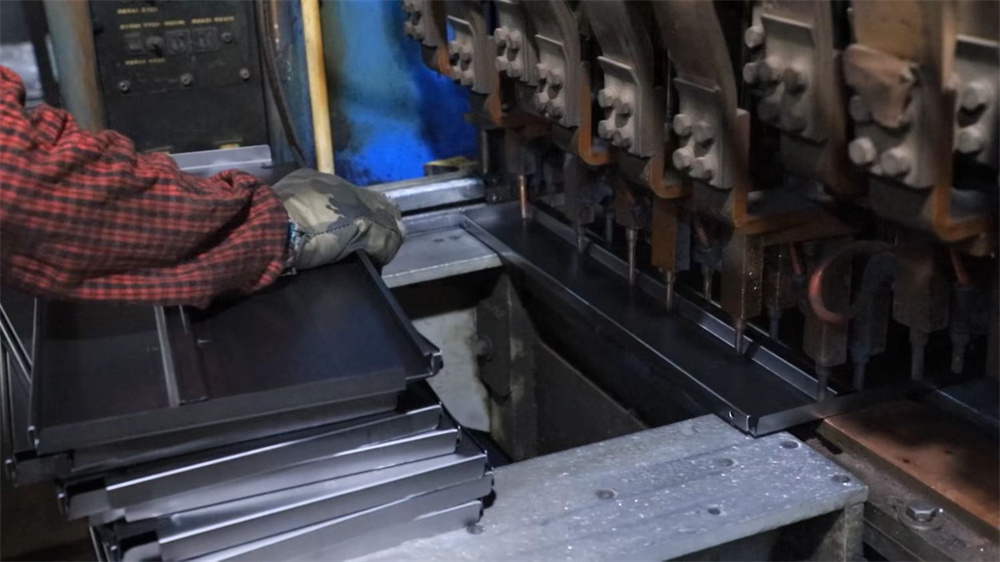
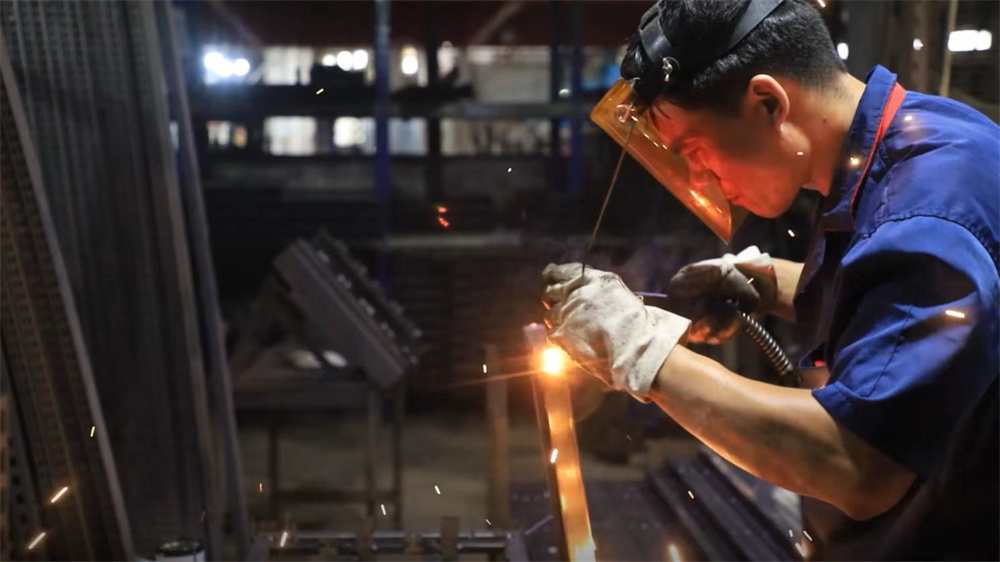
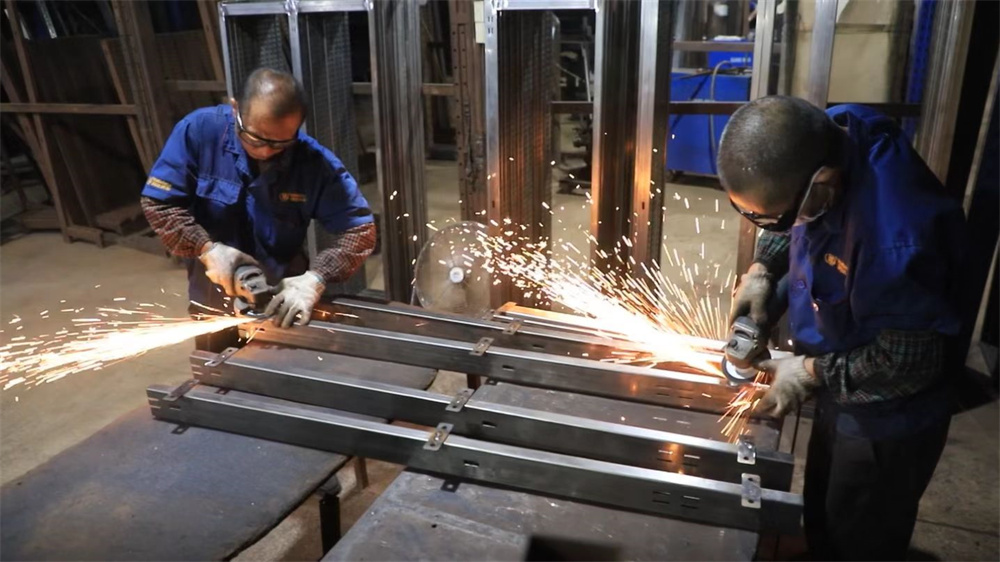
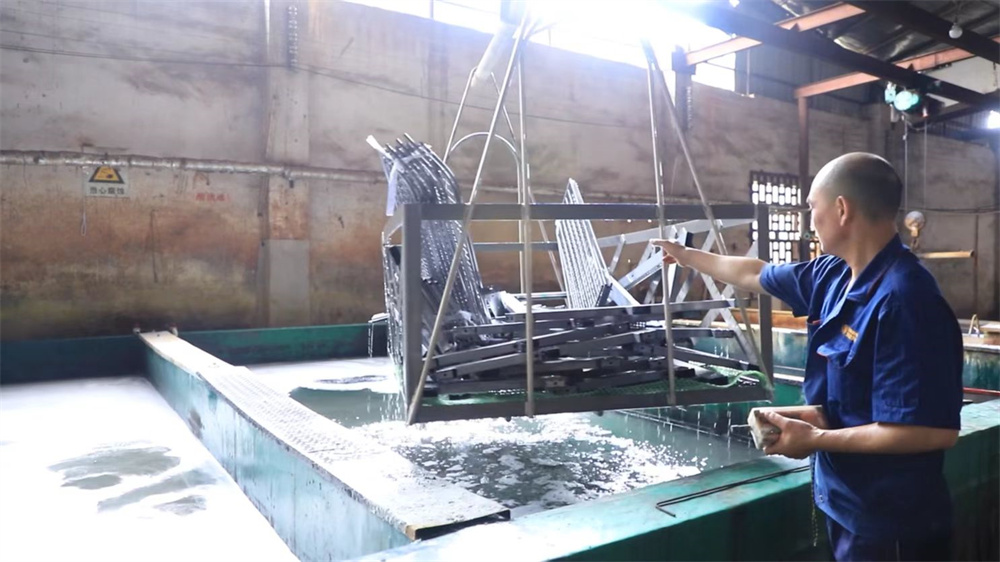
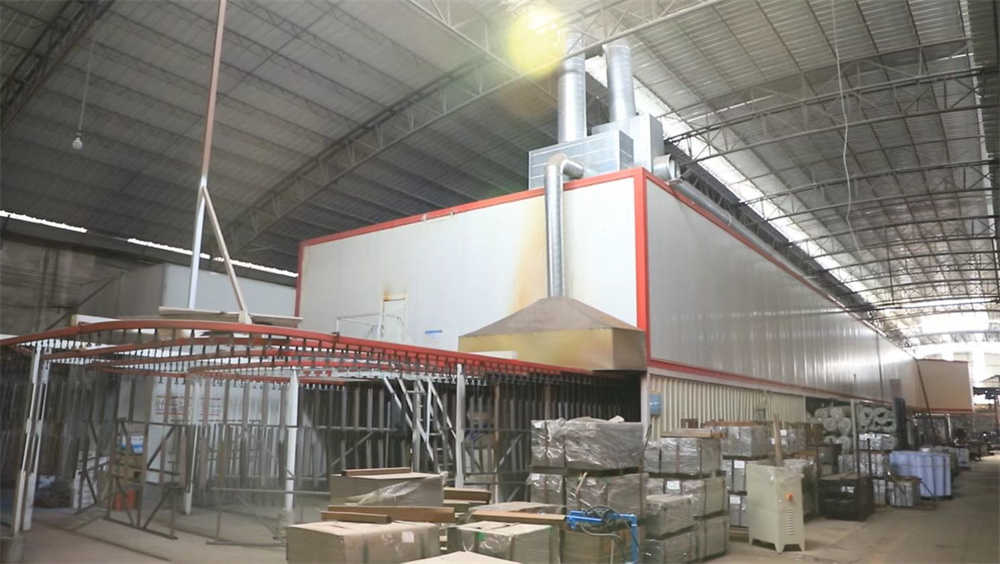
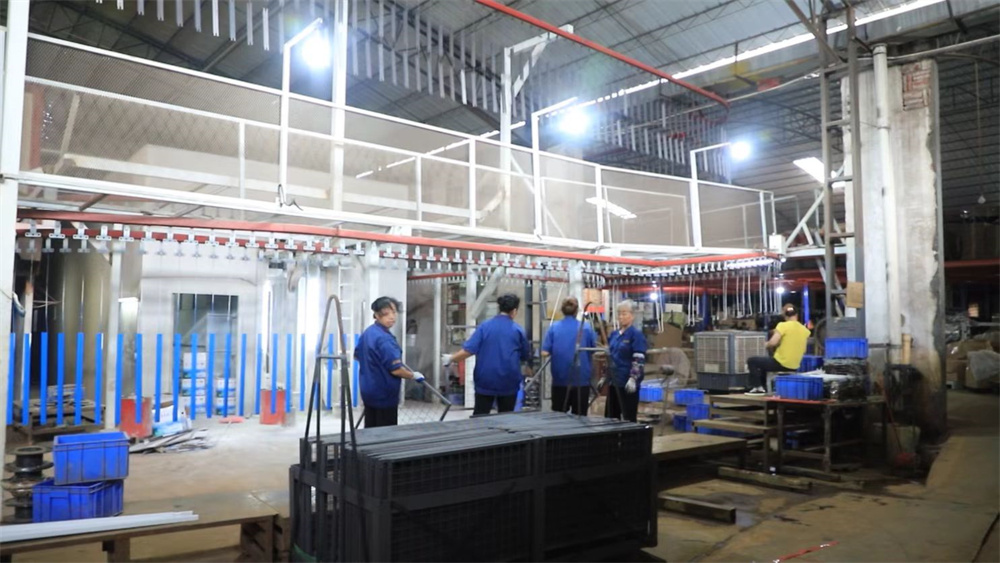
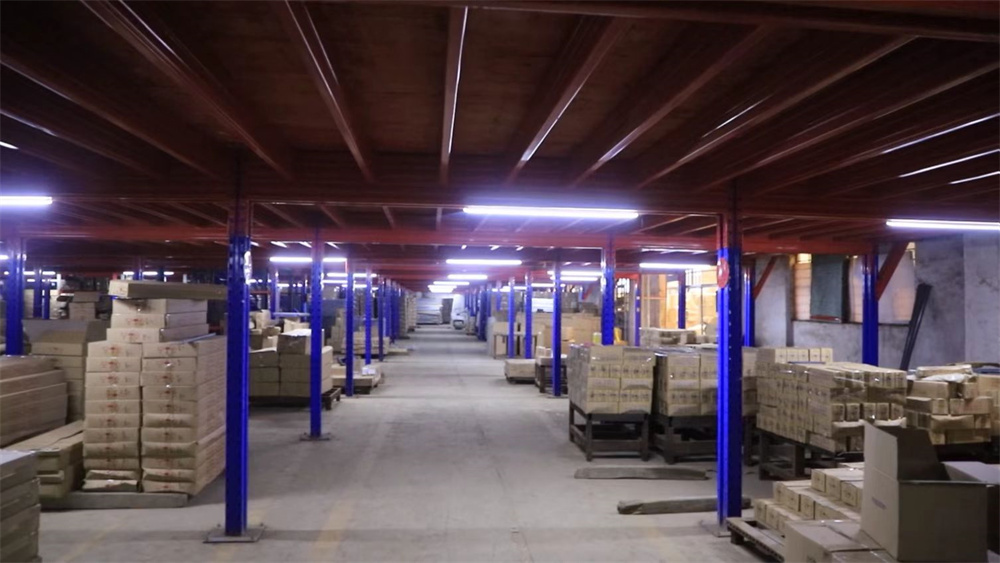
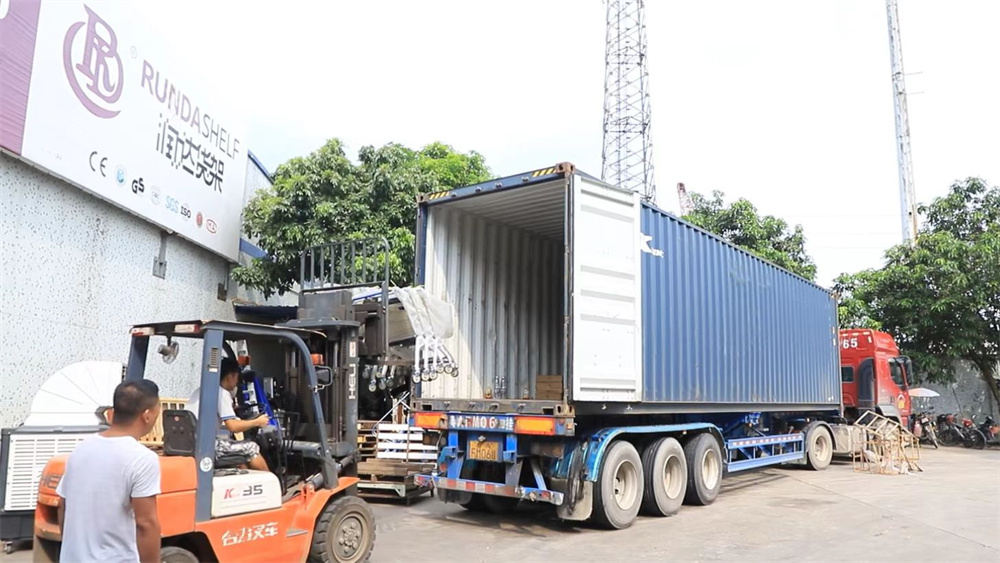
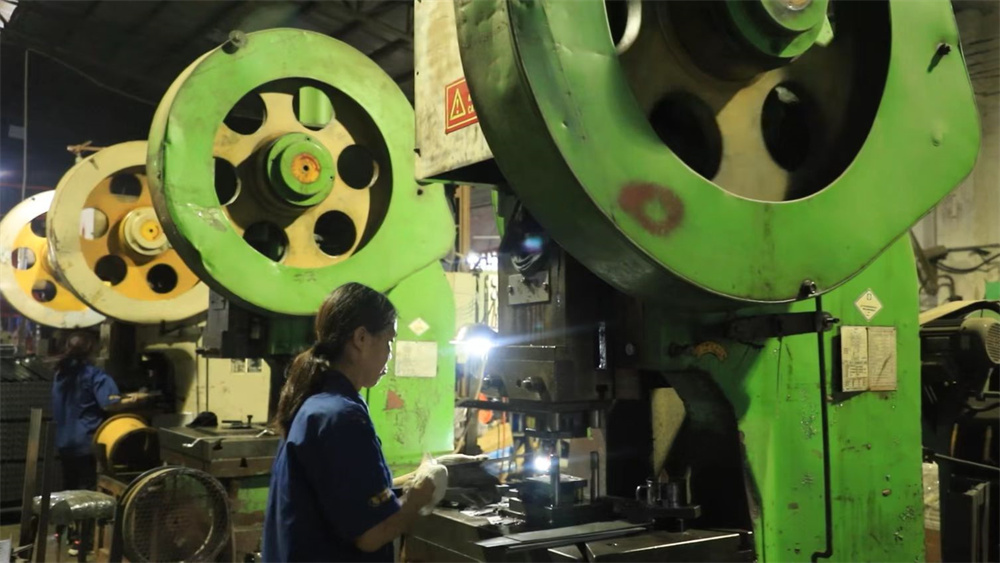
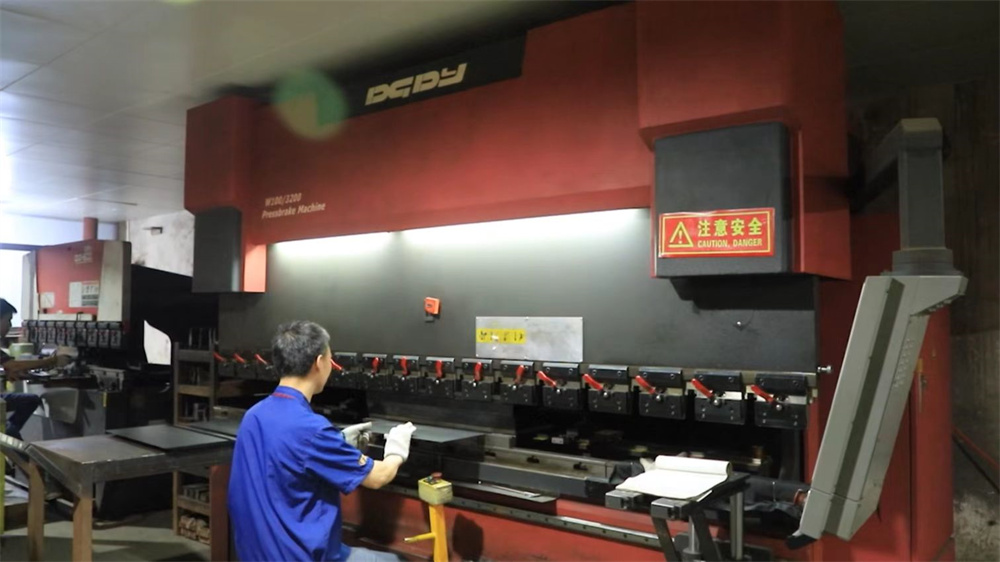
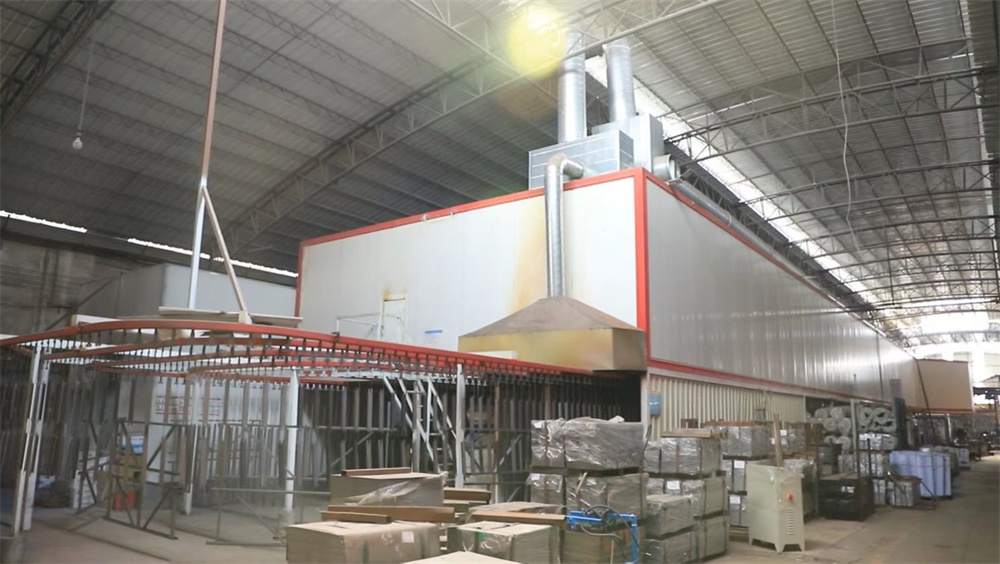
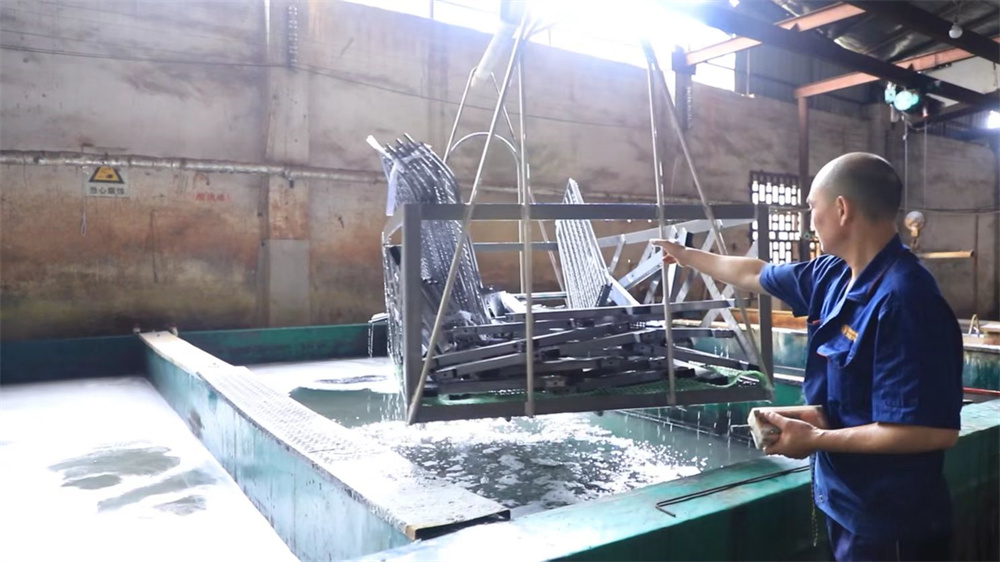
Industrial procurement teams must evaluate structural components based on international compliance and regional stress standards. Carton flow storage systems must pass dynamic loading requirements to prevent material fatigue over decades of continuous operation.
Compliance with European Federation of Materials Handling (FEM) standard 10.2.02 and EN 15512 ensures our structural steels meet deflection limits, elastic thresholds, and structural load calculations.
For North American distribution hubs, our racking designs conform to the Rack Manufacturers Institute (RMI) MH16.1 specifications, providing structural safety factors and impact resistance ratings.
Every batch of cold-rolled profiles undergoes rigorous tensile strength testing, paint thickness inspections (exceeding 60-80 microns), and structural weld checks to ensure durability under stress.
Transitioning to high-density dynamic storage requires robust engineering support. We assist our clients with:
As the material handling sector embraces digitalization, the carton flow racking is evolving from a passive steel framework into a smart, data-driven node within the warehouse ecosystem. Looking toward 2030, several advancements will reshape how distribution centers use gravity-fed structures:
Integrating miniature, self-powered force sensors within roller tracks will allow tracking systems to monitor flow speeds and package weights in real-time. This provides instant alerts on cargo blockages or lane delays, feeding data back to the Warehouse Management System (WMS).
Next-generation polymer rollers are shifting to bio-based and recycled structural resins. This reduces the carbon footprint of structural parts while maintaining low friction coefficients and high impact strength.
Adapting to changing SKU dimensions is a major challenge for modern warehouses. Future carton flow designs will use toolless adjustable guides and snap-fit rollers, allowing logistics crews to restructure lanes within minutes to fit new product shapes.
Faced with stricter hygiene rules in cold-chain food processing and pharmaceutical transport, manufacturers are coating structural components with antimicrobial agents that prevent mold and bacteria buildup in damp environments.
Detailed technical answers to common questions asked by warehouse managers, design engineers, and procurement directors during project planning.
 Runda Racking