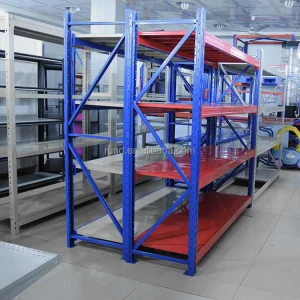
Engineered high-density storage configurations designed to maximize vertical warehouse footprints across Southern California logistics corridors.
Navigating real estate premiums, strict building codes, and seismic regulations in the US gateway of international trade.
Los Angeles is the crown jewel of the United States logistics ecosystem. Processing more than 40% of all US containerized imports through the Port of Los Angeles and Port of Long Beach, the Southern California warehouse network encompasses millions of square feet across the Los Angeles basin, extending deep into the Inland Empire corridor (Ontario, Fontana, Rancho Cucamonga). In this hyper-competitive industrial market, warehouse rent costs have reached historic heights. Maximizing vertical cubic space is no longer just a structural option; it is a critical commercial necessity.
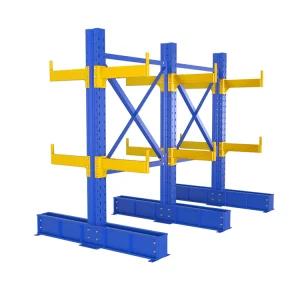
For operations dealing with oversized, bulky, or non-standard cargo—such as heavy steel tubing, industrial timber, structural lumber, extrusion pipes, and machinery parts—standard selective pallet racking is insufficient. The absolute solution is the heavy-duty cantilever racking system. However, deploying industrial storage installations in Southern California requires complying with some of the most rigorous structural codes in the world.
Southern California is active with major seismic faults. The City of Los Angeles Department of Building and Safety (LADBS) enforces strict regulations on industrial steel storage racks. Under the International Building Code (IBC) and the Rack Manufacturers Institute (RMI) MH16.1 specifications, any cantilever rack installed in Los Angeles must be designed to withstand high seismic forces (Seismic Design Categories D, E, or F).
This means standard, generic racking structures purchased off-the-shelf are not legally compliant or safe. Local engineering departments require formal calculations stamped by a California-licensed Structural Engineer (SE). Crucial design factors include:
How worldwide logistics trends are shaping the future of heavy industrial storage.
The global demand for industrial heavy-duty racking systems is experiencing a structural evolution. Driven by the expansion of e-commerce, the development of green infrastructure, and global manufacturing nearshoring, businesses are shifting away from traditional selective shelving systems. Modern logistics networks require high-density, flexible, and automated storage solutions.
Modern cantilever systems are being adapted for integration with Automated Guided Vehicles (AGVs) and Automated Storage and Retrieval Systems (ASRS). Racks must be manufactured to extremely tight tolerances (less than 1.5mm deviation) to ensure robotic loading mechanisms function correctly without sensor interruptions.
Industrial facilities no longer just store steel. They store massive wind turbine parts, battery modules, solar panels, and composite polymer sheets. Cantilever arms must feature adjustable locking mechanisms to adapt to changing product shapes and dimensions without requiring structural rebuilds.
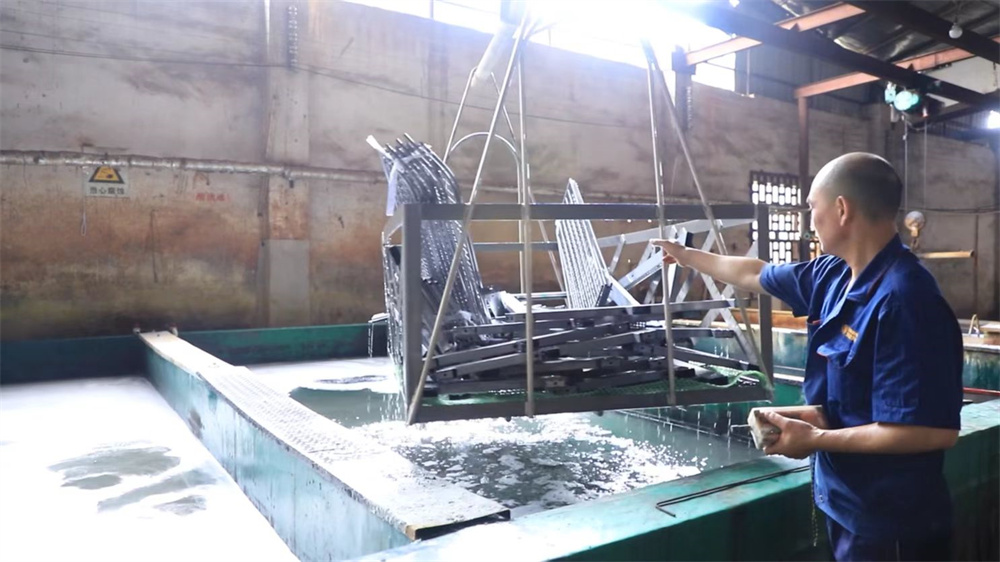
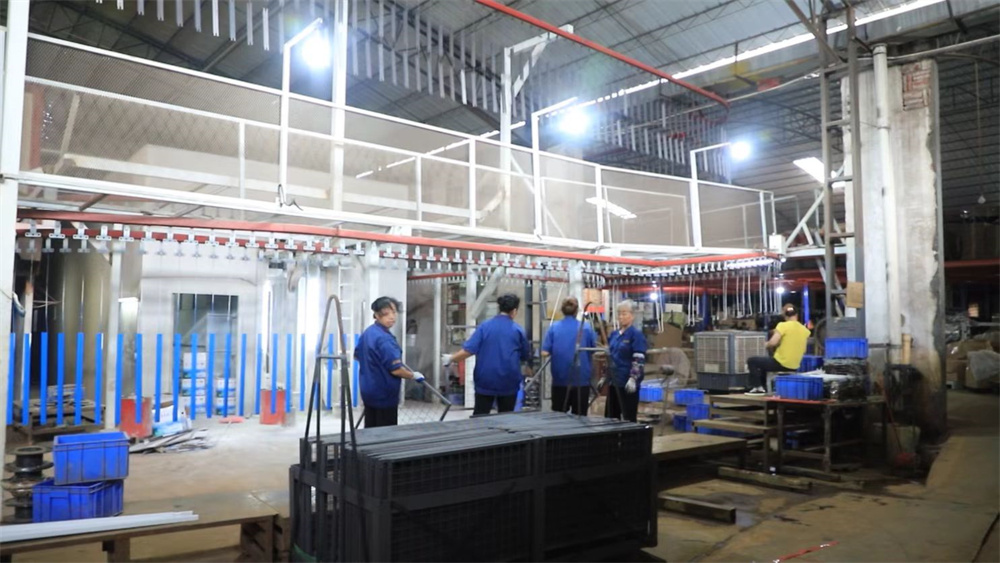
High-end corporate buyers insist on zero-VOC (Volatile Organic Compound) electrostatic powder coating finishes. This is critical for internal environment health, particularly under California's Proposition 65 guidelines. Long-term outdoor storage also requires hot-dip galvanized (HDG) corrosion protection to prevent environmental degradation.
Why global purchasing managers source from Shenzhen Runda Racking Manufacturing Co., Ltd.
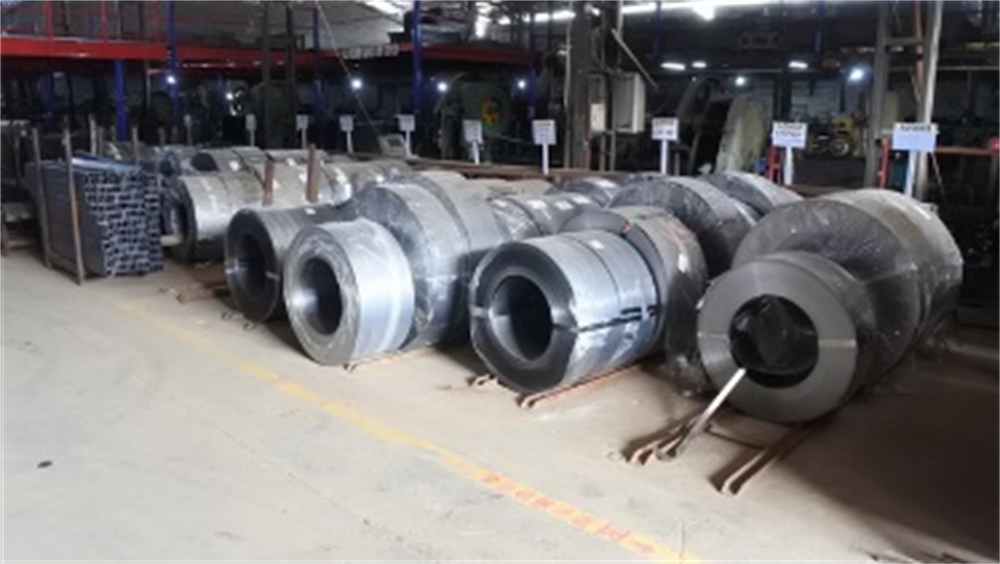
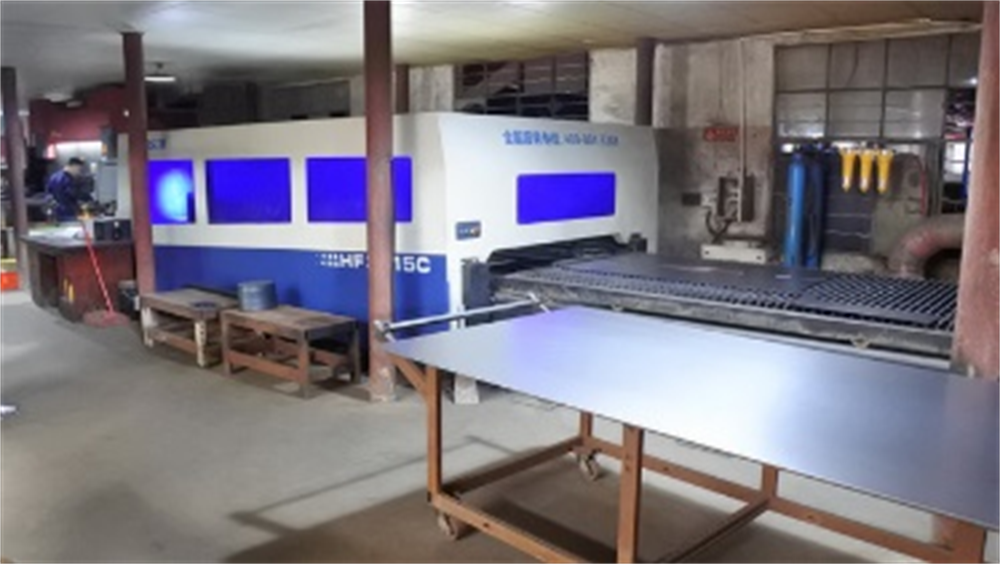
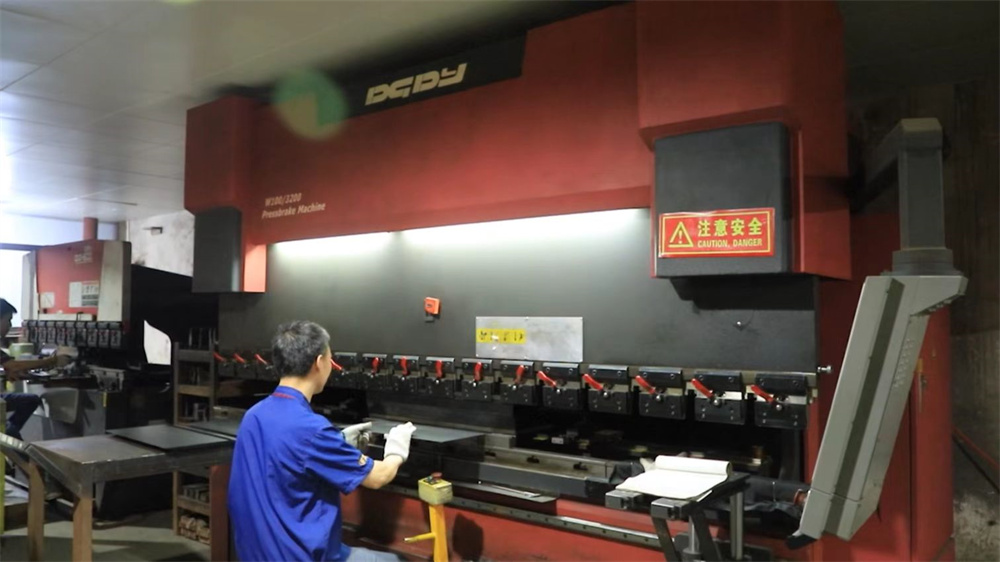
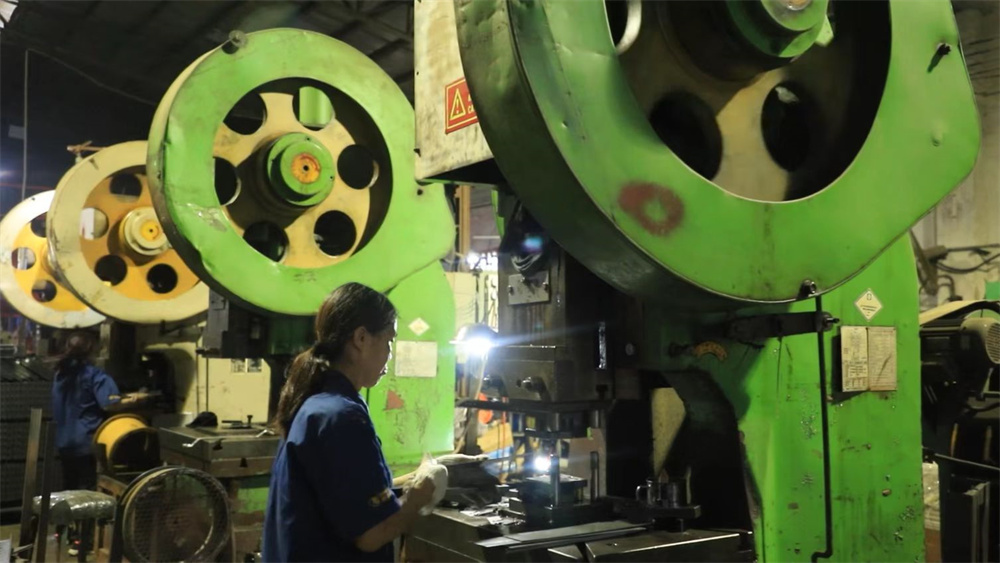
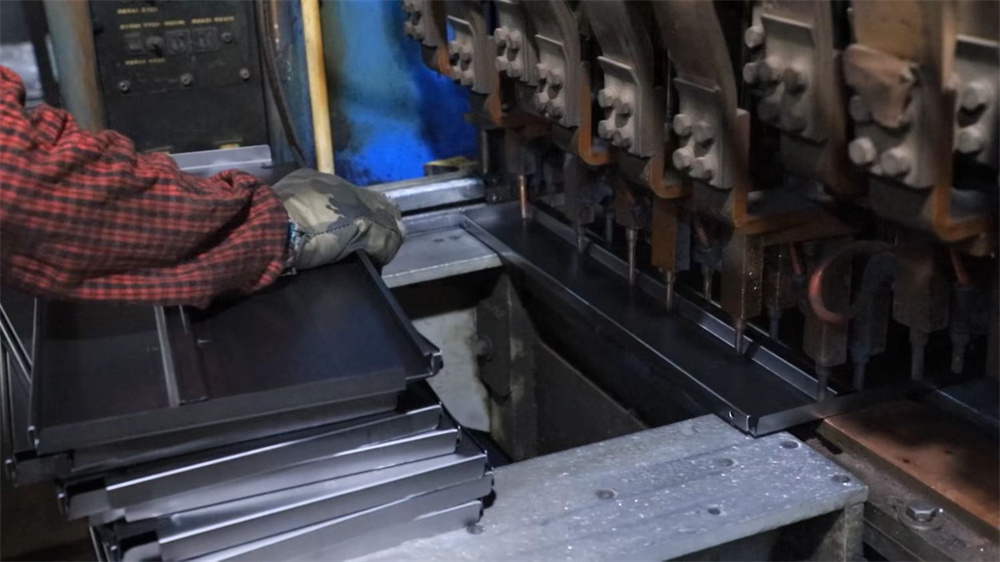
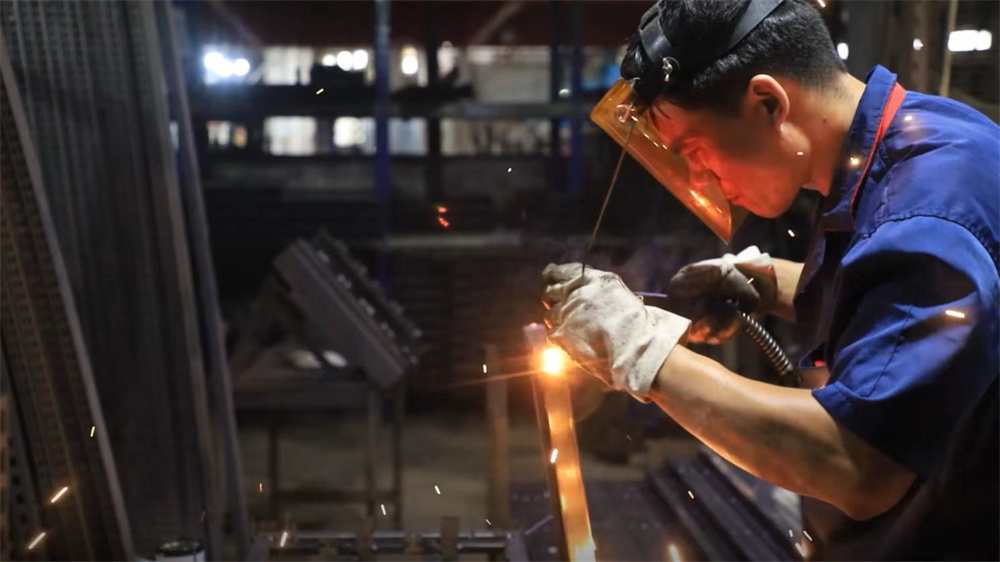
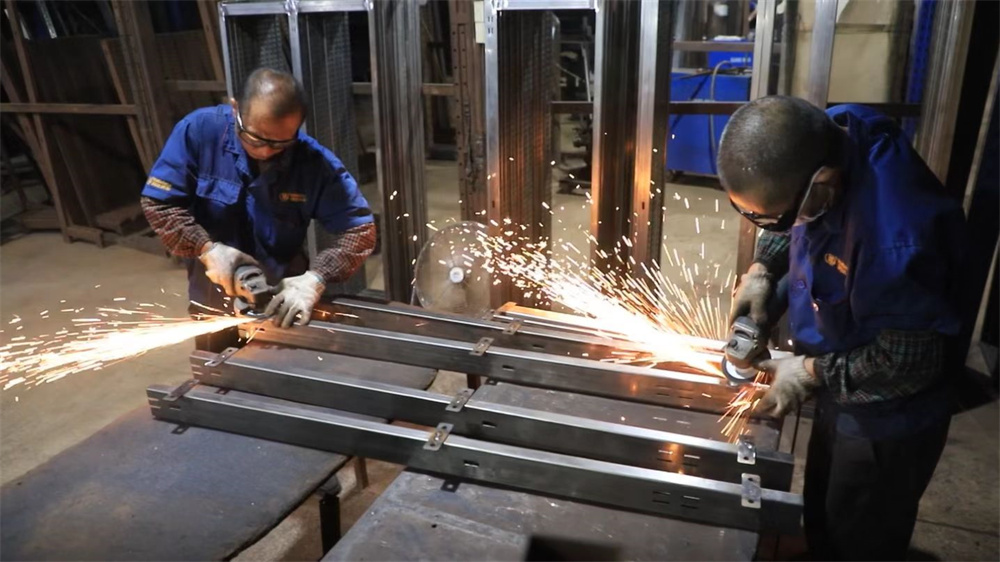
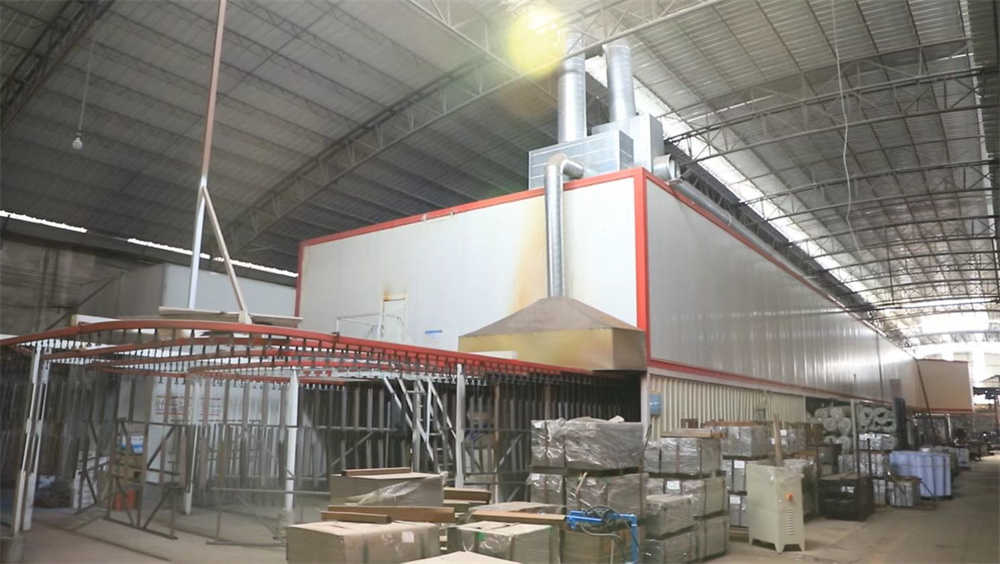
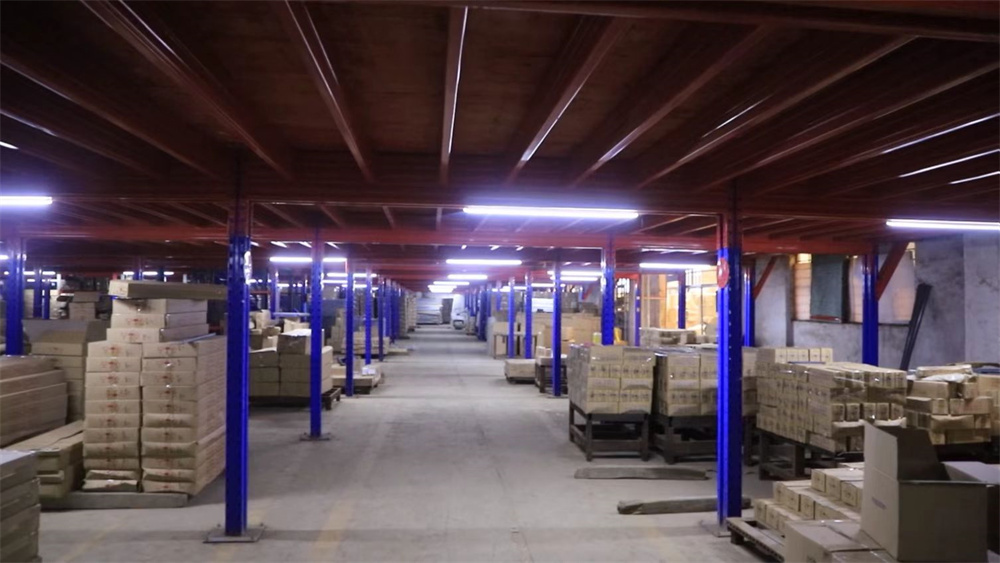
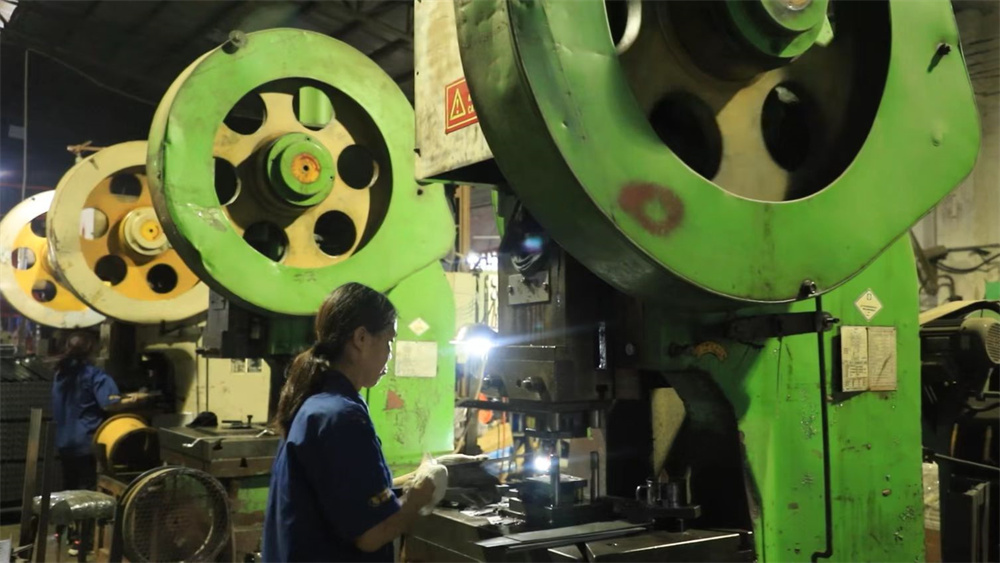
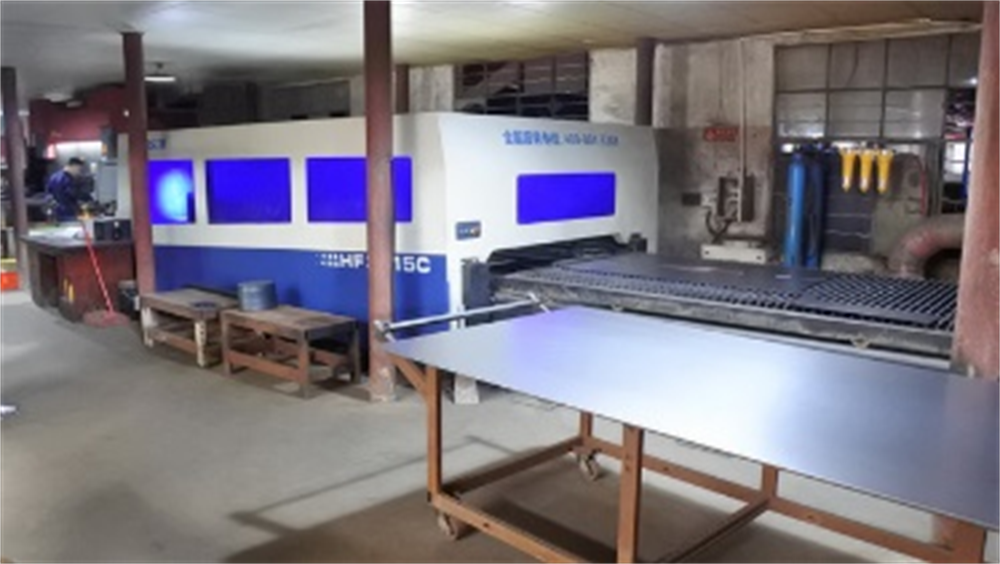
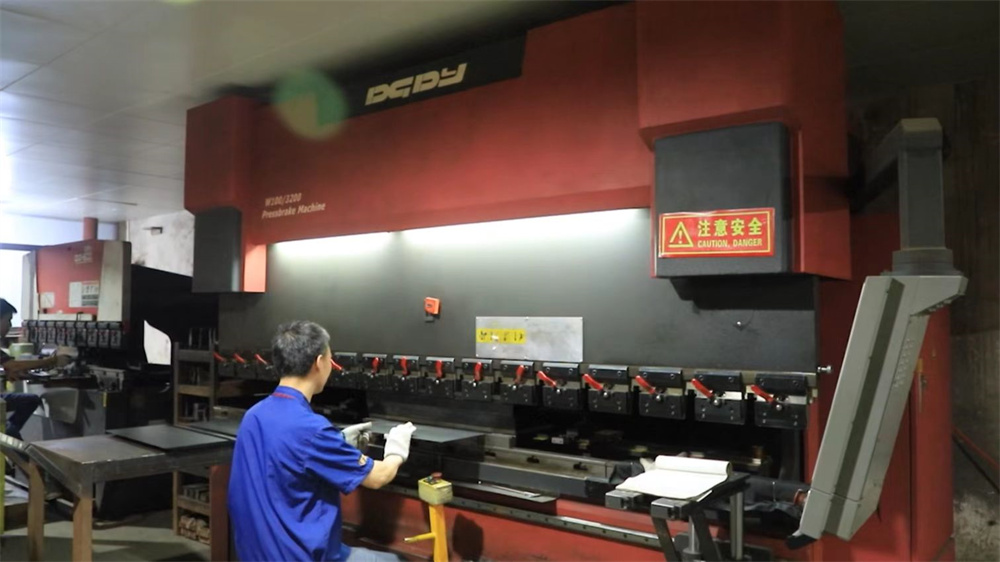
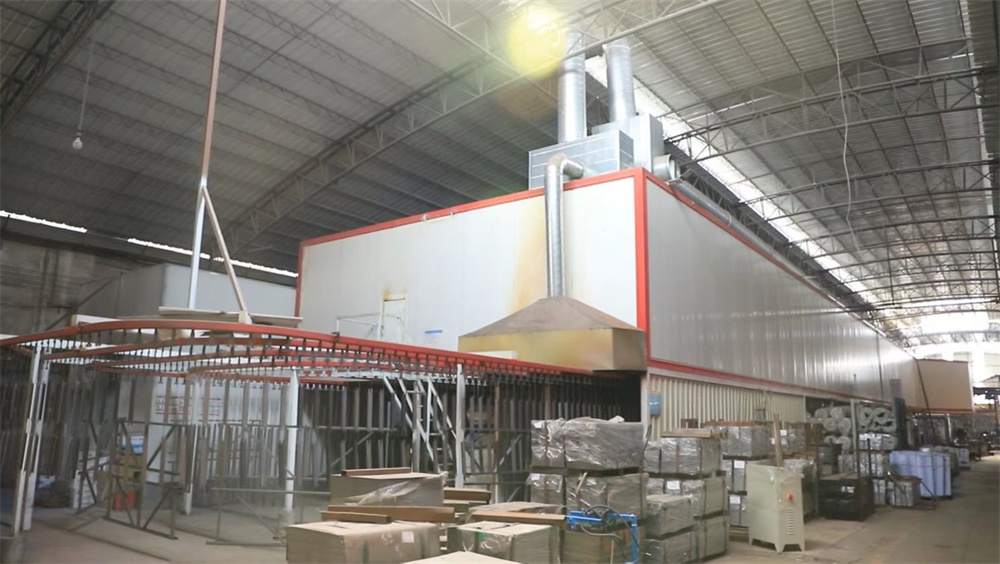
Established in 2015, Shenzhen Runda Racking Manufacturing Co., Ltd. has grown into a premier global manufacturer of heavy-duty industrial shelving and high-density warehouse storage systems. Operating from a modern 35,000 square meter production facility, our infrastructure is supported by a network of over 1,200 supply chain partners, driving an annual export turnover of $28 million. Our primary markets span North America, Western Europe, Southeast Asia, and the Middle East.
Direct sourcing from a top-tier Chinese racking exporter like Shenzhen Runda offers significant cost efficiency and quality control advantages compared to sourcing through local middle-tier distributors in the US:
Optimized storage strategies matching the specific commercial patterns of Los Angeles County.
Our cantilever rack systems are customized to serve a variety of specialized industries throughout the Southern California market:
Engineered options designed for heavy industrial use and commercial optimization.
Crucial engineering, customs, and shipping parameters for purchasing managers.
Purchasing heavy industrial equipment from overseas factories requires careful planning. To ensure a smooth transaction and prevent delivery delays or compliance issues, procurement managers should focus on the following details:
Before requesting a quote, prepare a detailed design specification sheet. This must include:
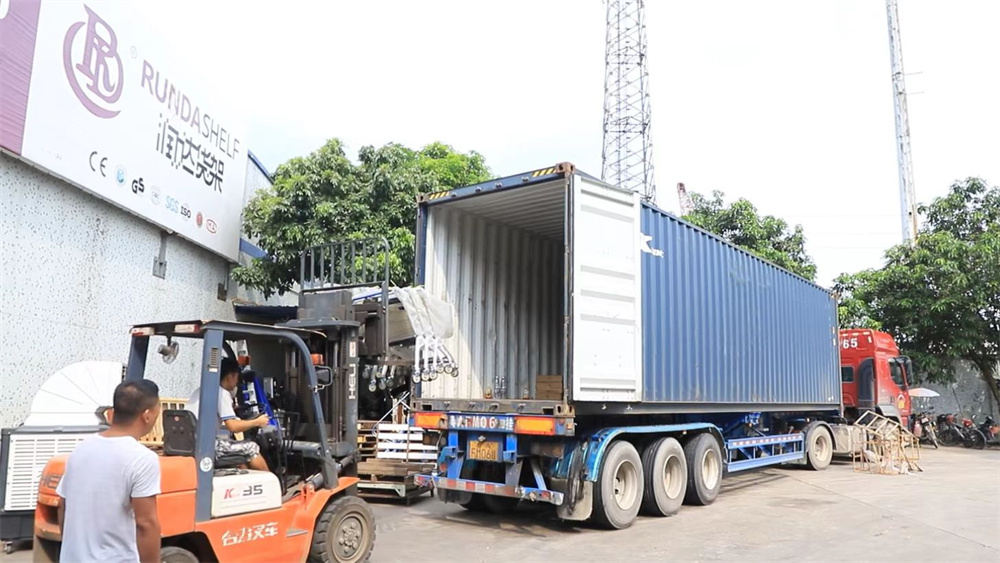
Shenzhen Runda coordinates the shipping process from our manufacturing plant to the Port of Shenzhen. We provide full container loading (FCL) service using 45ft high-cube or 40ft open-top containers, which are optimized for shipping long upright columns. Transit times from Shenzhen to the Port of Los Angeles or Long Beach typically range from 14 to 18 days, followed by customs clearance and final transport to your warehouse.
Expert technical insights regarding engineering compliance, custom design, and shipping logistics.
 Runda Racking