Engineered to handle extreme loads, ensure absolute warehouse safety, and optimize storefront space efficiency.
A comprehensive study on warehouse design optimization, compliance metrics, and lifecycle logistics efficiency.
In the highly competitive landscape of global supply chain management, selecting an optimized warehouse storage configuration represents one of the most critical operational decisions. Modern material handling relies heavily on Selective Pallet Racking systems—a configuration recognized universally for providing 100% SKU accessibility, unmatched load flexibility, and straightforward scalability. As logistics networks face intense pressure from SKU proliferation and compressed delivery timelines, industrial operators must partner with elite selective racking factories and exporters capable of aligning structural design with international standards.
According to the latest Global Warehousing Logistics Index, warehouse occupancy rates have hit record levels, driving demand for vertical footprint expansion. Unlike specialized high-density systems (such as Drive-In or Push-Back), Selective Racking serves as the structural foundation for facilities requiring quick access to multiple SKUs under FIFO (First-In, First-Out) inventory management protocols. Understanding the balance between steel grade specifications, engineering compliance, and localized site demands is key to maximizing warehouse ROI and ensuring operational safety.
Analyzing key structural shifts in industrial real estate and how they reshape structural racking requirements.
Modern selective racking must integrate seamlessly with Automated Guided Vehicles (AGVs), Autonomous Mobile Robots (AMRs), and warehouse management software (WMS) control networks.
High-hazard seismic zones require advanced engineering, including heavy-duty baseplates, high-ductility steel grades (Q355B), and finite element analysis (FEA) to resist lateral forces.
Top-tier industrial buyers require certified mill test reports (MTRs) and structural weld inspections matching ISO, CE, RMI, or AS4084 standards to minimize asset liability risk.
Providing global clients with high-performance racking, verified by strict structural certifications and modern manufacturing processes.
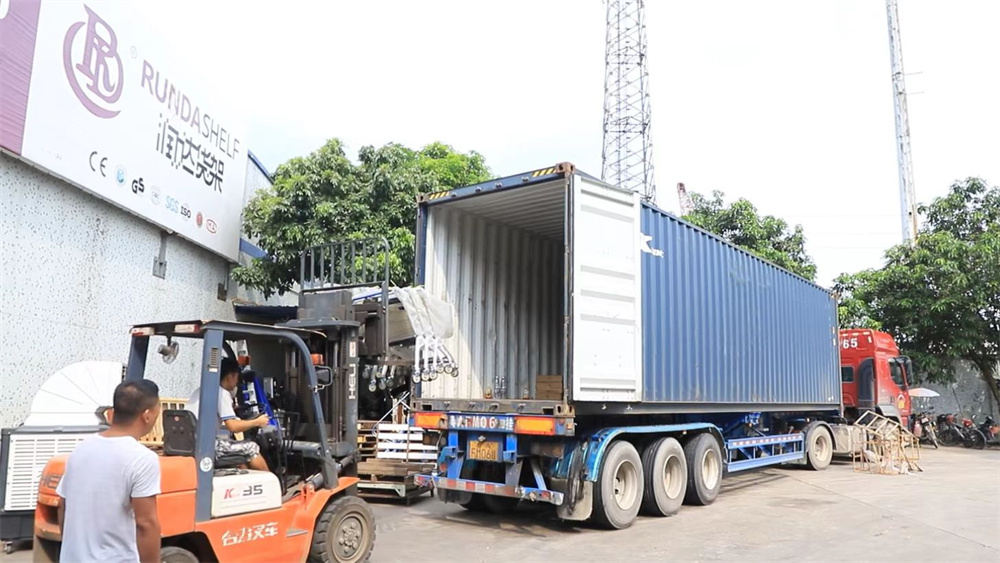
Established in 2015, Shenzhen Runda Racking Manufacturing Co., Ltd. is a premier manufacturer specializing in heavy-duty industrial shelving and high-density warehouse storage solutions. With over 11 years of deep industry expertise and 9 years of active global export experience, we deliver tailored racking systems to logistics hubs, distribution centers, and manufacturing plants worldwide.
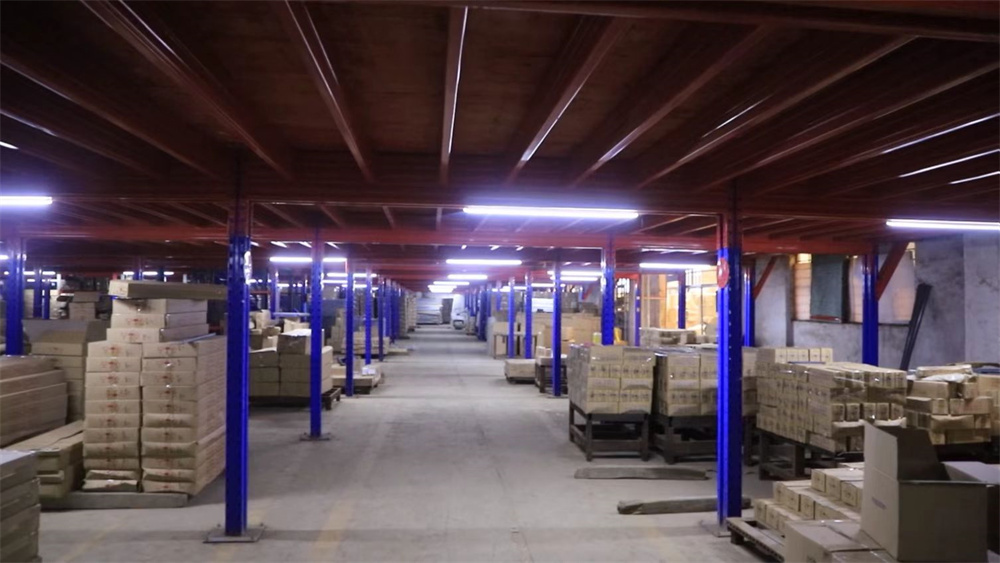
Operating from a modern 35,000 square meter production facility, our operations are powered by a robust network of over 1,200 trusted supply chain partners. This enables us to achieve an annual export turnover of $28 million. Our primary markets span North America, Western Europe, Southeast Asia, and the Middle East, where we proudly serve industrial distributors, large-scale third-party logistics (3PL) operators, and direct enterprise buyers.
How automation and advanced metal fabrication processes ensure structural consistency and shorter delivery lead times.
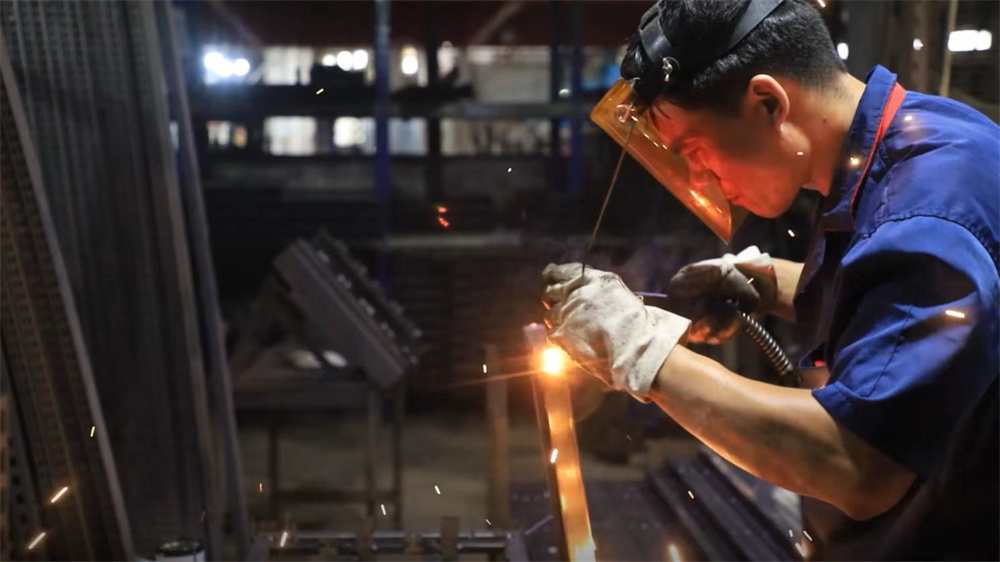
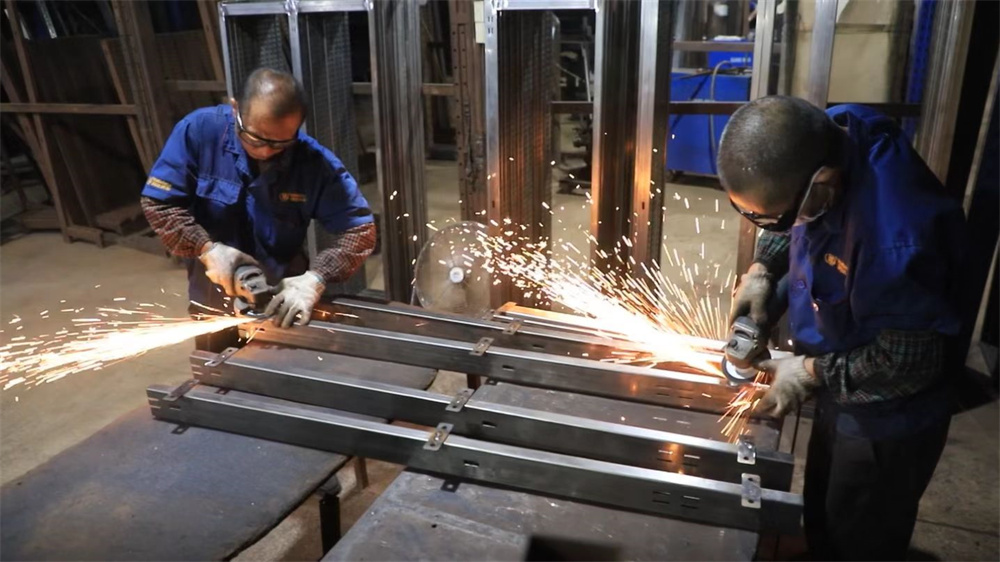
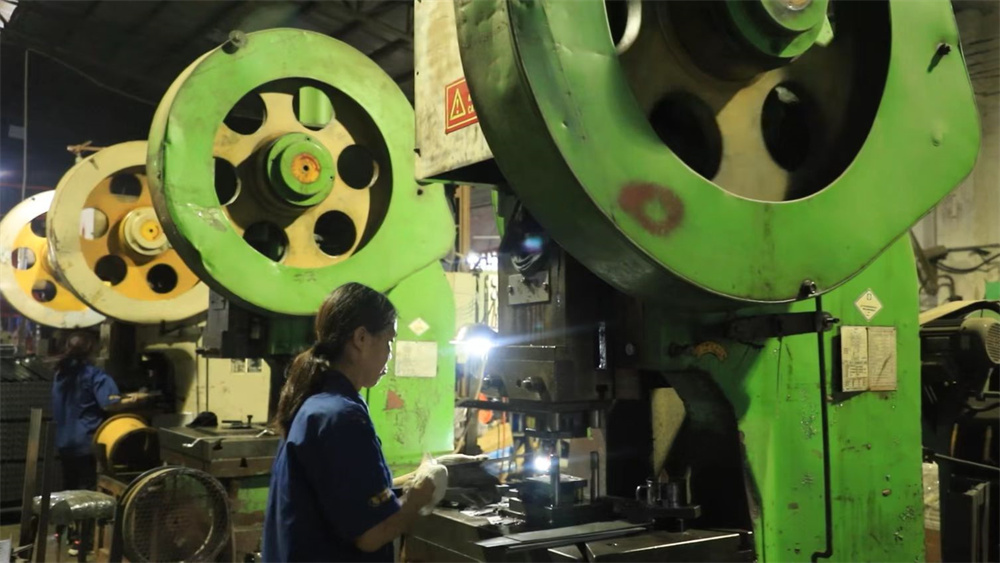
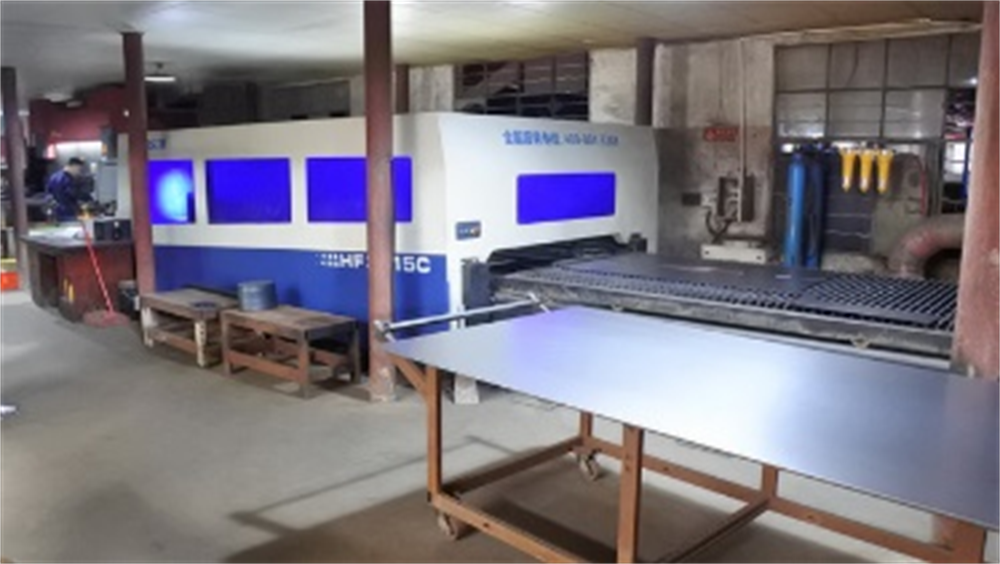
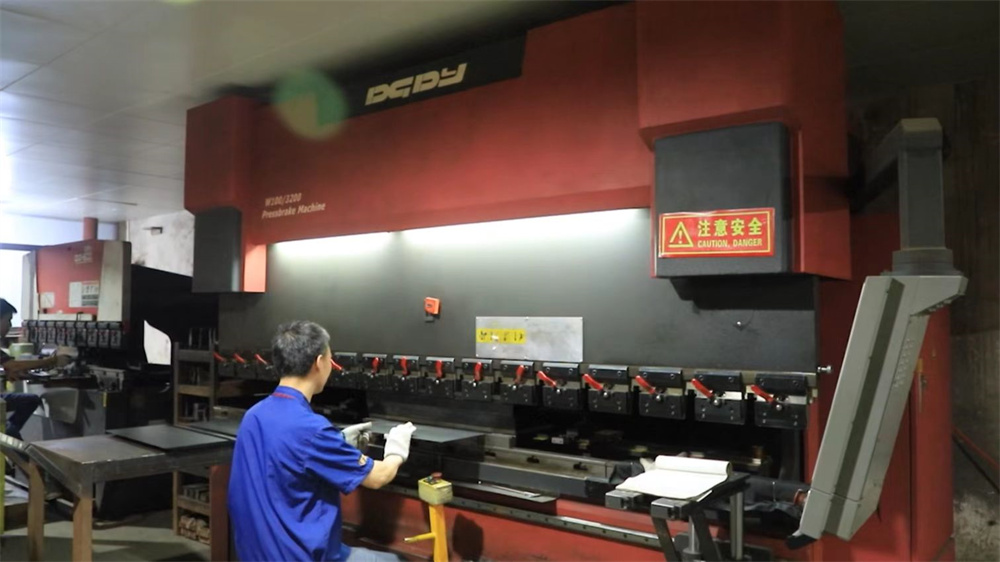
The efficiency of Shenzhen Runda's Factory 4.0 configuration relies on integrating high-precision automated manufacturing machinery. Advanced CNC laser cutting machines, multi-station automated roll-forming lines, and robotic welding stations guarantee consistency with tolerances down to the millimeter. This precision is essential because minor deviations in upright columns or load-bearing beams can cause localized stress concentrations, compromising safety under full-load capacities.
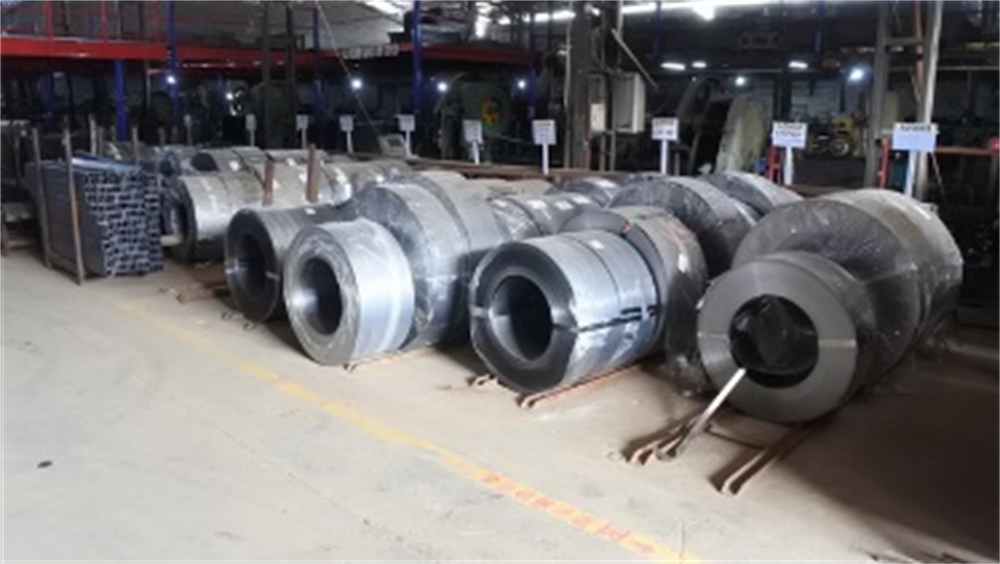
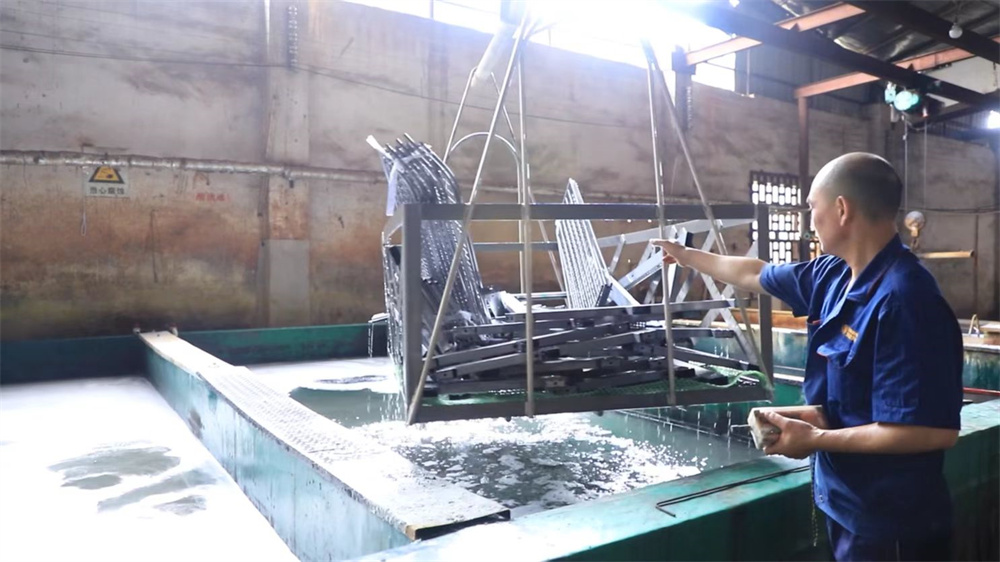
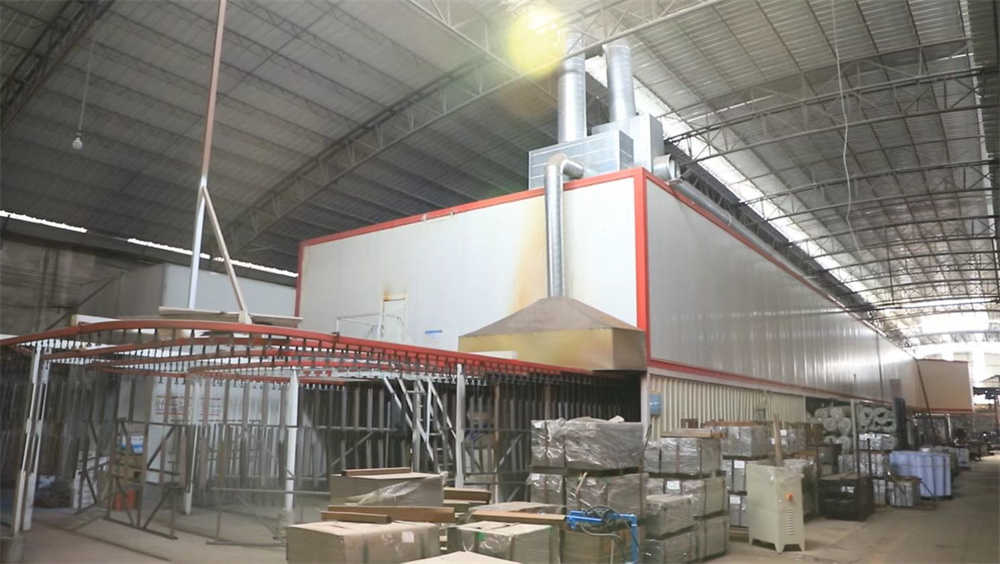
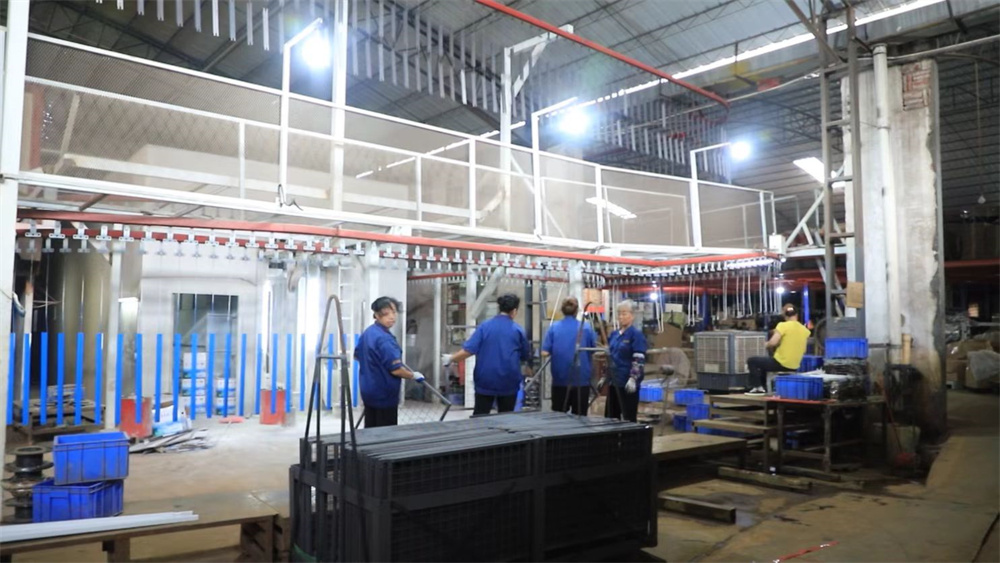
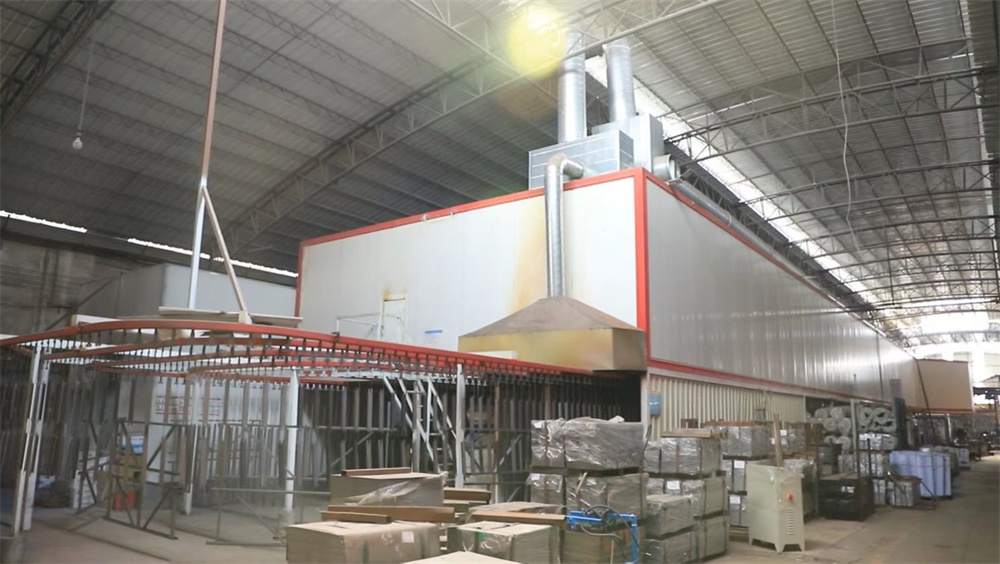
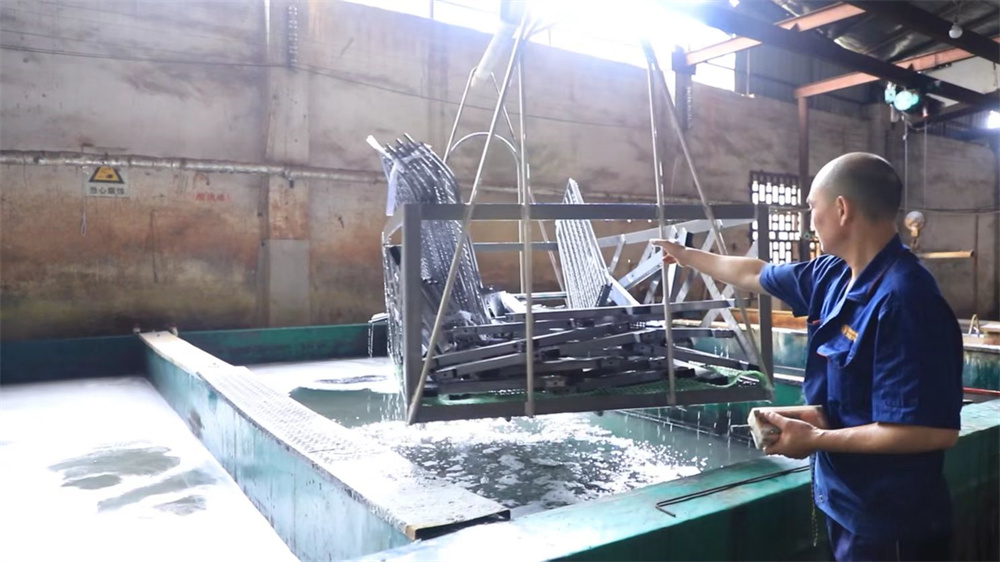
By sourcing raw structural steel directly from state-owned mills and using automated electrostatic powder coating lines, Shenzhen Runda guarantees superior protection against corrosion and mechanical wear. This makes our racking ideal for demanding environments, from high-humidity coastal facilities to temperature-controlled cold storage warehouses.
Our quality assurance process is managed by 35 dedicated QC professionals. They perform regular load tests, weld integrity testing, and chemical analysis, ensuring all selective racking products match global compliance standards including ANSI/MH16.1 (RMI), EN 15512, and AS4084-2012.
A detailed step-by-step look at our advanced manufacturing workflow, showing how raw steel is transformed into high-performance industrial racking.
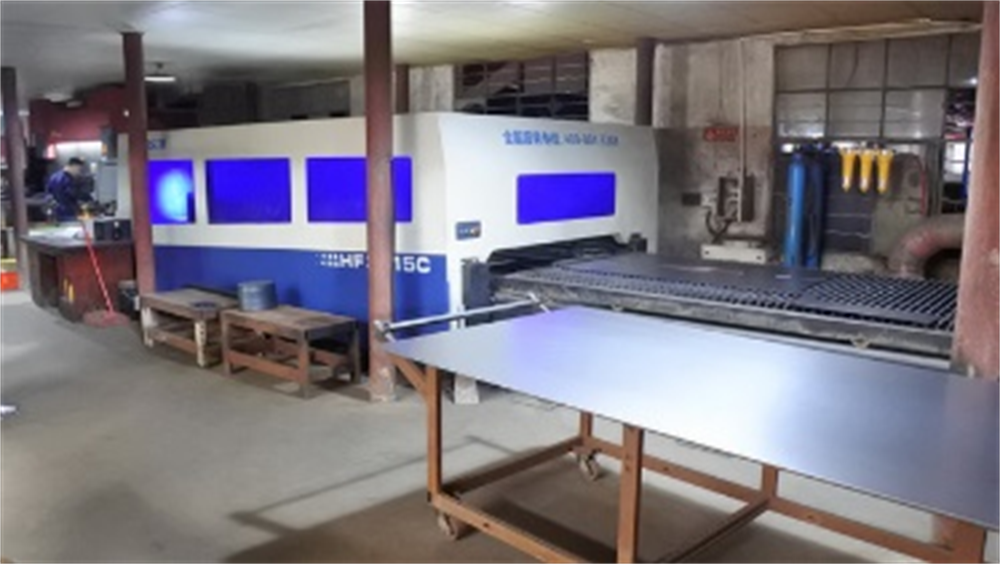
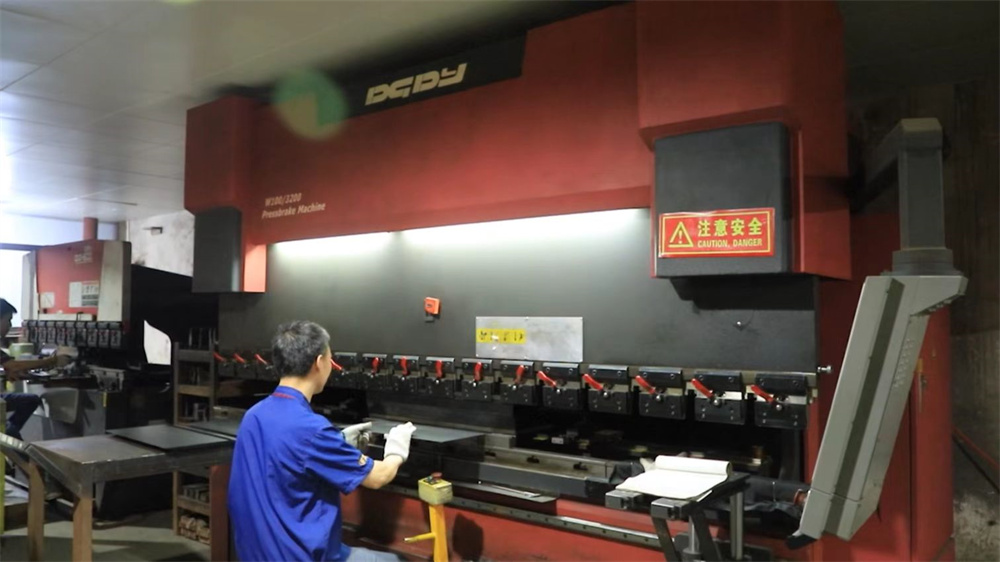
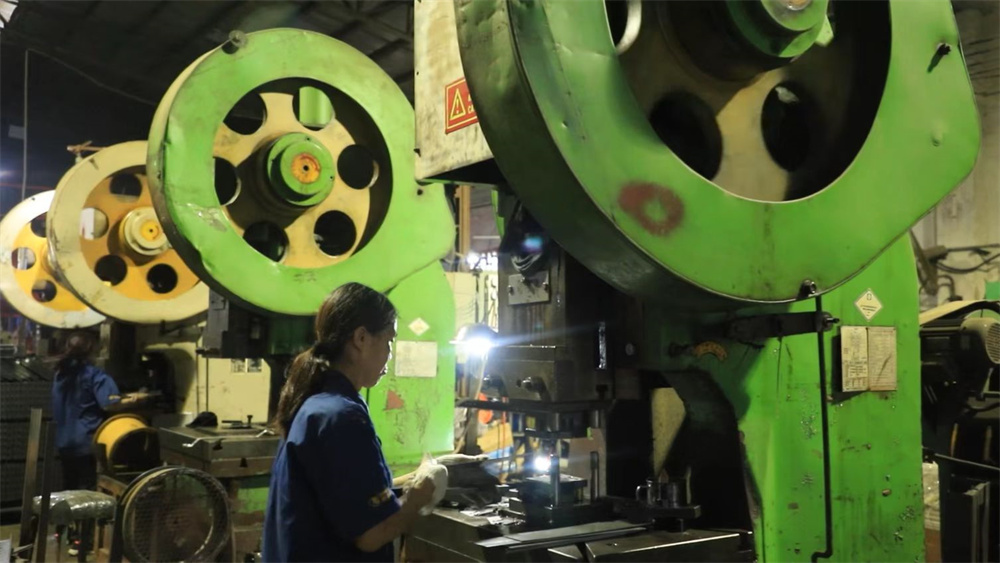
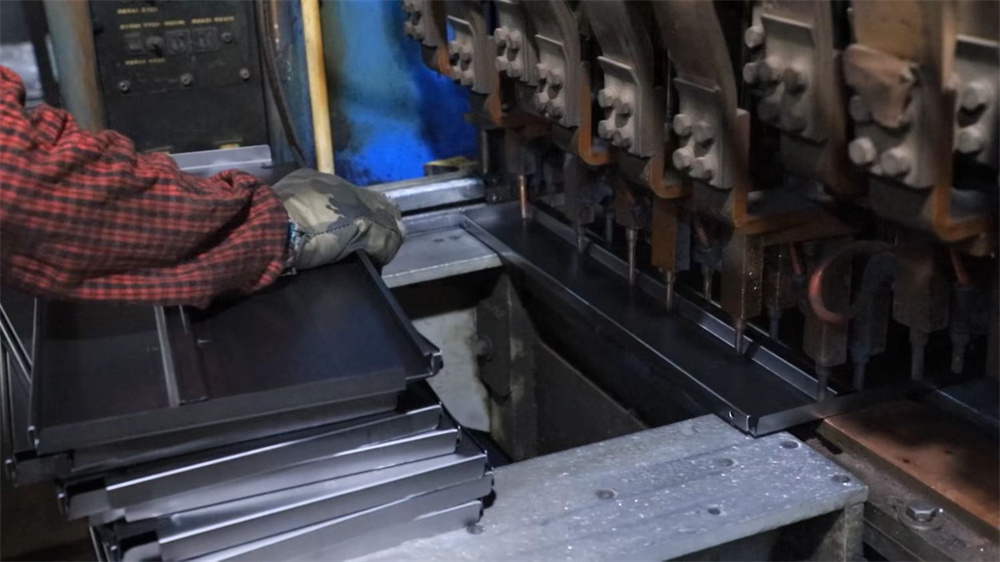
Adapting selective racking parameters to match specific operational requirements and local regulatory codes.
Designed for fast-moving inventory profiles and multiple daily forklift cycles. We construct racking systems utilizing heavy-duty step beams with wire mesh decking to support standard wood pallets, ensuring full compliance with fire safety codes by allowing water flow through the racks.
Engineered for high durability in cold storage conditions down to -30°C. Cold storage facilities feature hot-dip galvanized finishes and high-grade structural alloys to prevent steel embrittlement and coating breakdown under thermal stress.
Built for storing heavy machinery components, dies, and steel coils. We configure customized heavy-duty upright frames and box beams designed to carry loads exceeding 3,000 kg per storage level, incorporating reinforced safety lock pins for maximum stability.
Key information regarding structural steel grades, safety codes, load calculation formulas, and installation processes.
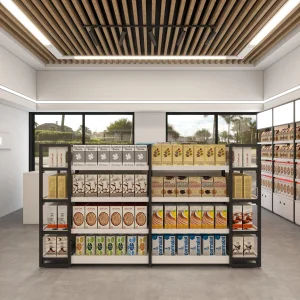
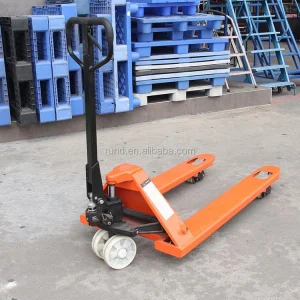
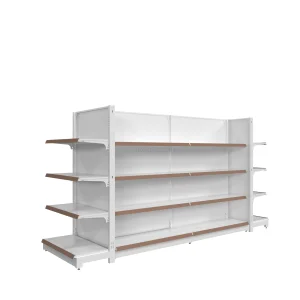
Optimizing operations from heavy-duty distribution centers to retail display floors.
 Runda Racking