High-capacity solutions engineered for seamless warehouse storage logistics, retail distribution hubs, and commercial spaces worldwide.
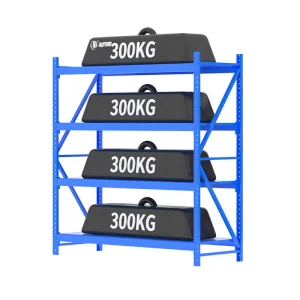
Dynamic push-back racking combines the density of drive-in systems with the versatility of selective setups. By consolidating multi-pallet layouts on inclined tracks, it increases cubic storage footprint utilization by up to 75% compared to conventional layouts.
Designed around Last-In, First-Out (LIFO) material dynamics, push-back storage systems utilize nesting cart assemblies on sloped rails. This structural logic guarantees that retrieval faces are continuously replenished by gravity as pallets are extracted.
Unlike standard drive-in configurations, forklift trucks never enter the racking system. Operating strictly within the main access aisle, operators avoid collisions with upright structures, significantly reducing equipment repair downtime and upkeep costs.
Industrial warehousing is undergoing a profound structural evolution. Rising warehouse land costs, the growth of global cold-chain distribution, and the demand for fast SKU buffering have prompted operators to seek storage methods that yield high density without compromising SKU pick rates. Standard static selective racks require multiple access aisles, occupying valuable warehouse volume. Dynamic push-back racking systems resolve this challenge by converting multiple aisles into deep, high-density storage lanes, accommodating from 2 to 6 pallets deep.
By leveraging custom-manufactured heavy-duty carrier carts, our push-back storage designs allow individual product lanes to maintain separate SKU groupings. This structure optimizes load-holding capacities while granting quick access to individual items. Forklifts do not need to navigate inside rack structures, resulting in cycle times up to 40% faster than those of drive-in systems.
We design, manufacture, and test our push-back systems to withstand heavy loads and maintain peak structural integrity under seismic conditions.
Our dynamic push-back carriages are constructed from high-grade structural steel and equipped with CNC-machined steel wheels. Heavy-duty bearings are shielded against dust and debris, ensuring smooth operation on 3.5% incline rails. This angle is calculated to balance pallet forward flow with push-back force requirements.
Built with robust roll-formed or structural steel column frames, our upright units use tear-drop or keyhole hook configurations. Heavy-duty box beams feature a 4-hook connector connection to resist torsional loading during intensive pallet movement cycles.
Safety is critical in high-density storage operations. Our systems feature physical cart travel stops, anti-lift locks to prevent accidental carriage derailment, and front bumper plates. These design features protect both warehouse workers and cargo from dynamic impact forces.
| Specification Parameter | Performance Details | Engineering Compliance Code |
|---|---|---|
| Standard Pallet Load Capacity | 500 kg to 1,500 kg (1,100 lbs to 3,300 lbs) per pallet position | RMI ANSI MH16.1 / EN 15512 |
| Lane Depth Capabilities | 2, 3, 4, 5, and 6-deep pallet storage configurations | FEM 10.2.02 / AS4084 |
| Steel Raw Material Grade | High-strength structural steel, Q235B and Q355B grades | ASTM / ISO 9001 |
| Finish Surface Treatment | Electrostatic thermosetting polyester powder coating (60-80 microns) | ISO 12944 Corrosion Protection |
| Seismic Design Factors | Customized base plates, diagonal braces, and floor anchoring systems | IBC (International Building Code) |
Established in 2015, Shenzhen Runda Racking Manufacturing Co., Ltd. is a premier manufacturer specializing in heavy-duty industrial shelving and high-density warehouse storage solutions. With over 11 years of deep industry expertise and 9 years of active global export experience, we deliver tailored racking systems to logistics hubs, distribution centers, and manufacturing plants worldwide.
Operating from a modern 35,000 square meter production facility, our operations are powered by a robust network of over 1,200 trusted supply chain partners. This enables us to achieve an annual export turnover of $28 million. Our primary markets span North America, Western Europe, Southeast Asia, and the Middle East, where we proudly serve industrial distributors, large-scale third-party logistics (3PL) operators, and direct enterprise buyers.
Quality and innovation drive our core philosophy. We maintain strict quality control through full-process sampling inspection, raw material stress testing, and load-bearing verification, backed by a dedicated team of 35 QC professionals. Innovation is led by our 18 experienced R&D engineers who continuously refine structural efficiency—releasing over 120 new and upgraded storage products last year alone. We offer comprehensive OEM/ODM and full custom manufacturing services, including tailored load capacities, custom dimensions, corrosion-resistant powder coatings, and specialized seismic structural designs.
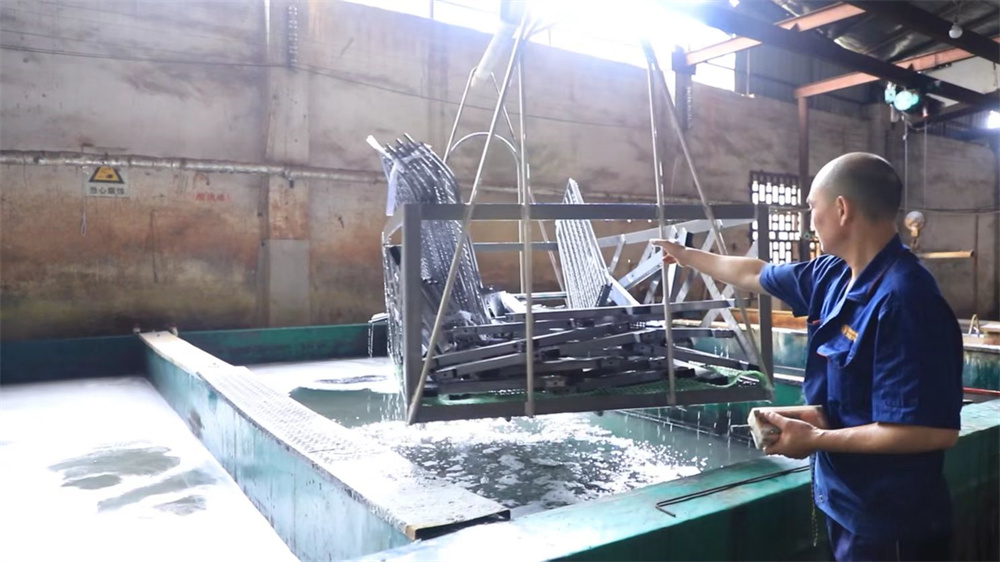
Every component is engineered to exact tolerances within our state-of-the-art facility.
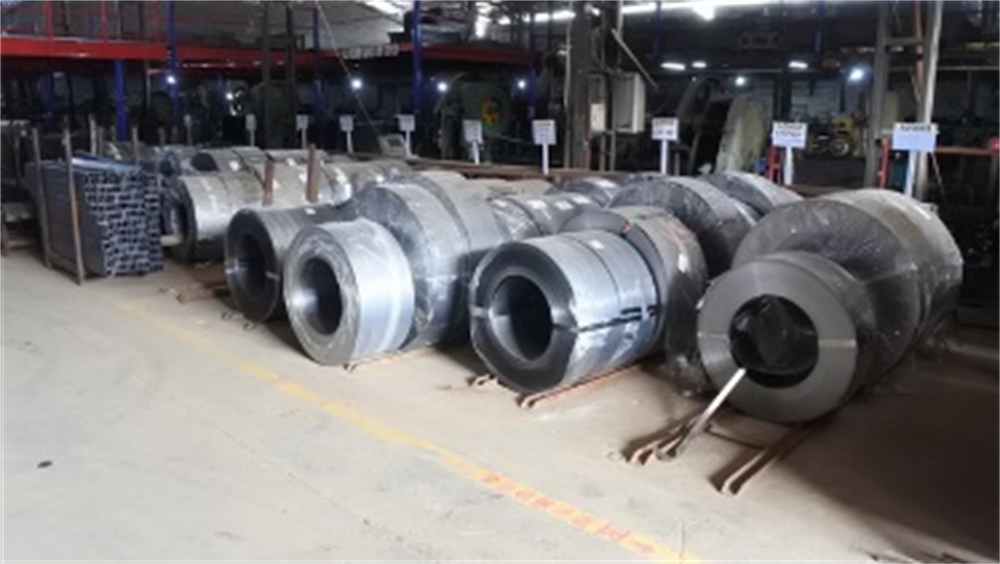
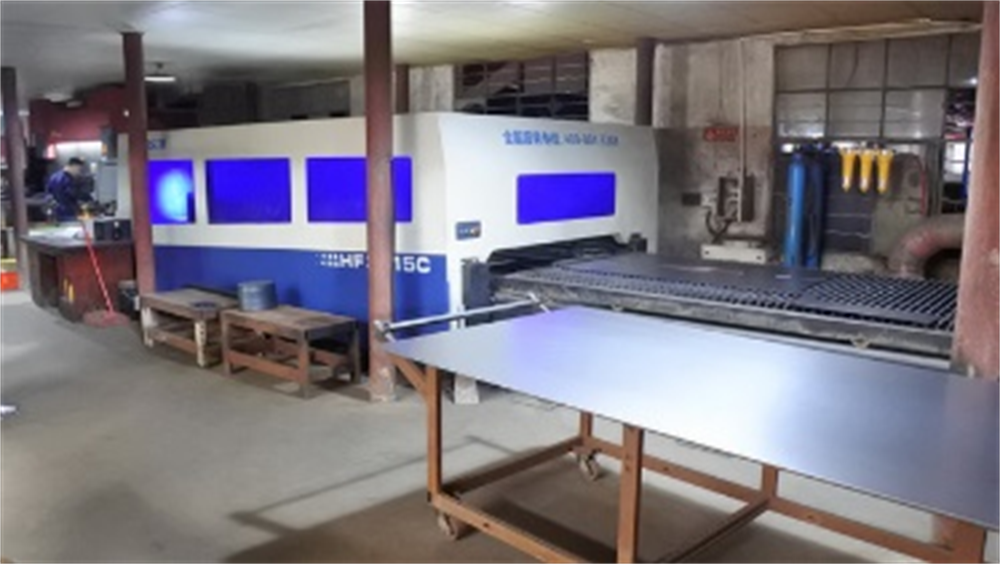
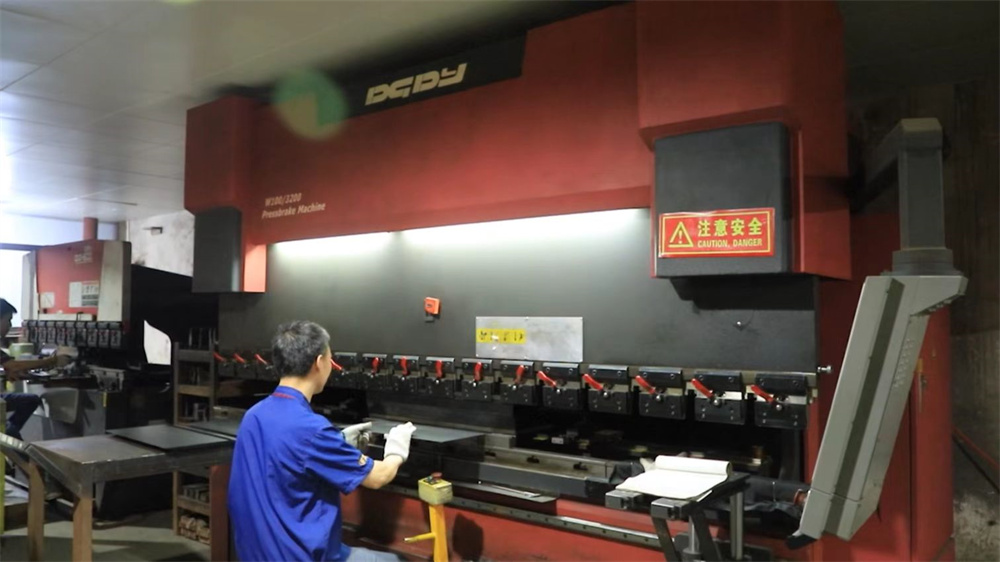
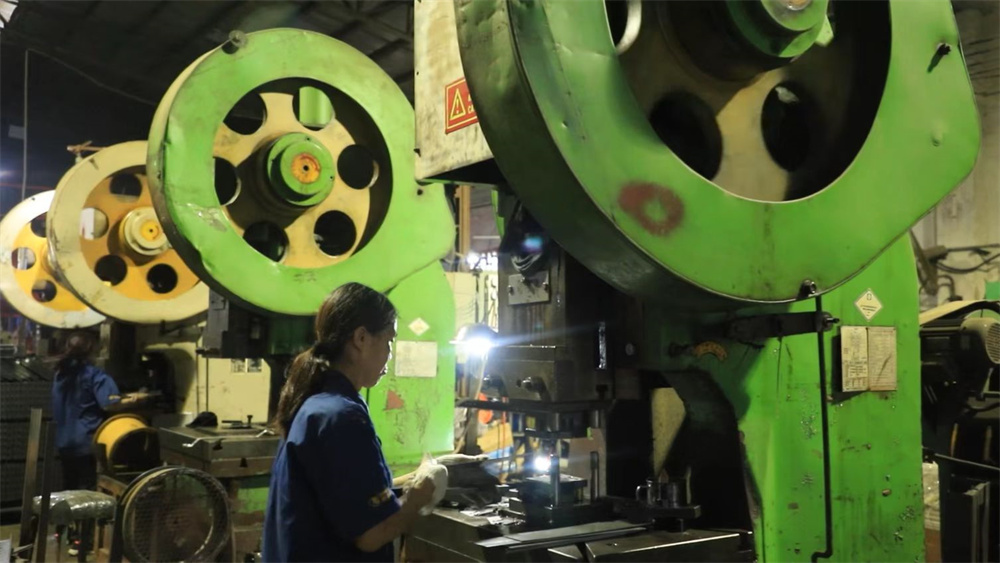
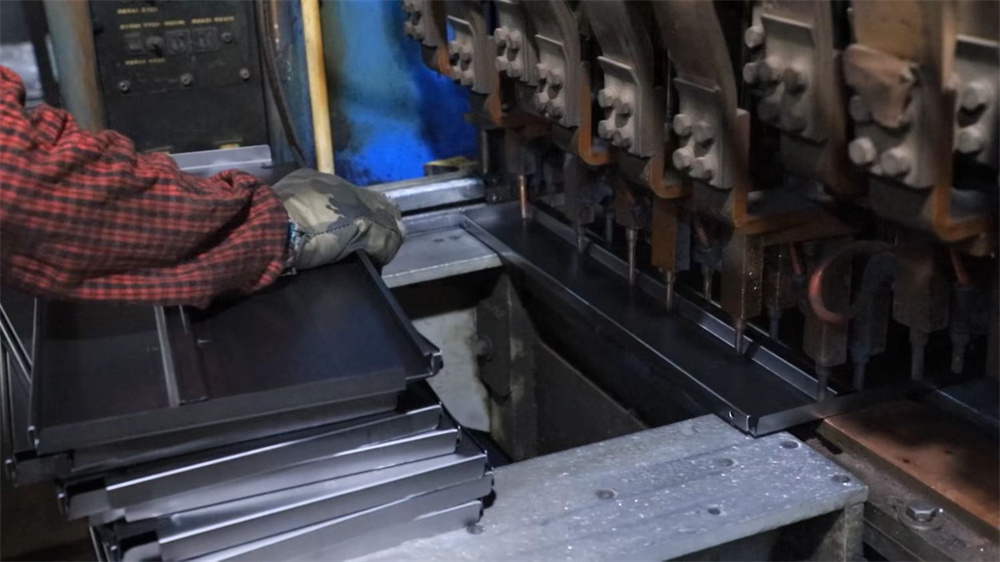
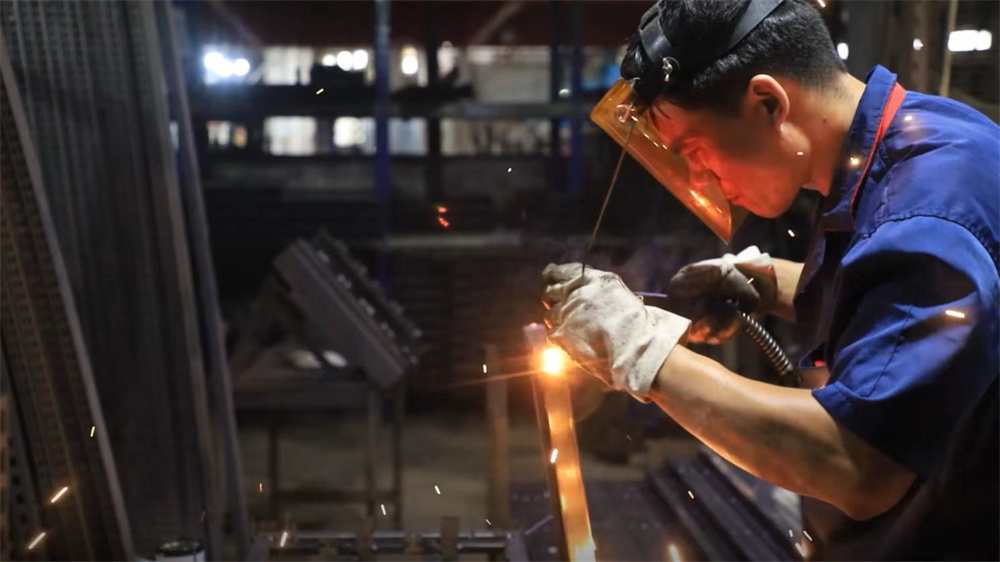
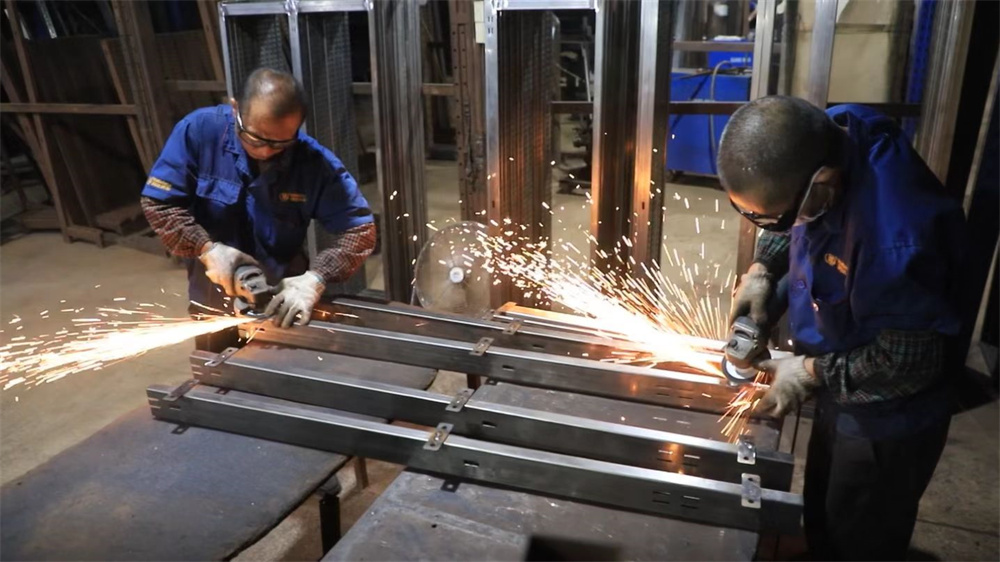
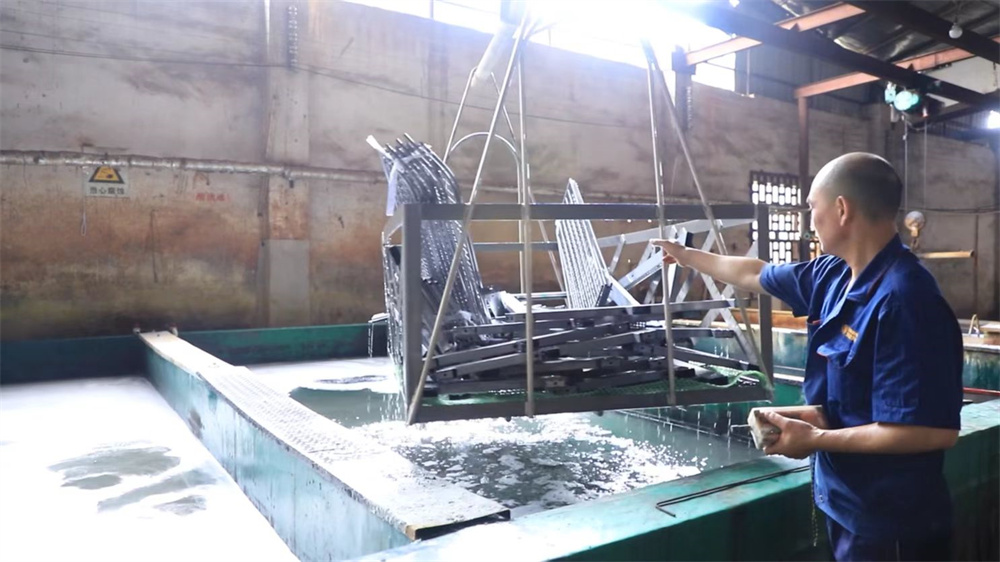
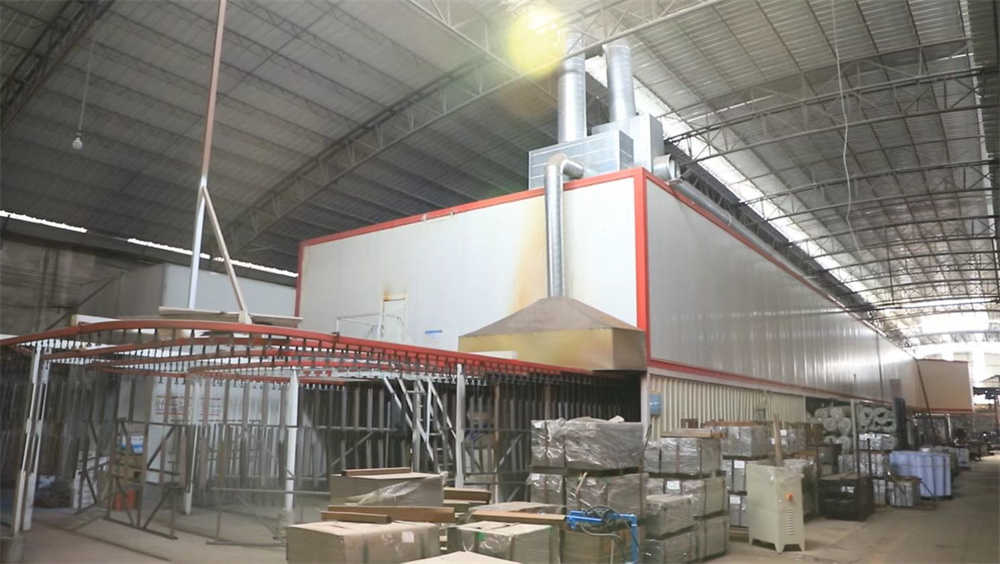
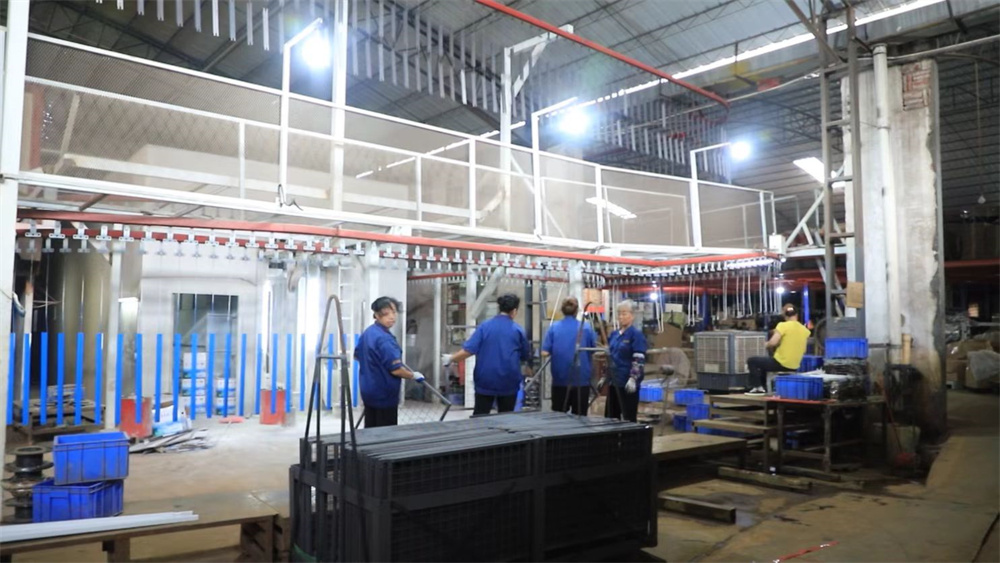
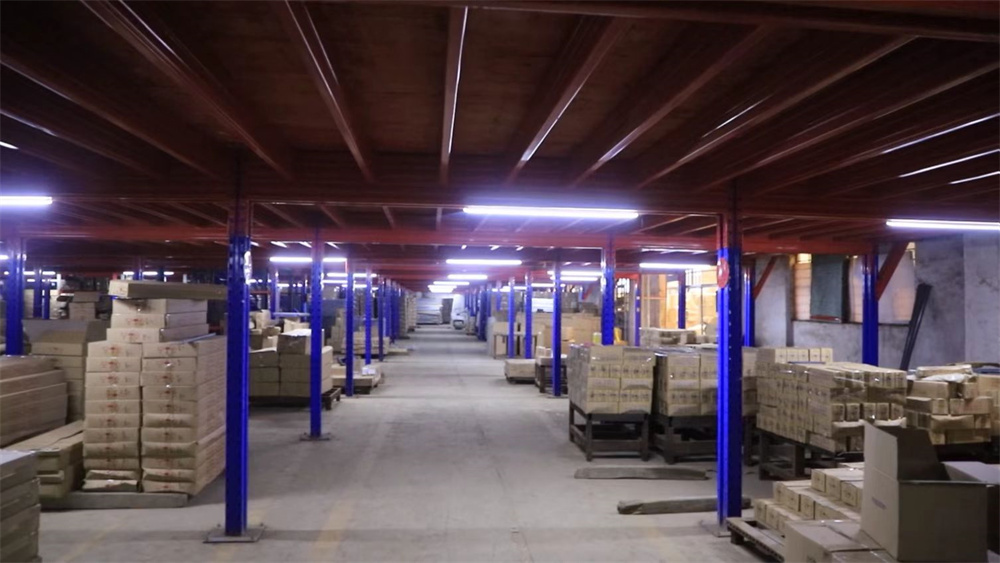
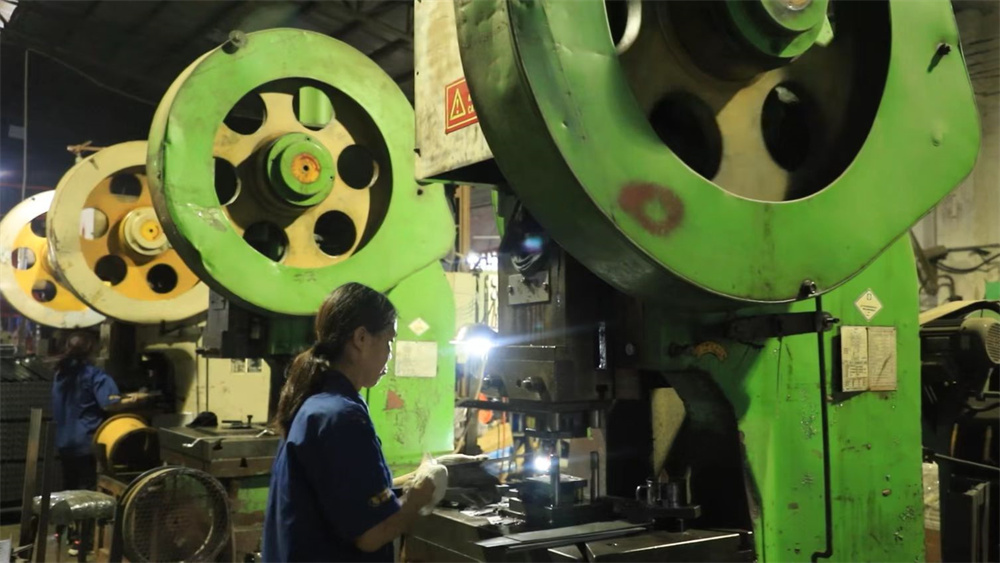
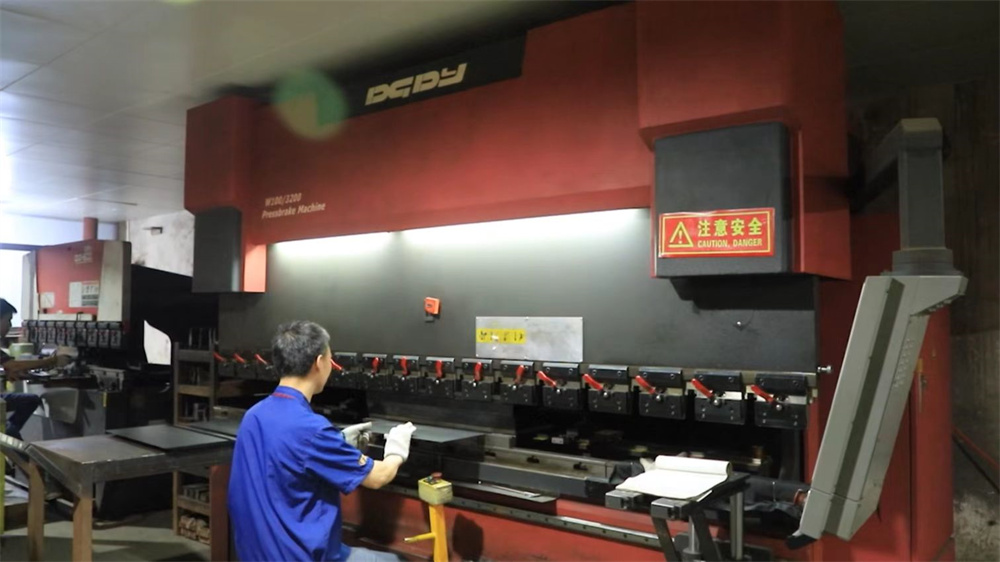
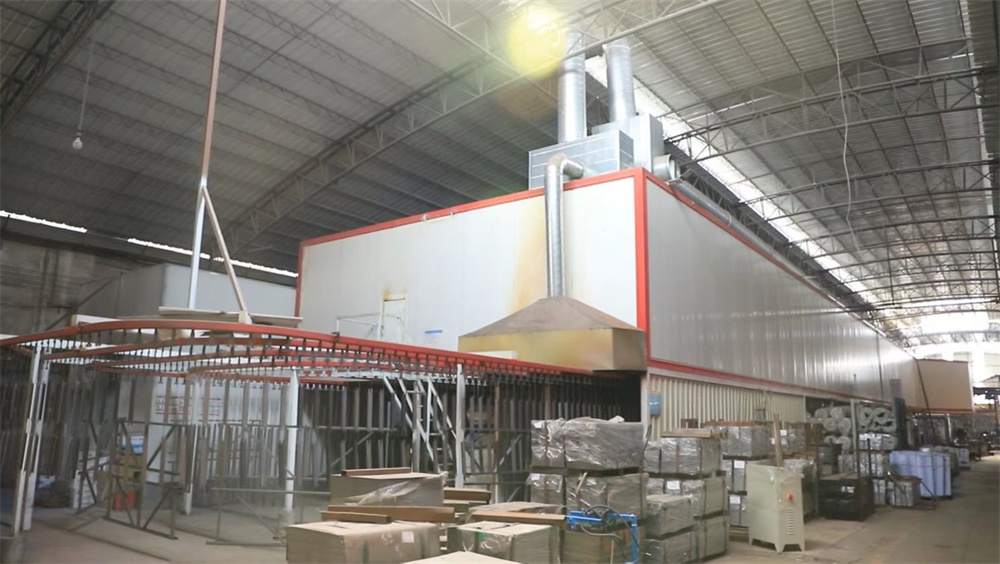
Automated production lines ensure consistency across components.
We provide heavy-duty push-back storage racking systems custom-engineered to meet the operational demands of diverse industrial applications.
Refrigerated real estate is highly expensive to build and operate. Our push-back racking systems withstand temperatures down to -30°C. They optimize air circulation and utilize minimal aisle space, significantly lowering cooling costs per pallet.
Perfect for buffering high-volume food and beverage products prior to shipping. Multiple product channels allow operators to keep distinct production runs segregated, supporting organized product rotation.
Compliance is critical in healthcare logistics. Our systems keep batch numbers segregated across separate lanes, helping facilities maintain strict control over medical supplies and pharmaceutical stocks.
Automotive parts are heavy and vary widely in size. Our reinforced structural racking systems support high load limits, providing dynamic storage for heavy mechanical assemblies and body parts.
Establishing stable global logistics operations requires more than manufacturing capability; it requires supply chain resilience. At Shenzhen Runda, we leverage a network of over 1,200 supply chain partners to source high-grade raw materials and custom hardware. This strong integration allows us to keep production cycles consistent, even during global supply chain fluctuations.
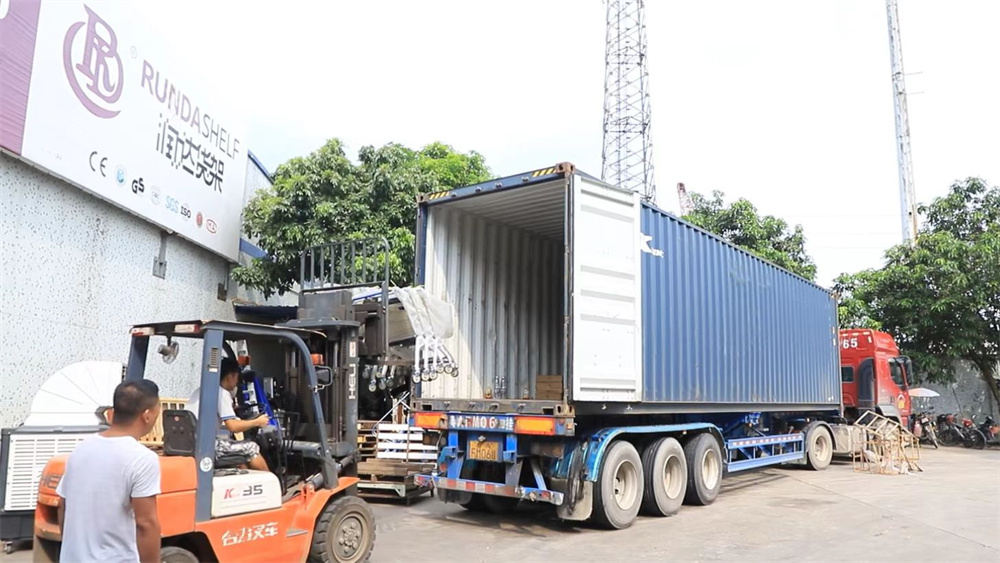
Located in Shenzhen, South China's premier industrial and shipping hub, our facility has direct access to high-capacity container ports. This proximity reduces overland transport times and optimizes logistics routes to North America, Western Europe, Southeast Asia, and the Middle East. Through automated manufacturing, direct raw material sourcing, and efficient shipping connections, we deliver high-quality industrial systems with competitive export lead times.
Additionally, our 18 structural and mechanical R&D engineers tailor racking designs to local regional standards, including seismic calculations for earthquake-prone zones and specialized powder coatings for humid coastal storage facilities. We manage every step of the export process—from initial engineering designs to container loading—ensuring compliant, secure delivery.
We integrate digital features and advanced automation compatibility to support the future of smart warehousing.
Modern distribution centers are moving toward automated guided vehicles (AGVs) and autonomous mobile robots (AMRs). Our systems feature customized funnel entries and mechanical guides to support robotic picking and replenishment.
We are testing smart carts with built-in sensors. These send real-time data on weight distribution, lane occupation, and cart travel speed to Warehouse Management Systems (WMS), helping to prevent dynamic overloading.
In line with global sustainability goals, our automatic powder-coating lines use VOC-free, thermosetting polymers. This process reduces hazardous emissions during manufacturing while providing strong corrosion protection.
Technical answers regarding structural integrity, safety tolerances, and layout design.
Push-back systems use nested, rolling carts on an incline to store pallets using LIFO (Last-In, First-Out) inventory logic, loading and unloading from a single aisle. Gravity-flow systems rely on rollers and FIFO (First-In, First-Out) logic, requiring separate aisles for loading and picking. Push-back racking systems are typically more space-efficient for operations with moderate SKU diversity and high pallet volume.
The incline angle is generally engineered between 3% and 4% (about 5/8 of an inch per foot). This slope provides enough gravity to flow the remaining pallets forward to the aisle face when the front pallet is retrieved, while keeping the physical force required for forklift loading within safe limits.
Yes. Because our push-back design places pallets on custom-welded steel carriages, the bottom of the pallet does not contact the rails directly. This helps prevent pallet damage and allows for a variety of wooden, plastic, or metal pallet designs to be used safely, provided they fit the cart's dimensions and load ratings.
We design and manufacture our racking systems to align with international engineering standards, including RMI ANSI MH16.1, FEM 10.2.02, and EN 15512. For installations in seismic zones, we perform finite element analysis (FEA) to determine requirements for thickened base plates, heavy-duty floor anchor bolts, and specialized diagonal cross-bracing.
We offer comprehensive OEM/ODM customization. This includes custom lane depths (ranging from 2-deep to 6-deep), hot-dip galvanized finishes for high-moisture or cold environments, tailored beam and column dimensions, and custom baseplates to meet specific concrete slab requirements.
Standard custom manufacturing orders are typically completed in 20 to 30 days. Our location in Shenzhen, near major container ports, allows us to transition products quickly from production to ocean vessels, minimizing transit times to North America, Europe, and the Middle East.
Engineered for long service life and high performance in demanding commercial and industrial storage environments.
 Runda Racking