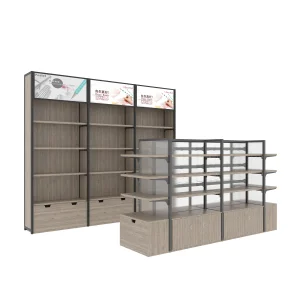
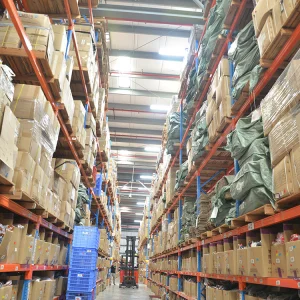
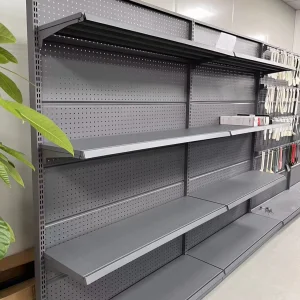
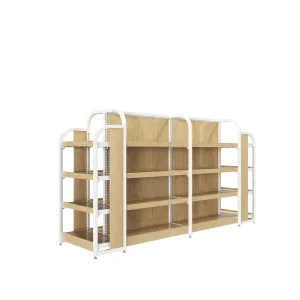
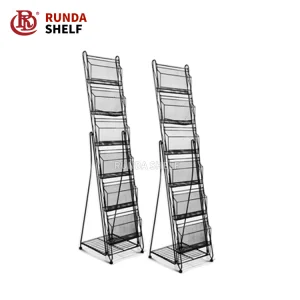
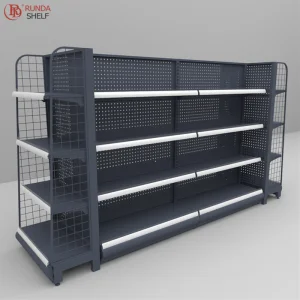
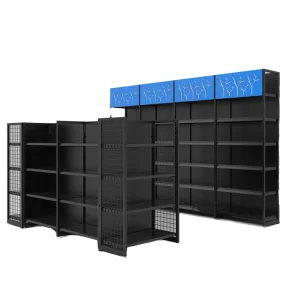
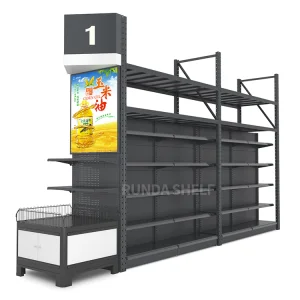
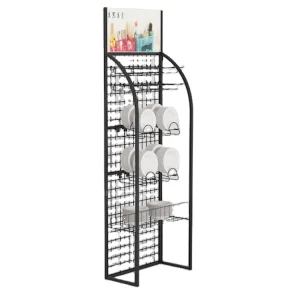
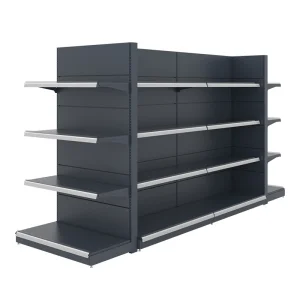
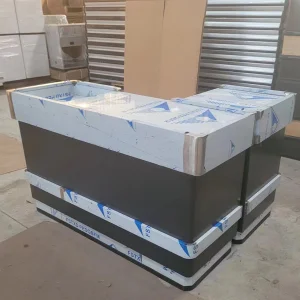
Engineered with precision steel and seasoned wood combinations to optimize product visibility, increase store foot traffic conversion, and support light-to-medium payload capacities.
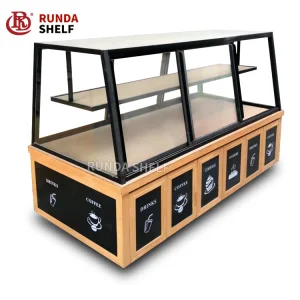
Analyzing global supply chain evolution, real-estate cost compression, and the technological integration of structural steel configurations in modern fulfillment centers.
The global warehousing and logistics sector is experiencing an unprecedented structural transition. Rising urbanization, land scarcity, and the exponential growth of e-commerce delivery velocity have combined to drive up land lease costs in key metropolitan distribution hubs. As a direct consequence, logistics providers and industrial operations can no longer expand horizontally; they must maximize their volumetric storage efficiency. This reality has propelled the adoption of high-density automated storage and retrieval systems (AS/RS), automated shuttle systems, and heavy-duty steel shelving frameworks.
At the center of this transition is the optimization of static loading profiles to match automated interfaces. Traditional steel racking frameworks are no longer mere static structures; they serve as the high-tolerance structural skeletons for automated mobile cranes, autonomous mobile robots (AMRs), and automated shuttle vehicles. This paradigm shift demands that manufacturing tolerances are held to strict millimetric accuracy. A deflection variation of even a few millimeters under dynamic load can disrupt sensor alignments, trigger safety overrides, or result in robotic docking errors, halting multi-billion dollar distribution pipelines.
Shenzhen Runda Racking Manufacturing Co., Ltd. operates at the intersection of structural metallurgy and custom mechanical engineering. We provide the structural hardware capable of supporting extreme static and dynamic loads, while maintaining strict adherence to regional safety standards (such as ANSI/RMI MH16.1 in North America, EN 15512 in Europe, and AS 4084 in Australia). By aligning raw material stress performance with high-speed production control, we deliver automated shelving infrastructures that meet the demands of modern logistics operations.
A corporate profile of Shenzhen Runda Racking Manufacturing Co., Ltd., built on quality validation, R&D innovation, and supply chain strength.
Established in 2015, Shenzhen Runda Racking Manufacturing Co., Ltd. has grown to become a leading manufacturer of heavy-duty industrial shelving, automated high-density warehouse storage systems, and specialized retail gondola units. With over 11 years of industry experience and 9 years of global export capability, we design and manufacture structural systems for distribution centers, manufacturing centers, and retail operations worldwide.
Operating from a modern 35,000 square meter manufacturing plant, our production is supported by a network of over 1,200 supply chain partners. This capability enables an annual export turnover of $28 million, serving customers in North America, Western Europe, Southeast Asia, and the Middle East. We provide solutions directly to enterprise buyers, logistics operators, and industrial distributors globally.
Our engineering processes are backed by strict quality control standards. We maintain a team of 35 dedicated QC professionals who conduct raw material testing, structural checks, and dynamic load-bearing verification. Our R&D department, consisting of 18 structural engineers, works to optimize material distribution and structural efficiency, introducing over 120 upgraded storage products annually to meet changing market needs.
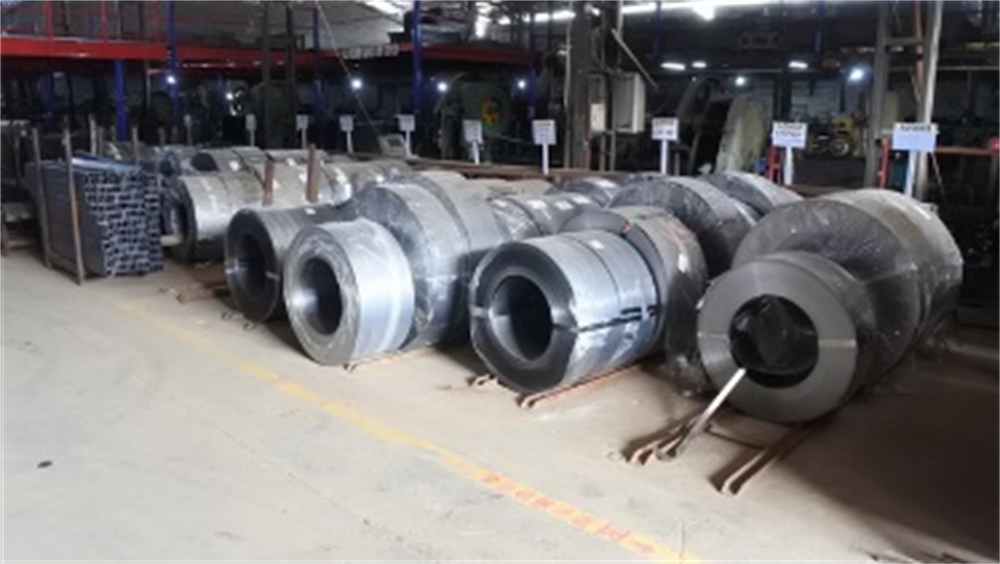
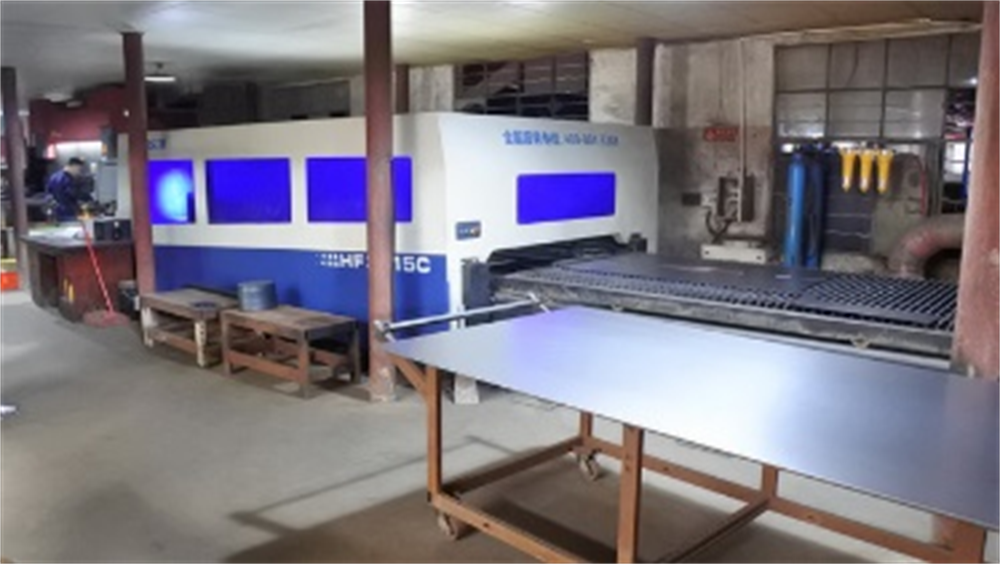
Exploring Runda's structural processing flow, showing the journey of raw steel from fabrication to surface finish and final loading.
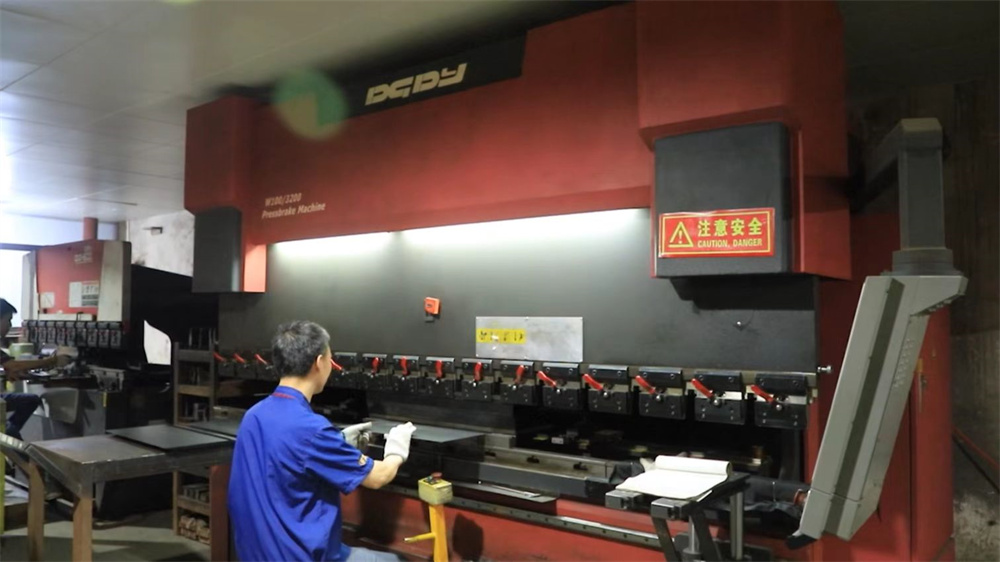
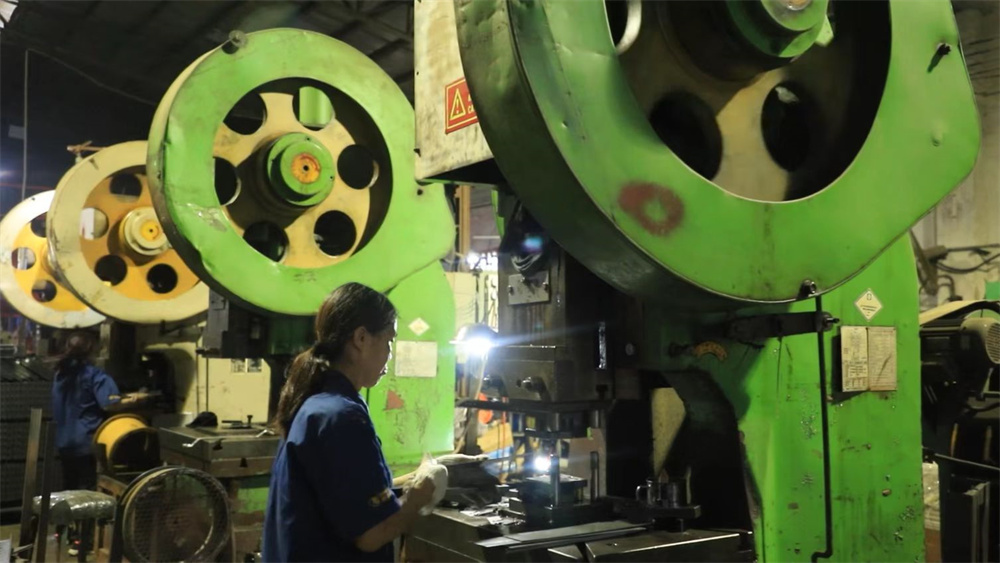
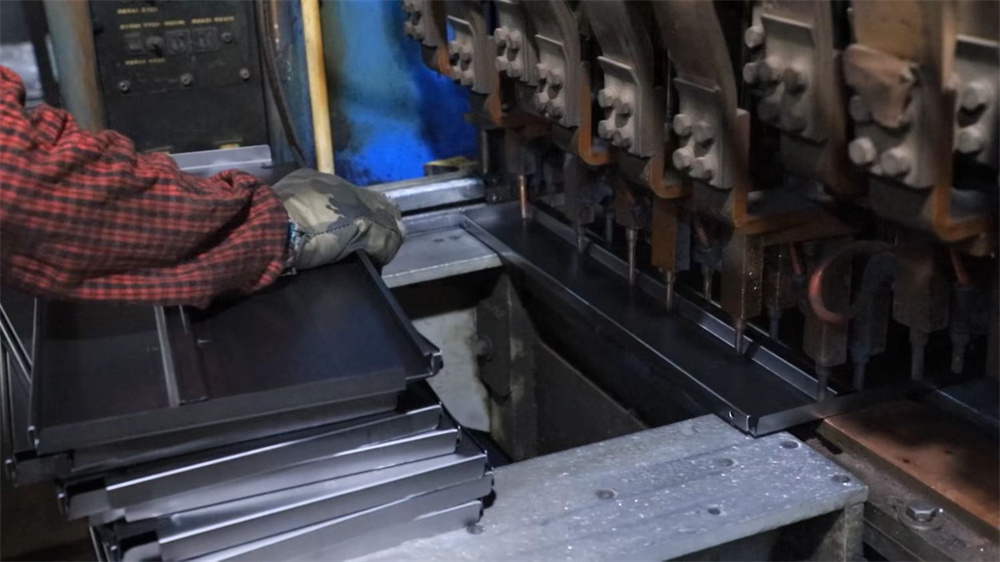
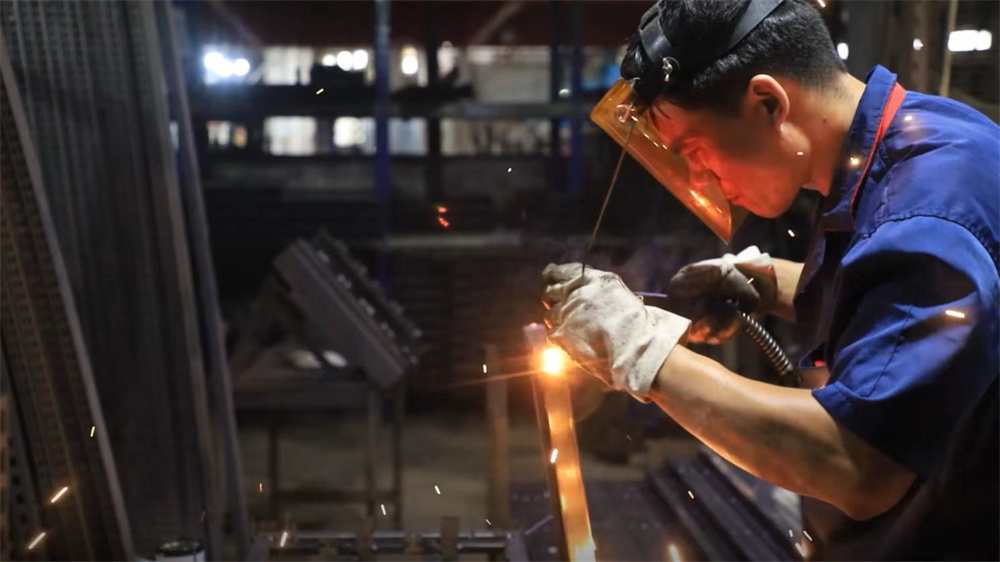
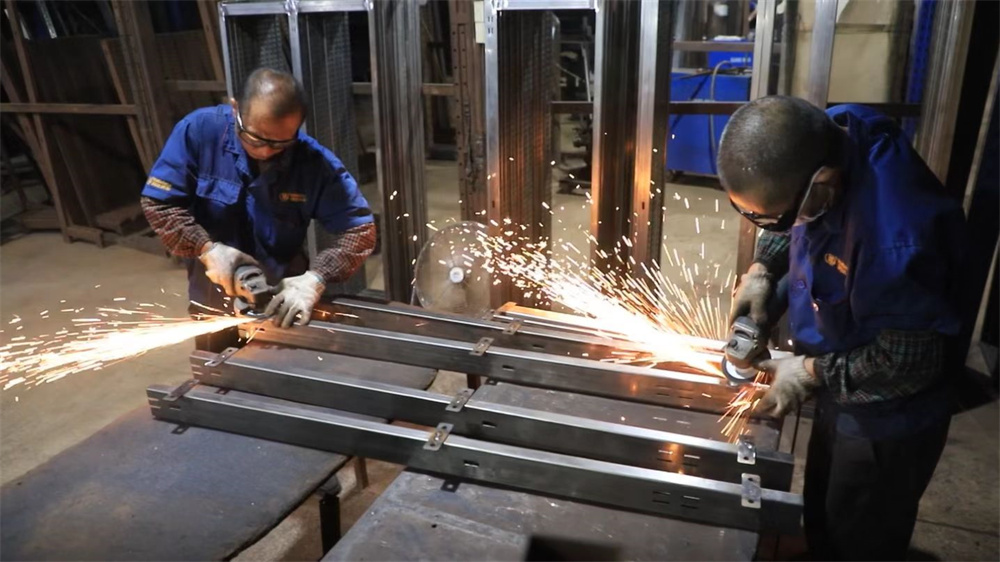
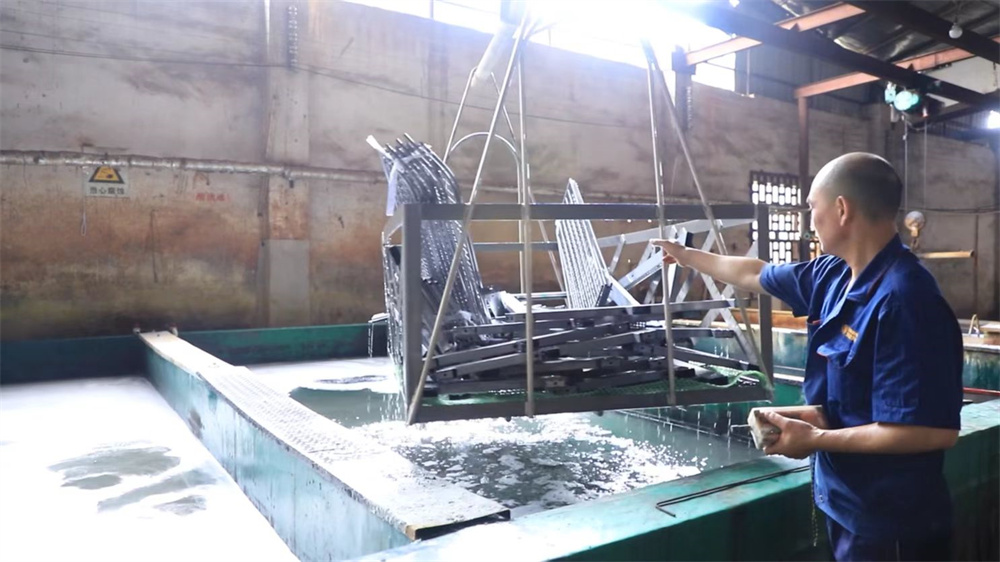
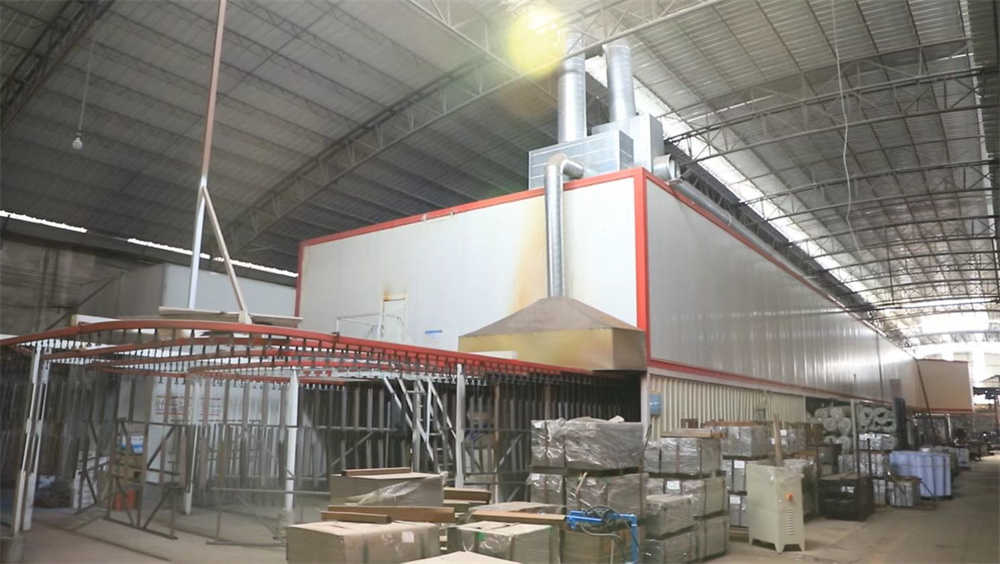
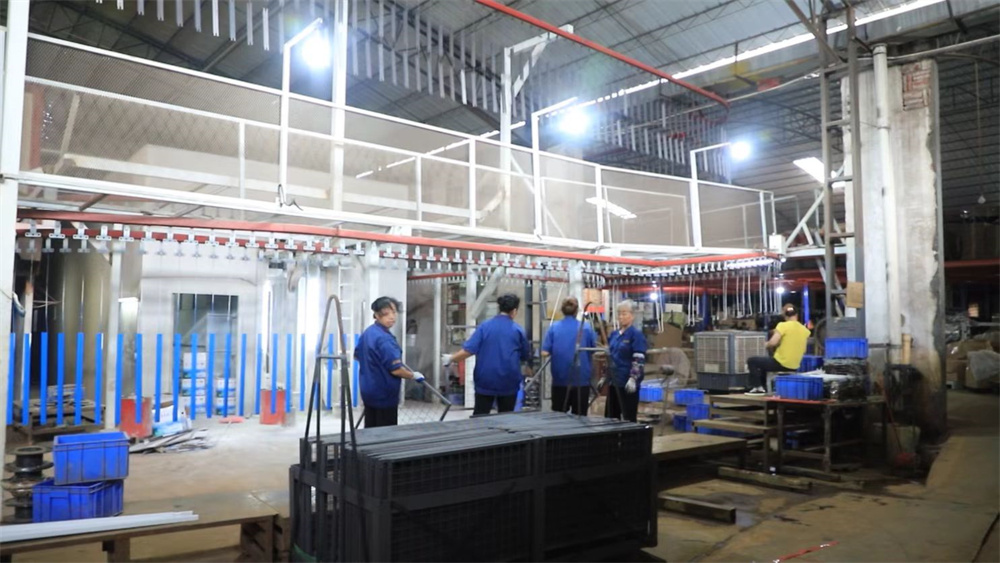
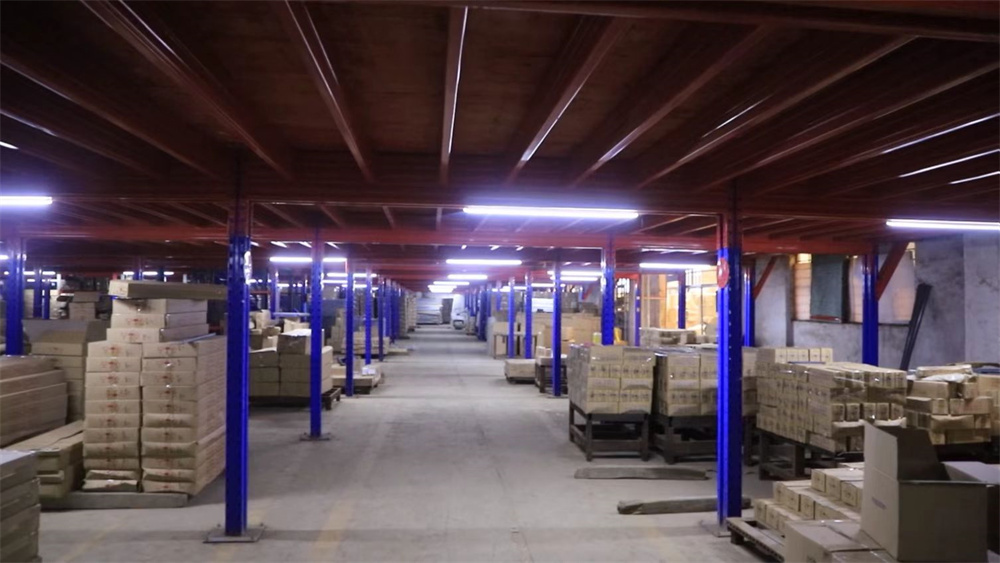
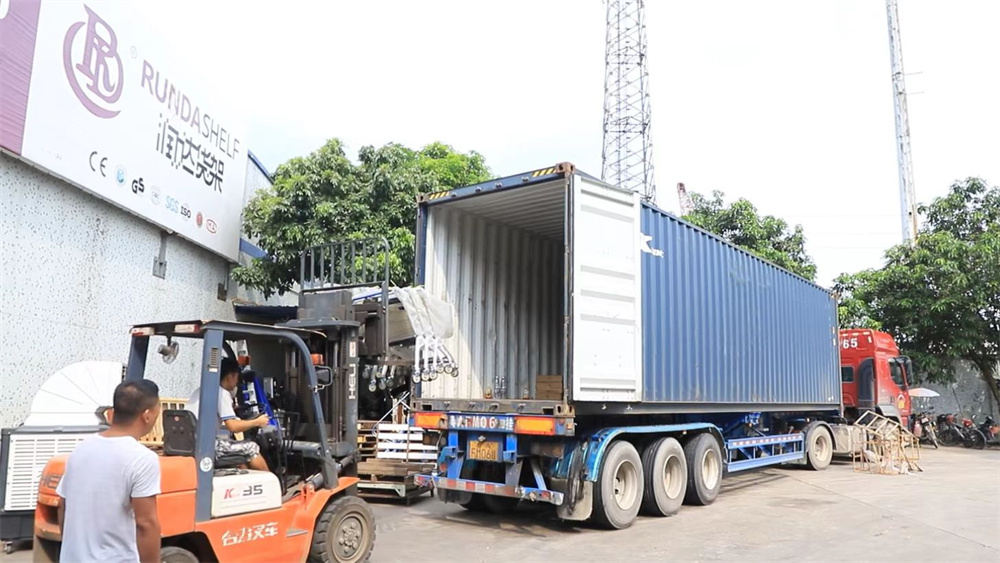
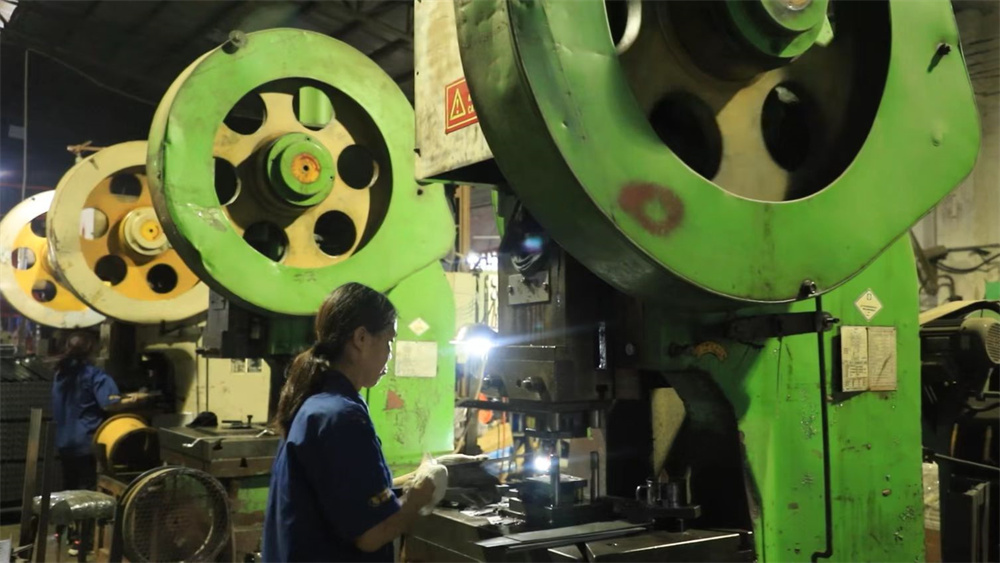
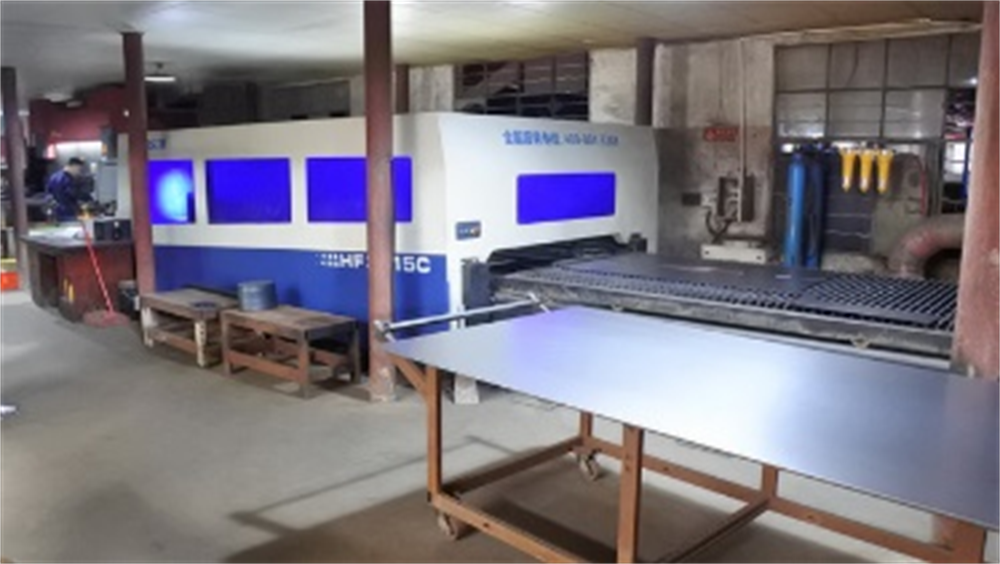
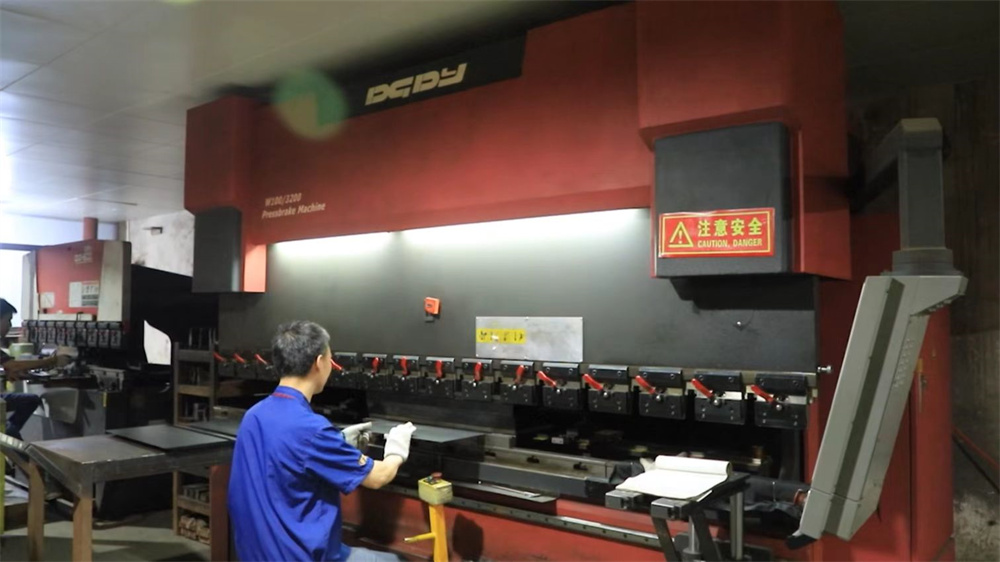
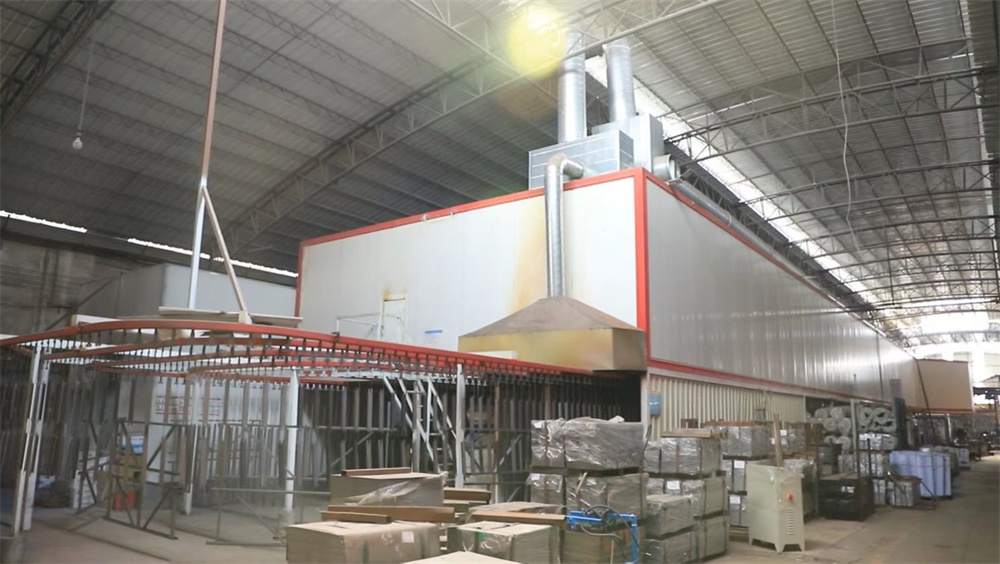
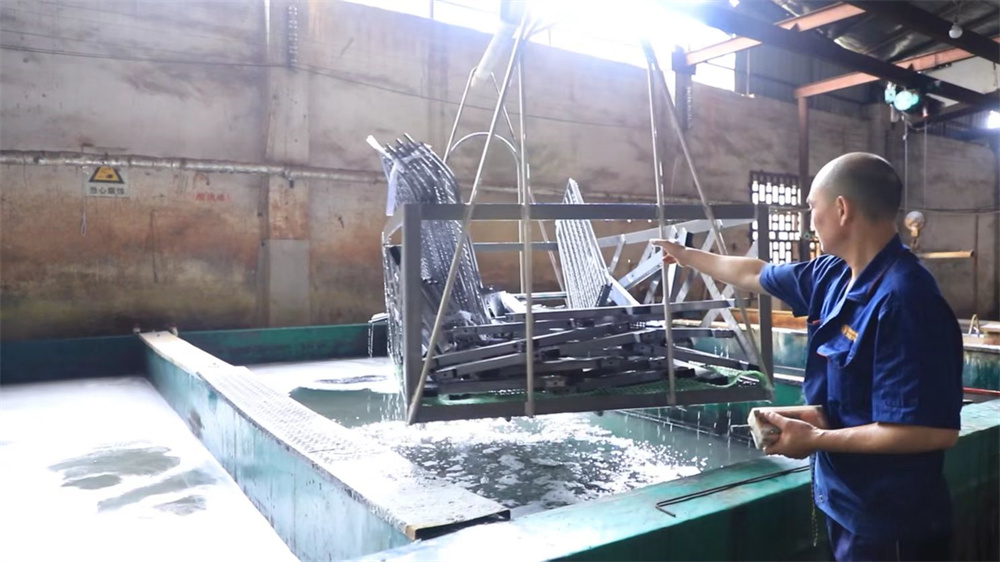
A technical analysis of carbon steel chemistry, stress distribution, and load-bearing performance in high-density storage shelving.
The structural reliability of an automated shelving system depends on the yield strength and elastic limits of its raw steel. Shenzhen Runda uses Q235B cold-rolled carbon steel as our primary structural material. Under China's national standard GB/T 700, Q235B is characterized by balanced mechanical properties: a yield strength of 235 MPa and a tensile strength range of 375 to 500 MPa. This balance provides the necessary flexibility to withstand localized shock loads without structural failure, which is essential for configurations operating in seismic zones.
For applications requiring higher payload densities, we offer upgraded structural designs using Q355B (similar to ASTM A572 Grade 50), which provides a yield strength of 355 MPa. This allows for reduced structural weight while maintaining high load capacity. Our R&D engineers use Finite Element Analysis (FEA) to simulate load distributions on shelf assemblies. This simulation helps identify stress points along the upright frames, and beams, optimizing raw material use to deliver cost-effective and reliable racking configurations.
Automated warehouse environments demand durable protection against corrosion. Our surface preparation process involves a 9-step chemical treatment: pre-degreasing, main degreasing, acid pickling, rinsing, surface conditioning, phosphating, and final DI-water rinsing. This process removes all surface oxides and creates a zinc phosphate conversion layer, which helps prevent under-film corrosion if the coating is damaged.
We apply an electrostatic epoxy-polyester hybrid powder coating, cured at 180°C to 200°C for 20 minutes. This creates a cross-linked polymer coating with a thickness of 60 to 90 microns. The resulting surface resists chipping from impact and passes 500-hour salt spray testing (ASTM B117), making it suitable for cold-storage and high-humidity environments.
| Steel Classification | Yield Strength (MPa) | Tensile Strength (MPa) | Elongation Limit | Typical Structural Application |
|---|---|---|---|---|
| Q235B Steel | 235 Min | 375 - 500 | ≥ 26% | Standard retail display shelves, light-to-medium industrial racking, cash checkout counters, structural cross-beams. |
| Q355B Steel | 355 Min | 490 - 630 | ≥ 22% | Heavy-duty warehouse pallet systems, high-rise AS/RS racking structures, heavy industrial drive-in platforms. |
| SPCC (Cold-Rolled) | 190 - 240 | 270 Min | ≥ 32% | Light-duty shelf panels, cosmetics shelf display wire baskets, high-finish retail gondola accessory backpanels. |
Analyzing localized structural design choices, international safety certificates, and seismic compliance across major global markets.
Deployments in the United States and Canada must comply with the ANSI MH16.1 Specification for the Design, Testing, and Utilization of Industrial Steel Storage Racks. Our engineering team designs upright profiles, horizontal bracing, and seismic baseplates to meet RMI requirements. We conduct structural testing to calculate buckling values, shear strengths, and connection stiffness. In seismic design categories D through F, we provide expanded structural baseplates and anchoring hardware to distribute lateral dynamic forces during seismic events.
For European logistics networks, our manufacturing and design practices follow EN 15512 (Steel static storage systems - Adjustable pallet racking systems - Principles for structural design) and FEM 10.2.02. European standards require specific calculation and testing methods for frame connections, upright stability, and structural deflections. We utilize raw materials with documented batch traceability, and each export shipment is accompanied by Mill Test Certificates (MTC) and CE declarations, verifying compliance with the European Construction Products Regulation.
Australian installations require adherence to AS 4084-2012 (Steel storage racking). The Australian standard mandates clear labeling of safe working loads on signposts, specific spacing between uprights and walls, and standardized testing for impact protection. Our configurations are designed with safety factors that accommodate standard forklift impact profiles, and our custom structural baseplates are sized to minimize point load stress on concrete warehouse floors.
The convergence of structural steel configurations with IoT, Autonomous Mobile Robots (AMRs), and warehouse automation systems.
As logistics operations automate, storage systems are evolving from static frames into active nodes within the warehouse network. Shenzhen Runda's technology roadmap focuses on developing structural frameworks that integrate with automated equipment. We design racking systems to accommodate AMR and AGV navigation, incorporating floor-level guidance rails, integrated sensor arrays, and precise positioning markers directly into the structural steel profiles.
We are also testing IoT-integrated shelving decks equipped with load-sensing arrays. These smart decks utilize weight sensors to monitor inventory levels in real time, automatically updating Warehouse Management Systems (WMS). This integration helps reduce search times, prevent stockouts, and optimize slotting strategies for retail and light industrial fulfillment centers. By combining structural engineering with automation interfaces, we help enterprises prepare their warehousing operations for the demands of smart logistics.
Answers to common questions regarding structural engineering, customization processes, material choices, and quality assurance.
Engineered for high-volume logistics hubs, industrial manufacturing plants, and high-density retail storage operations.
 Runda Racking