High-capacity structural racking engineered to maximize volumetric utilization in demanding industrial and retail environments.
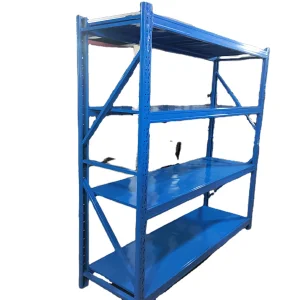
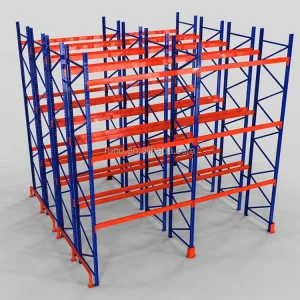
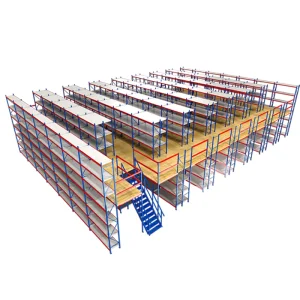
Modern supply chain networks and rapid 3PL distribution models demand more than simple storage space; they require high-density structural integrity and safety. As global logistics centers evolve, the transition from basic selective racking layouts to high-density multi-tier mezzanine storage systems is key. Maximizing vertical cubic volume while ensuring the health and safety of warehouse personnel is paramount.
The structural reliability of high-load warehouse platforms is determined by steel selection and engineering practices. Shenzhen Runda uses premium Q235B and Q355B structural steel, processed via state-of-the-art cold-roll forming systems. Q355B steel offers superior yield strength (≥355 MPa) and low-temperature impact toughness, making it suitable for seismic zones and cold-storage operations down to -25°C. Finite Element Analysis (FEA) simulates dynamic structural load conditions, ensuring deflection values remain within the strict limits of L/200 to L/300.
Unlike basic market alternatives that design down to a 1.3 safety margin, Shenzhen Runda enforces a minimum 1.5 safety factor across all load-bearing upright frames and beams, meeting the rigorous standards of the Rack Manufacturers Institute (RMI) MH16.1 specifications.
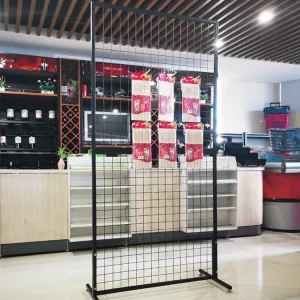
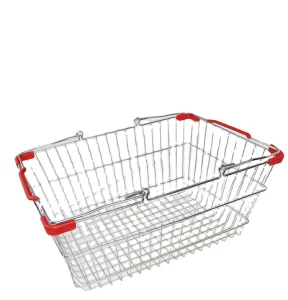
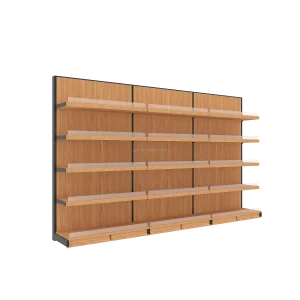
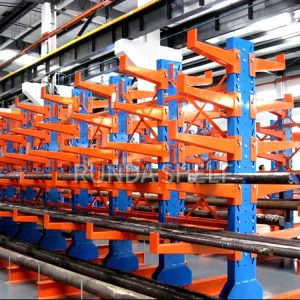
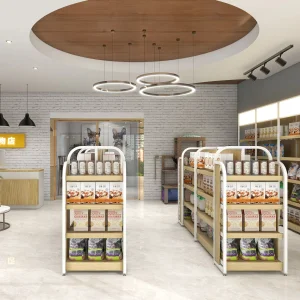
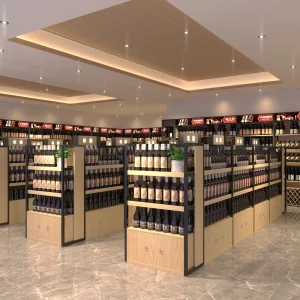
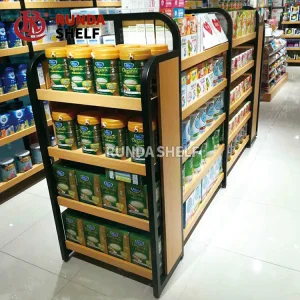
Different industries require specialized storage architectures. Automotive distribution facilities require heavy-duty cantilever racks to store long, heavy parts. Retail centers require display shelves that balance product visibility with heavy load capacities. Mezzanine structures double storage area without expanding the building footprint, creating integrated multi-level picking areas. We support specialized requirements, including epoxy powder coatings, hot-dip galvanization for high-humidity environments, and seismic-rated baseplate anchoring configurations.
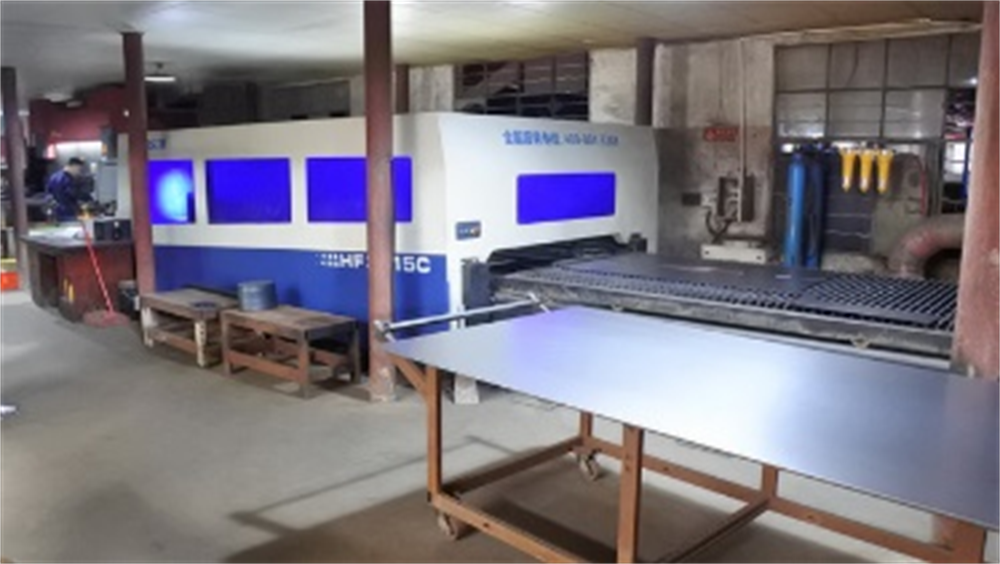
A look at our manufacturing capacity, quality control, and export infrastructure.
| Structural Material Grade | Yield Strength (MPa) | Tensile Strength (MPa) | Ideal Application Scenarios | Safety Factor Designation |
|---|---|---|---|---|
| Q235B Carbon Steel | ≥ 235 | 370 - 500 | Standard light-to-medium selective racking, retail display storage | 1.5 (Dynamic Load Rated) |
| Q355B Low-Alloy Steel | ≥ 355 | 490 - 675 | Heavy-duty mezzanine, drive-in systems, seismic structures, cold chain | 1.65 (High-Seismic Rated) |
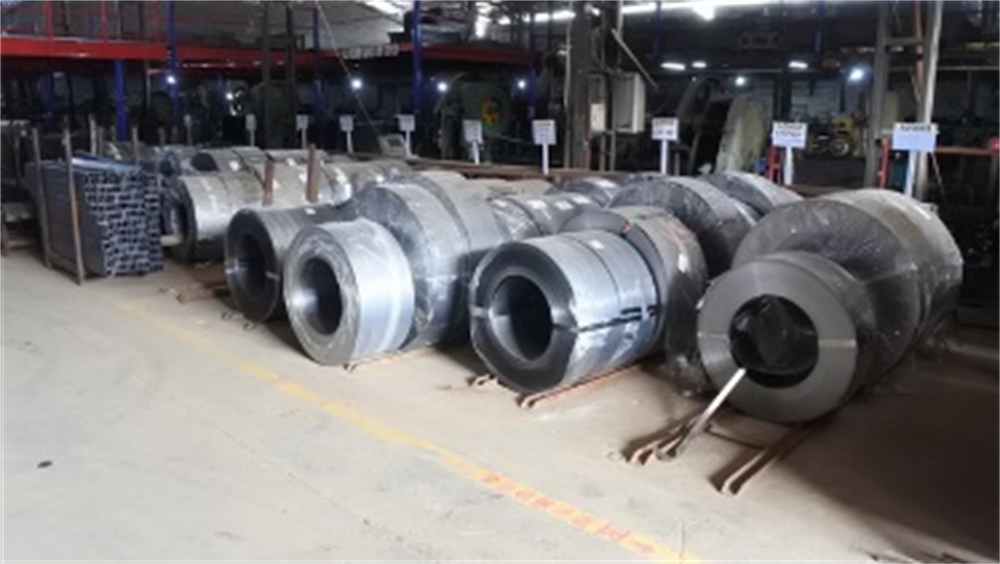
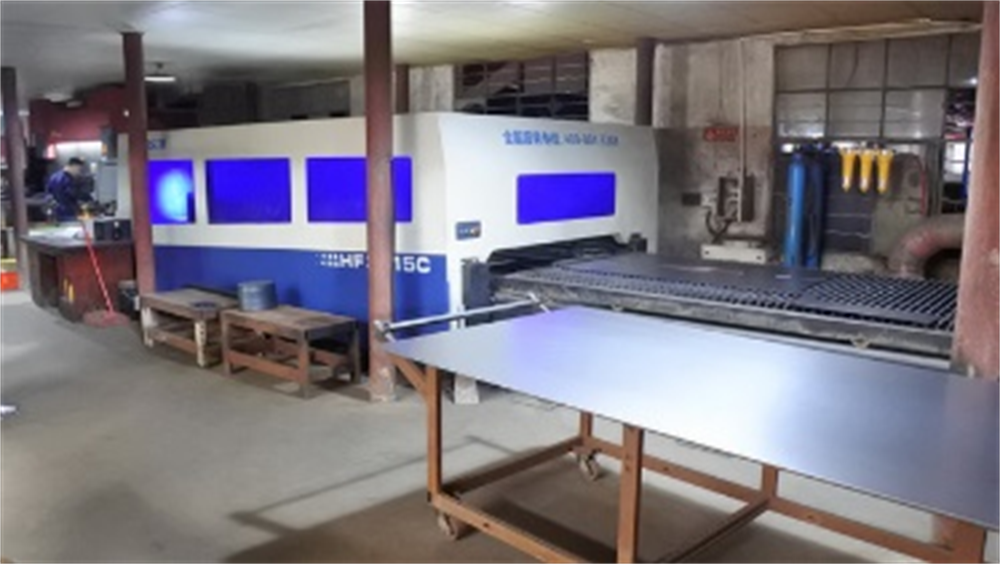
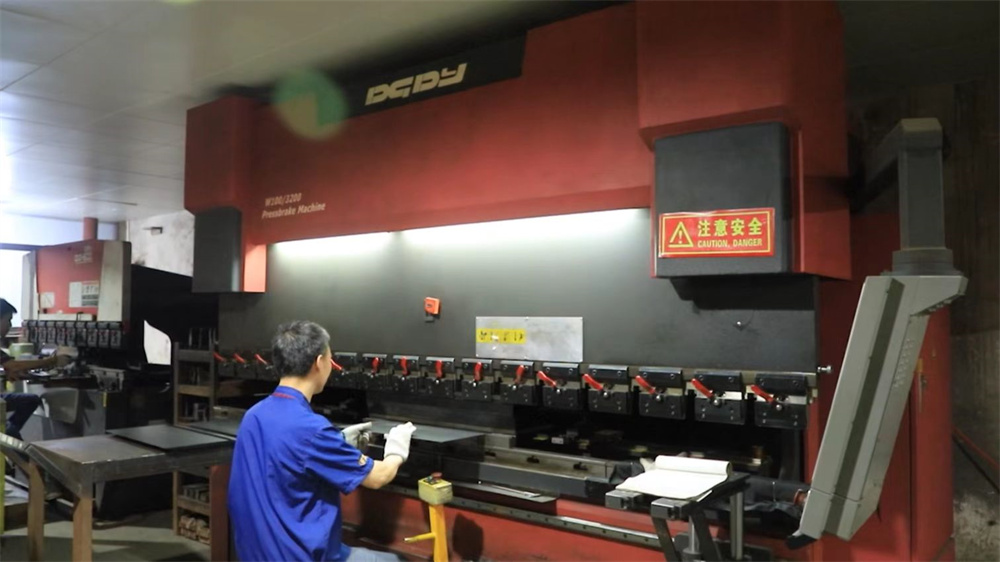
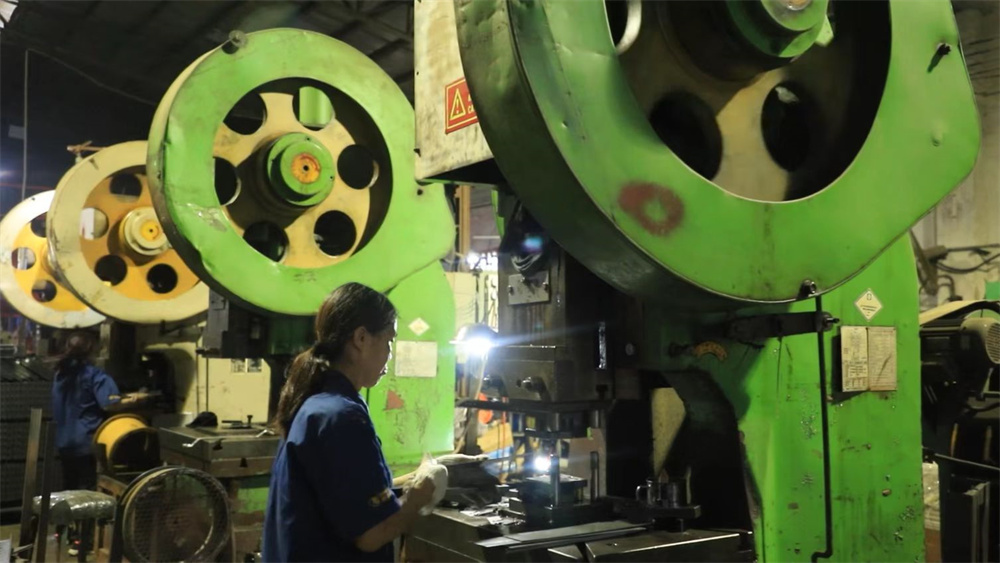
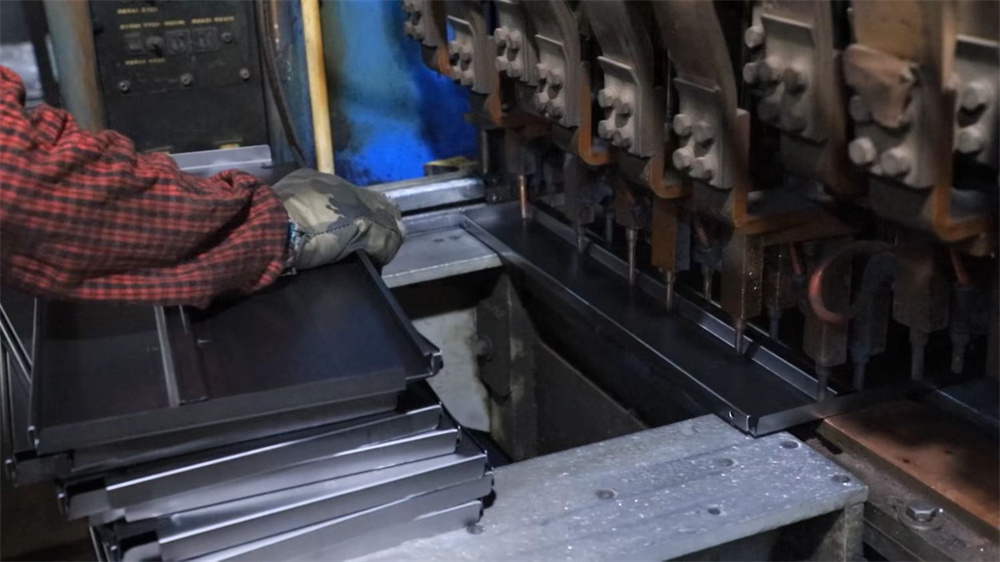
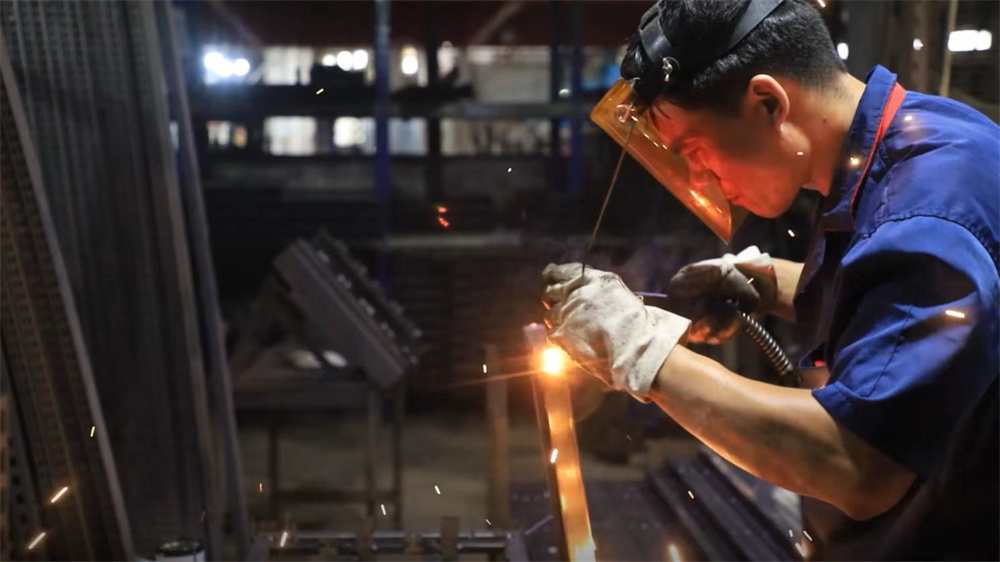
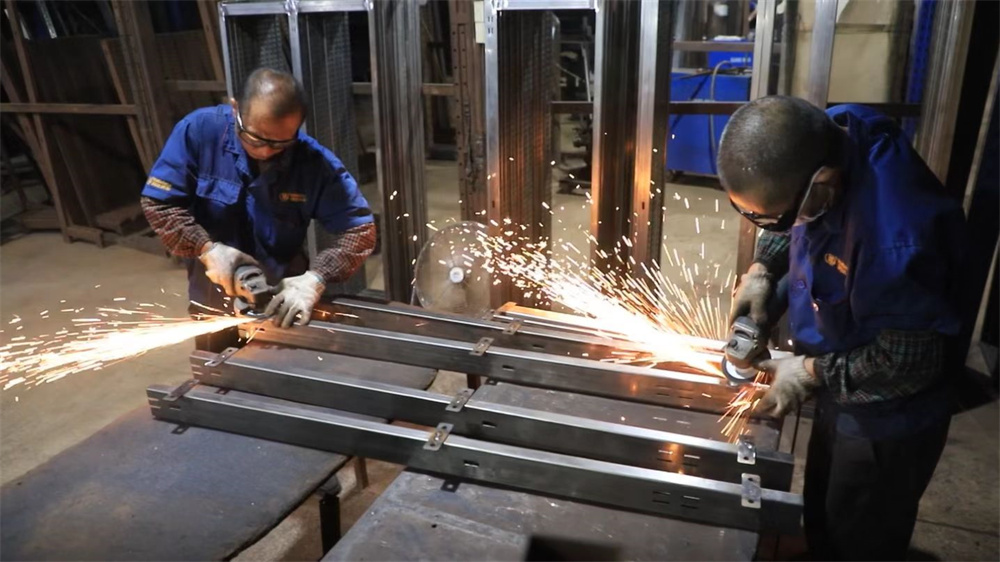
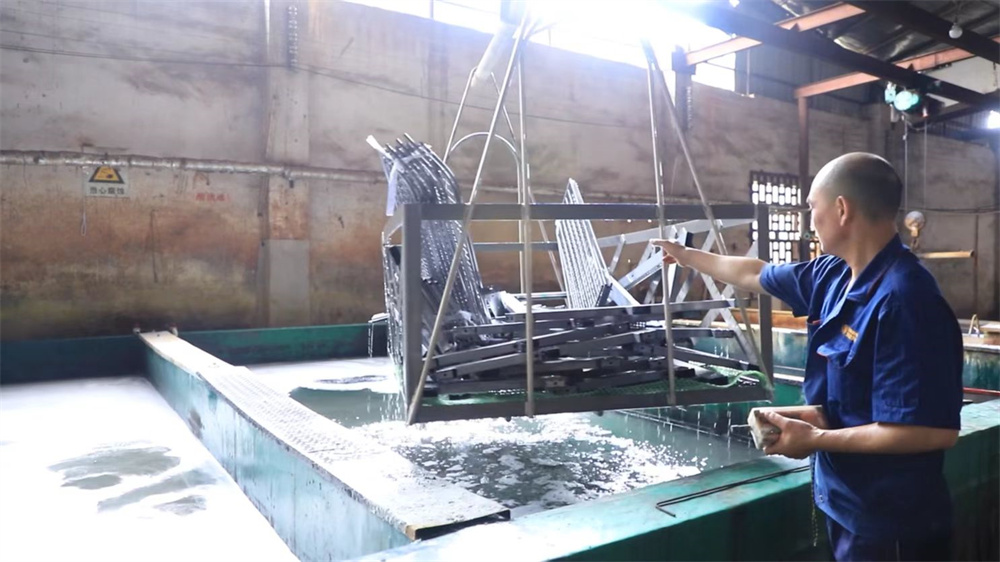
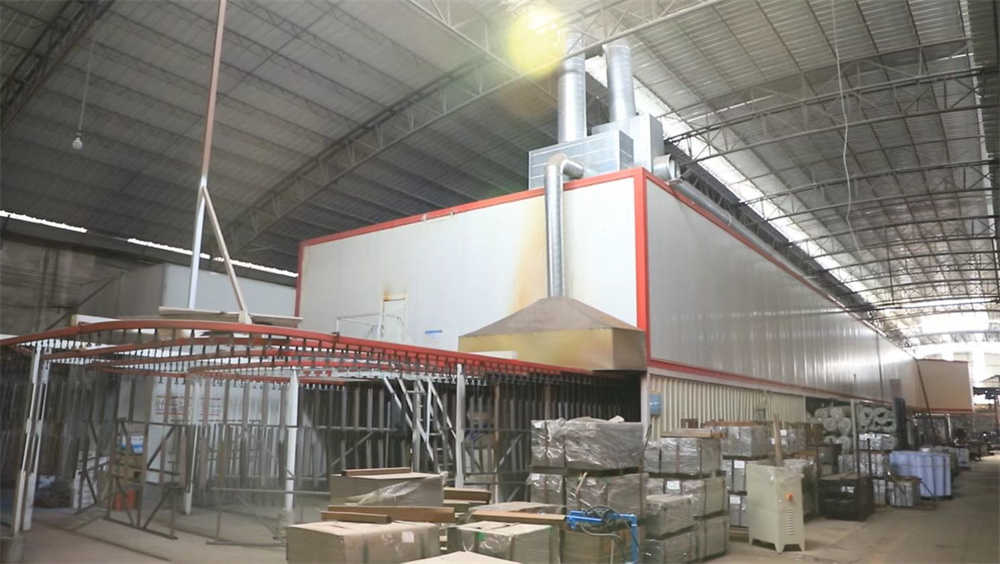
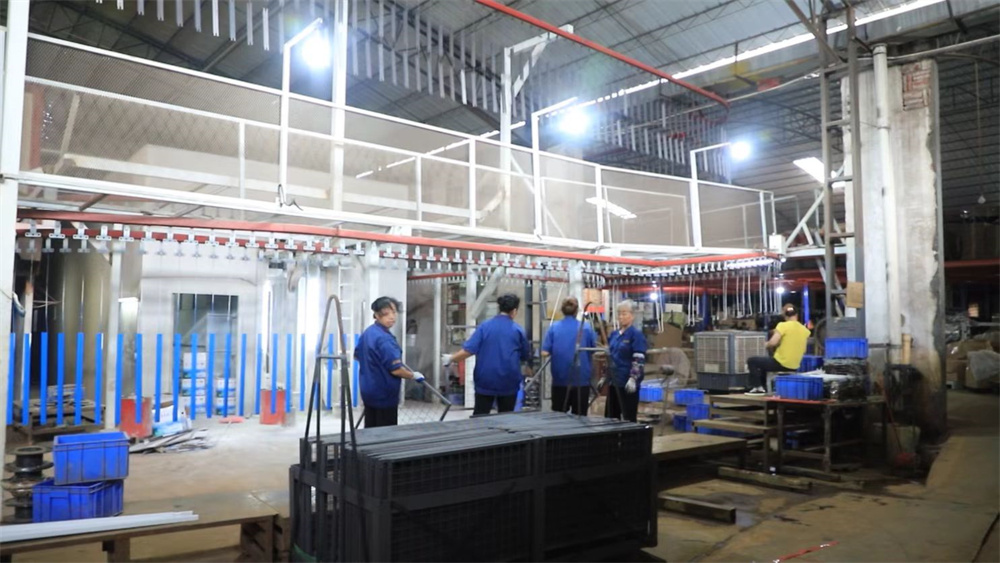
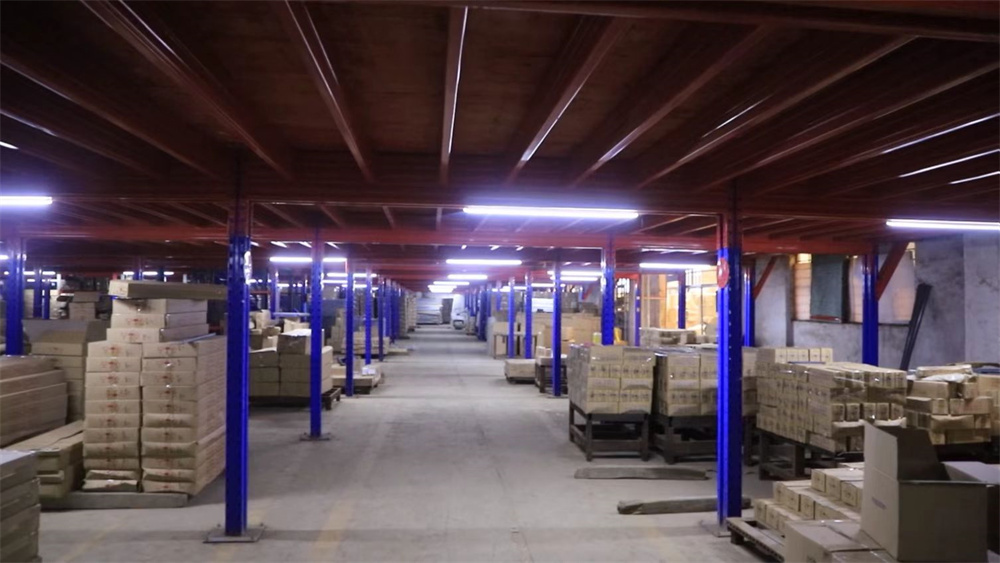
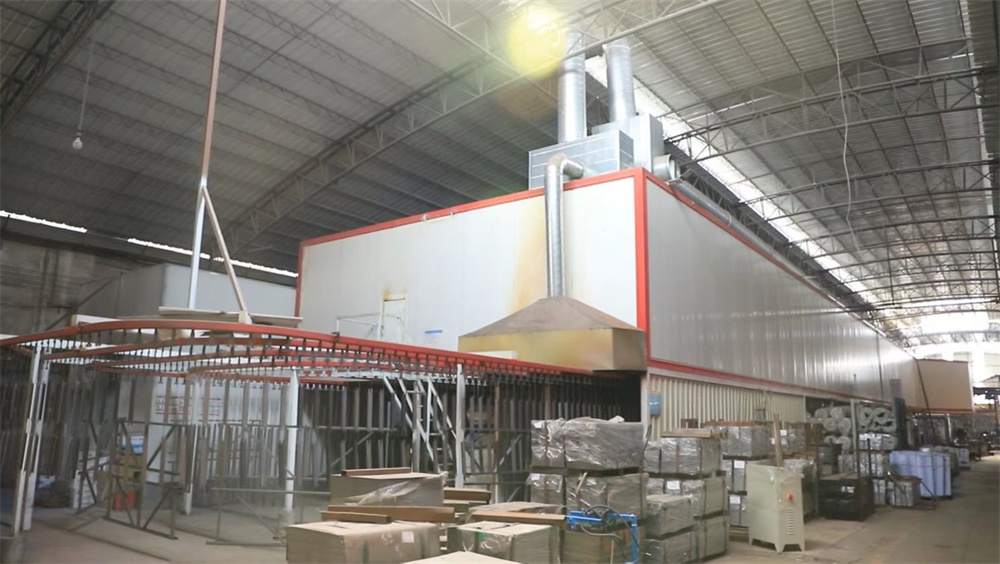
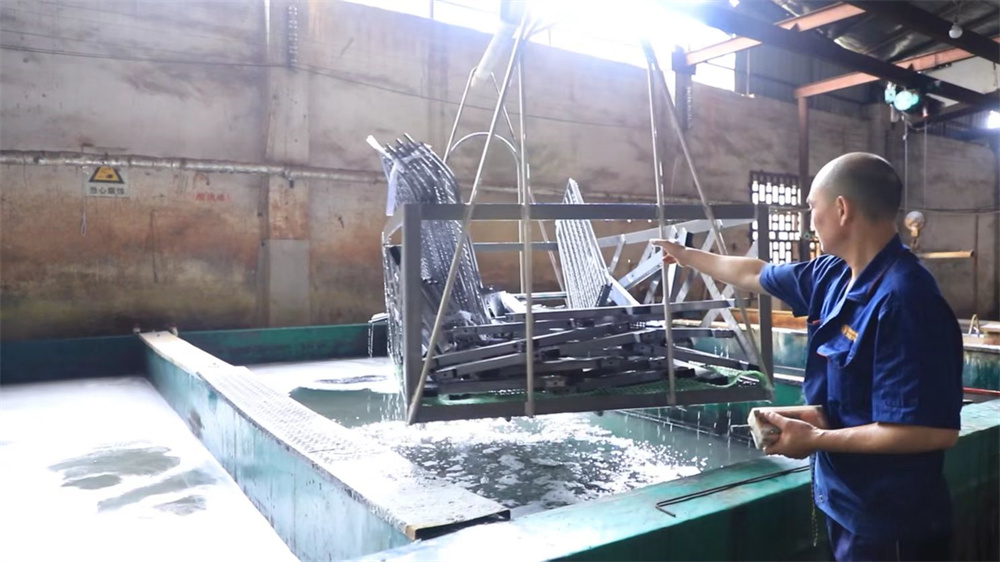
Our 35,000 sqm production facility uses automated machinery and rigid quality control processes to ensure every component meets safety parameters.
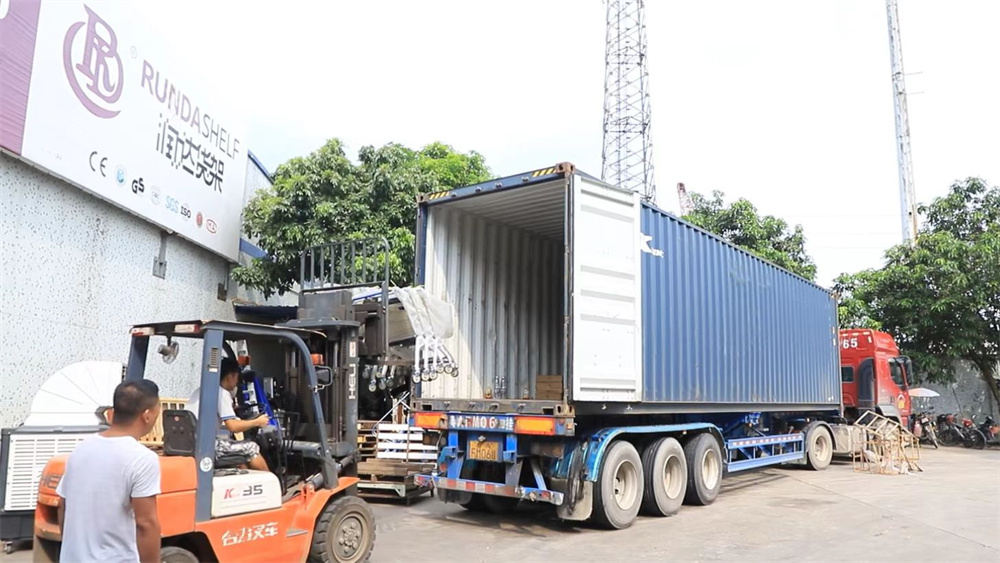
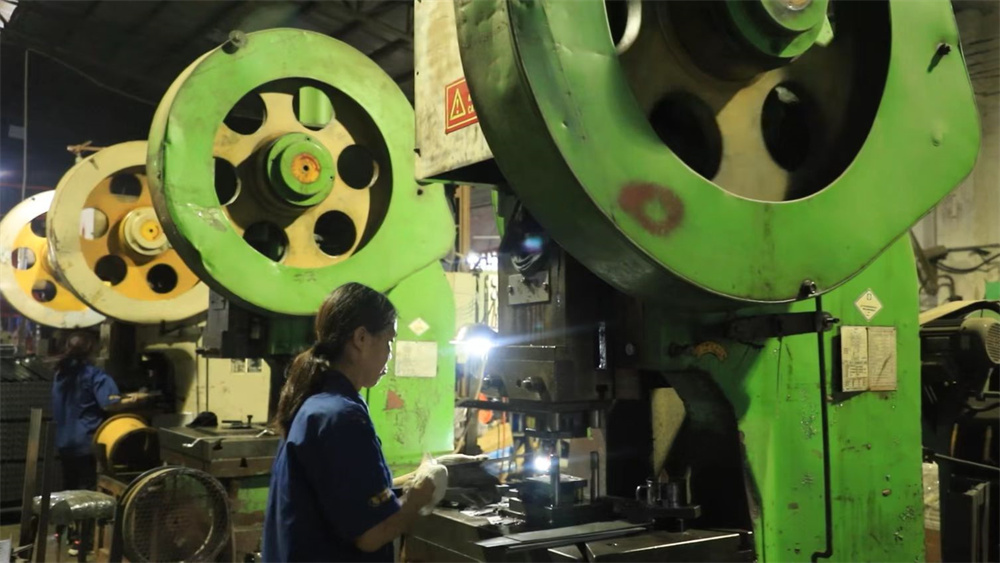
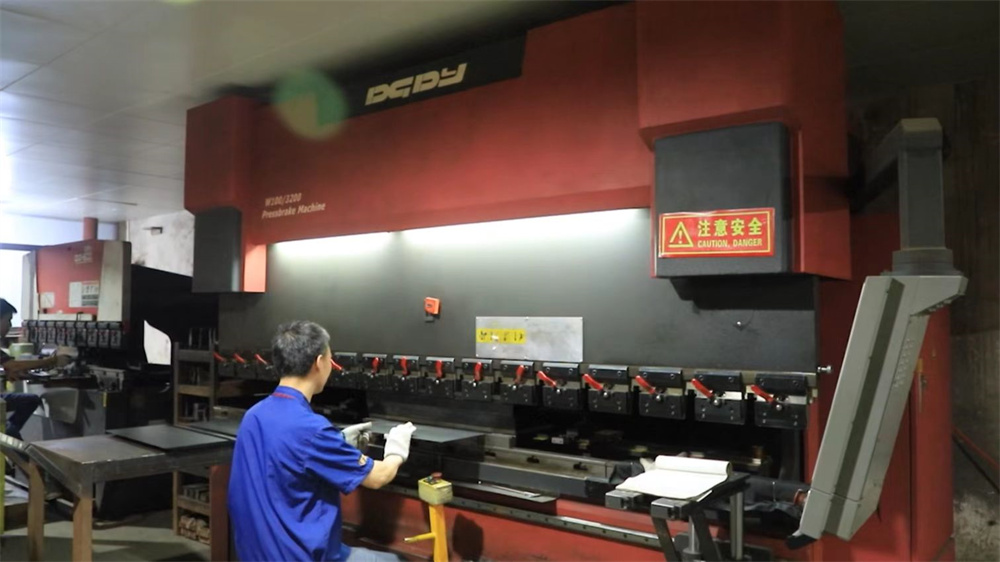
How global enterprises adapt Shenzhen Runda storage systems for local regulatory compliance and operational safety.
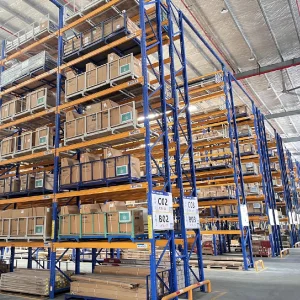
Optimizing inventory turnover with highly adjustable pallet configurations. High-density structures integrate with reach trucks and automated forklifts while maintaining access clearances.
Adapting system materials for sub-zero temperatures. Custom-formulated low-temp powder coatings prevent cracking, and high-tensile steel provides reliable load-bearing support in cold storage facilities.
Designing multi-tier, hand-load picking mezzanines. Structural steel frames support integrated conveyors, safety netting, fire-sprinkler systems, and LED picking guide systems.
Buying storage platforms from China requires navigating international regulatory requirements. Different markets enforce distinct structural codes. In the European Union, designs must meet the FEM 10.2.02 and EN 15512 standards. In the United States, installations must comply with the Rack Manufacturers Institute (RMI) MH16.1 specifications, alongside regional building permits.
For operations located in active seismic zones, standard racking designs are insufficient. Dynamic ground motion requires specialized engineering solutions, including oversized baseplates, high-tensile floor anchors, and integrated diagonal structural bracing. Shenzhen Runda's engineering team designs seismic-rated configurations based on site-specific acceleration coefficients (Ss and S1), helping your facility pass local structural inspections.
Surface treatment selection affects the long-term durability of your storage equipment. Automated powder coating provides a cost-effective, scratch-resistant finish suitable for dry, indoor warehouses. For environments exposed to high moisture, chemical fumes, or outdoor weather, hot-dip galvanization is recommended. This process coats the steel in a molten zinc alloy, protecting the underlying metal from rust and structural degradation.
A premier manufacturer specializing in heavy-duty industrial shelving and high-density warehouse storage systems.
Established in 2015, Shenzhen Runda Racking Manufacturing Co., Ltd. has developed over 11 years of industry expertise and 9 years of global export experience. We deliver tailored racking systems to logistics hubs, distribution centers, and manufacturing plants worldwide. Operating from a modern 35,000 square meter production facility, our operations are powered by a robust network of over 1,200 trusted supply chain partners, enabling us to achieve an annual export turnover of $28 million.
Our primary markets span North America, Western Europe, Southeast Asia, and the Middle East. We serve industrial distributors, large-scale third-party logistics (3PL) operators, and direct enterprise buyers. Our team of 18 experienced R&D engineers continuously refines structural efficiency, releasing over 120 new and upgraded storage products last year alone.
Quality and innovation drive our core philosophy. We maintain strict quality control through full-process sampling inspections, raw material stress testing, and load-bearing verification, backed by a dedicated team of 35 QC professionals. We offer comprehensive OEM/ODM and full custom manufacturing services, including tailored load capacities, custom dimensions, corrosion-resistant powder coatings, and specialized seismic structural designs.
Supported by our experienced international trade background, Shenzhen Runda provides seamless end-to-end service, from technical layout design to reliable global shipment execution. We ensure that every structural layout is optimized for safety, operational throughput, and local regulatory compliance.
Addressing technical questions regarding storage platform engineering, installation, and custom logistics options.
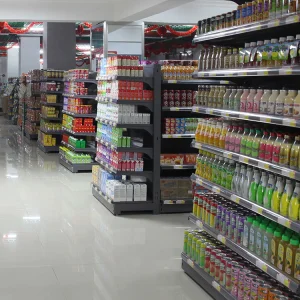
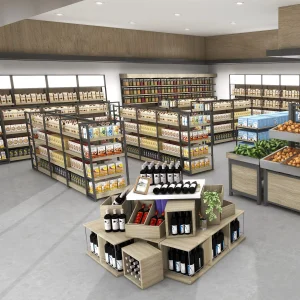
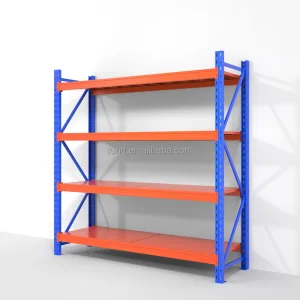
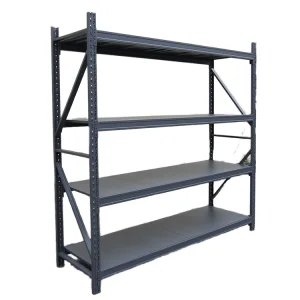
Complementary products designed to optimize retail display areas and medium-duty storage environments.
 Runda Racking