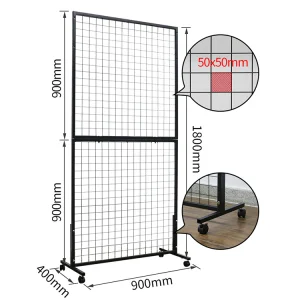
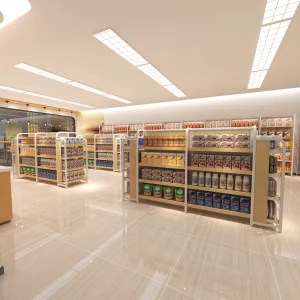
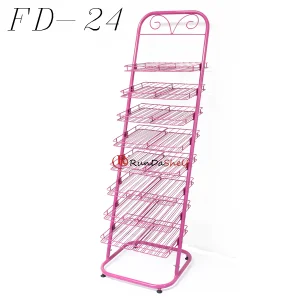
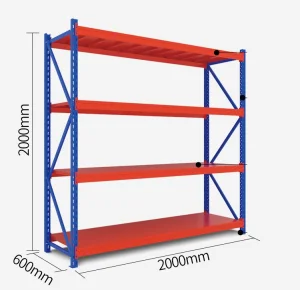
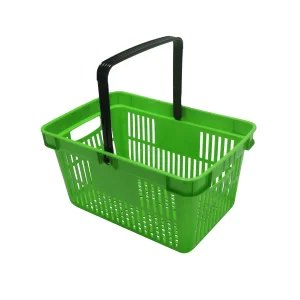
Heavy-duty build structural components designed for high durability and performance
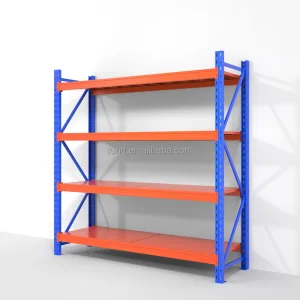
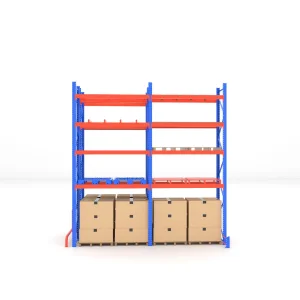
In an era of hyper-optimized fulfillment centers and highly dynamic logistics nodes, spatial layout efficiency is no longer a luxury—it is the cornerstone of operational profitability.
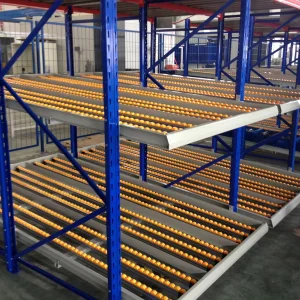
Maximizing warehouse capacity requires shifting focus from square footage to cubic efficiency. Advanced stackable containers and heavy-duty racking systems allow manufacturers to unlock vertical density safely, multiplying storage capacities without expanding physical facility footprints.
Stacking heavy loads demands precise metallurgy. High-tensile steel, such as Q235B, undergoes rigourous stress and load-bearing calculations. A deep focus on weld integrity and structural fatigue parameters prevents collapse, shielding logistics teams from dynamic structural failures.
The modern logistics ecosystem relies heavily on robotics. Advanced container and racking designs incorporate standard sizing footprints, optimized reinforcement points, and uniform dimensional stability. This ensures seamless integration with AGVs, autonomous forklifts, and high-speed ASRS setups.
Established in 2015, Shenzhen Runda Racking Manufacturing Co., Ltd. stands as a premier global manufacturer specializing in heavy-duty industrial shelving and high-density warehouse storage systems. Backed by over 11 years of deep industry expertise and 9 years of active global export success, we deliver tailored racking and storage solutions to global logistics hubs, manufacturing sites, and large-scale distribution centers.
From our state-of-the-art 35,000 square meter production facility, our operations leverage a highly reliable network of over 1,200 trusted raw material and supply chain partners. This robust framework allows us to sustain an annual export turnover exceeding $28 million. Today, our primary footprints extend through North America, Western Europe, Southeast Asia, and the Middle East, servicing industrial distributors, third-party logistics (3PL) operators, and direct enterprise organizations.
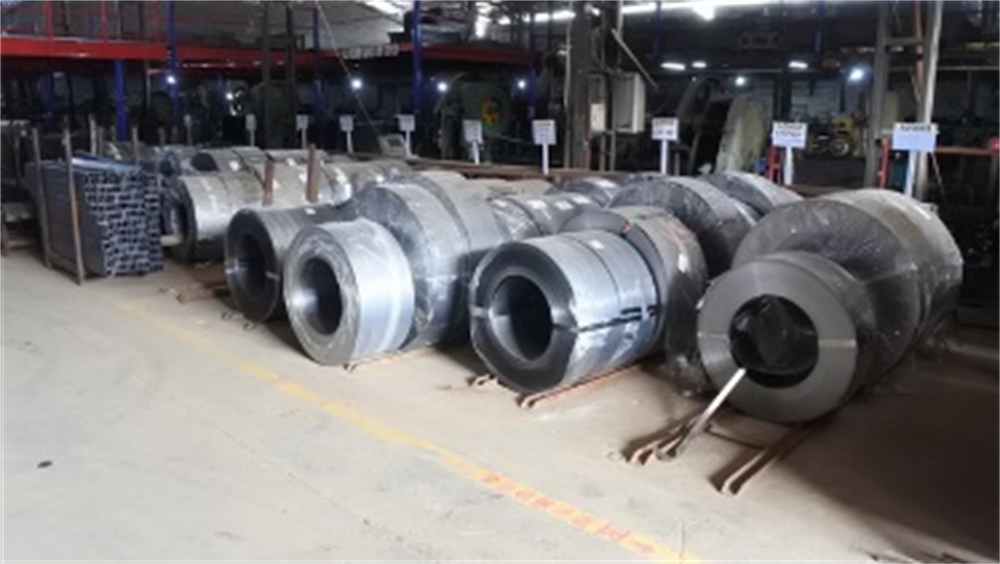
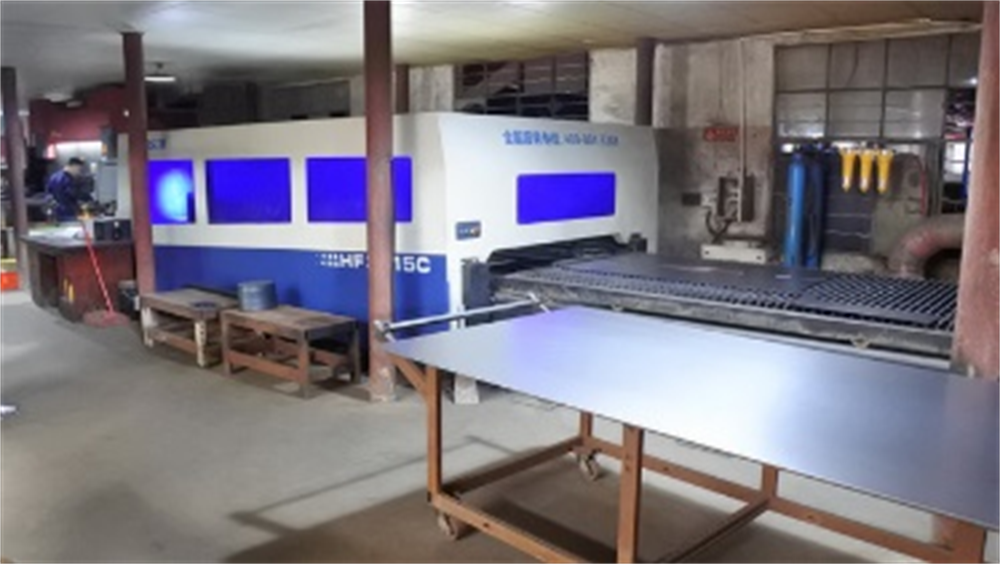
A closer look inside Runda’s advanced production floor, from raw material selection to end product dispatch
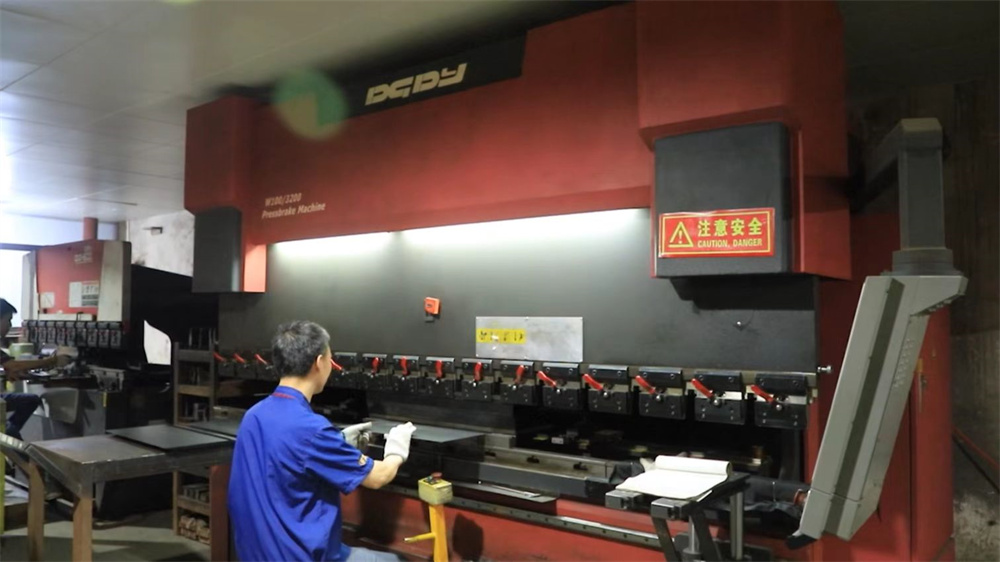
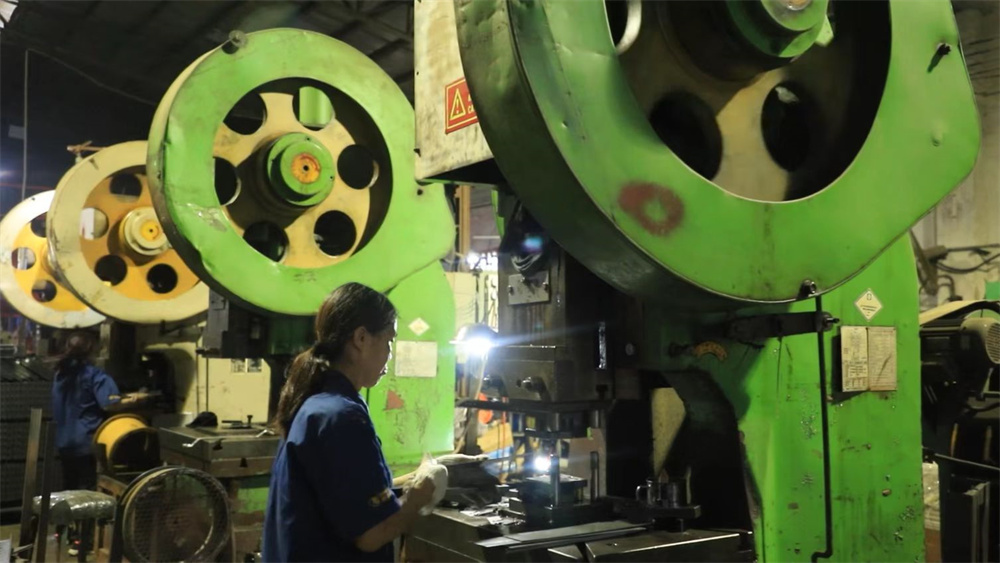
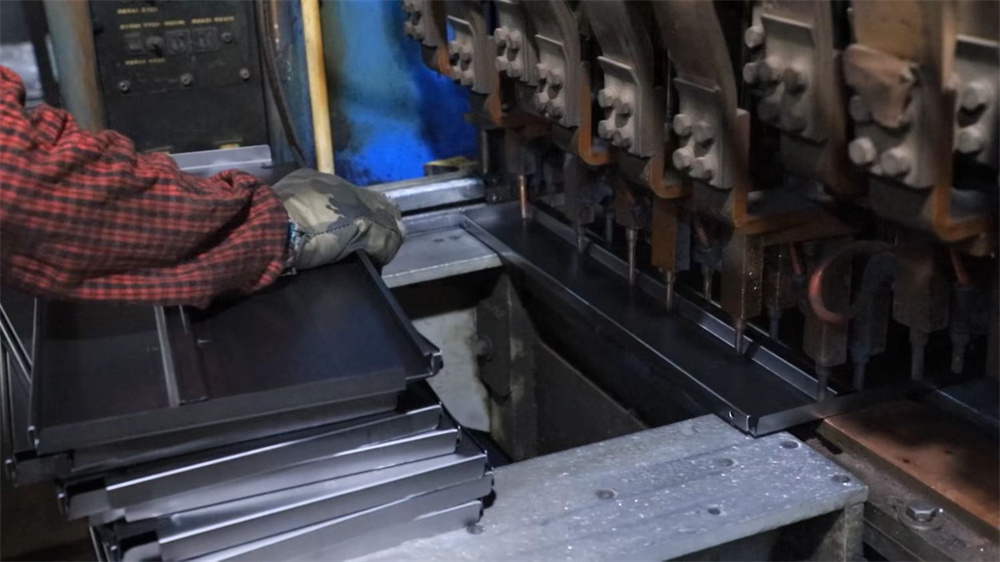
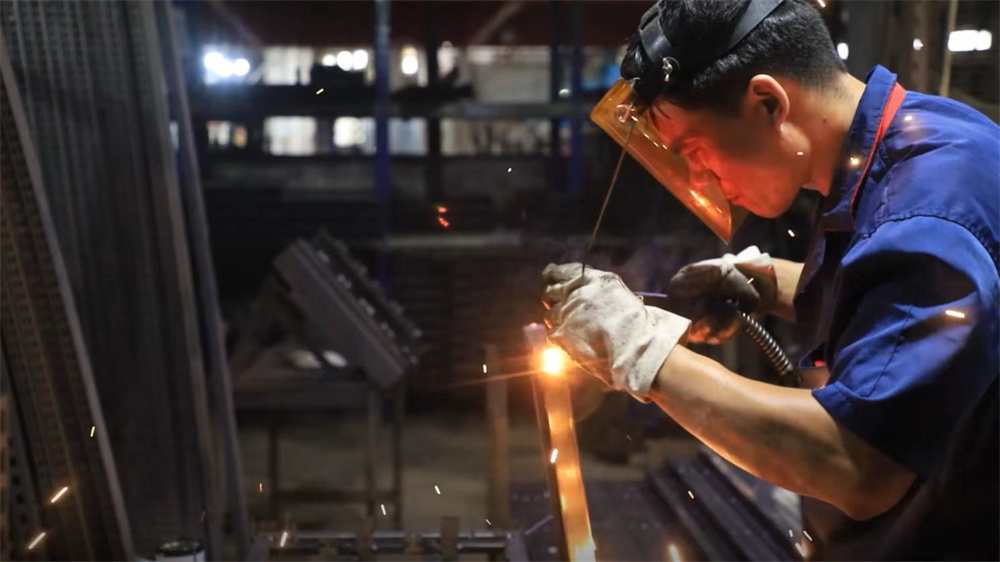
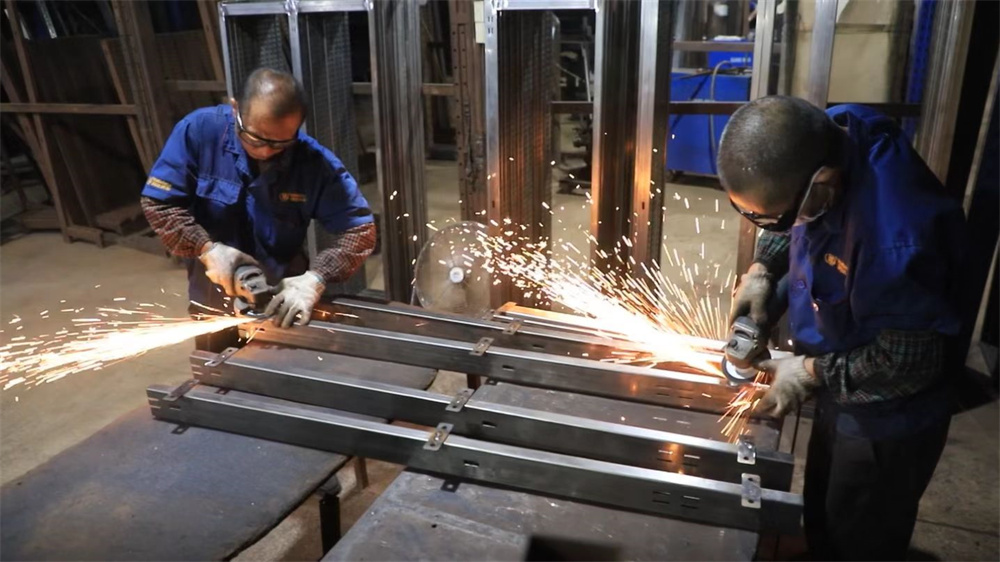
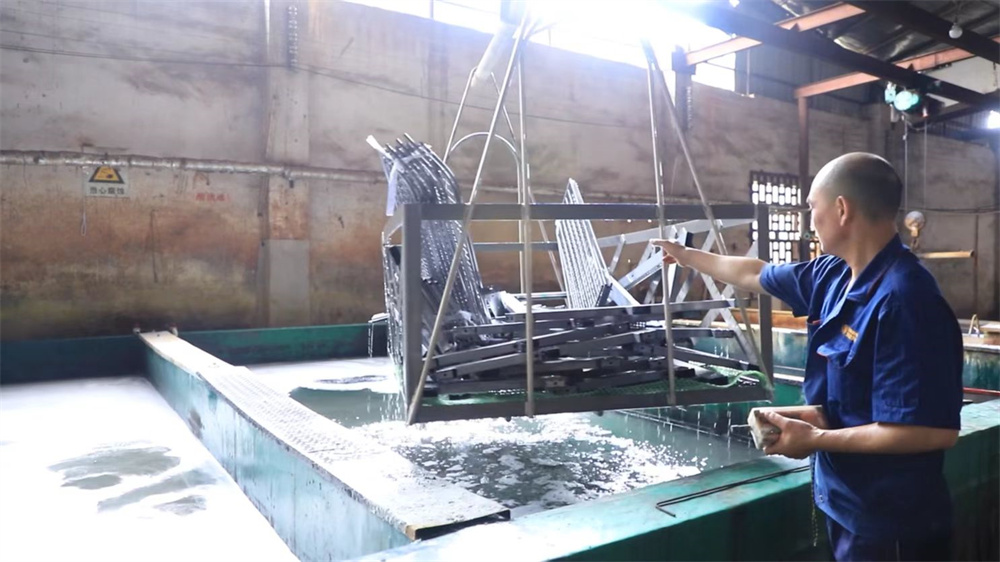
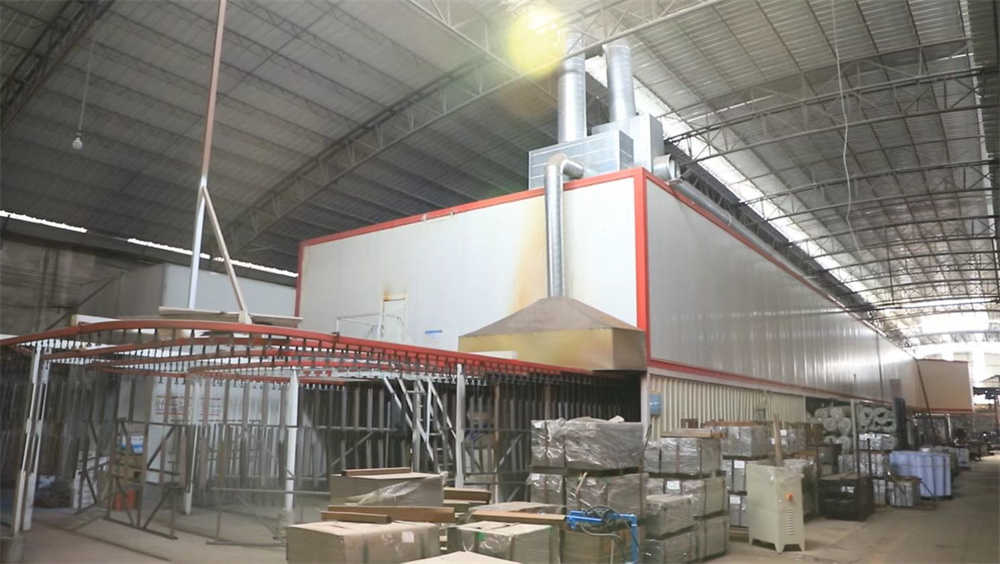
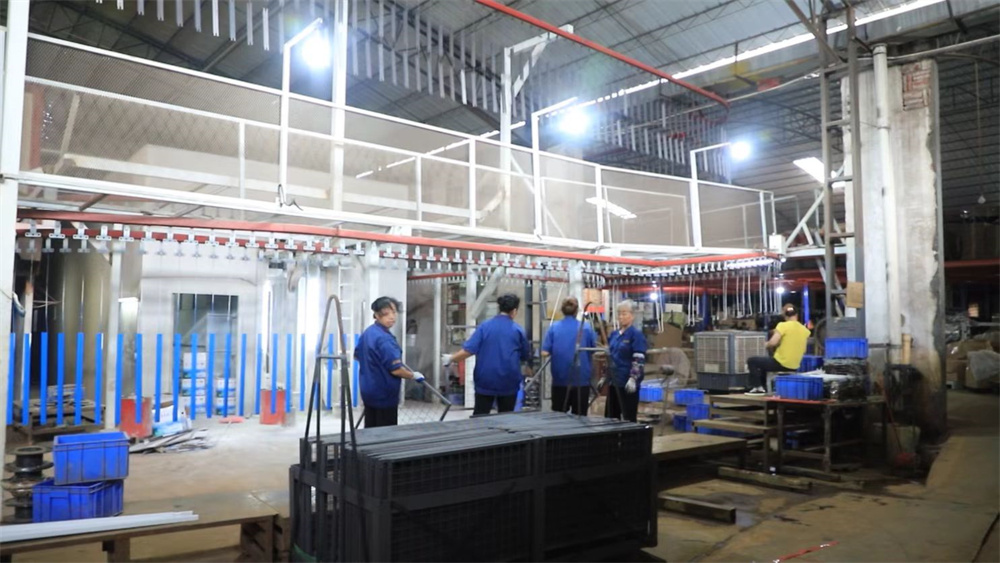
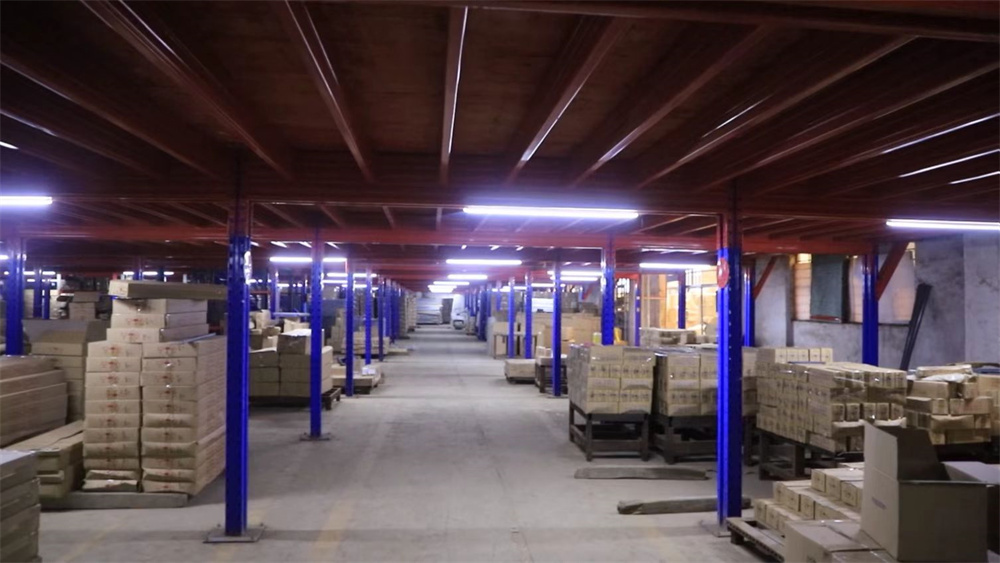
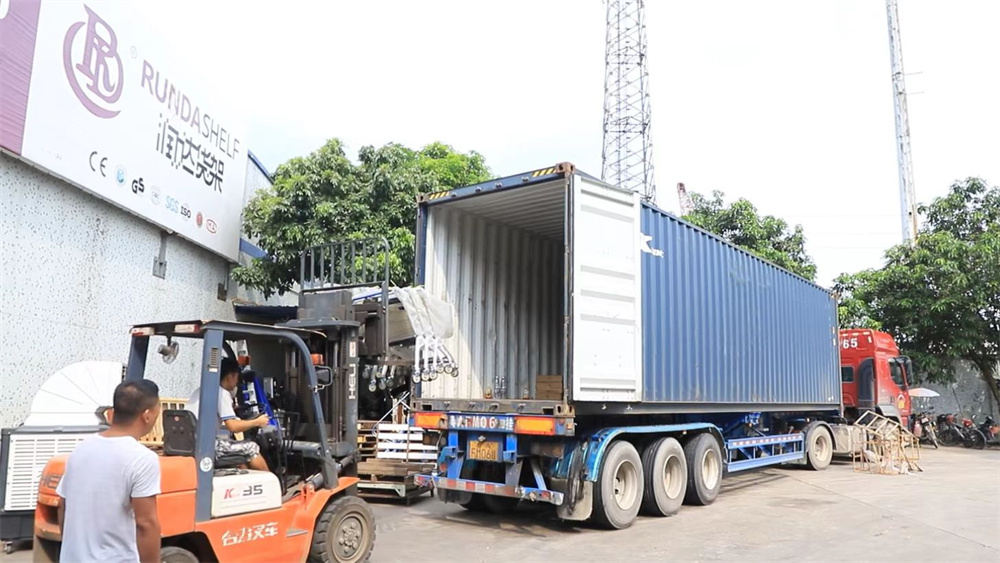
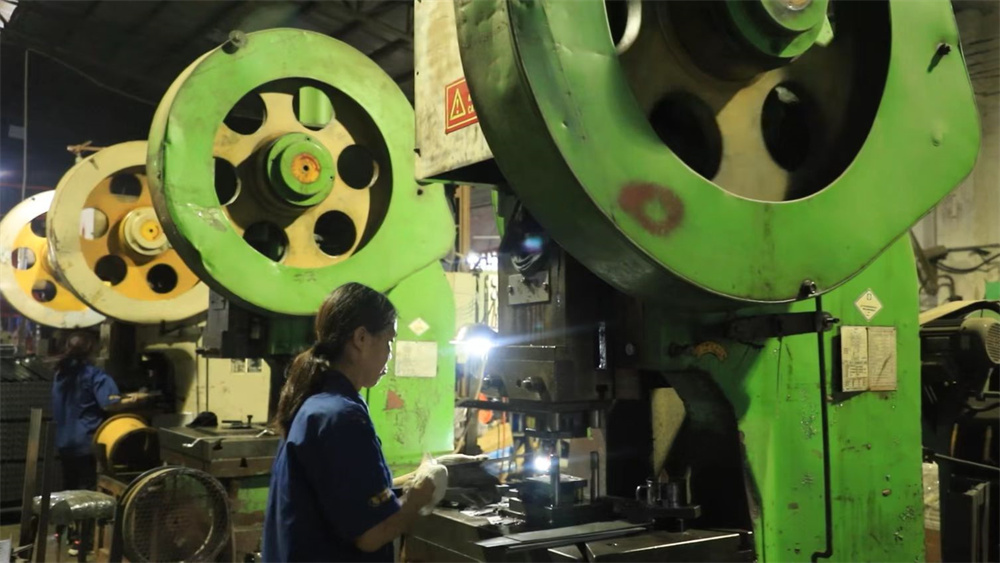
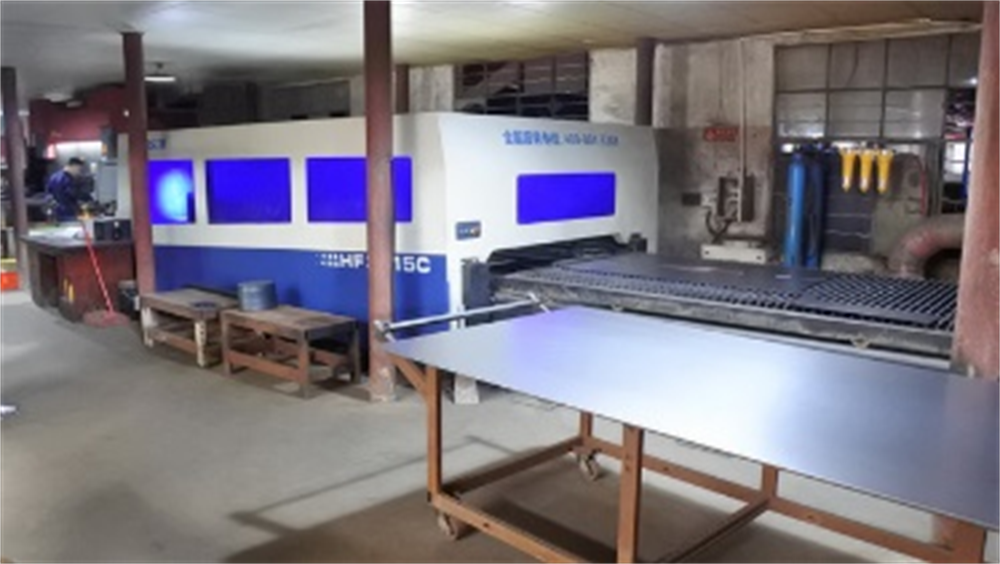
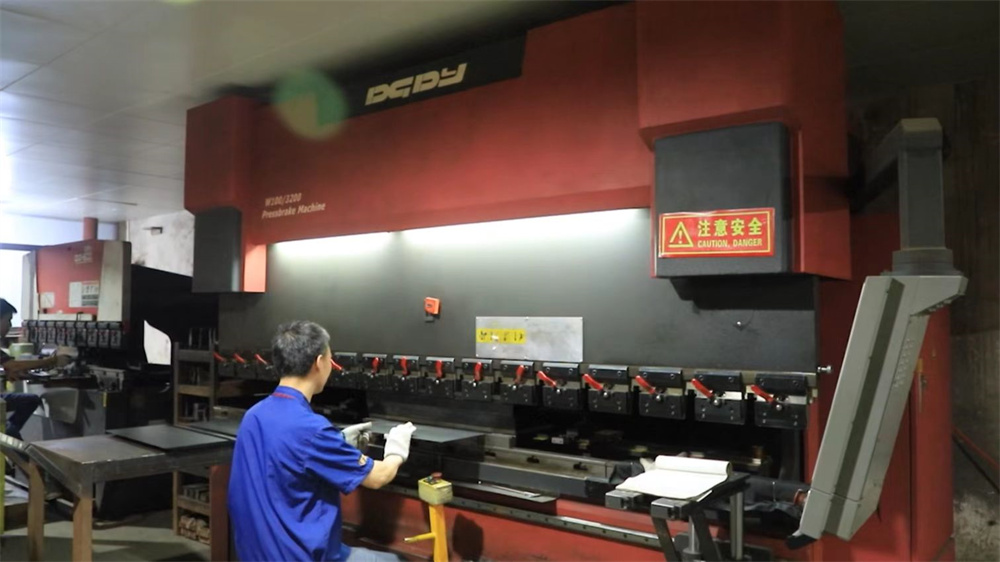
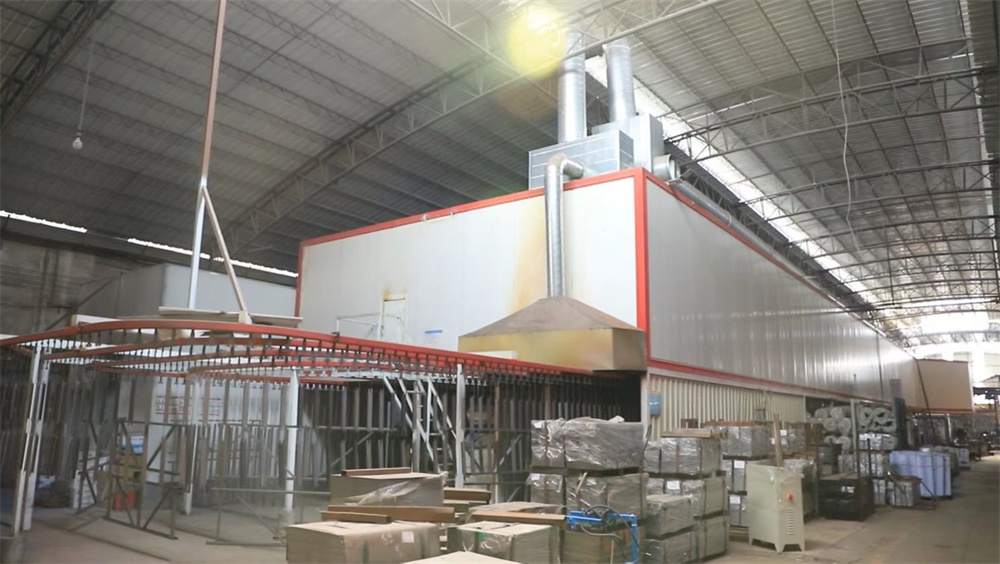
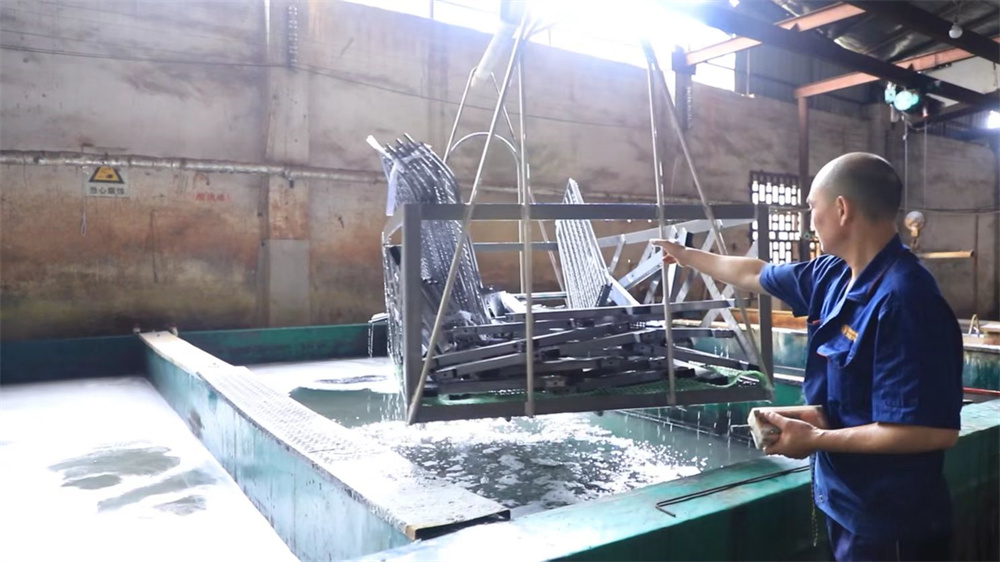
Ensuring compliance with localized structural standards across international zones
All industrial containers and racking systems exported to the US comply with the Rack Manufacturers Institute (RMI) standards. For European markets, designs are compliant with EN 15512 and FEM 10.2.02 codes. In the APAC region, structures meet AS4084-2012 specifications, ensuring safety, reliability, and local code certification.
For installations in high-seismicity regions like the West Coast of the US, Japan, and Italy, Runda uses finite element analysis (FEA) to simulate lateral forces. Custom base plates, dynamic anchoring, and high-yield steel components are integrated to maintain structural stability under seismic activity.
For harsh chemical warehouses and cold-chain facilities, containers feature hot-dip galvanized or specialized electrostatic powder coatings. This helps prevent chemical oxidation, rust, and surface deterioration down to -40°C, prolonging the operational lifespan of the system.
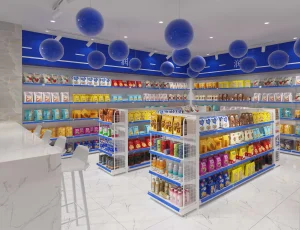
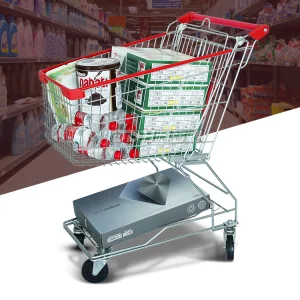
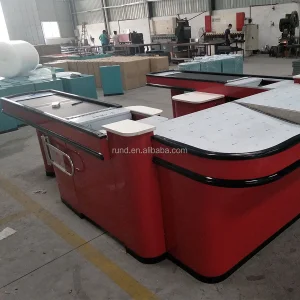
Heavy-duty warehouse and retail fixtures engineered for performance
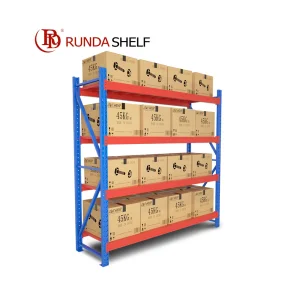
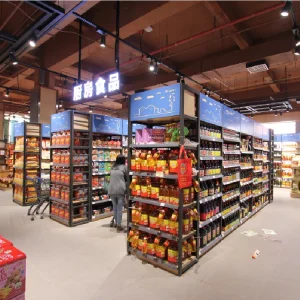
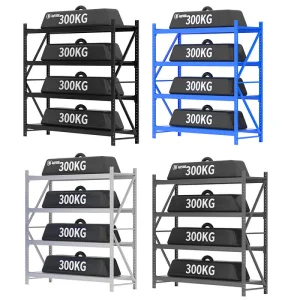
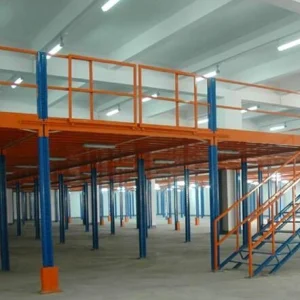
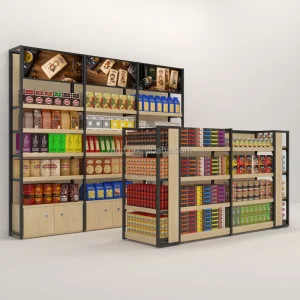
Optimizing vertical storage infrastructure with modern design updates
Runda's metallurgical R&D is focused on testing high-strength, low-alloy steel variants. Transitioning to newer steel grades helps reduce overall structural weight by up to 15% while maintaining similar ultimate tensile limits and structural load capacities.
Future iterations of our heavy-duty industrial containers will feature integration options for RFID tags and IoT positioning sensors. This allows logistics networks to track structural assets and coordinate space allocations in real-time across dynamic warehouse layouts.
We are actively implementing modular container designs where high-wear structural corners and load-bearing locks can be independently replaced. This design extension reduces early disposal rates, helps minimize resource waste, and supports corporate ESG objectives.
Addressing structural calculations, safety guidelines, and customization inquiries
We primarily use high-grade Q235B and Q355 structural carbon steel. These grades provide an optimal balance of yield strength, ductility, and weldability. For heavy-duty industrial components, we source certified mill plates that undergo stress-relief testing to guarantee load-carrying safety.
We work closely with structural engineering firms in export destination countries (such as the US, Japan, and Italy) to verify local seismic zoning requirements. Our R&D engineers use dynamic simulation software to adjust baseplate sizing, anchoring systems, and frame geometry to match local seismic codes.
Yes, custom manufacturing is a key part of our operations. Supported by our 18 structural design engineers, we offer tailored dimensions, custom configurations, modified load capacities, and specialized coatings to meet specific storage environments and industrial footprints.
With our 35,000 square meter factory space and support from over 1,200 supply chain partners, standard bulk orders are processed and loaded within 30 to 45 days. Exact timelines can vary depending on customization requirements, raw material sourcing, and order volume.
 Runda Racking