Engineered for maximizing floor efficiency, load capacity, and seamless product organization
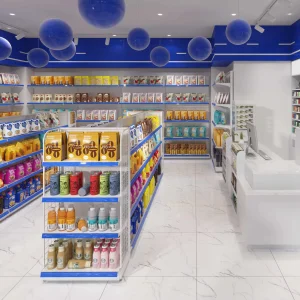
How modern warehouses are transforming footprint liability into high-density storage assets
In the modern era of logistics, warehousing real estate has become one of the most significant line-item costs for global enterprises. Traditional static racking installations, though reliable, are fundamentally limited by the space required for dedicated access aisles. As a response to soaring costs and the rapid expansion of e-commerce, the global material handling sector has experienced a structural pivot toward motorized mobile storage systems (also known as mobile racking or electrically driven mobile shelves).
Unlike conventional static arrays, motorized mobile racking mounts pallet racks or shelving assemblies onto heavy-duty wheeled carriages. These carriages ride on precision-engineered floor rails embedded into the concrete slab. Driven by high-torque electric motors controlled by central Programmable Logic Controllers (PLCs), the entire block of racks can be moved to open a single, highly optimized access aisle exactly when and where it is needed.
SEO Insight & ROI Metric: By converting passive aisle space into usable storage space, motorized mobile shelving systems can increase storage capacity by up to 85% to 100% within the same physical footprint. Alternatively, they allow developers to reduce the footprint of new facilities by up to 45%, offering massive savings on initial structural concrete, HVAC infrastructure, and ongoing municipal taxes.
Several macroeconomic and technical factors are driving procurement teams toward specialized motorized storage factories:
The essential procurement checklist for heavy-duty automated shelving systems
The foundation of any motorized system is the structural grade of steel. Look for suppliers using Q235B or Q355B high-tensile structural steel that has undergone Finite Element Analysis (FEA) testing. The system must meet strict load capacity tolerances under dynamic moving stresses.
Top-tier suppliers build systems using premium components like Siemens or Mitsubishi PLCs. Crucially, the system should feature open API structures to interface directly with existing Warehouse Management Systems (WMS) and Warehouse Execution Systems (WES).
Safety is non-negotiable for motorized heavy-duty installations. Ensure the supplier complies with EN 15095 standards. Systems must include dual-loop photoelectric safety curtains, active obstacle detection, and automatic deceleration control.
A reputable factory should not just ship raw components. They must conduct full mock-assembly tests, check the alignment of motorized wheelbases, perform current-draw audits on motors, and inspect structural welds via ultrasonic testing.
Mobile racking requires highly precise installation and maintenance. The supplier must offer field engineering support, remote PLC diagnostics, clear localized documentation, and robust warranties on structural, electrical, and mechanical components.
A premier global manufacturer of high-density storage and heavy-duty structural systems
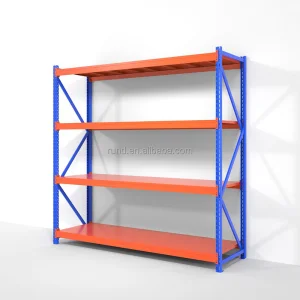
Established in 2015, Shenzhen Runda Racking Manufacturing Co., Ltd. is a premier manufacturer specializing in heavy-duty industrial shelving and high-density warehouse storage solutions. With over 11 years of deep industry expertise and 9 years of active global export experience, we deliver tailored racking systems to logistics hubs, distribution centers, and manufacturing plants worldwide.
Operating from a modern 35,000 square meter production facility, our operations are powered by a robust network of over 1,200 trusted supply chain partners. This enables us to achieve an annual export turnover of $28 million. Our primary markets span North America, Western Europe, Southeast Asia, and the Middle East, where we proudly serve industrial distributors, large-scale third-party logistics (3PL) operators, and direct enterprise buyers.
Quality and innovation drive our core philosophy. We maintain strict quality control through full-process sampling inspection, raw material stress testing, and load-bearing verification, backed by a dedicated team of 35 QC professionals. Innovation is led by our 18 experienced R&D engineers who continuously refine structural efficiency—releasing over 120 new and upgraded storage products last year alone.
We offer comprehensive OEM/ODM and full custom manufacturing services, including tailored load capacities, custom dimensions, corrosion-resistant powder coatings, and specialized seismic structural designs. Supported by our experienced international trade background, Shenzhen Runda provides seamless end-to-end service, from technical layout design to reliable global shipment execution.
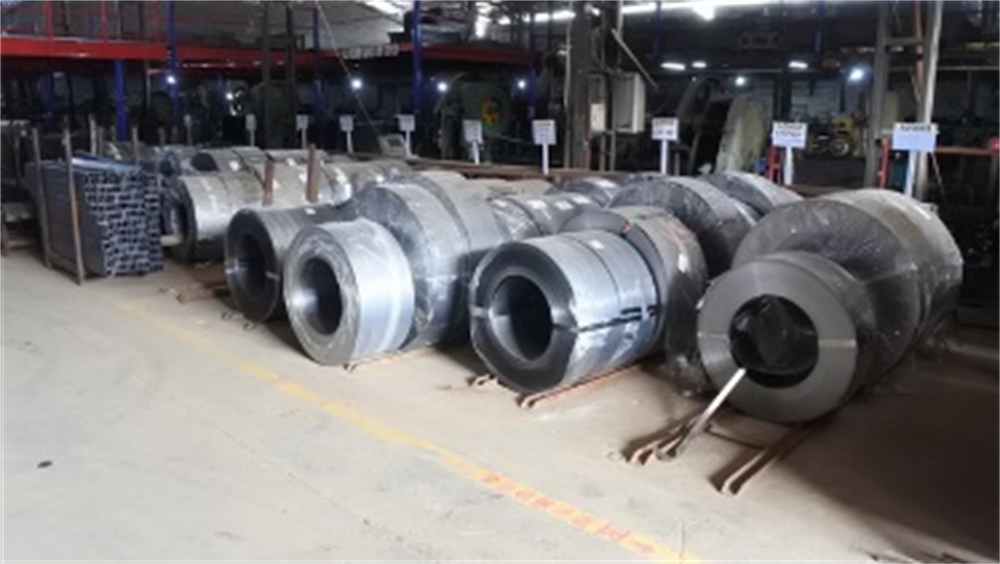
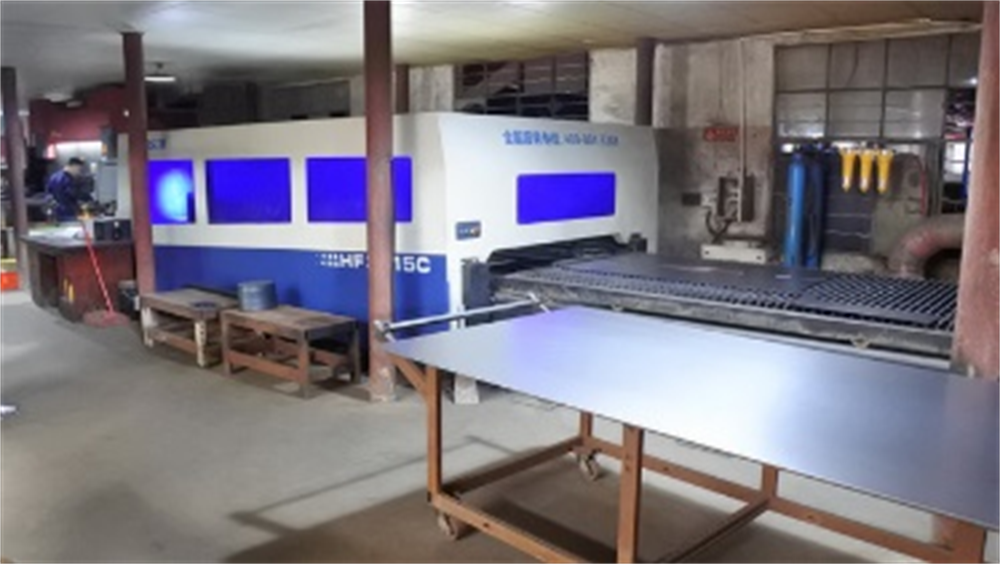
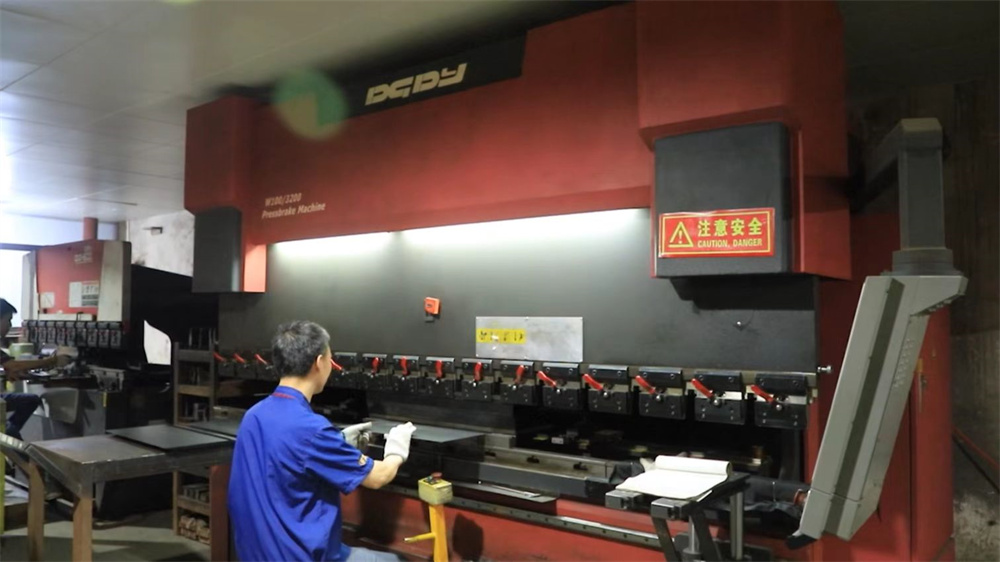
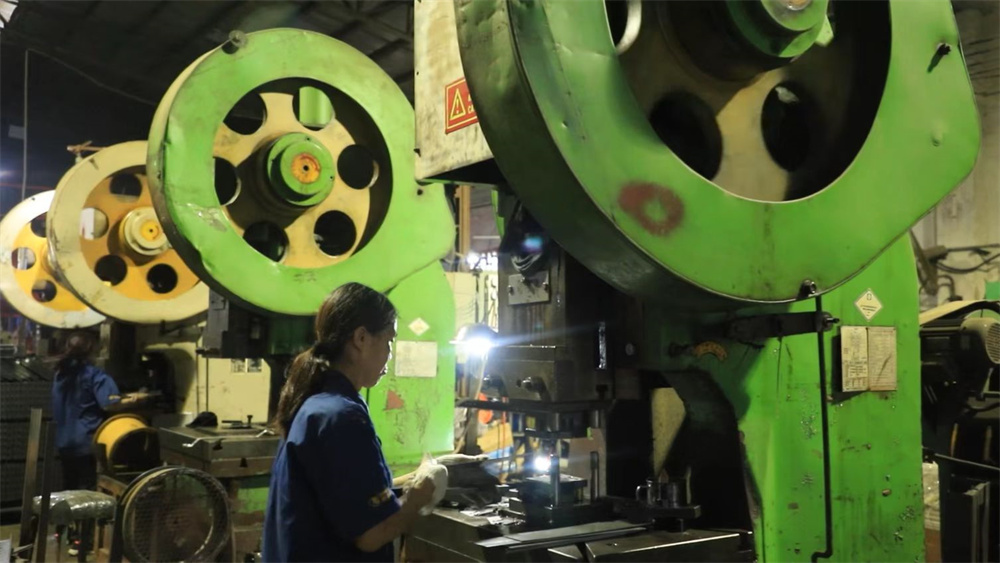
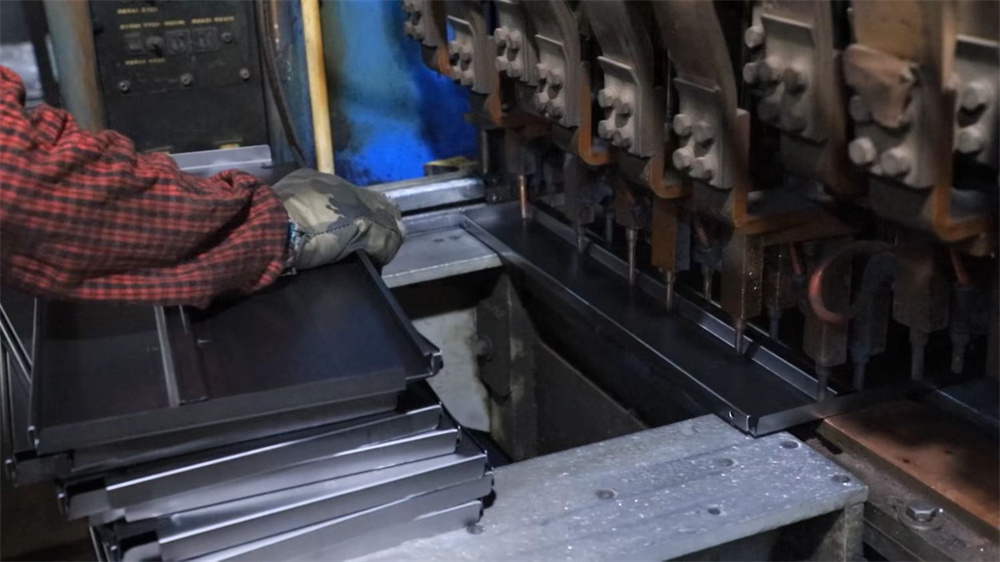
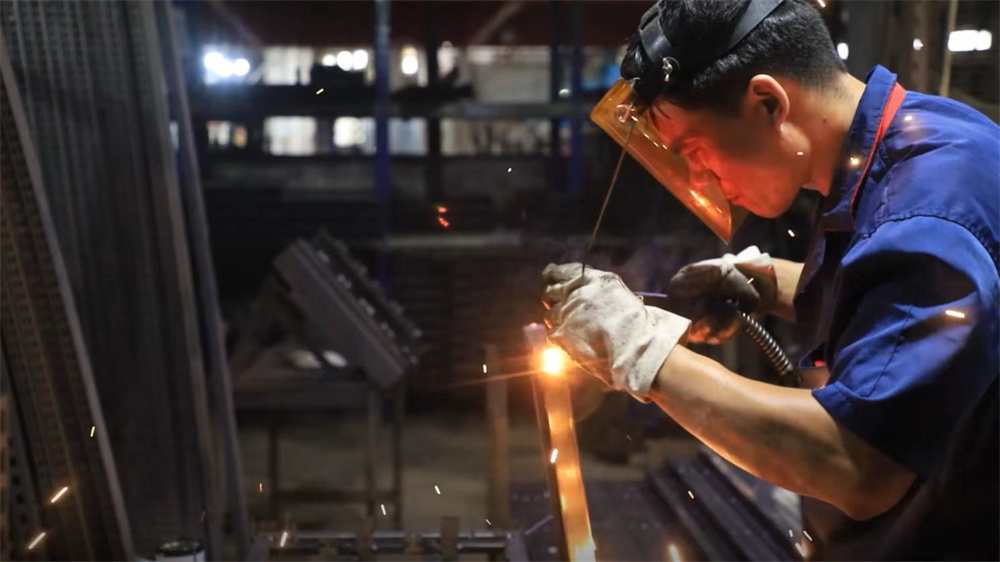
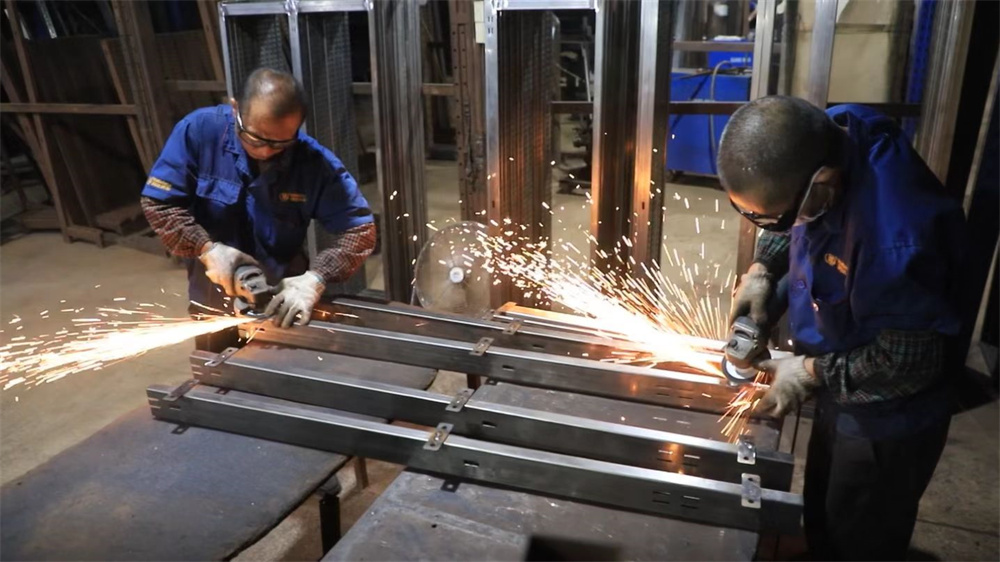
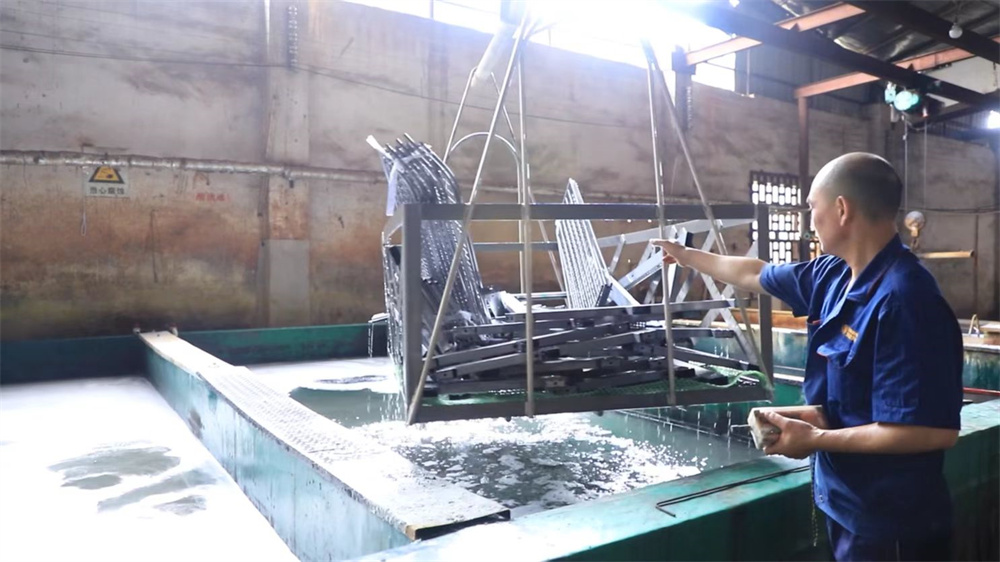
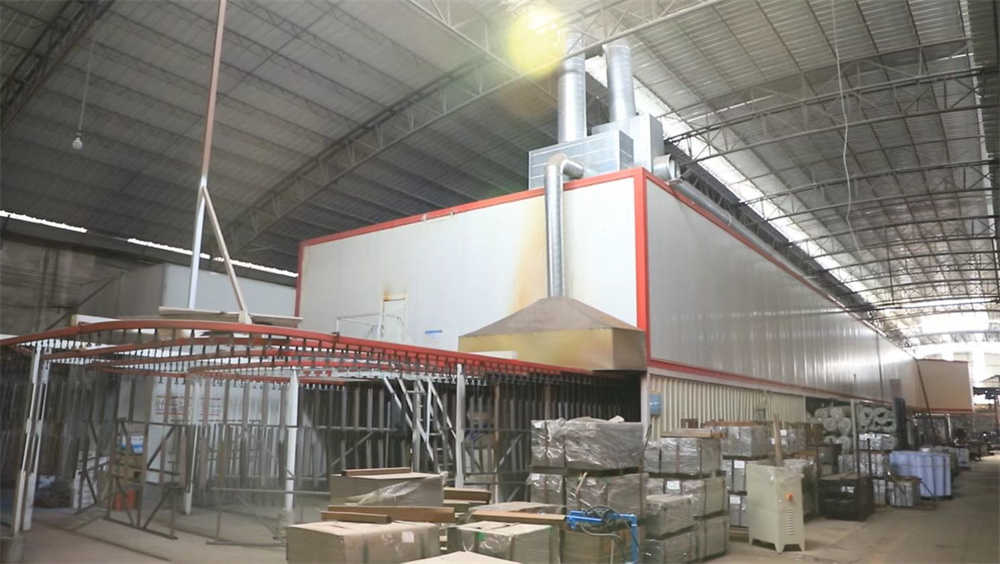
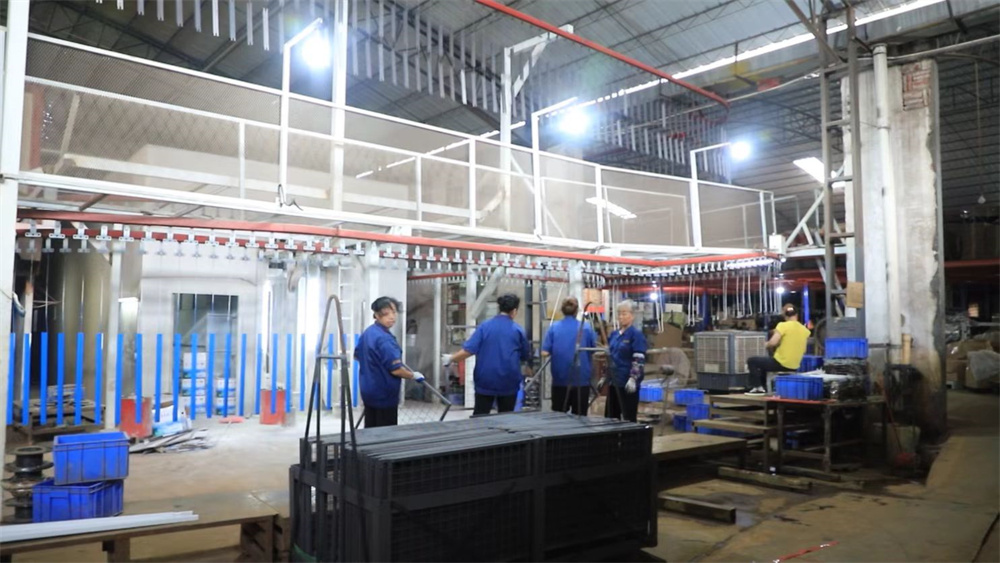
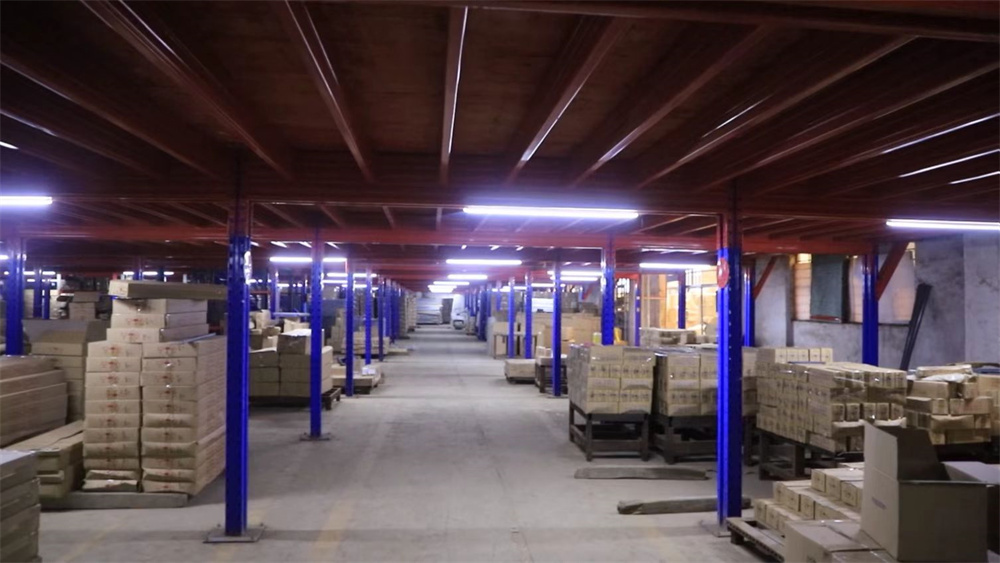
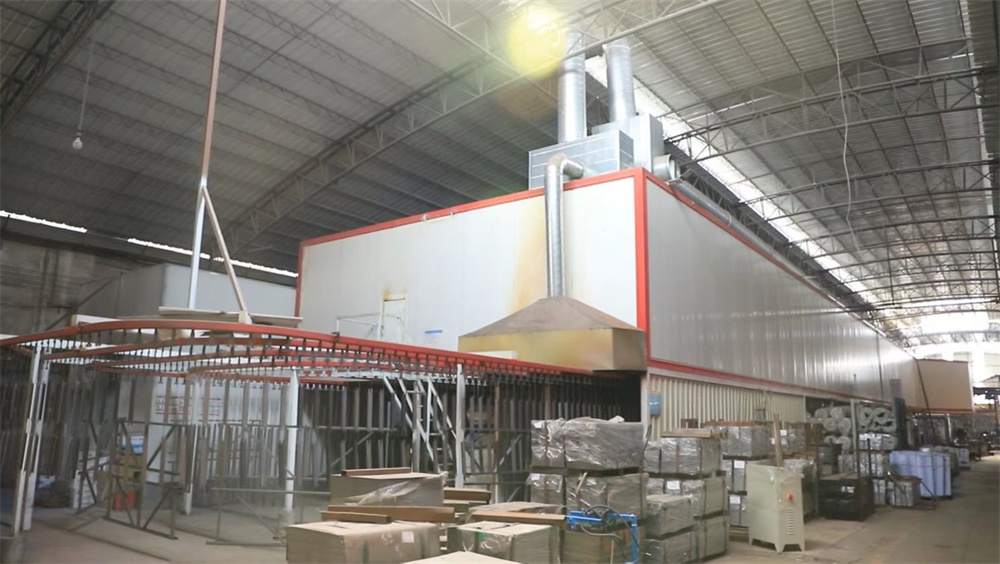
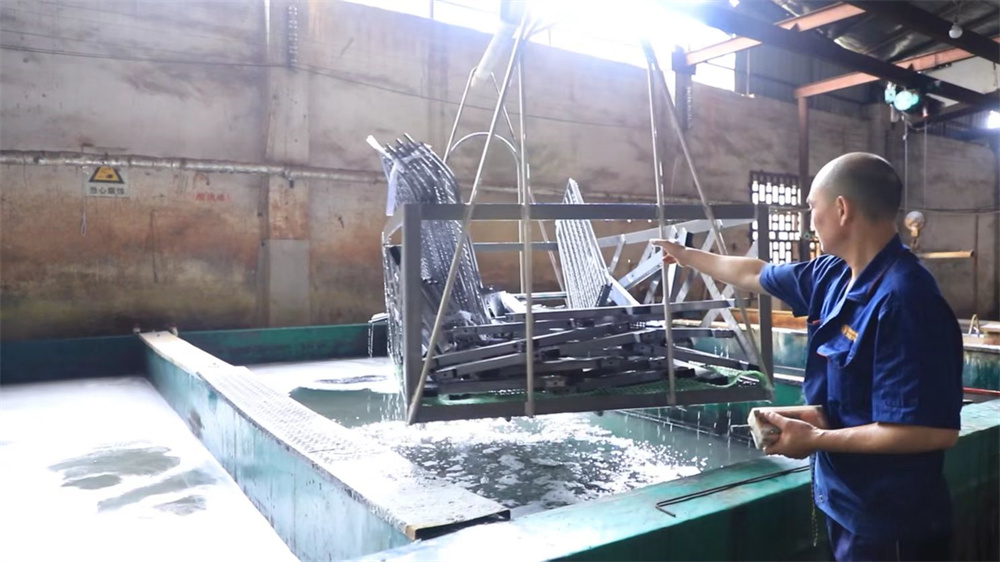
Inside Shenzhen Runda's modern industrial facility, where structural steel meets precision automation
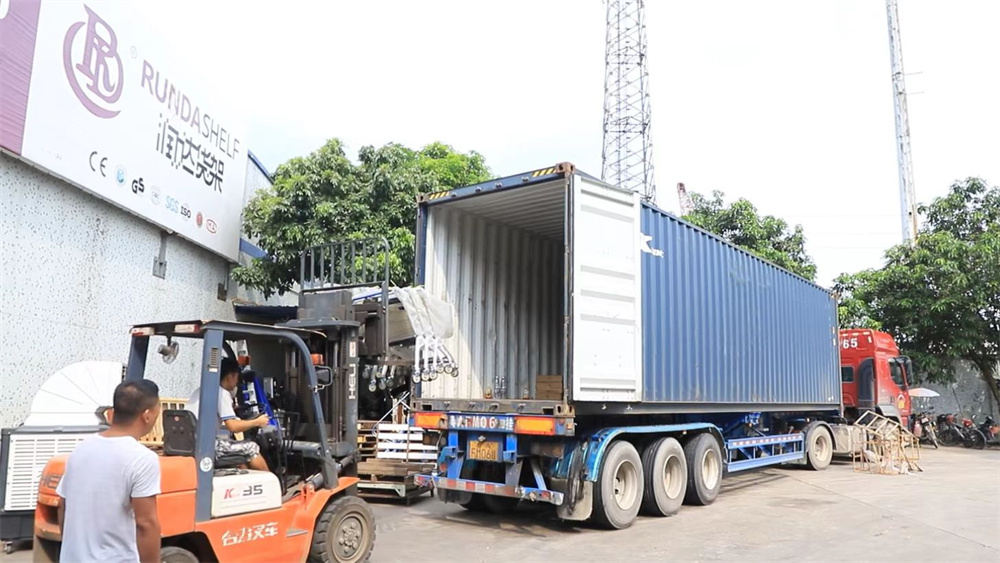
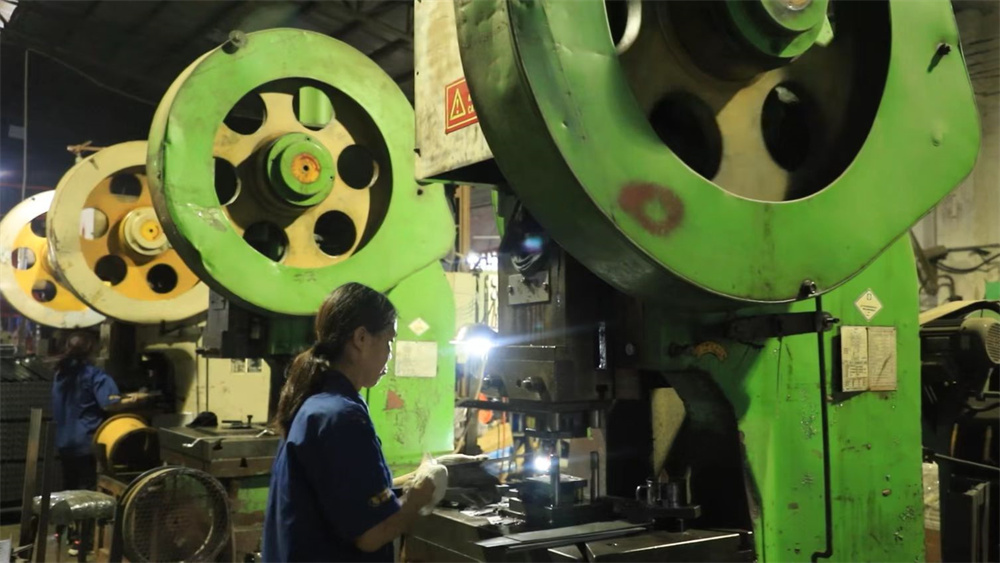
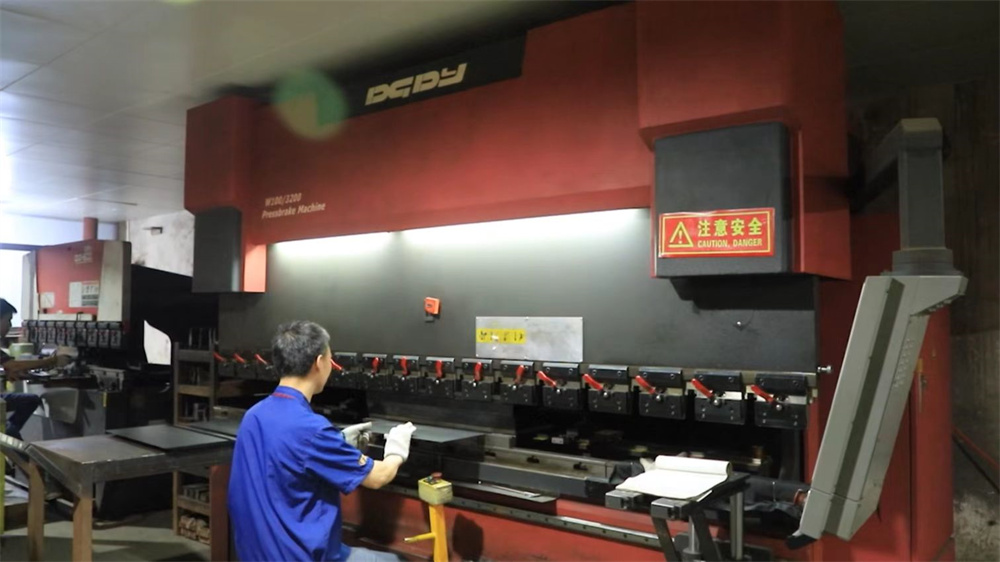
The path to Industry 4.0: Integrating IoT, Smart Diagnostics, and Autonomous Robotics
Current generation motorized mobile systems incorporate localized diagnostic hubs. By utilizing continuous laser-ranging sensors, the controllers actively monitor wheel alignment, frame skew, and track flatness. In the event of a structural variation (such as floor settling), the system alerts operators before a failure occurs, shifting maintenance protocols from reactive to predictive.
Next-tier development involves tighter integration with enterprise Warehouse Management Systems. Mobile racking systems are transitioning from passive aisle-openers to active routing entities. Algorithms analyze order batch picking sequences, positioning racks dynamically in advance to minimize carriage movement delay and improve picking throughput by over 30%.
The ultimate goal is the complete automation loop: linking motorized mobile storage with AMRs and Automated Guided Vehicles (AGVs). Racks will communicate with mobile forklifts via 5G networks, opening safe corridors, retrieving pallets, and adjusting storage profiles on the fly without human intervention.
Why sourcing from Shenzhen Runda ensures reliable lead times, high quality, and optimal pricing
In a global market facing supply chain disruptions and volatile raw material pricing, Chinese racking manufacturers—specifically those based in tech and logistics hubs like Shenzhen—offer a highly resilient structure for international buyers. Shenzhen Runda's position in the industry demonstrates key advantages:
We work directly with major domestic steel mills (such as Baosteel and Ansteel). This bypasses middle-tier distributors, securing stable access to premium Q235B and Q355B steel alloys even during global market supply constraints.
Shenzhen's industrial cluster houses over 1,200 trusted sub-tier component partners. From high-torque gear motors and precision controllers to custom powder coatings, all critical components are sourced locally, eliminating international shipping delays for custom builds.
Our 35,000 square meter factory runs automated production lines, laser cutting centers, and automated painting lines. By replacing manual operations with robotic welding and CNC bending, we keep manufacturing tolerances within ±0.5mm while lowering labor-associated production costs.
For global buyers, this supply ecosystem translates to reliable production lead times (often 30-40% shorter than domestic European or North American producers) and competitive pricing structures that enable direct ROI on warehouse automation upgrades.
Optimized storage configurations designed for highly specific commercial environments
| Industry Sector | Specific Storage Challenges | Motorized Mobile Solution Applied | Measured Operational Results |
|---|---|---|---|
| Cold Storage & Food Logistics | Extreme energy costs for keeping large volumetric spaces at sub-zero temperatures (down to -30°C). | High-density mobile pallet racks running low-temperature grease and insulated electrical conduits. | 40% reduction in heating/cooling costs per pallet; overall storage capacity doubled in the same freezer zone. |
| Pharmaceutical Cleanrooms | Maintaining sterile conditions, strict air filtration levels, and immediate individual SKU tracking. | Stainless steel mobile units with sealed guide-rail channels, dust-proof motors, and integrated tracking tags. | Minimal dust accumulation; cleanroom floor utilization increased by 75% while maintaining regulatory compliance. |
| Automotive Parts & Manufacturing | Extremely heavy, uneven dynamic loads, high cycle counts, and high seismic zone risks. | Heavy-duty motorized bases with structural upright braces and custom floor rail profiles. | Zero structural deflection under maximum loads; complete operator safety under seismic activity events. |
| Archival & Document Storage | High-security access, protection from humidity, and maximizing the density of paper archives. | Light-to-medium motorized shelving arrays integrated with PIN-code and card reader access locks. | Saved 50% floor space compared to static filing cabinets; highly secure, auditable user access logs. |
How our manufacturing guarantees reliability, safety, and global regulatory approval
Motorized mobile racking is a heavy industrial machinery installation, often carrying thousands of tons of dynamic weight above warehouse operators. Engineering compliance is a critical priority at Shenzhen Runda. Our systems are manufactured, verified, and installed to meet the following international standards:
Technical answers to key structural, electrical, and commercial queries
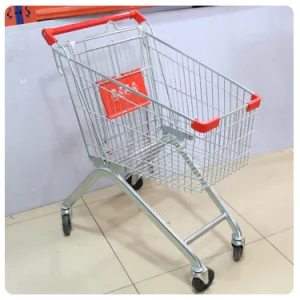
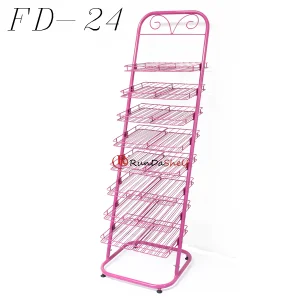
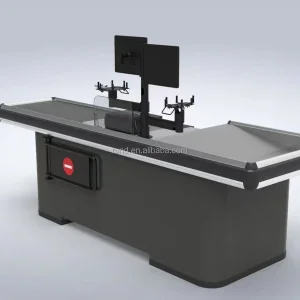
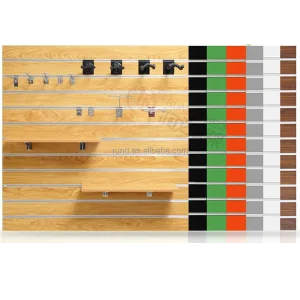
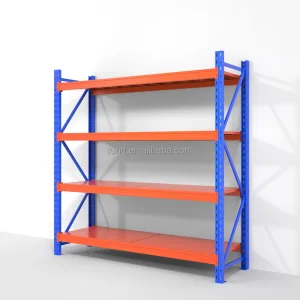
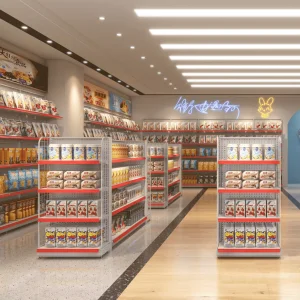
Engineered for commercial, logistics, and retail environments
 Runda Racking