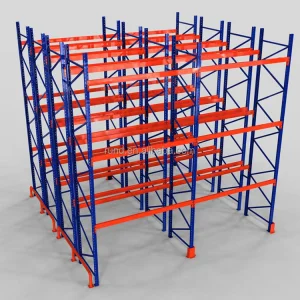

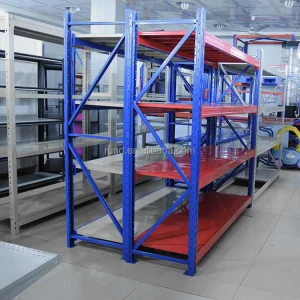
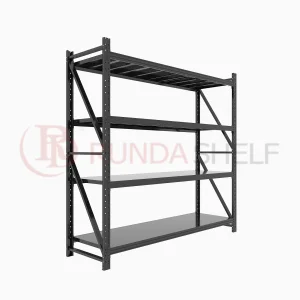
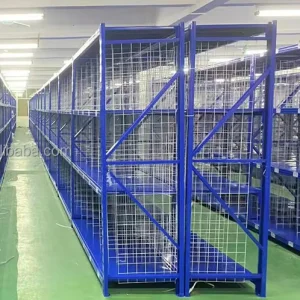
The global warehousing and logistics landscape is undergoing a fundamental shift. Spurred by the exponential growth of 3PL (Third-Party Logistics) operators, rapid distribution setups, and space constraints in metropolitan areas, procurement teams are transitioning away from rigid, permanent storage installations. High-density, modular, and foldable shelving systems are now critical assets for dynamic supply chains.
Globally, industrial warehouses are prioritizing systems that minimize installation time and allow structural redeployment. The capability to adjust, fold, or expand racks on demand directly correlates with lower operational expenses (OPEX). Furthermore, seismic rating compliance (under local frameworks such as RMI in the US and FEM in Europe) has transformed storage purchasing from a commodity buy into a highly engineered structural investment.
Why are global procurement managers actively replacing static warehouse racking with modular and foldable variations? The answer lies in structural agility and freight optimization:
Traditional rigid frames incur excessive freight costs due to high volume-to-weight ratios. Foldable systems collapse to a fraction of their assembled size, maximizing container load factors and minimizing carbon footprints during shipping.
In retail, grocery, and e-commerce fulfillment, storage demand surges during peak seasons. Foldable shelving can be deployed rapidly without tools and stored compactly when seasonal demand subsides.
Reducing field welding and complex assembly steps reduces local labor costs. Prefabricated foldable frameworks drop into position, ensuring high structural integrity and immediate deployment.
Established in 2015, Shenzhen Runda Racking Manufacturing Co., Ltd. is a premier manufacturer specializing in heavy-duty industrial shelving and high-density warehouse storage solutions. With over 11 years of deep industry expertise and 9 years of active global export experience, we deliver tailored racking systems to logistics hubs, distribution centers, and manufacturing plants worldwide.
Operating from our modern 35,000 square meter production facility, our operations are powered by a robust network of over 1,200 trusted supply chain partners. This enables us to achieve an annual export turnover of $28 million. Our primary markets span North America, Western Europe, Southeast Asia, and the Middle East, where we proudly serve industrial distributors, large-scale third-party logistics (3PL) operators, and direct enterprise buyers.
Quality and innovation drive our core philosophy. We maintain strict quality control through full-process sampling inspection, raw material stress testing, and load-bearing verification, backed by a dedicated team of 35 QC professionals. Innovation is led by our 18 experienced R&D engineers who continuously refine structural efficiency—releasing over 120 new and upgraded storage products last year alone.
We offer comprehensive OEM/ODM and full custom manufacturing services, including tailored load capacities, custom dimensions, corrosion-resistant powder coatings, and specialized seismic structural designs. Supported by our experienced international trade background, Shenzhen Runda provides seamless end-to-end service, from technical layout design to reliable global shipment execution.
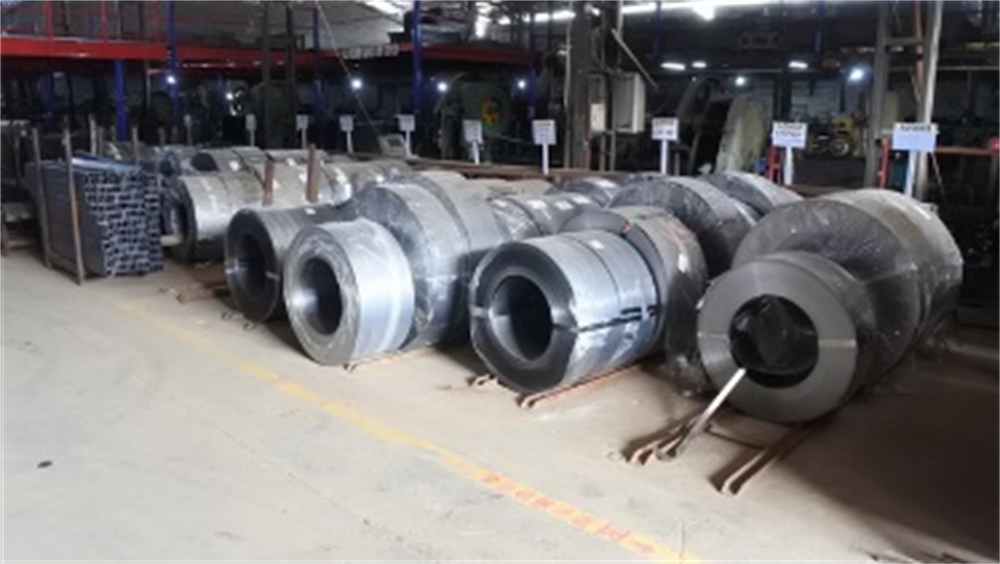
Raw Materials
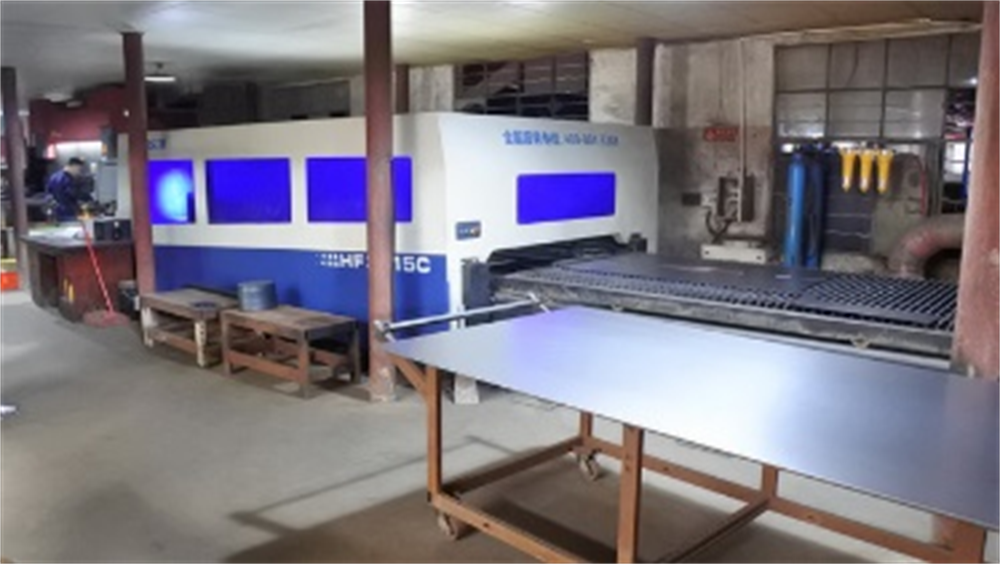
Laser Cutting
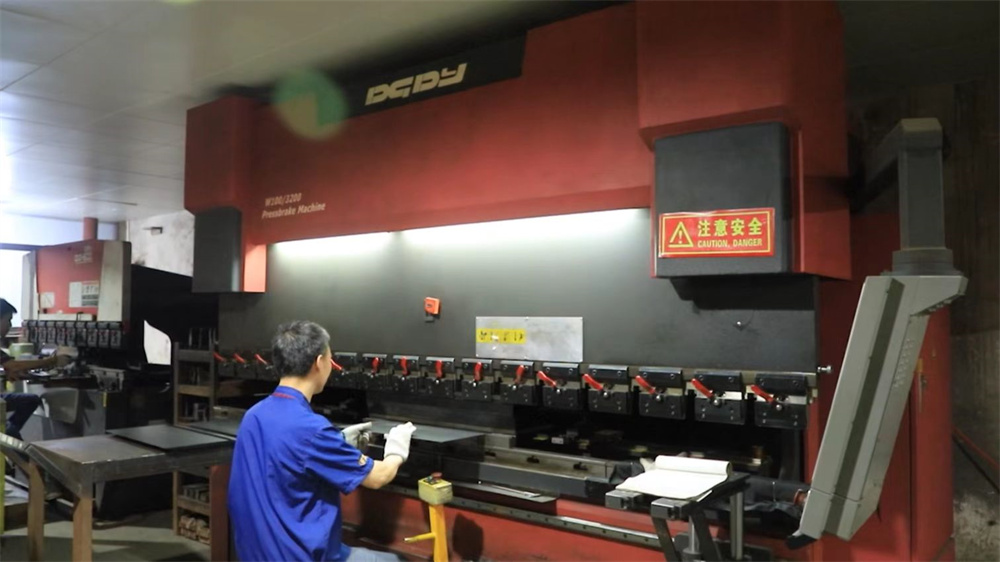
Bending
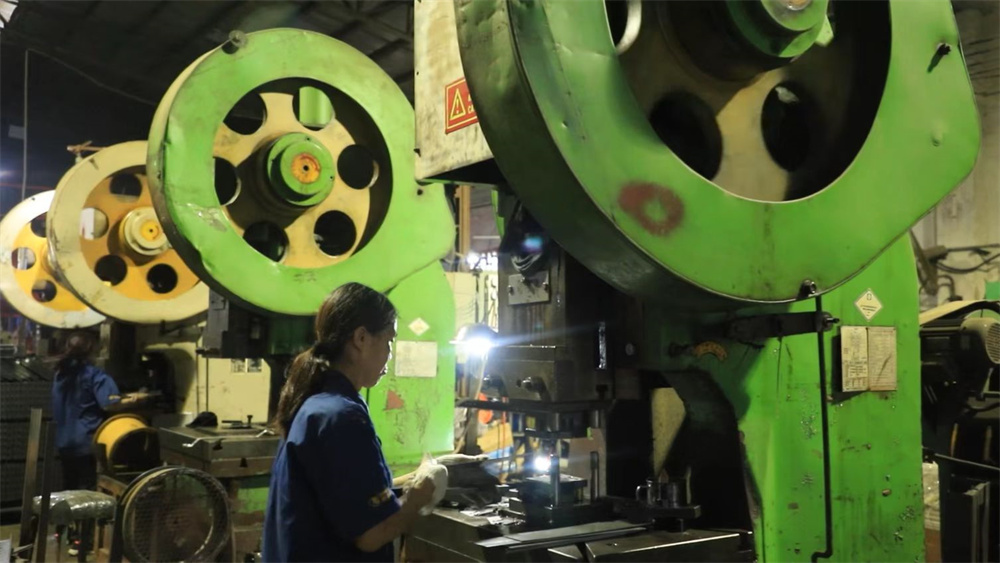
Punching
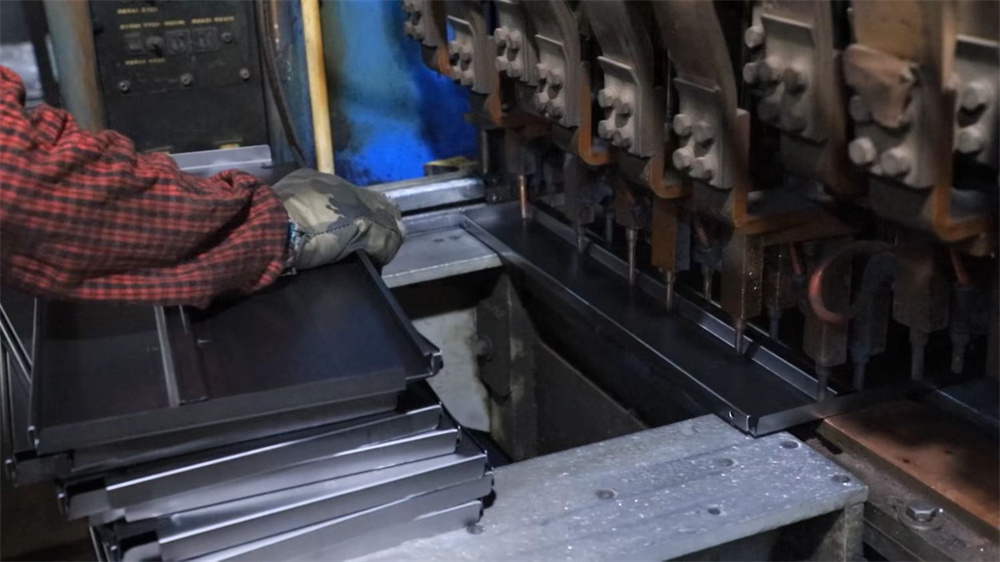
Part Processing
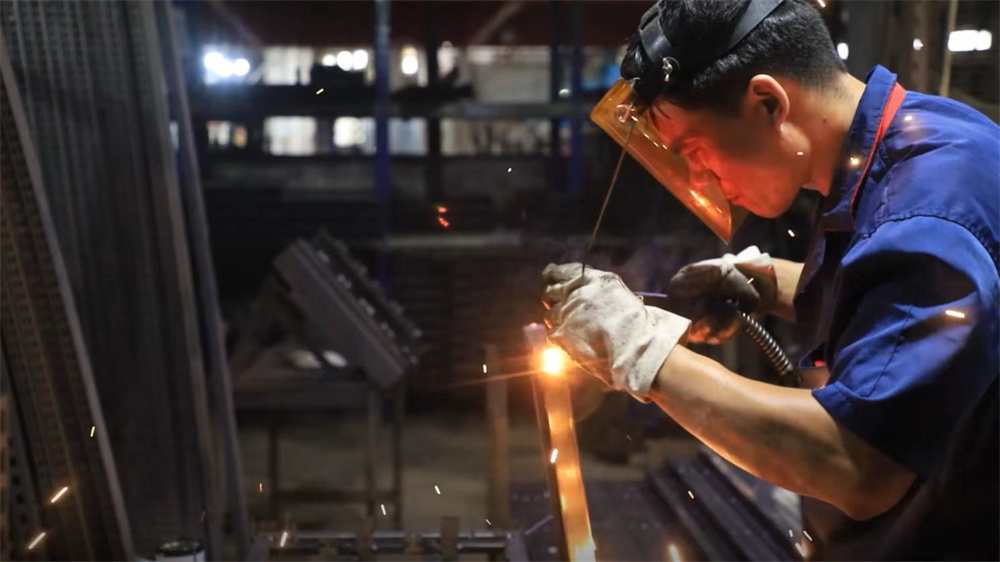
Welding
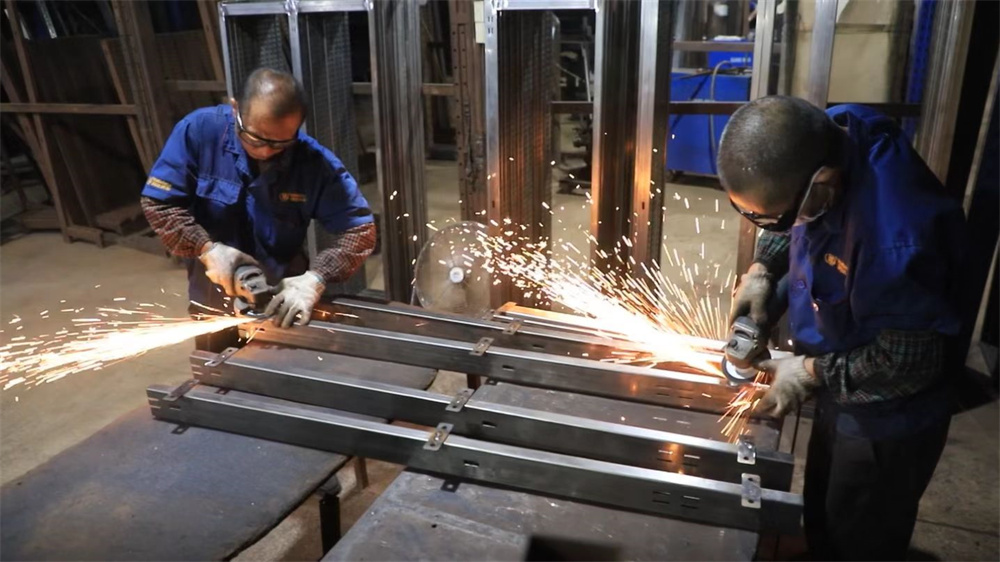
Grinding
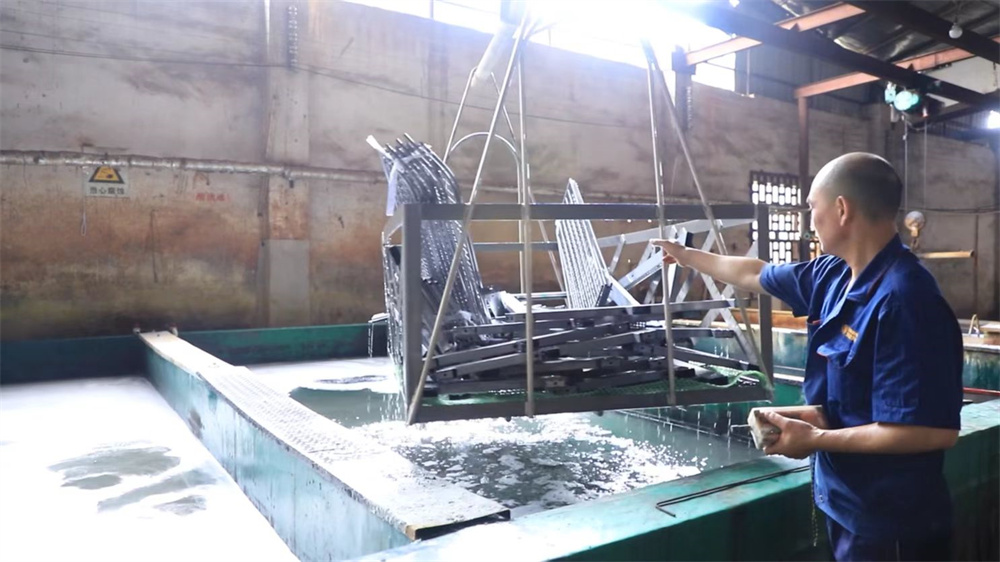
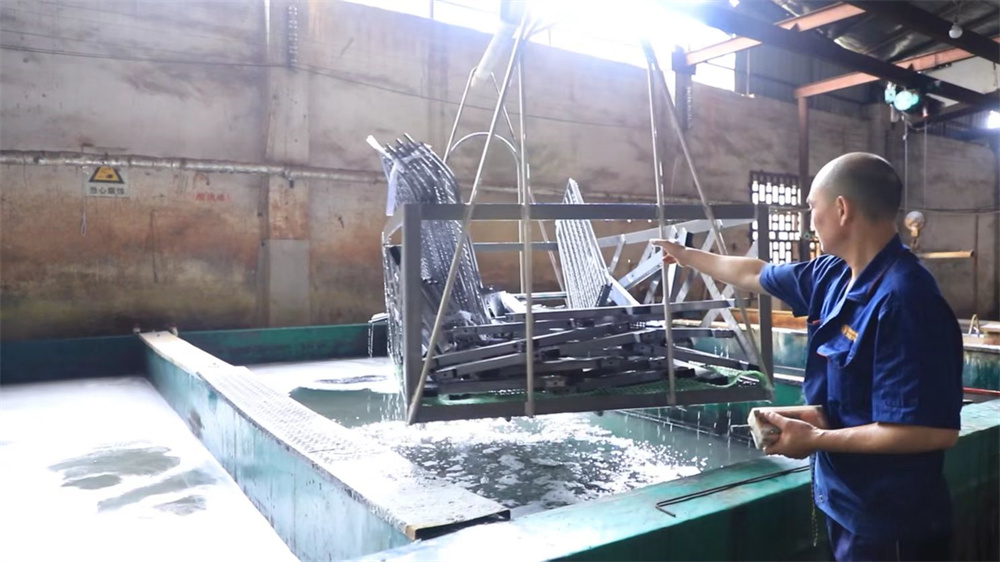
Surface Treatment
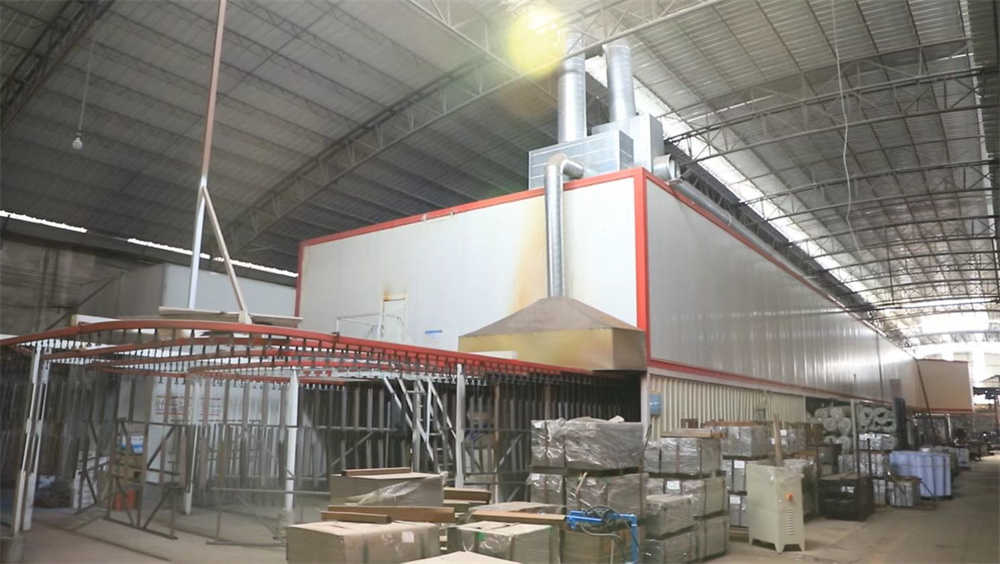
Automatic Painting
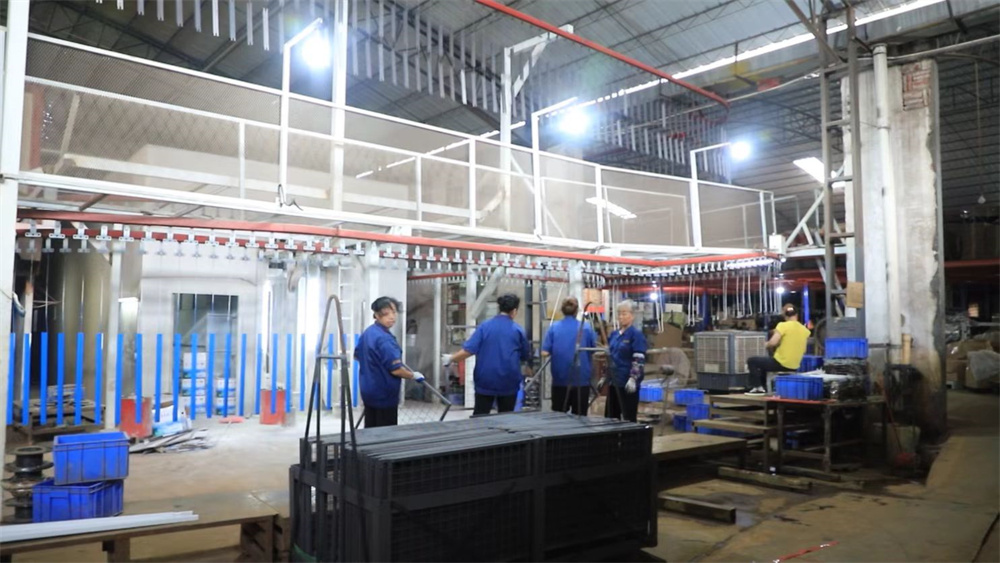
Inspecting
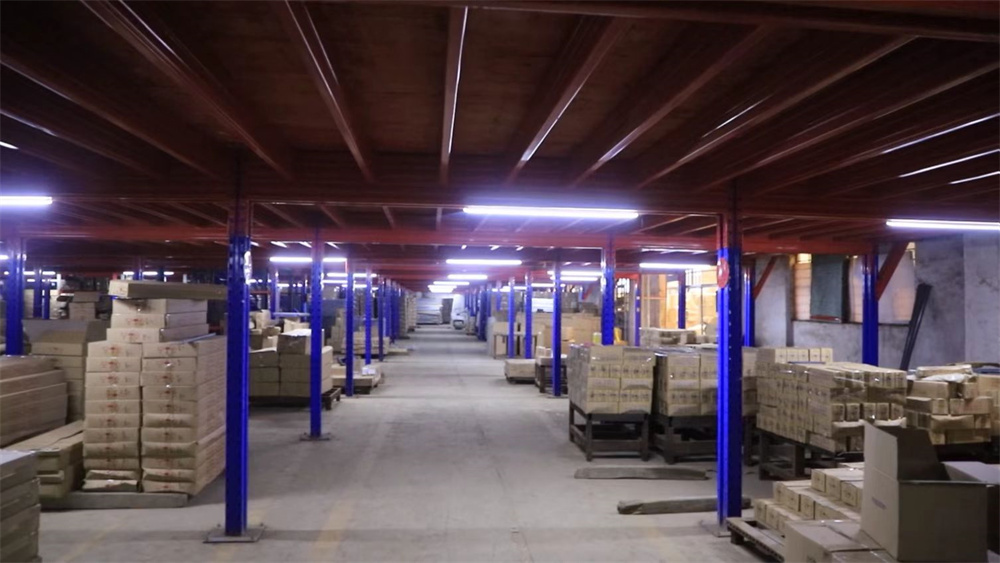
Warehouse
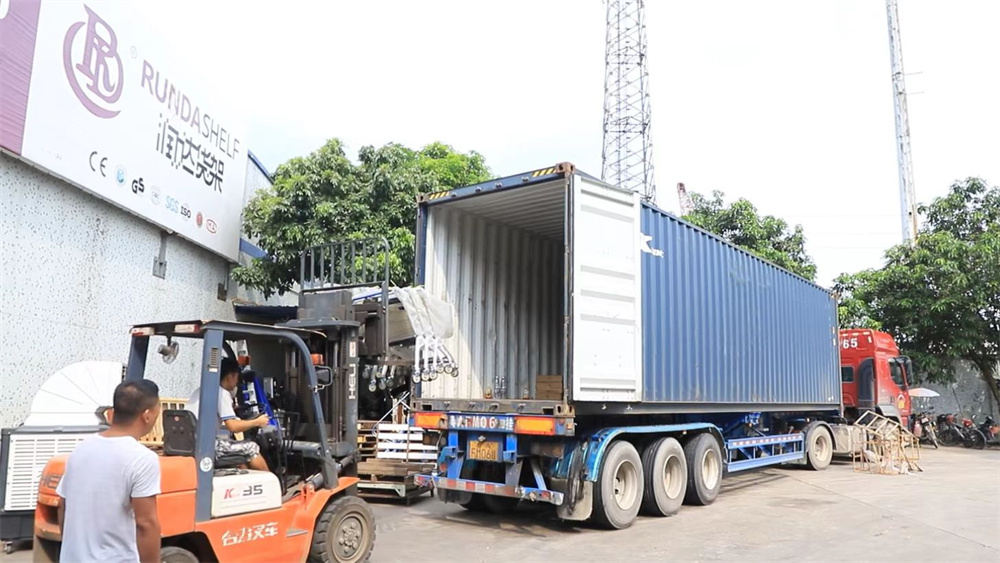
Loading
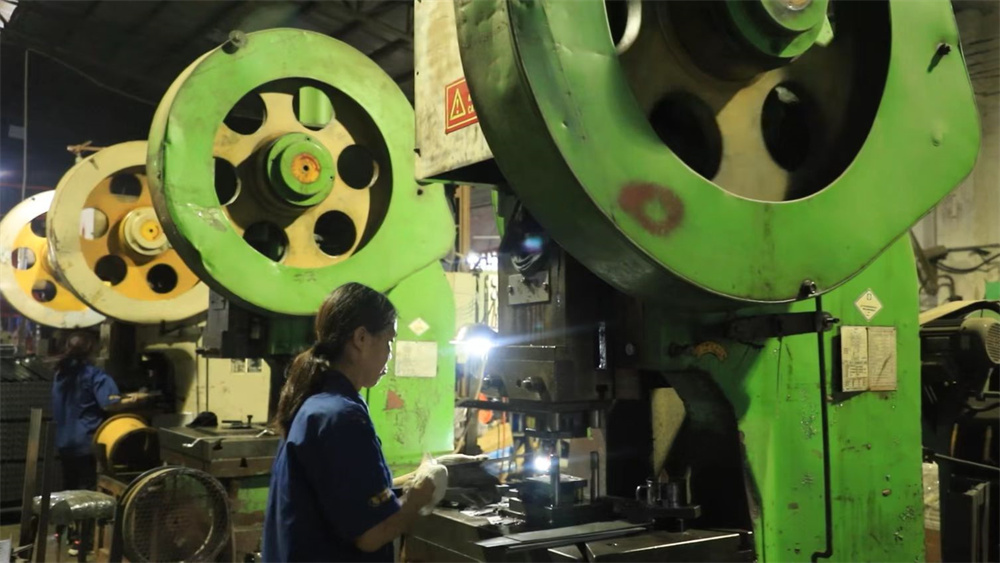
Punching Machine
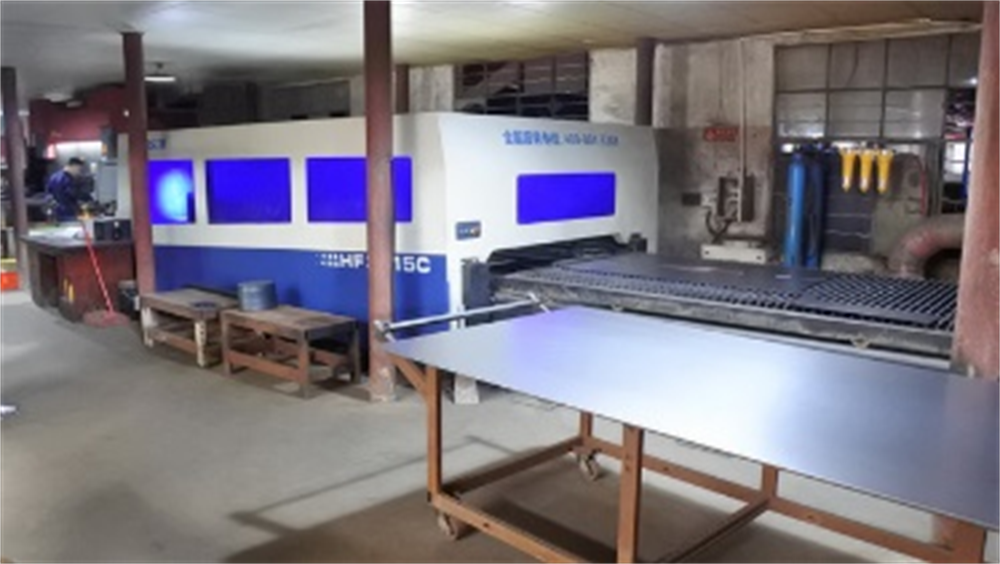
Laser Cutting Machine
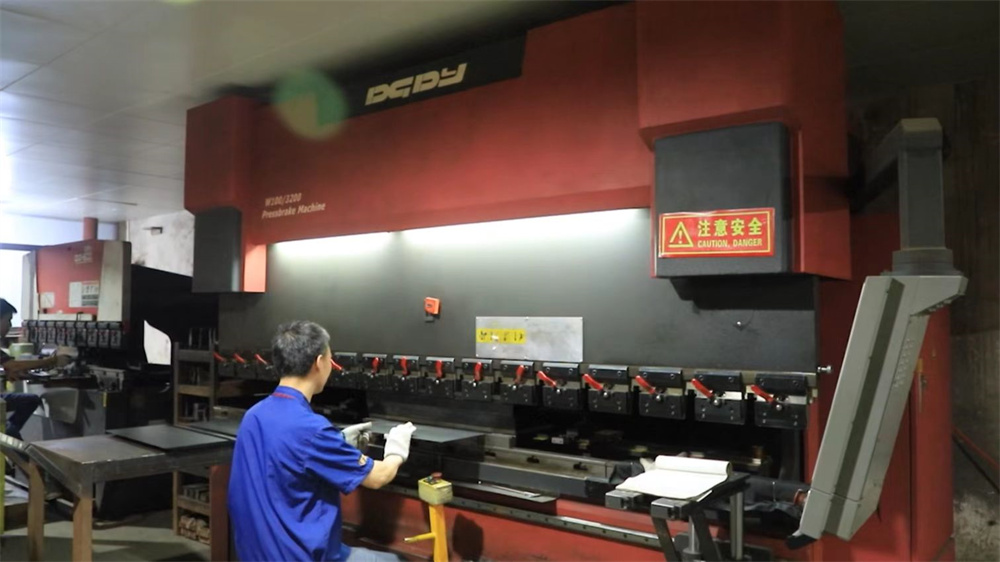
Bending Machine
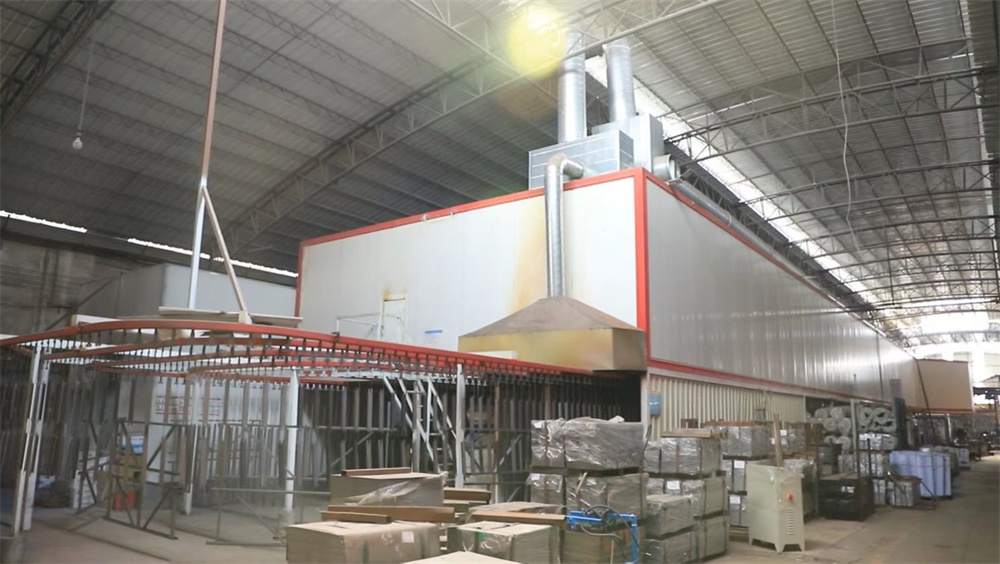
Automatic Painting Line
In modern industrial procurement, selecting a supplier involves evaluating the entire supply ecosystem, not just the unit cost. Shenzhen Runda Racking leverages its strategic location in Shenzhen, China's hardware and tech hub, to deliver distinct structural advantages:
Transitioning manufacturing processes to zero-VOC (Volatile Organic Compounds) powder-coating solutions. Implementing tracking tags to provide international logistics partners with transparent carbon lifecycle footprints.
Designing smart, modular racking systems featuring integrated RFID nodes. This allows for automated warehouse management systems (WMS) to read localized weight metrics and track cargo location in real-time.
Replacing traditional heavy structural steel sections with ultra-high-strength steel (UHSS) and composite alloys. This minimizes unit weight without sacrificing load capacities, optimizing material usage and structural efficiency.
Building trust requires adherence to regional construction standards and structural codes. Racking structures must satisfy specific local criteria to ensure safety and compliance:
Shelving and pallet racks designed for the US market comply with RMI testing procedures. We calculate structural load capacities under local seismic and building regulations.
Our structures comply with European standards, including EN 15512 and CE marking rules for steel fabrications. This guarantees structural stability under various load conditions.
Our production facilities maintain ISO certification. Every manufacturing batch includes mill test reports (MTR) and raw material traceability documents.
 Runda Racking