Premium structural steel racking solutions engineered for versatility, industrial durability, and custom load-bearing parameters.
A strategic framework analyzing manufacturing tolerances, material engineering, and structural compliance in automated intralogistics.
The global shift toward smart intralogistics is no longer a metric of incremental improvement—it is an absolute necessity driven by soaring urban land valuations, supply chain complexity, and acute labor deficits. Automated Storage and Retrieval Systems (ASRS) occupy the center of this paradigm shift. By integrating high-precision vertical racking systems with automated stacker cranes, Shuttles, and automated guided vehicles (AGVs), ASRS reduces floor footprints by up to 85% while scaling execution speed exponentially.
However, the performance, lifetime integrity, and safety of any ASRS installation are inextricably bound to the physical tolerances of the racking framework. Standard static pallet shelving allows for minor deflections. In contrast, an ASRS operation operates with millimetric clearance corridors where stacker cranes run at speeds exceeding 240 meters per minute. A deflection deviation of just a few millimeters under dynamic load can trigger crane optical misalignment, automated shutdown sequence triggers, or structural collisions. Selecting the right ASRS systems factory is therefore a primary safety and mechanical engineering decision.
High-density automated storage requires adherence to strict global structural codes, particularly the European Federation of Materials Handling (FEM) 10.2.04 and RMI (Rack Manufacturers Institute) specifications. These guidelines define strict limits for rack alignment, verticality, deformation under load, and seismic flexibility, dictating the engineering guidelines that ASRS factories must design to.
When searching for a top-tier ASRS systems factory, global procurement teams must analyze capabilities beyond basic tonnage capacity. The following evaluation matrix highlights critical competencies required to manufacture high-precision, automated-ready storage structures:
A trusted global manufacturer of heavy-duty industrial shelving and automated storage foundations.
Established in 2015, Shenzhen Runda Racking Manufacturing Co., Ltd. is a premier manufacturer specializing in heavy-duty industrial shelving and high-density warehouse storage solutions. With over 11 years of deep industry expertise and 9 years of active global export experience, we deliver tailored racking systems to logistics hubs, distribution centers, and manufacturing plants worldwide.
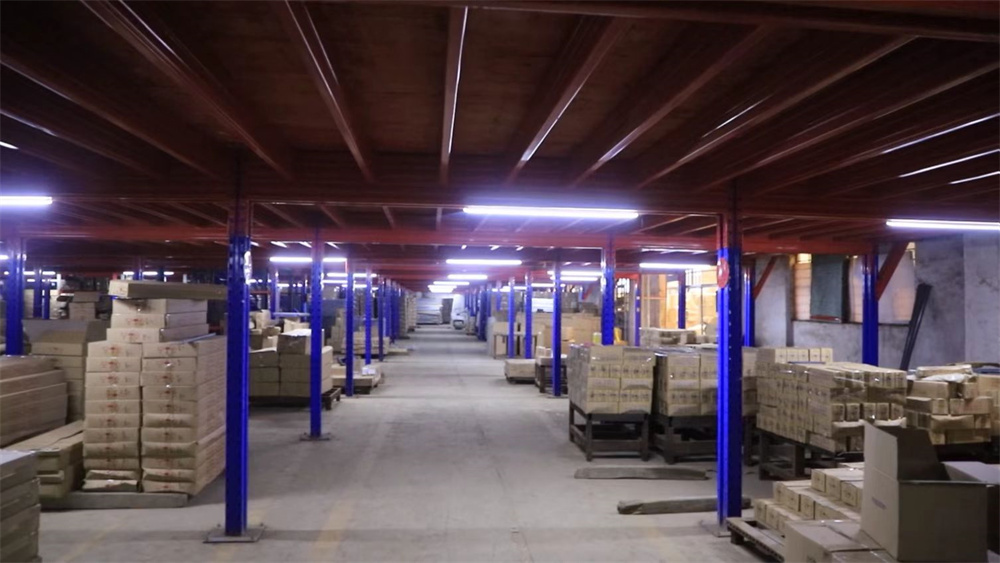
Operating from a modern 35,000 square meter production facility, our operations are powered by a robust network of over 1,200 trusted supply chain partners. This enables us to achieve an annual export turnover of $28 million. Our primary markets span North America, Western Europe, Southeast Asia, and the Middle East, where we proudly serve industrial distributors, large-scale third-party logistics (3PL) operators, and direct enterprise buyers.
Quality and innovation drive our core philosophy. We maintain strict quality control through full-process sampling inspection, raw material stress testing, and load-bearing verification, backed by a dedicated team of 35 QC professionals. Innovation is led by our 18 experienced R&D engineers who continuously refine structural efficiency—releasing over 120 new and upgraded storage products last year alone.
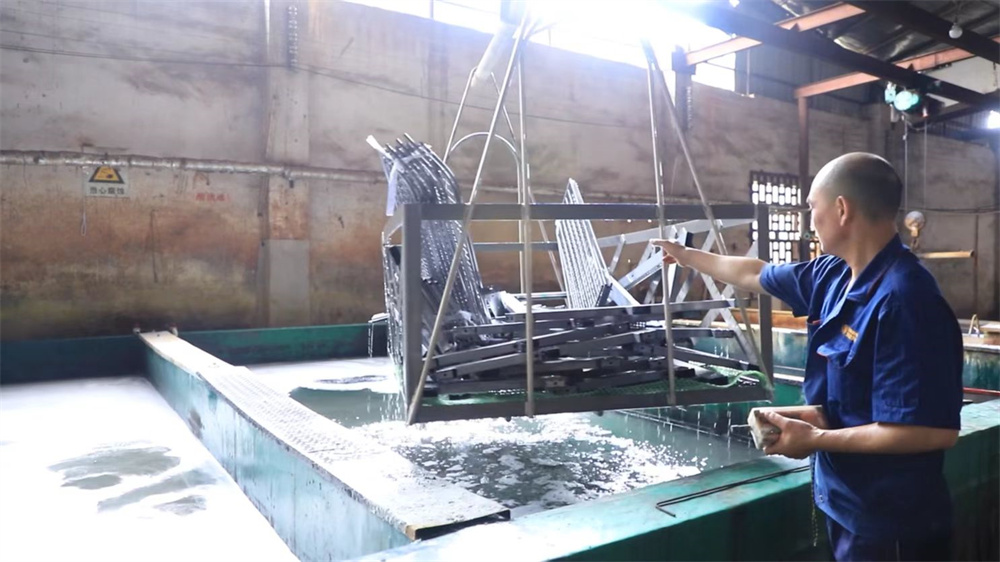
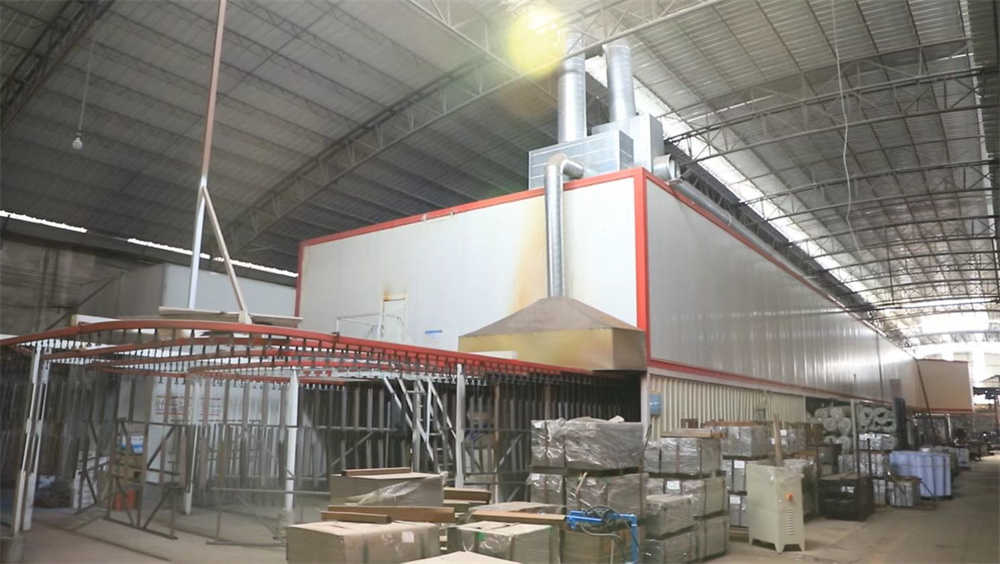
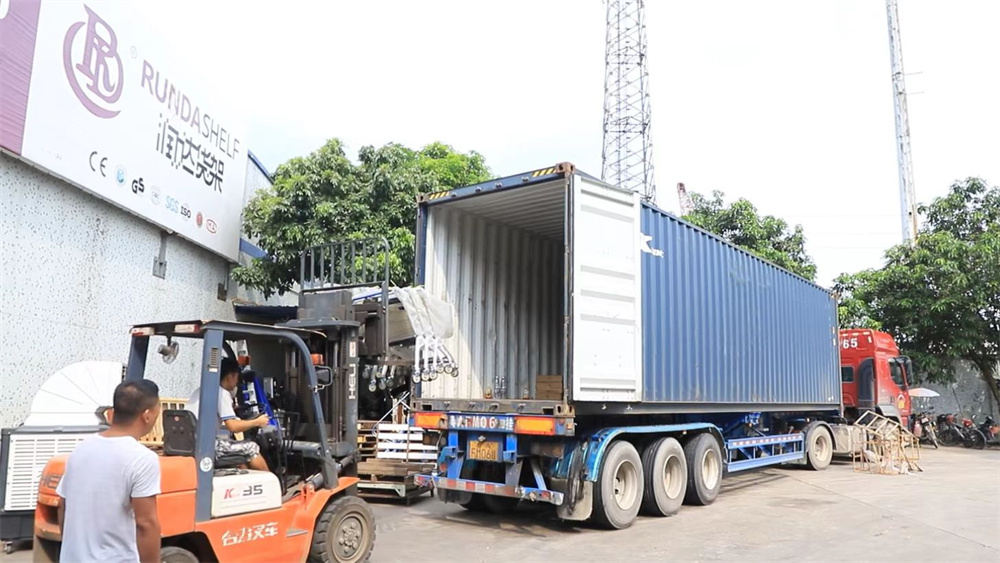
We offer comprehensive OEM/ODM and full custom manufacturing services, including tailored load capacities, custom dimensions, corrosion-resistant powder coatings, and specialized seismic structural designs. Supported by our experienced international trade background, Shenzhen Runda provides seamless end-to-end service, from technical layout design to reliable global shipment execution.
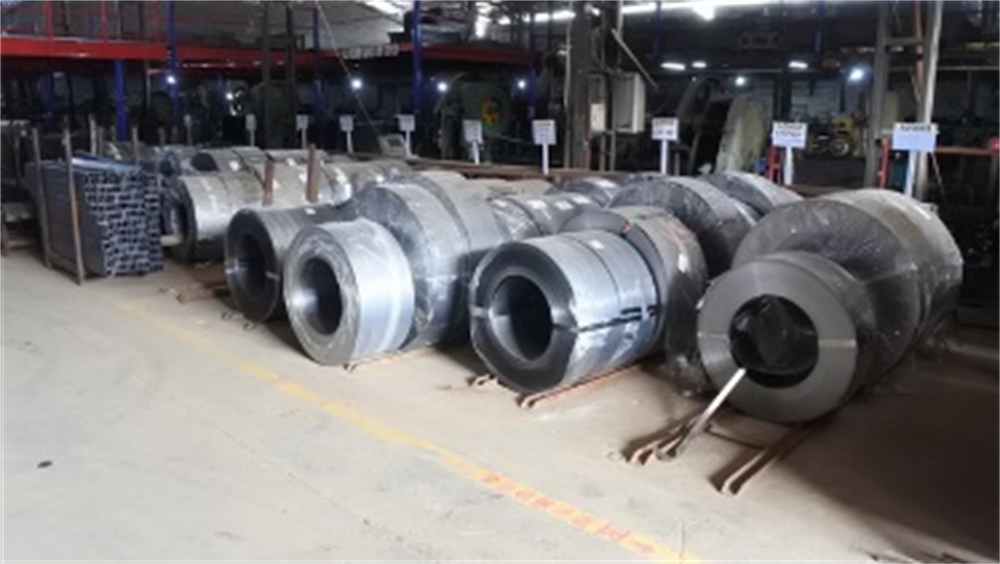
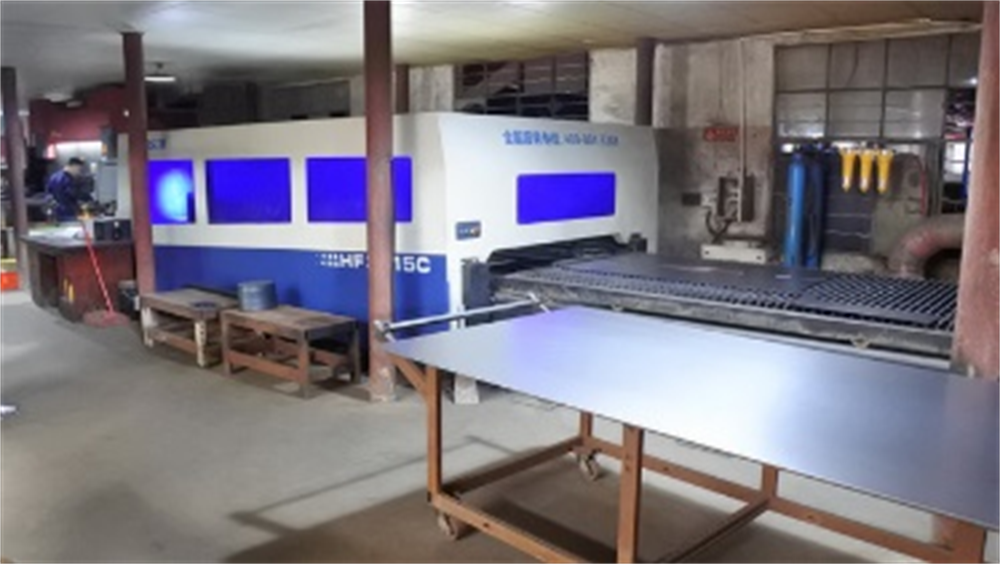
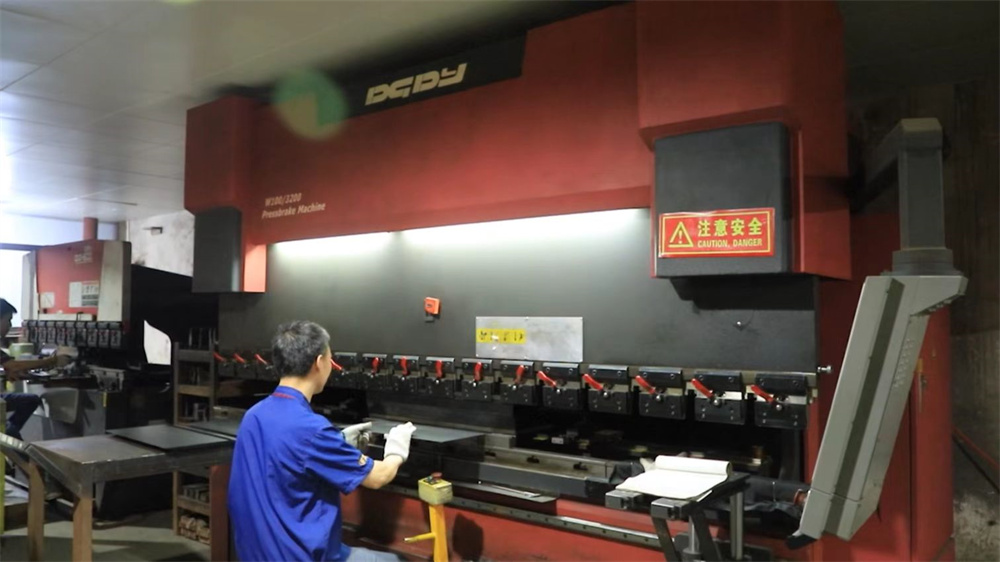
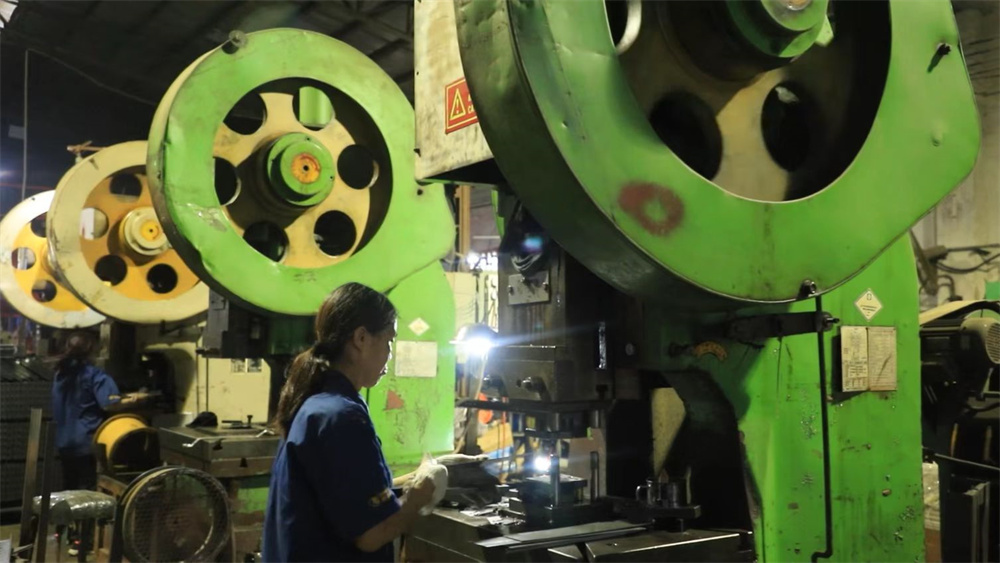
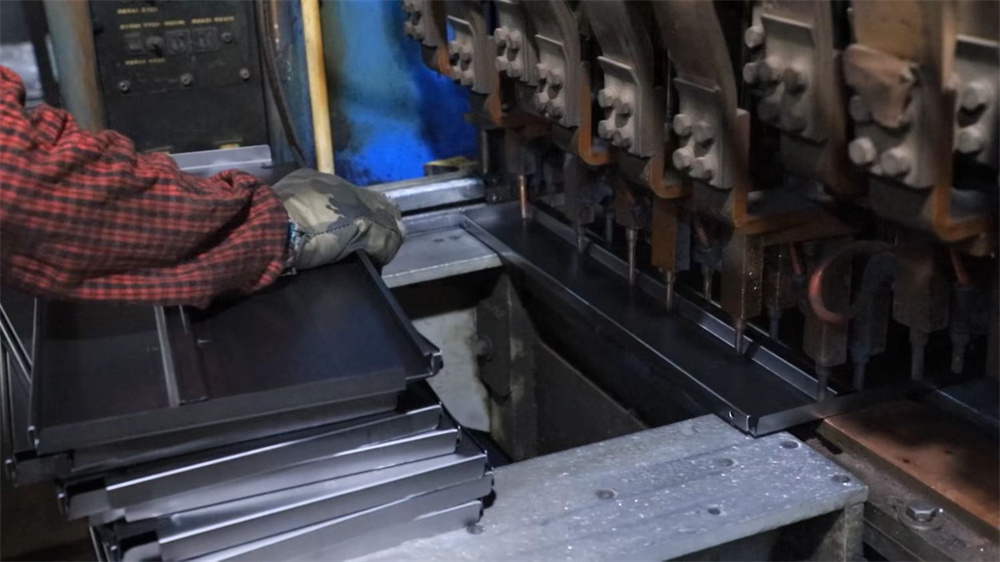
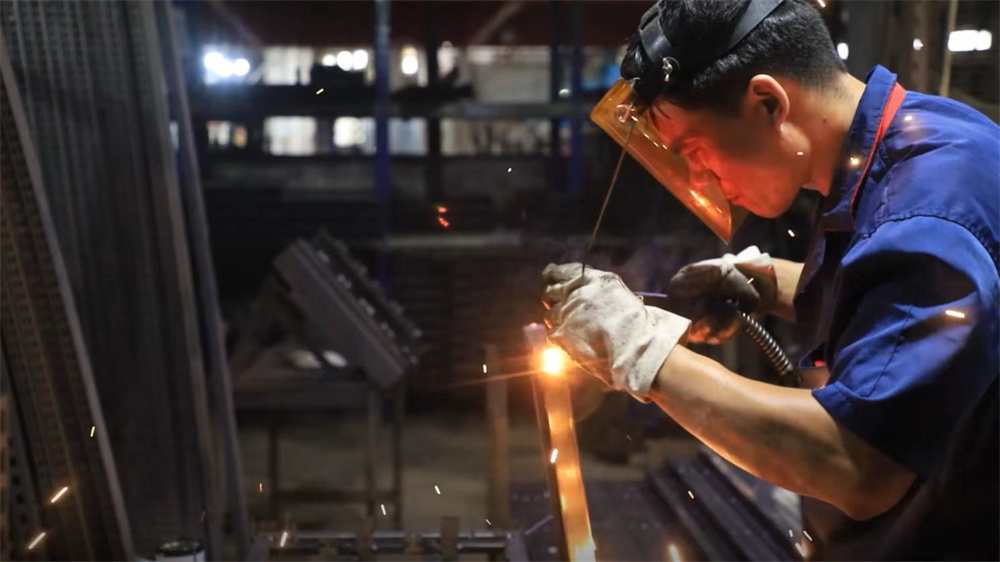
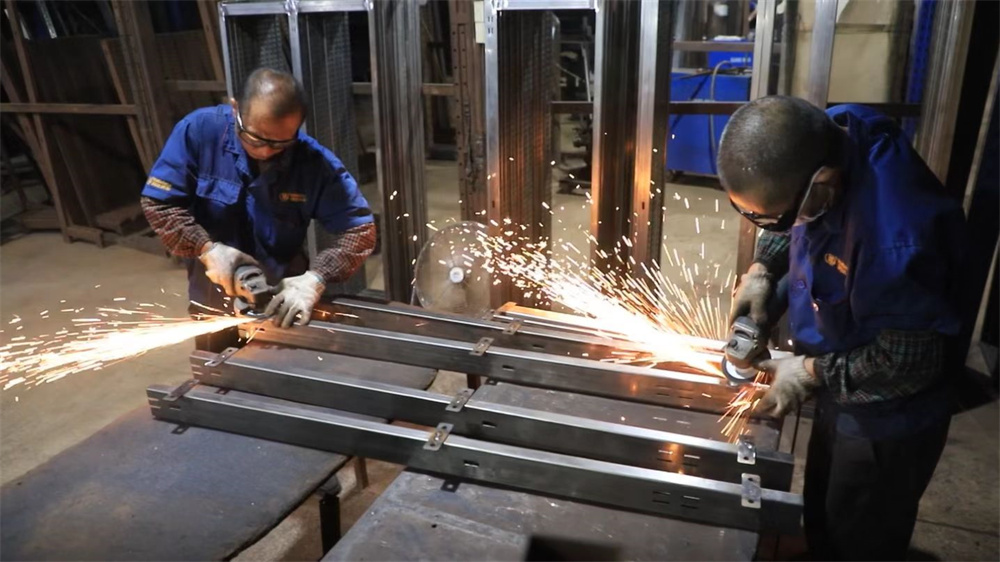
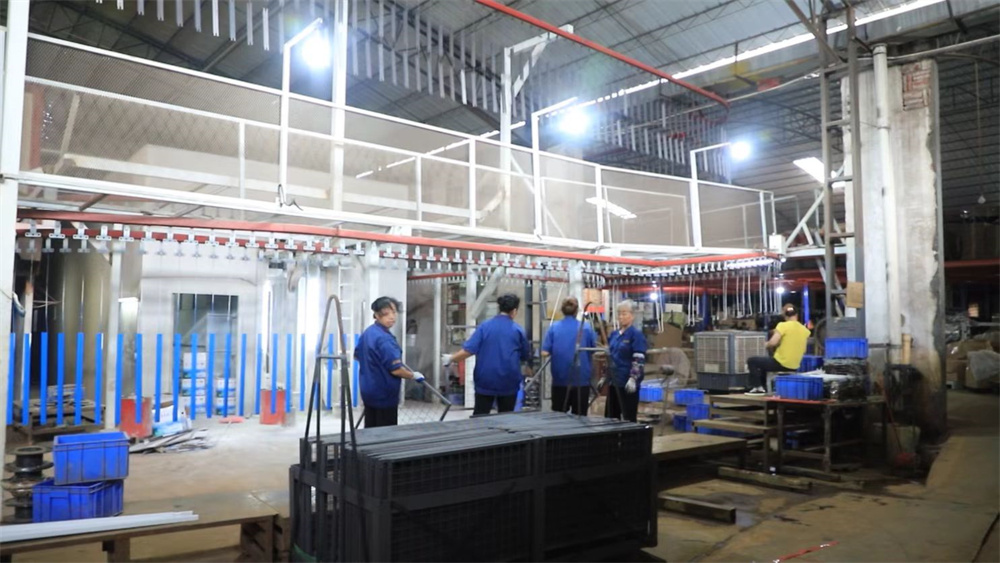
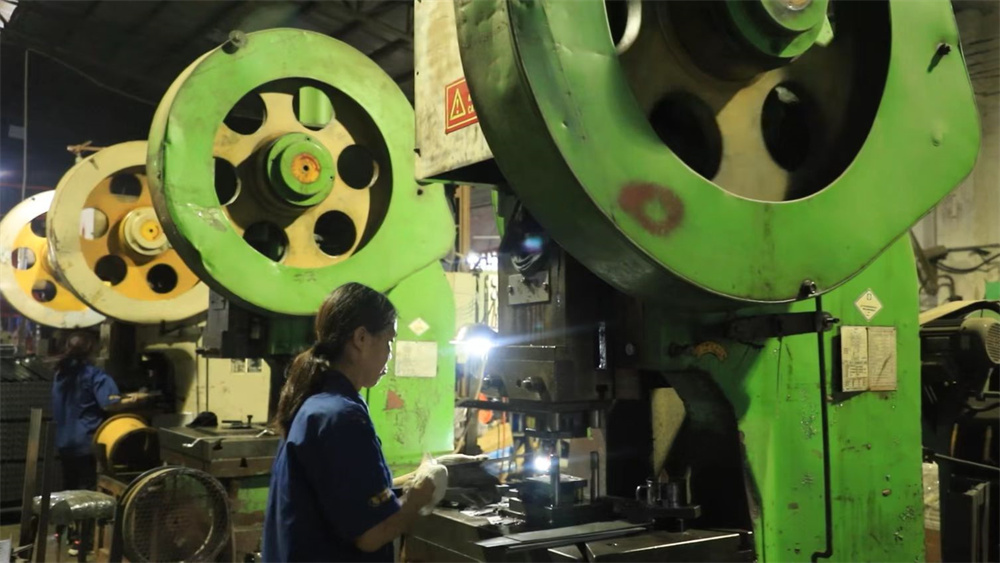
Our vertically integrated production processes utilize advanced automation and heavy-duty machinery to achieve micro-tolerances.
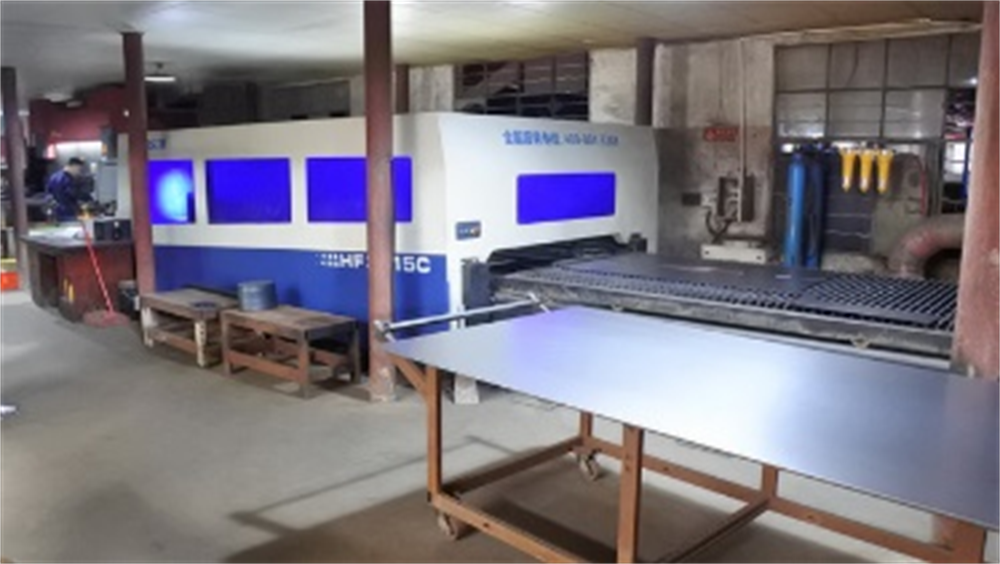
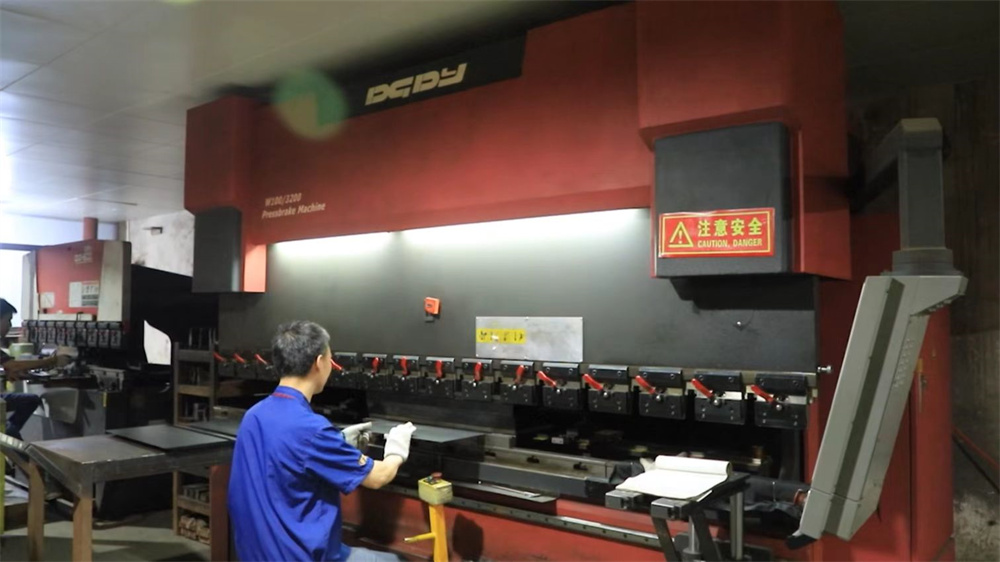
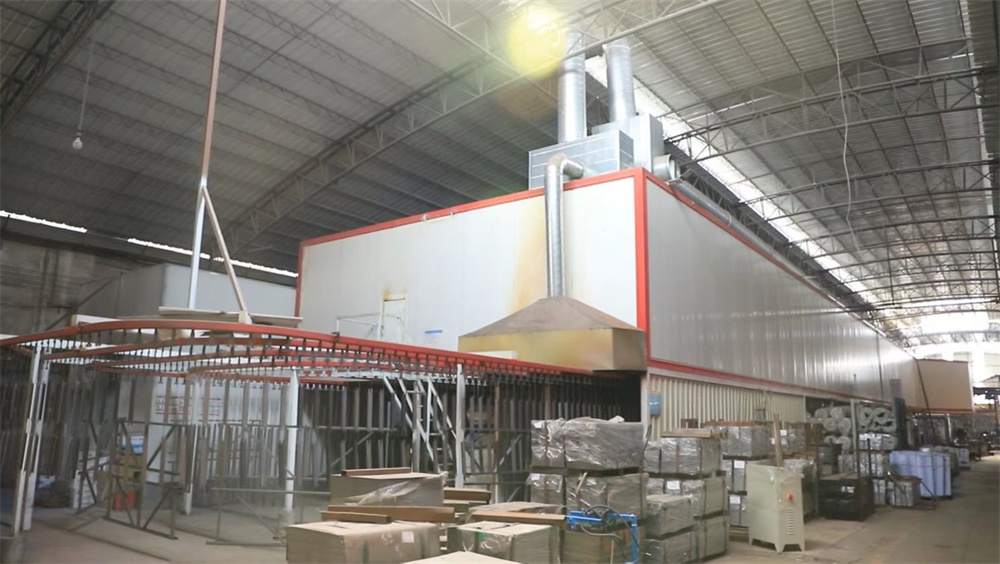
How modern enterprises deploy ASRS to optimize land use, streamline logistics pipelines, and secure competitive operational advantages.
The implementation of ASRS technology has shifted from specialized niche facilities to standard practice across major supply chain hubs. Driven by rapid growth in e-commerce, the consolidation of cold chain networks, and the expansion of smart micro-fulfillment hubs, industries are under pressure to optimize horizontal footprints. In major industrial hubs across North America and Western Europe, real estate costs are encouraging builders to design upwards, driving the demand for vertical racking towers that exceed heights of 40 meters.
Moreover, ASRS integration serves as a foundational step for end-to-end industrial digitalization. Modern factories leverage automated material flows to link raw material buffers directly to production lines via autonomous transport systems. These systems synchronize with Enterprise Resource Planning (ERP) and Warehouse Management Systems (WMS) in real-time, allowing plants to achieve continuous inventory tracking, minimize production bottlenecking, and virtually eliminate manual pick errors.
| ASRS Sub-Type | Optimal Height Range | Payload Capacity (Per Unit) | Target Industry / Application |
|---|---|---|---|
| Unit-Load Crane Systems | 18 - 45 Meters | 500 - 3,000 Kilograms | Heavy pallets, automotive buffer storage, large bulk wholesale distribution centers. |
| Mini-Load ASRS | 8 - 25 Meters | 20 - 150 Kilograms | Totes and carton bins, electronics component sorting, pharmaceutical distribution. |
| Multi-Shuttle Systems | 6 - 18 Meters | 15 - 50 Kilograms | High-throughput e-commerce sortation, grocery order picking, multi-SKU parts management. |
| Vertical Lift Modules (VLM) | 3 - 15 Meters | Up to 1,000 Kilograms | Precision tooling, aerospace components assembly lines, spare parts supply rooms. |
The deployment of ASRS is highly regionalized, requiring strict compliance with local construction laws, building codes, and operational demands:
Custom configurations tailored to meet distinct industry parameters, thermal tolerances, and storage densities.
Utilizes multi-shuttle and mini-load systems to enable high-throughput picking of individual items (SKUs). Supports automated parcel sorting to meet quick, single-day shipping requirements.
Engineered for continuous operation in sub-zero environments down to -30°C. Minimizes the cubic area requiring cooling, lowering energy costs while ensuring automated product tracking.
Integrates directly with heavy production machinery to hold semi-finished components. Delivers raw materials to active assembly lines precisely when needed to reduce workstation clutter.
The integration of artificial intelligence, autonomous mobile robotics (AMR), and predictive analytics into intralogistics structures.
The future of ASRS is defined by increased flexibility. Historically, ASRS systems consisted of rigid structures that were difficult to reconfigure. Modern engineering is shifting toward modular design, allowing components to be scaled and expanded in step with business growth. This adaptability is critical for dynamic enterprises that must adjust to changing SKU profiles and fluctuating seasonal demand cycles.
Simultaneously, Warehouse Control Systems (WCS) are evolving to incorporate Artificial Intelligence and Machine Learning algorithms. Rather than executing simple FIFO (First-In, First-Out) sequences, smart WCS programs analyze historical order patterns, real-time weather data, and transport schedules to pre-position high-demand items near dispatch gates during low-activity windows. This proactive positioning minimizes transit cycles, speeds up picking operations, and reduces energy consumption across automated crane fleets.
Traditional shuttle-based and crane-based ASRS systems are increasingly integrated with Autonomous Mobile Robots (AMRs). Operating without guide rails, AMRs pick up bins delivered by vertical lifts and transport them directly to pick stations. This hybrid layout reduces physical footprints while maximizing routing flexibility.
Answers to common questions regarding structural load capacities, precision tolerances, and installation requirements.
ASRS racking is engineered to much tighter tolerances. Standard racking allows for wider manufacturing and installation variances, whereas ASRS must maintain vertical straightness (verticality tolerances of 1/1000 or better) and dynamic stability under dynamic crane loads. This level of precision is necessary to prevent stacker cranes and high-speed shuttles from losing calibration or colliding with structural elements.
We operate a dedicated team of 35 QC professionals who oversee our production processes. Our quality control system includes testing raw material stress thresholds, verifying weld penetration, measuring powder coat thickness (aiming for 60 to 90 microns), and performing physical load-bearing tests. We source our steel from top-tier, certified structural raw material suppliers.
Yes. Our structural design processes utilize Finite Element Analysis (FEA) software to simulate seismic events based on regional data. We adapt structural components by adding diagonal bracing, using thicker steel columns, and enlarging floor anchors to meet local safety codes and protect your capital investment.
To prepare a custom technical layout, we require: clear warehouse height dimensions, floor slab load capacities, pallet dimensions (including overhanging cargo), pallet weight distributions, localized seismic ratings, ambient warehouse operating temperatures, and the specifications of your automation hardware (such as crane or shuttle weights).
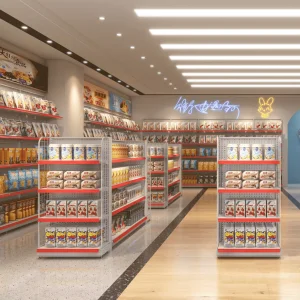
Expand storage capacity and improve workflow efficiency with our heavy-duty industrial shelving designs.
 Runda Racking