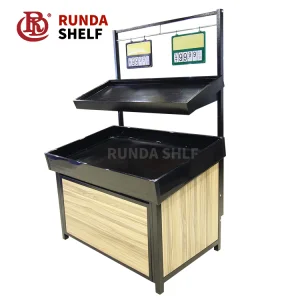
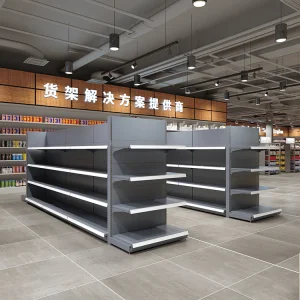
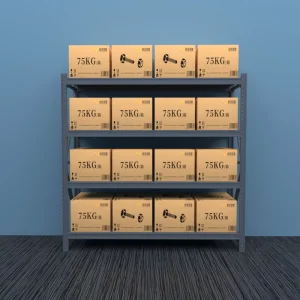
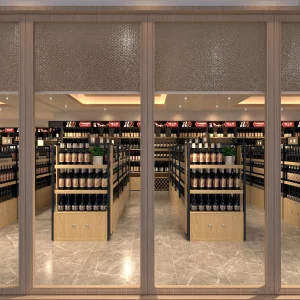
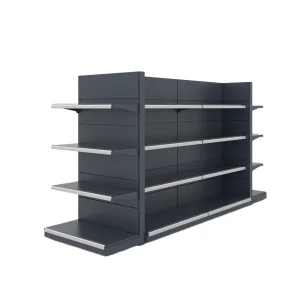
Explore our premium select load configuration lines customized for logistics, high-bay environments, and retail supply chains.
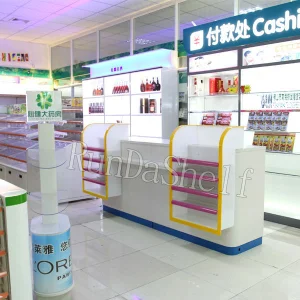
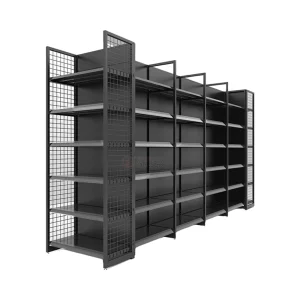
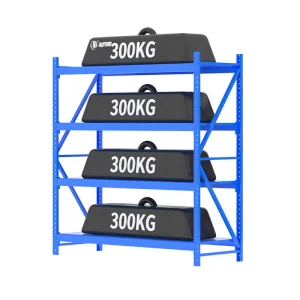
Shenzhen Runda Racking Manufacturing Co., Ltd. - Empowering global logistics with heavy-duty structural engineering solutions.
Established in 2015, Shenzhen Runda Racking Manufacturing Co., Ltd. is a premier manufacturer specializing in heavy-duty industrial shelving and high-density warehouse storage systems. With over 11 years of deep industry expertise and 9 years of active global export experience, we deliver tailored racking systems to logistics hubs, distribution centers, and manufacturing plants worldwide.
We offer comprehensive OEM/ODM and full custom manufacturing services, including tailored load capacities, custom dimensions, corrosion-resistant powder coatings, and specialized seismic structural designs. Supported by our experienced international trade background, Shenzhen Runda provides seamless end-to-end service, from technical layout design to reliable global shipment execution. Quality and innovation drive our core philosophy. We maintain strict quality control through full-process sampling inspection, raw material stress testing, and load-bearing verification, backed by a dedicated team of 35 QC professionals.
An in-depth visualization of our 17 production steps, showing the engineering detail that goes into every heavy-duty component.
Full Traceability of Steel Profiles
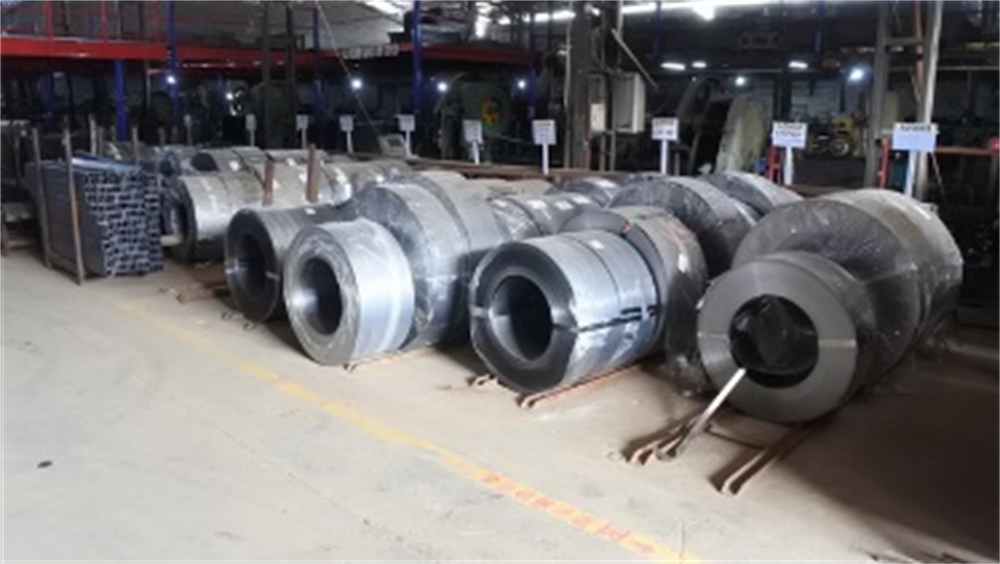 Raw Materials
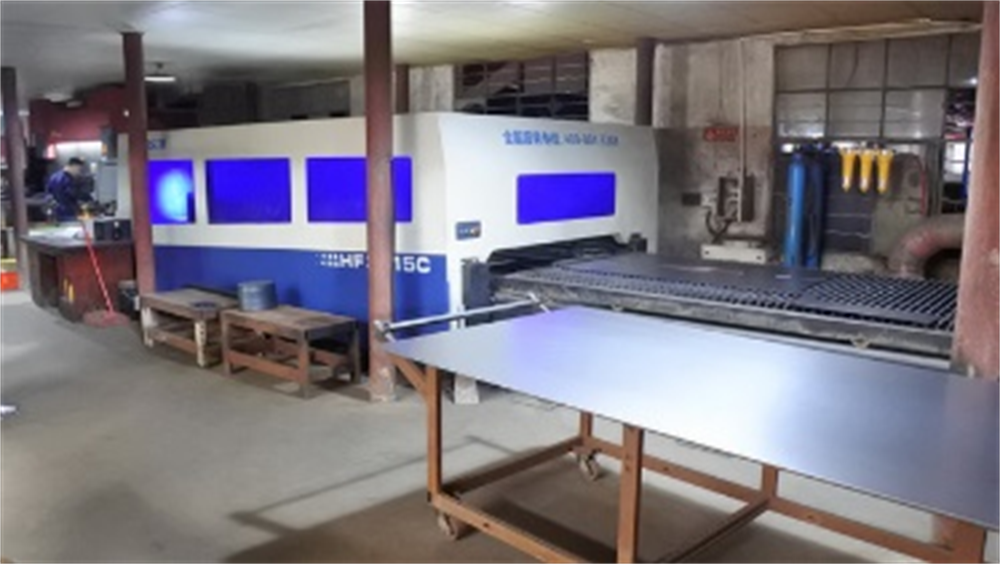 Laser Cutting
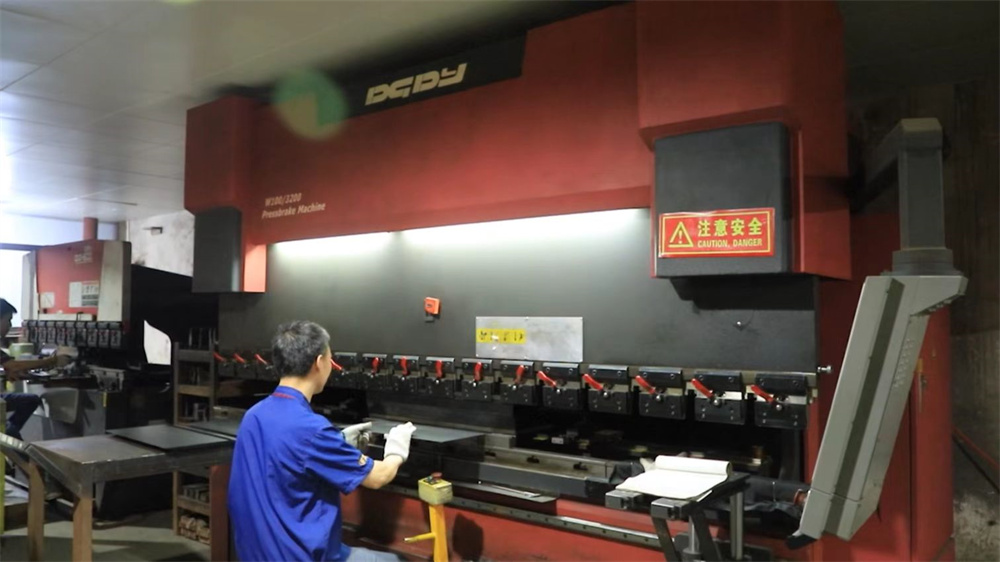 Bending
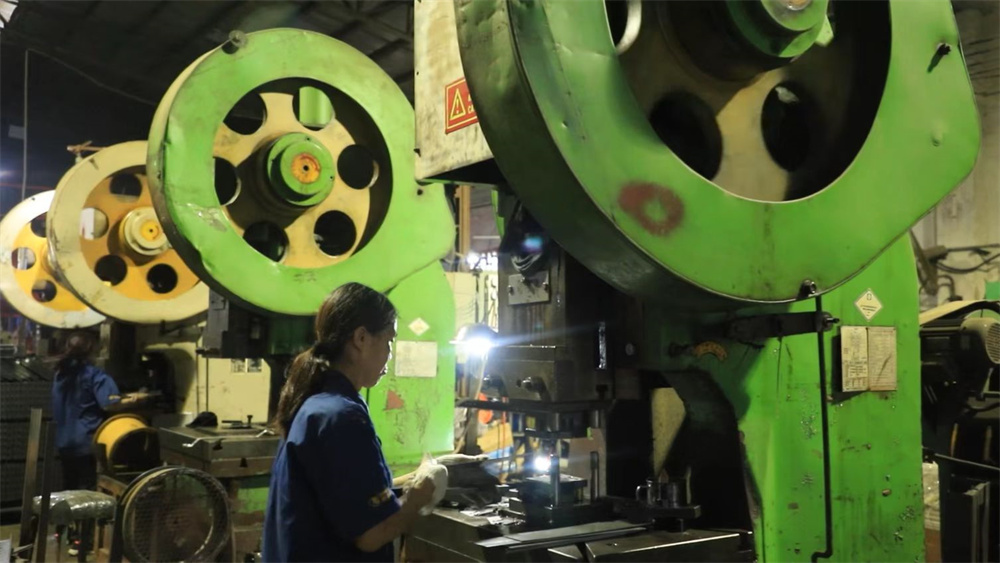 Punching
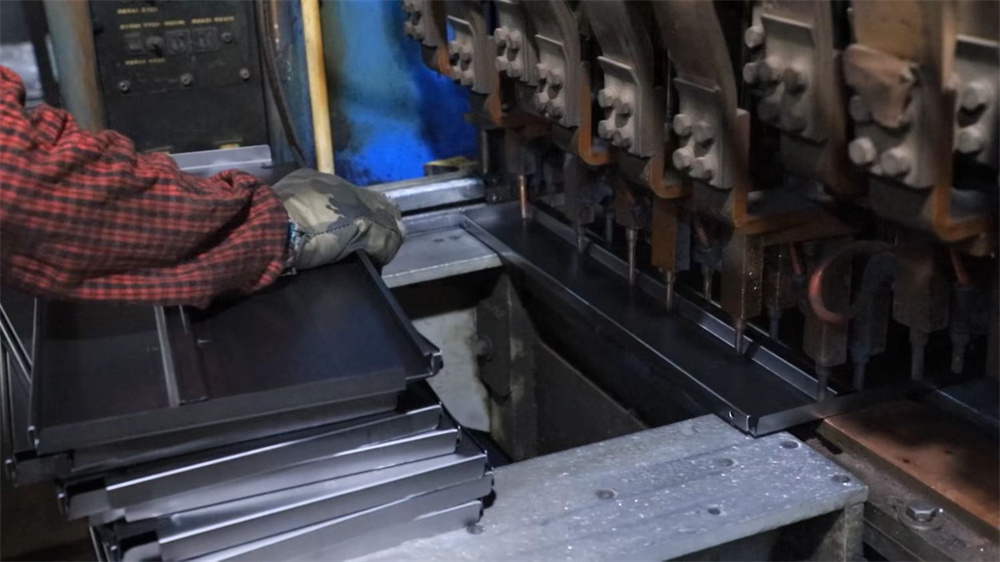 Part Processing
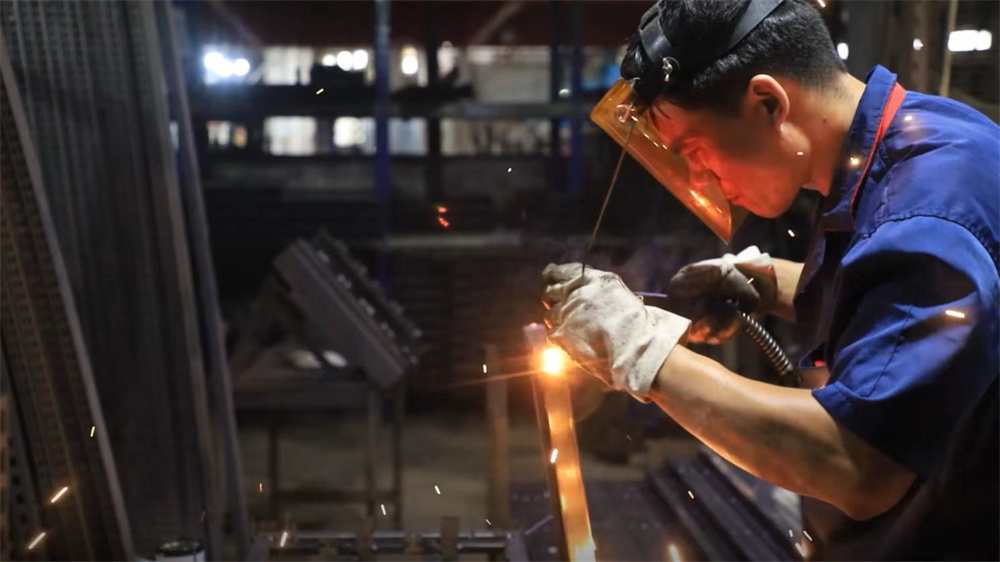 Welding
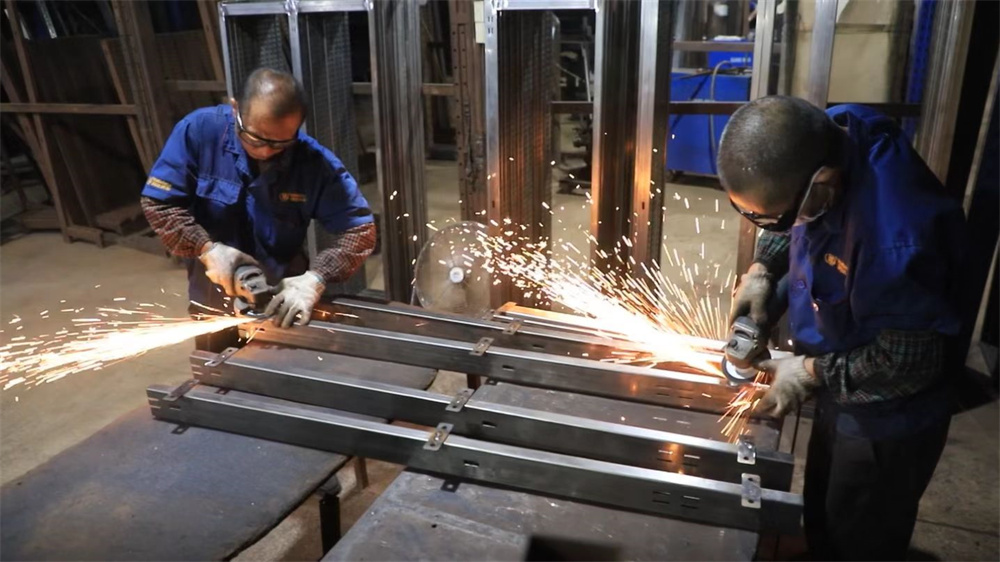 Grinding
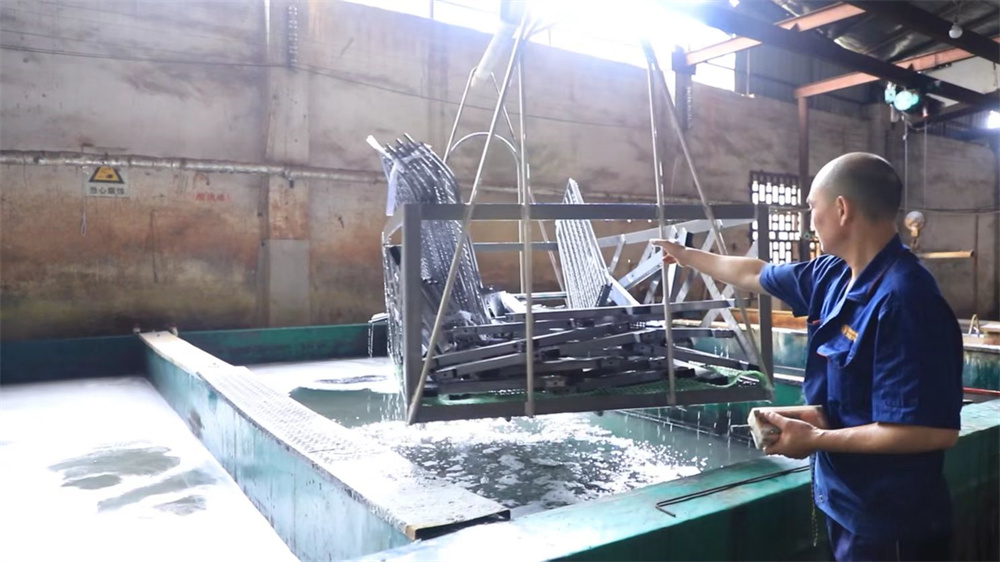
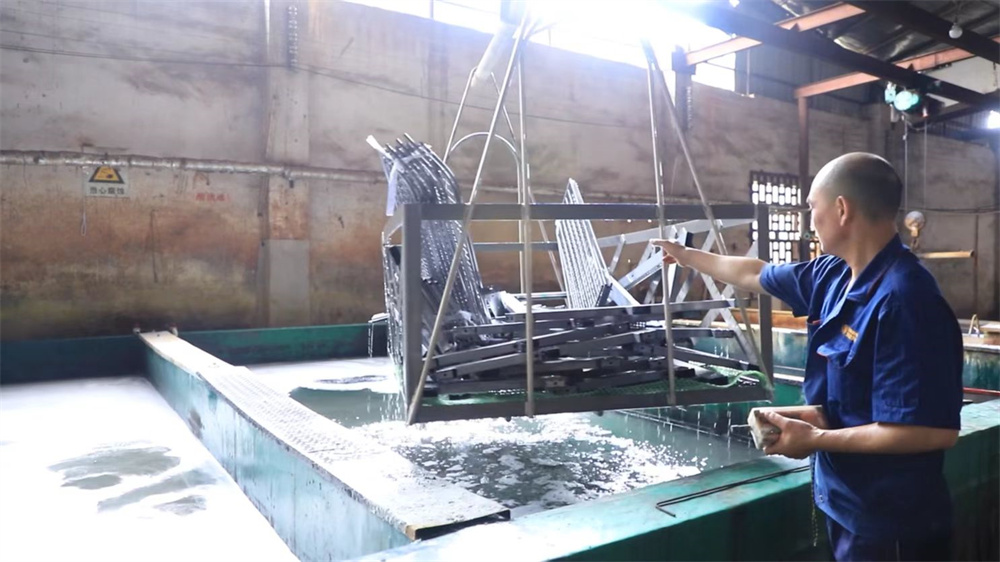 Surface Treatment
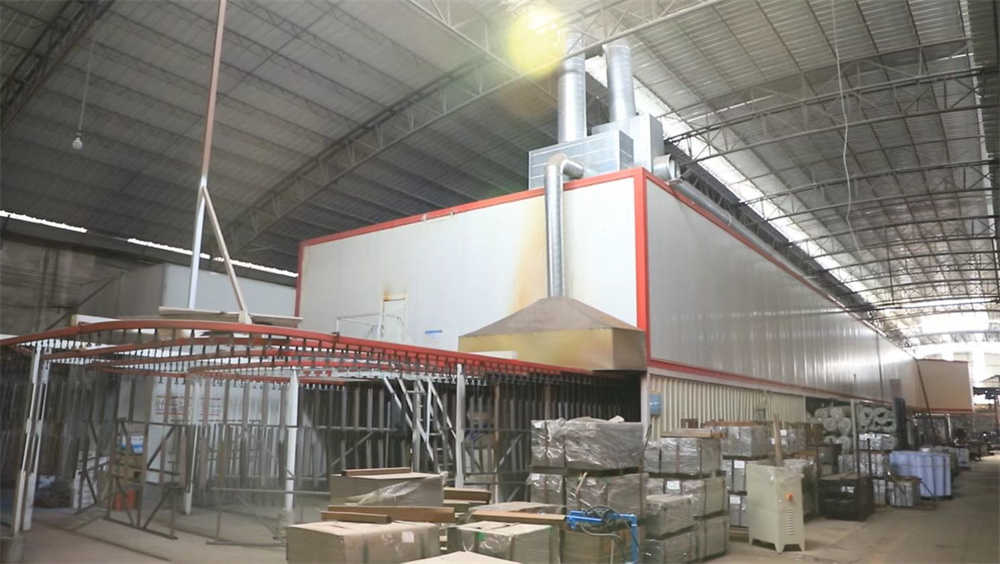 Automatic Painting
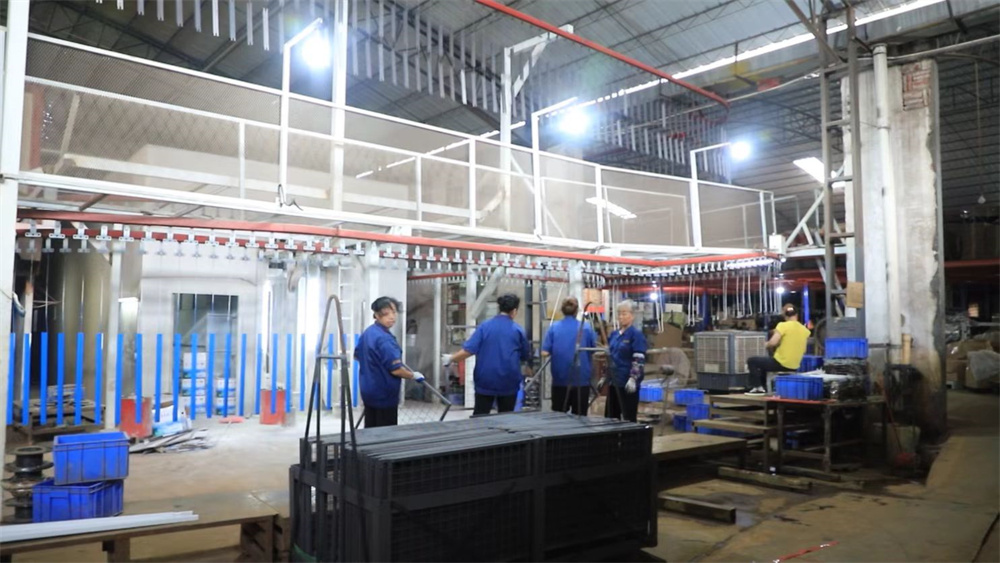 Inspecting
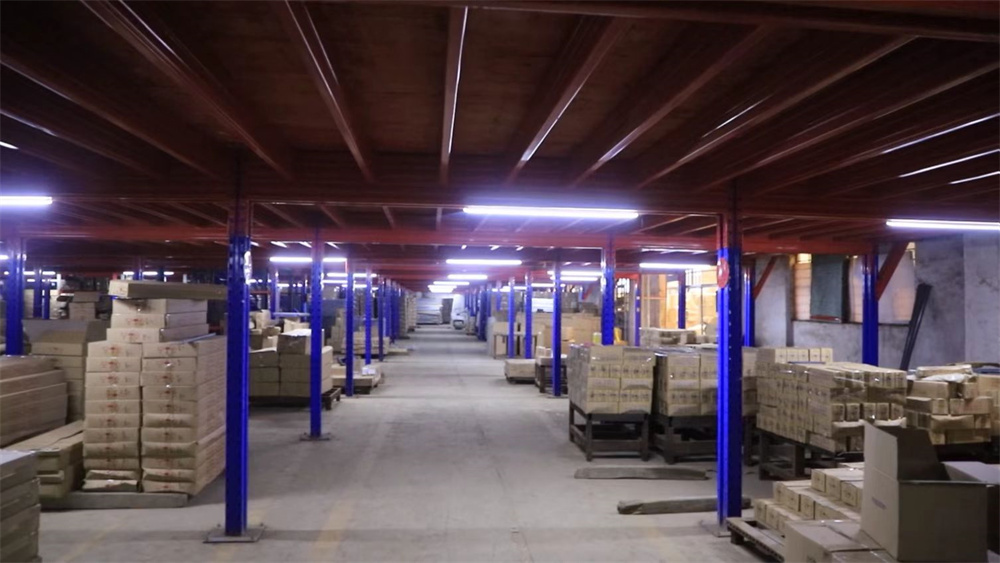 Warehouse
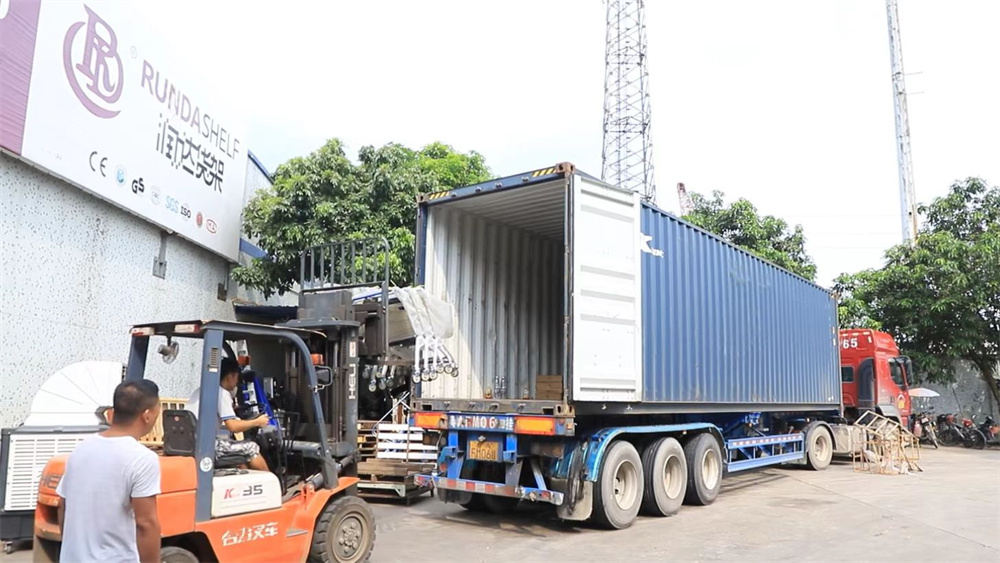 Loading
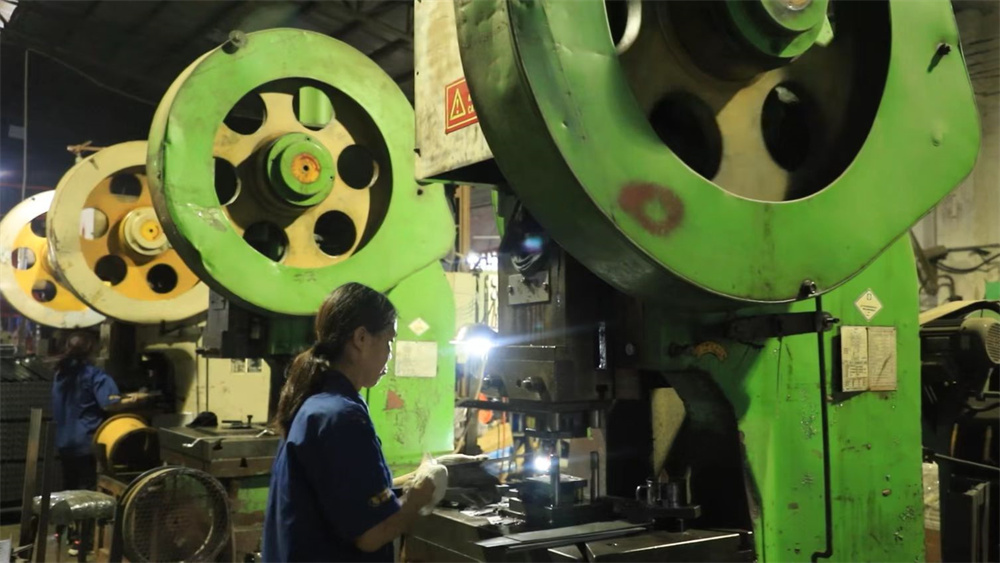 Punching Machine
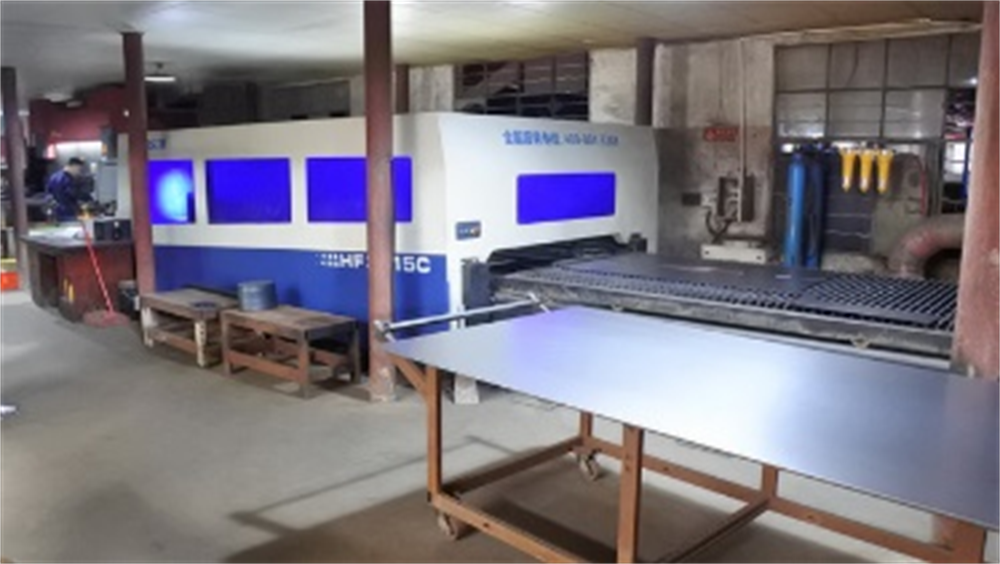 Laser Cutting Machine
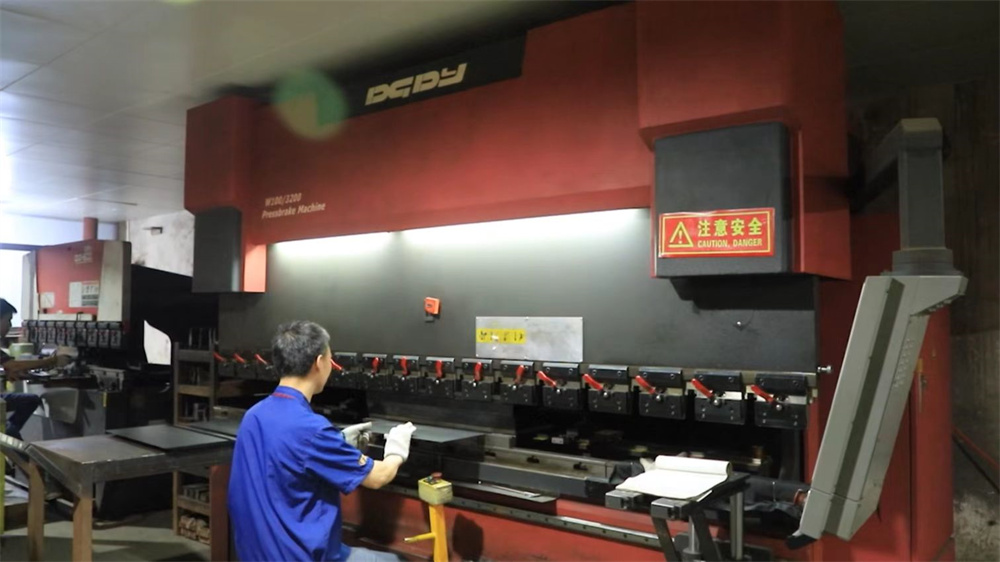 Bending Machine
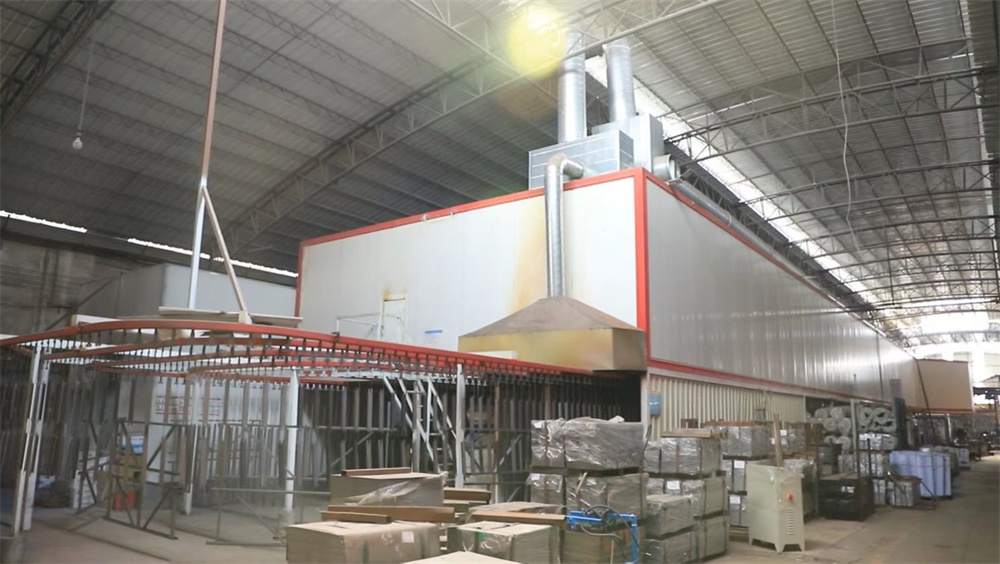 Automatic Painting Line
 Quality Verification
Understating structural deflection, seismic calculations, and optimization strategies for high-density modern industrial warehouses.
Modern supply chains require maximum storage density. Real estate costs, rapid ecommerce expansion, and the growth of 3PL providers have changed how distribution centers are planned. Warehouses now build upward rather than outward, making high-bay configurations (from 12 to over 40 meters) the industry standard. High bay systems demand racking with tight dimensional tolerances and reliable structural strength.
Heavy-duty storage systems must support heavy loads, often exceeding 3,000 kg per level, under dynamic operating conditions. Industrial operations require designs that account for forklift impacts, asymmetrical loading, and continuous cycling. As a result, companies need custom OEM designs that fit their exact building profiles, handling machinery, and regional code compliance.
SEO Insight & Information Gain: Standard warehouse planning often underestimates cumulative loads. A typical 6-tier pallet bay carrying 1,500 kg per pallet exerts a downforce of over 18 metric tons on a single frame baseplate. Underestimating baseplate deflection and soil loading can lead to concrete cracking and structural failure. Shenzhen Runda uses Finite Element Analysis (FEA) to simulate these stresses before fabrication starts.
We build our heavy load racking systems using high-tensile structural steel, primarily Q235B and Q355B grades. These steels are selected for their yield strength, ductility, and weldability. They perform reliably in seismic zones and sub-zero cold-storage facilities alike.
Cold-rolled structural steel profiles receive precise, computer-controlled punching to ensure consistent load distribution. Main structural standards and calculations include:
| Steel Grade | Yield Strength (MPa) | Tensile Strength (MPa) | Elongation (%) | Typical Applications |
|---|---|---|---|---|
| Q235B | ≥ 235 | 370 - 500 | ≥ 26 | Standard pallet beams, bracing, medium-duty shelving |
| Q355B (High-Tensile) | ≥ 355 | 470 - 630 | ≥ 22 | Heavy-duty upright frames (>15T cap), seismic bases |
| Galvanized Coil (Z275) | ≥ 250 | 320 - 400 | ≥ 28 | Outdoor storage, high-humidity, cold-storage environments |
Shenzhen Runda operates as a direct OEM and ODM supplier, matching customer specifications for system layout, material handling equipment, and load patterns. Custom adjustments include:
Engineering customized safety configurations tailored to regional climates, geological activity, and specific operational layouts.
Design configurations compliant with IBC (International Building Code) and RMI guidelines. These configurations feature wider, heavy-duty floor baseplates, thick dynamic floor anchor bolts, and dual-direction bracing to absorb lateral seismic forces in highly active geological zones.
Specially designed for sub-zero food and pharmaceutical cold storage. These systems employ impact-resistant steel and specialized coatings that prevent cracking at low temperatures, ensuring long-term structural integrity inside large freezers.
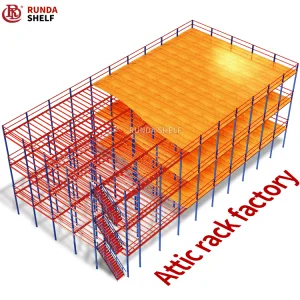
Optimized for space-constrained warehouses in major urban hubs across Europe and Asia. Multi-tier mezzanine installations double storage efficiency by combining overhead bulk pallet racking with lower-level order picking platforms.
Exporting industrial systems requires more than manufacturing capability. Compliance with international standards is essential. Shenzhen Runda handles the entire engineering chain, including structural drawings, container loading optimization, and custom clearance documents. Every shipment is organized to prevent surface damage to powder coatings during transport.
We work with international testing agencies like SGS and TÜV to audit load capacity ratings, weld quality, and coating thickness. Our engineering team provides detailed 3D installation layouts and video guides, ensuring swift, compliant setup at the final destination.
Looking ahead, the racking industry is moving toward smarter, more sustainable designs. Our current research focuses on:
Technical details, safety margins, and structural requirements for procurement managers and design engineers.
Browse our medium to heavy capacity racking systems designed for structural durability and space efficiency.
 Runda Racking