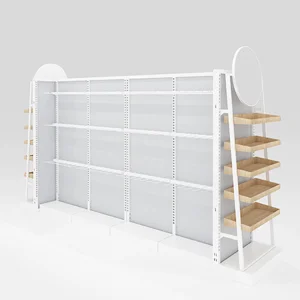
High-performance display racks and load-bearing warehouse solutions engineered for demanding commercial environments.
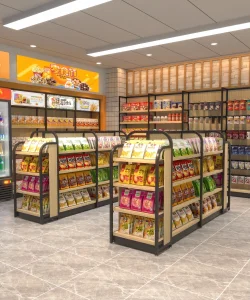
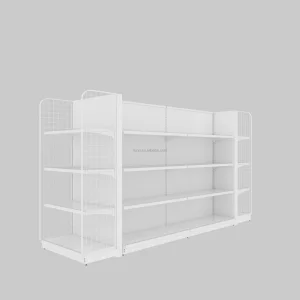
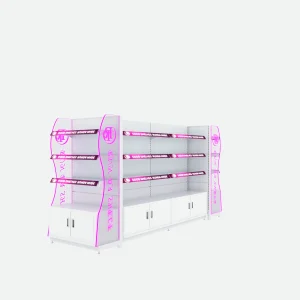
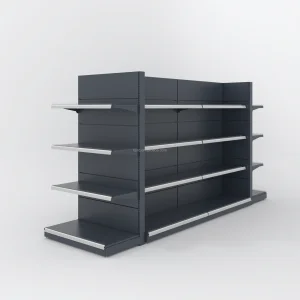
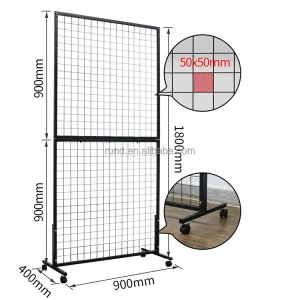
Why leading global supply chains are replacing traditional carbon steel with fiber-reinforced polymer (FRP) and structural composite materials.
Traditional steel racks suffer accelerated deterioration when exposed to moisture, airborne salts, chemical vapor, or acidic washdown protocols. Engineered fiberglass composite profiles exhibit native immunity to chemical oxidizers, removing the need for repeating hot-dip galvanization treatments and preventing systemic structural rust.
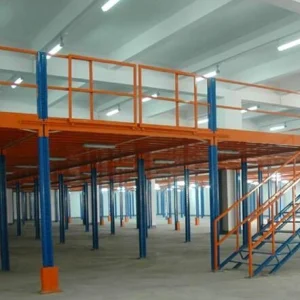
Composite racks provide up to 70% weight savings compared to structural carbon steel while sustaining equivalent load deflection limits. This drastically minimizes the static dead-load applied to building floor slabs, lowers transit logistics emissions, and simplifies installation protocols in multi-tier mezzanine storage systems.
For modern facilities integrating automatic guided vehicles (AGVs) and complex RFID tracking, metallic racks introduce signal interference. Composites present zero electromagnetic footprint and act as electrical insulators, creating a safer environment in high-voltage charging zones and critical battery manufacturing centers.
Technical comparison of structural carbon steel (Q235/Q345) and fiber-reinforced composite profiles under industrial stresses.
| Performance Parameter | Structural Carbon Steel (Q235/Q345) | Advanced FRP / Polymeric Composite | Strategic Advantage |
|---|---|---|---|
| Specific Density | ~7.85 g/cm³ | ~1.80 - 2.00 g/cm³ | 75% Weight Reduction - Lower installation & freight costs |
| Tensile Strength (Yield) | 235 - 345 MPa | 350 - 450 MPa (Axial Pultrusion) | Higher ultimate limit state load carrying capacity |
| Corrosion Sensitivity | High (requires zinc/epoxy coating) | Non-corrosive / Immune to acid & salt mist | Zero structural maintenance over 25+ year lifespan |
| Thermal Conductivity | 50 W/(m·K) (Creates cold bridging) | 0.3 W/(m·K) (Excellent thermal barrier) | Prevents ice formation and condensation in cold chains |
| Electrical Resistance | Highly Conductive (requires grounding) | Dielectric (Non-conductive) | Eliminates short-circuit and arc flash hazards |
| Electromagnetic Profile | Shields and distorts RF frequencies | Fully transparent to RF & WiFi signals | Unimpeded pathing for RFID sensors & warehouse IoT |
Year Established
Modern Production Space
Annual Export Turnover
Global Supply Chain Partners
Established in 2015, Shenzhen Runda Racking Manufacturing Co., Ltd. is a premier manufacturer specializing in heavy-duty industrial shelving and high-density warehouse storage solutions. With over 11 years of deep industry expertise and 9 years of active global export experience, we deliver tailored racking systems to logistics hubs, distribution centers, and manufacturing plants worldwide.
Operating from a modern 35,000 square meter production facility, our operations are powered by a robust network of over 1,200 trusted supply chain partners. This enables us to achieve an annual export turnover of $28 million. Our primary markets span North America, Western Europe, Southeast Asia, and the Middle East, where we proudly serve industrial distributors, large-scale third-party logistics (3PL) operators, and direct enterprise buyers.
Quality and innovation drive our core philosophy. We maintain strict quality control through full-process sampling inspection, raw material stress testing, and load-bearing verification, backed by a dedicated team of 35 QC professionals. Innovation is led by our 18 experienced R&D engineers who continuously refine structural efficiency—releasing over 120 new and upgraded storage products last year alone.
"Backed by our experienced international trade background, Shenzhen Runda provides seamless end-to-end service, from technical layout design to reliable global shipment execution."
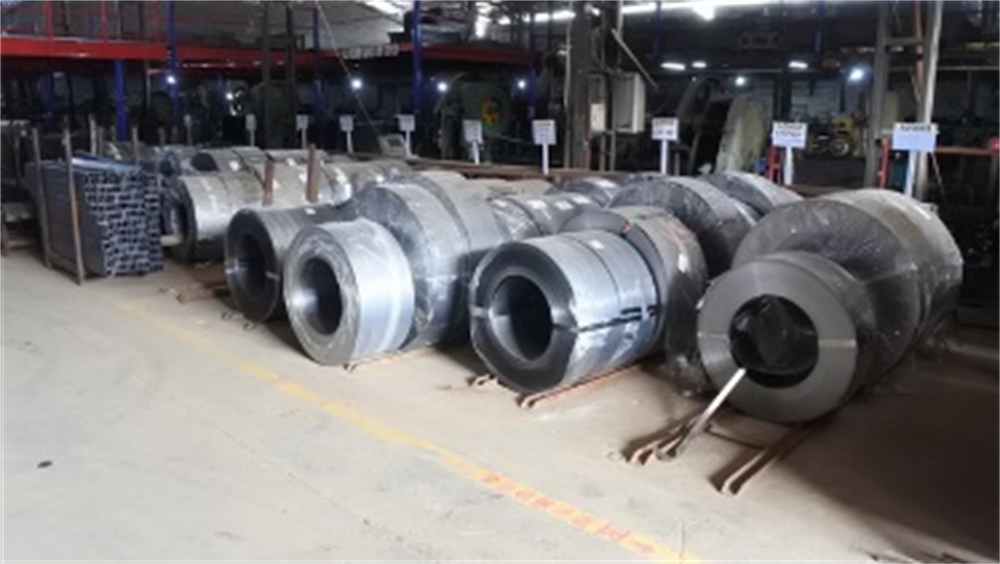
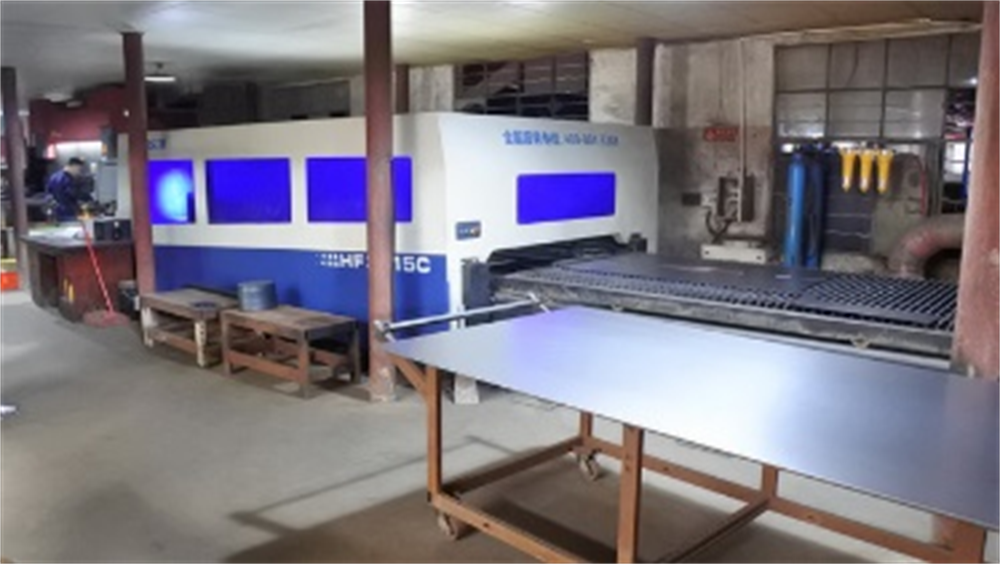
From raw materials verification to automated coating and loading, trace our complete production steps below.
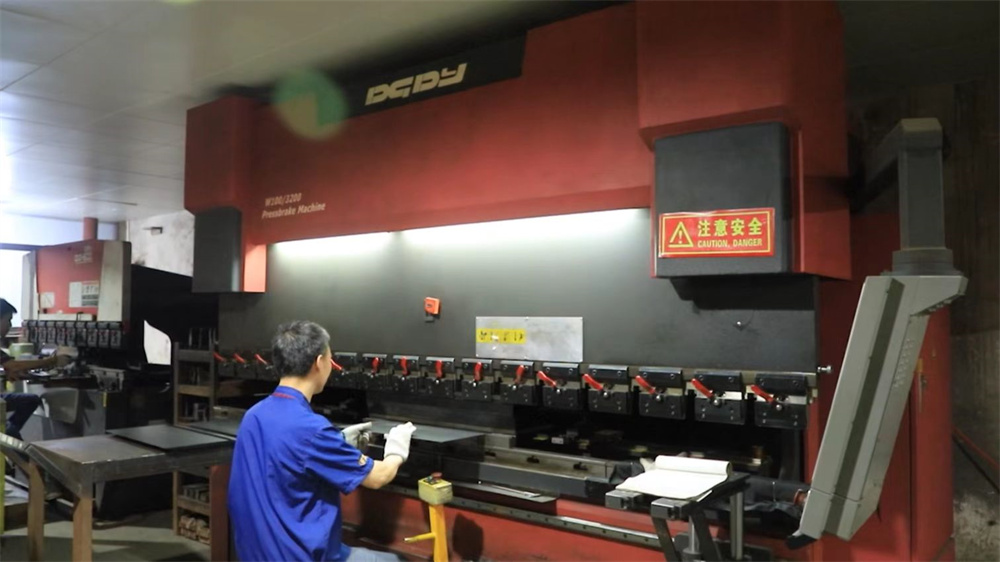
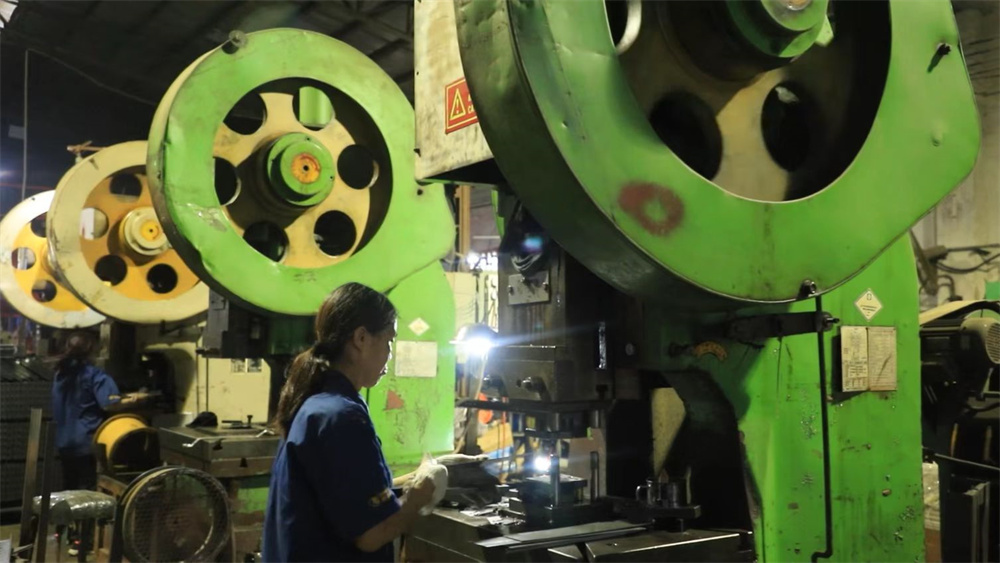
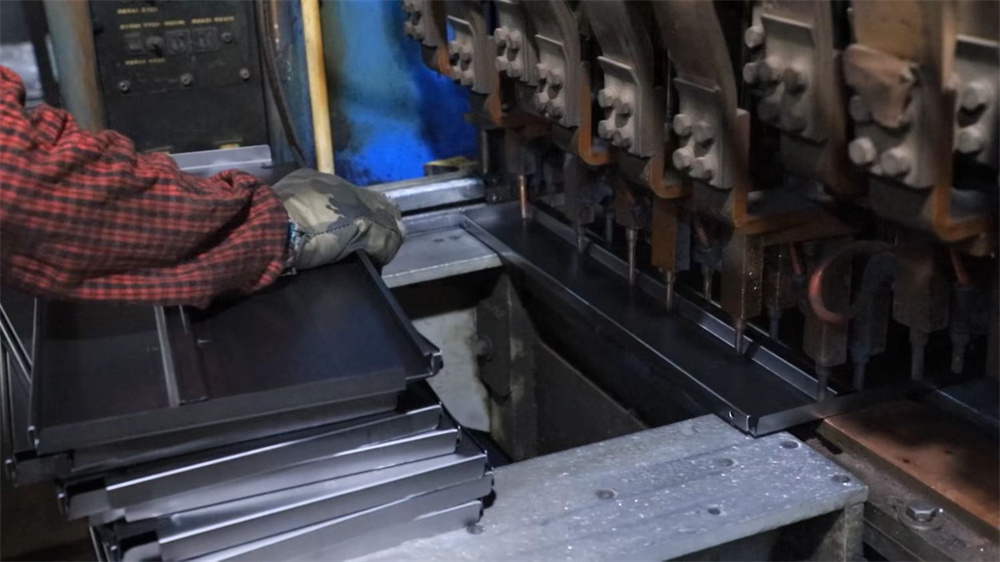
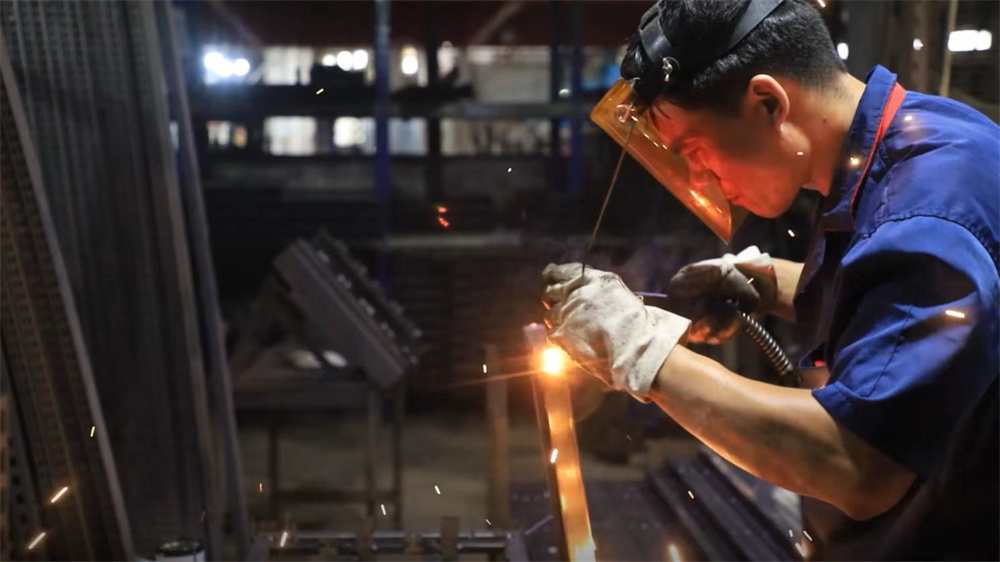
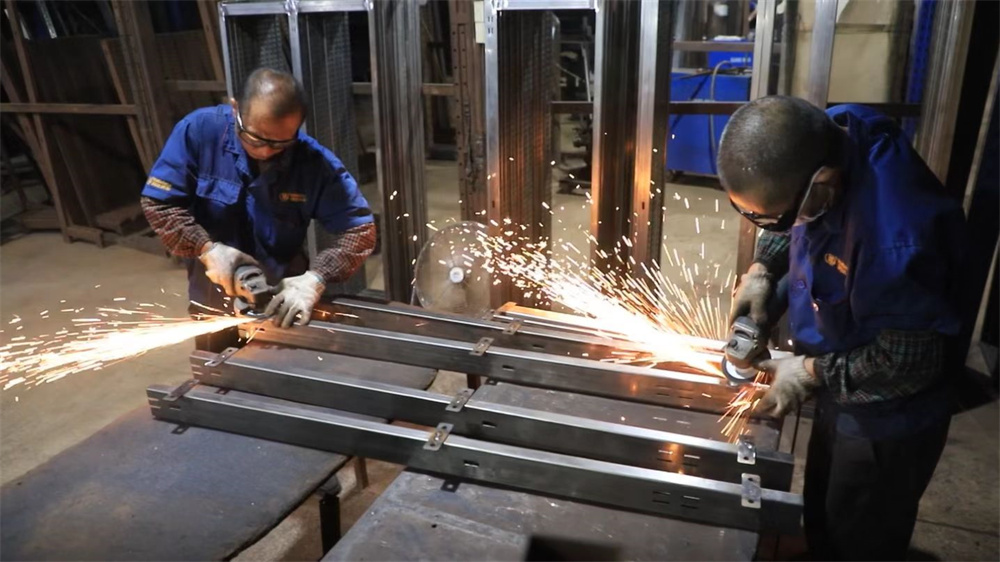
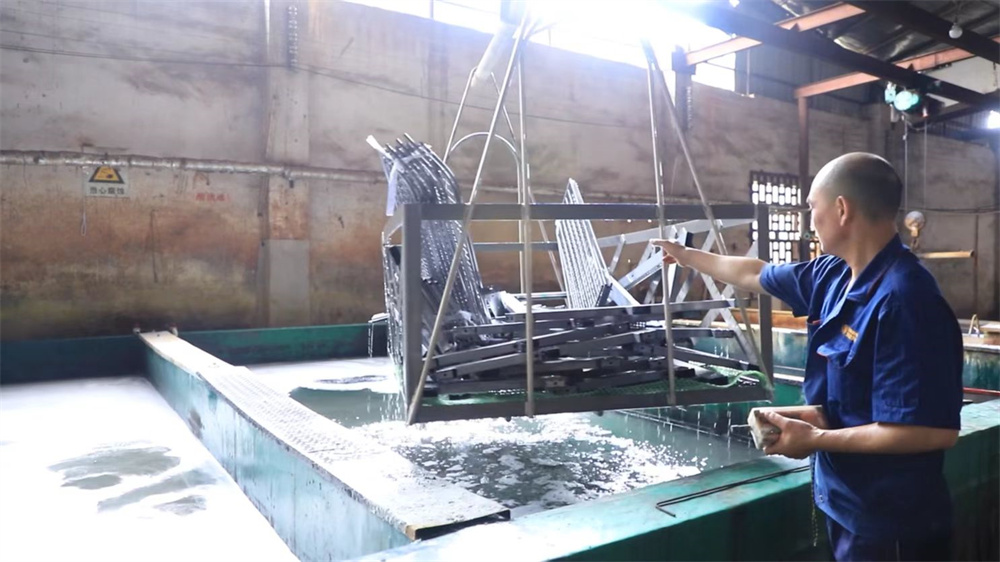
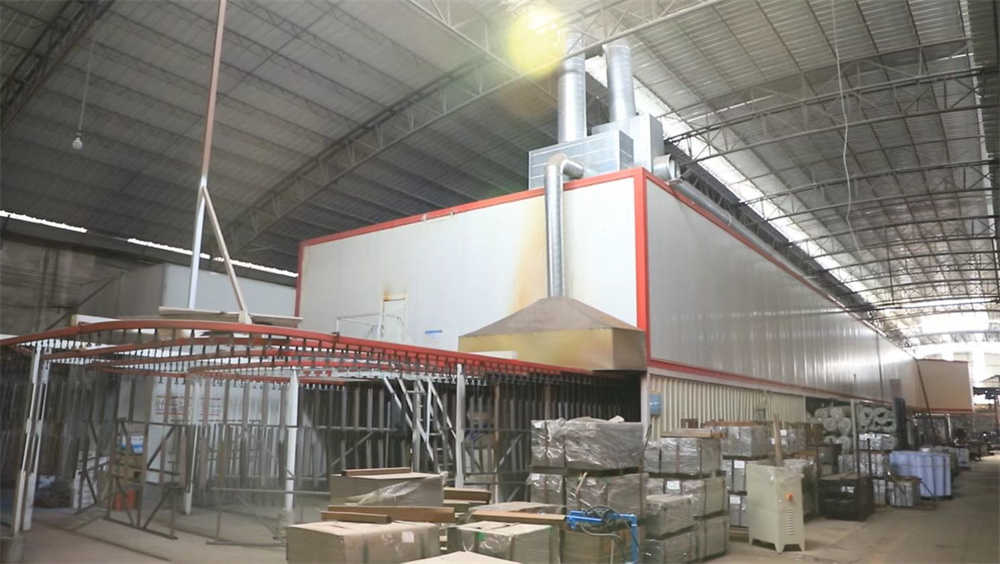
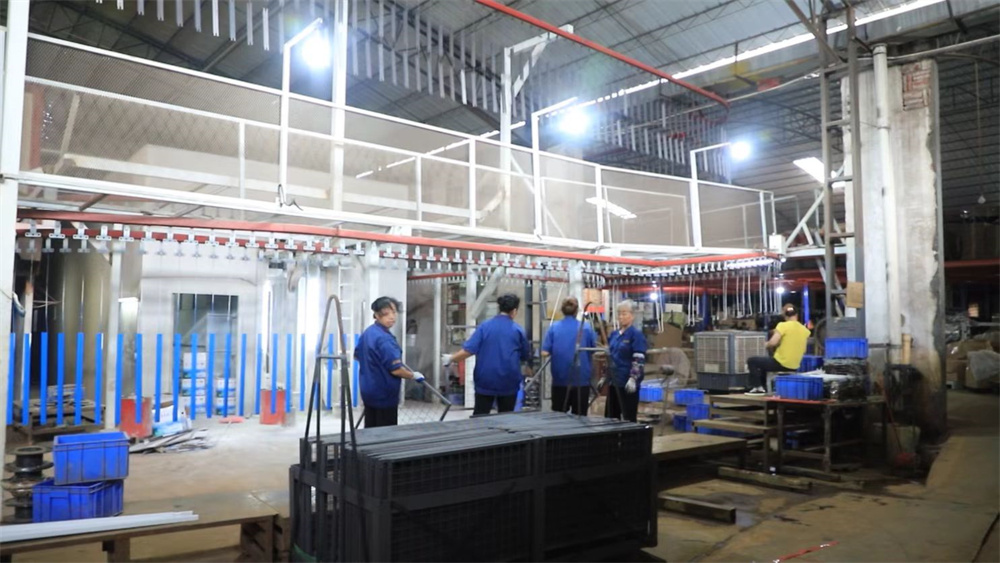
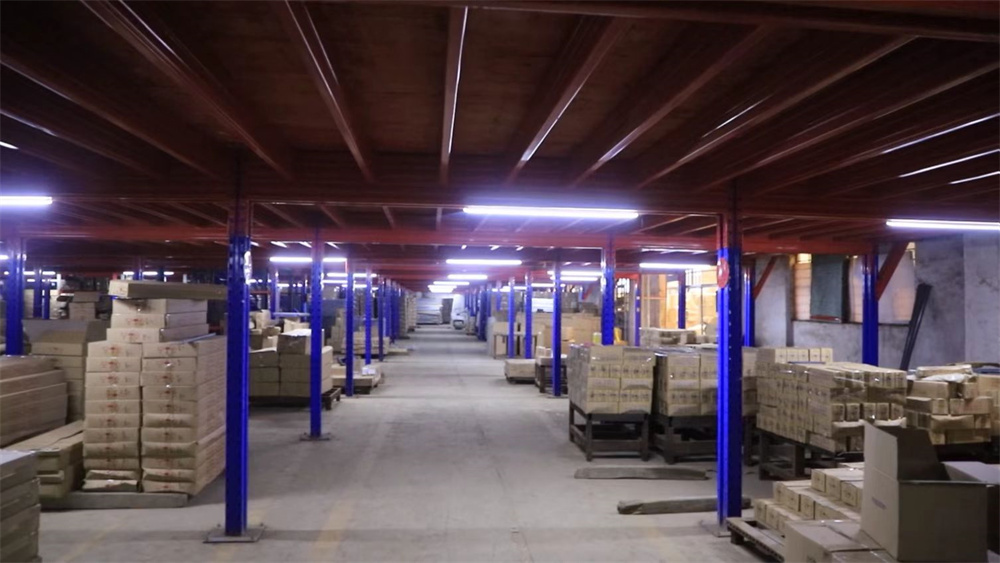
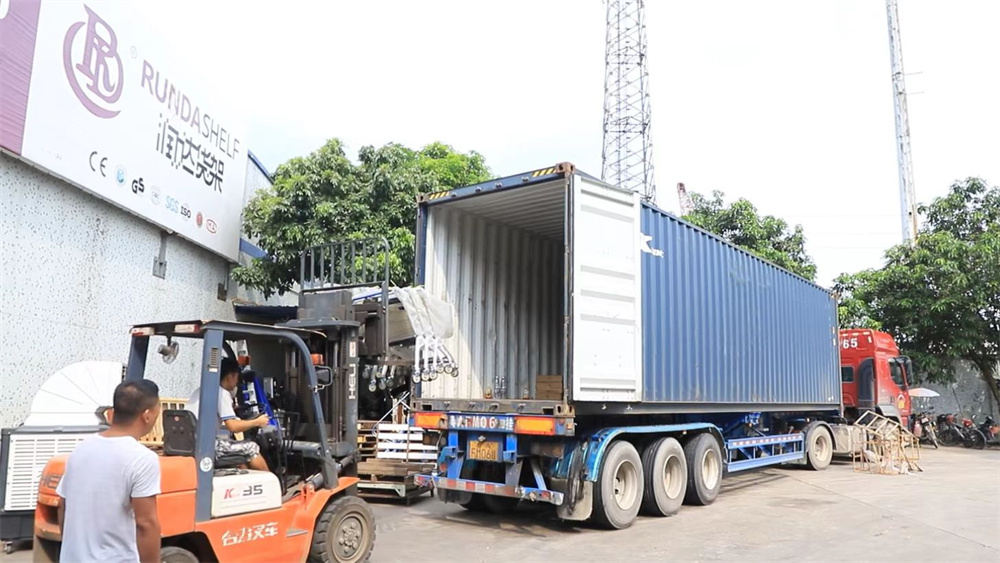
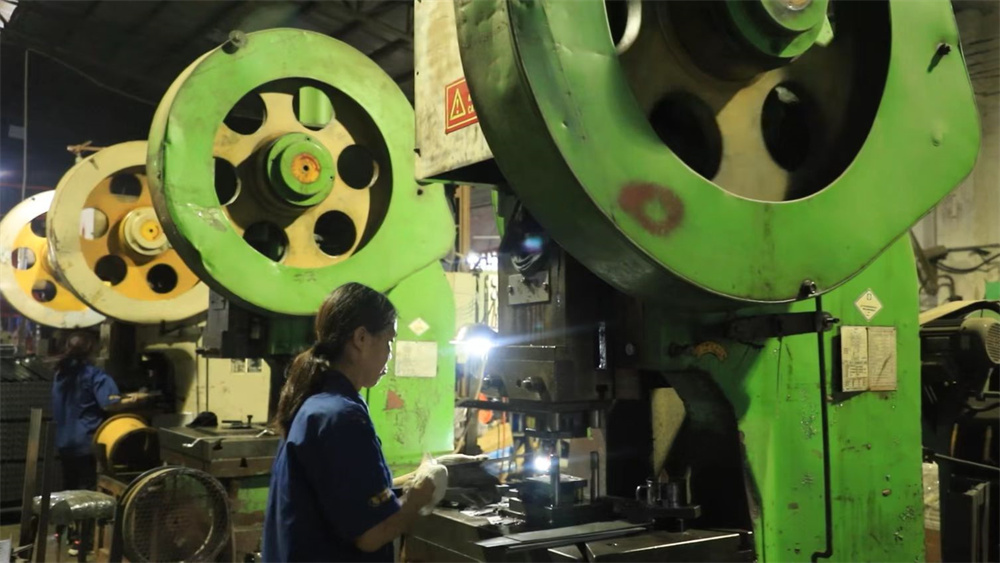
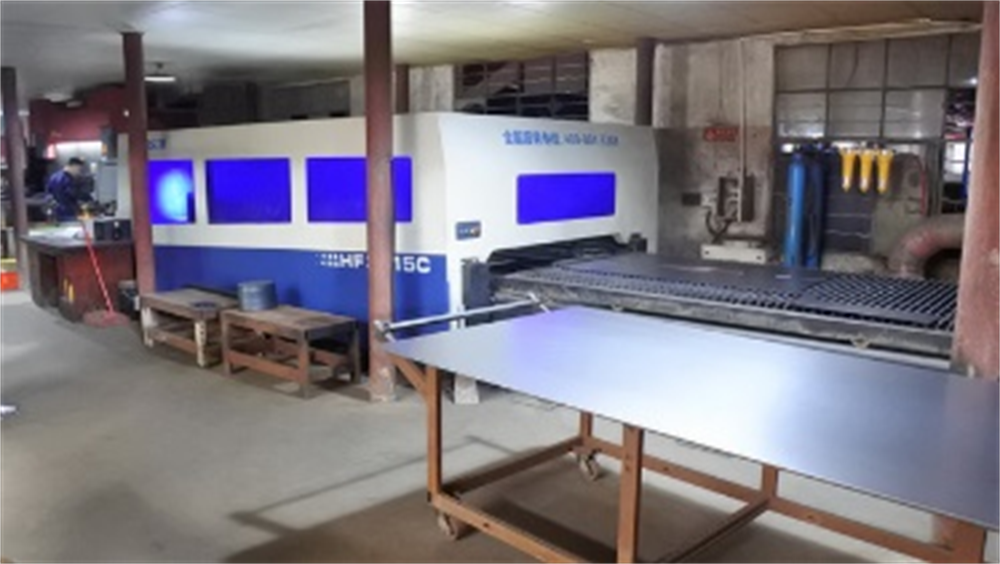
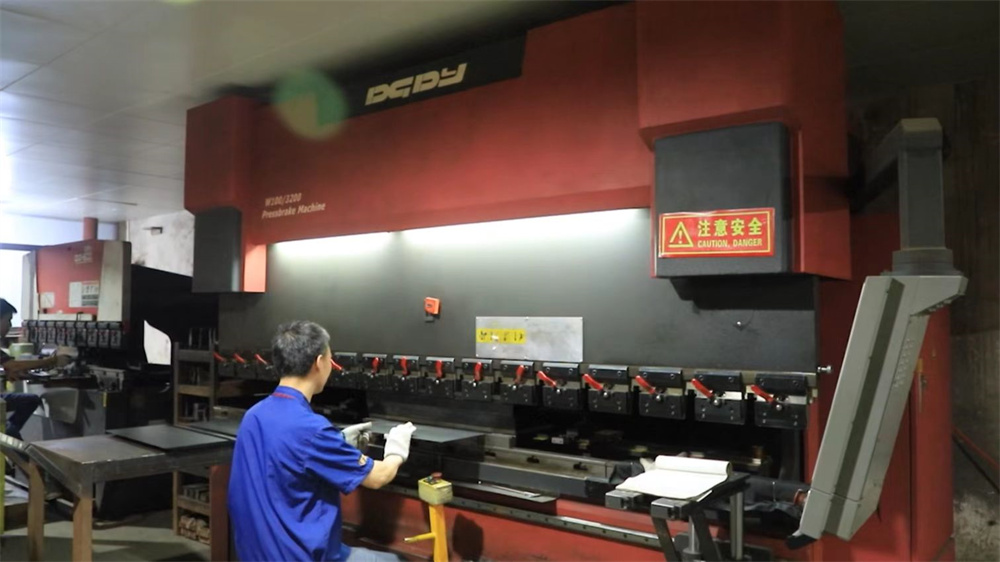
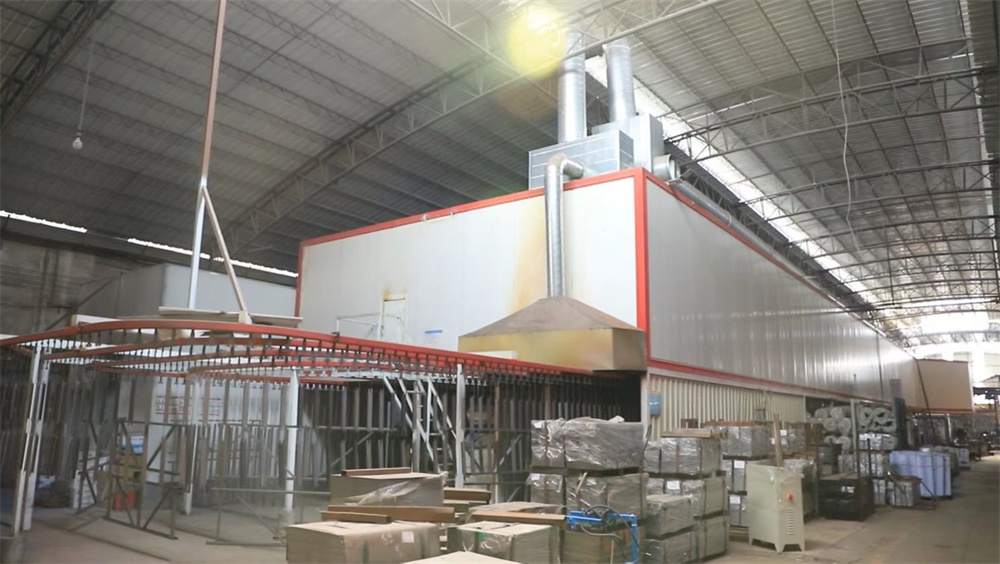
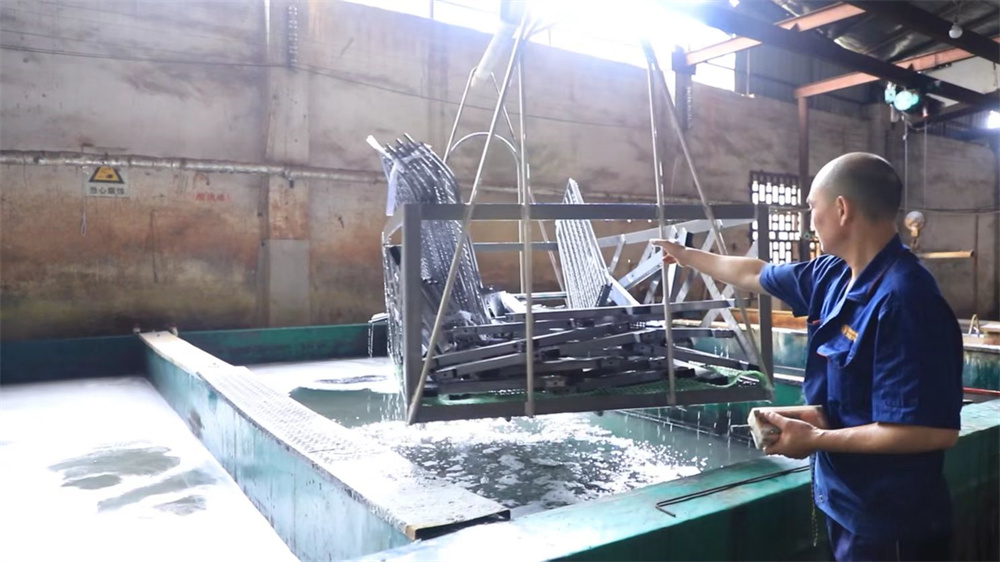
Every composite racking layout is calculated and engineered to satisfy the stringent requirements of local building and safety codes.
We supply complete engineering validation reports demonstrating compliance with ANSI/RMI MH16.1 (Specification for the Design, Testing and Utilization of Industrial Steel Storage Racks), European standard EN 15512, and international ISO 9001 quality system directives. This ensures smooth regulatory sign-offs from OSHA inspectors and municipal building divisions.
Using finite element analysis (FEA), our R&D group calculates the localized horizontal force factors (Sds) matching the site's geological profile. We engineer specialized baseplates, heavier composite bracing, and anchors to secure structural reliability in seismically active areas, including parts of the US West Coast and the Ring of Fire.
Optimizing workflow performance in sectors where traditional metallic storage installations present operational vulnerabilities.
Structural steel experiences low-temperature embrittlement below -20°C. Our composite racking retains structural elasticity and load capacities down to -40°C, offering thermal insulation that prevents icing at structural junctions.
Designed for ISO Class 4 cleanrooms, these non-outgassing, rust-free composite racks prevent chemical micro-contamination. They prevent shedding and resist sterilization alcohols.
Resistant to acids, organic solvents, and strong bases, these racks are ideal for chemical plants and battery charging zones, avoiding degradation and paint peeling.
Perfect for facilities requiring daily hot water pressure washdowns. Standard composite profiles resist fungal growth and bacteria harboring, maintaining sanitation standards.
Exploring the integration of smart sensors, autonomous retrieval, and sustainable matrices in the next generation of industrial racks.
We are prototyping composite racks with embedded fiber-optic Bragg grating sensors inside pultruded beams. These sensors provide real-time structural stress alerts to the Warehouse Management System (WMS), indicating overloads and protecting staff.
With strict dimensional stability and low deflection coefficients, composite racks support automated storage and retrieval systems (ASRS) and AGV forks, minimizing system downtime caused by structural steel warp.
We are transitioning our pultrusion manufacturing toward recyclable thermoplastic resins (such as PET and Elium). This allows retired composite rack components to be reprocessed at end-of-life, reducing landfill waste.
Answers to technical and engineering questions regarding composite rack design, structural safety, and OEM manufacturing options.
Our heavy-duty composite configurations are engineered to match standard steel capacities, supporting loads up to 4,000 kg per storage level. Load-bearing limits are determined through structural pultrusion profiles, internal composite wall thickness, and reinforcing carbon fibers tailored to each project's specifications.
Our composite formulations include flame-retardant additives that comply with ASTM E84 and UL 94 V-0 standards. In fires, our structures release minimal smoke and resist melting or deformation, maintaining structural stability long enough to assist emergency facility evacuation.
Yes. Our engineering team designs custom connector plates and adaptors, allowing our composite panels and beams to retrofit with existing steel uprights. This lets clients upgrade high-moisture or high-corrosion zones without replacing their entire racking footprint.
Standard OEM engineering and layout generation requires 5 to 7 business days. Following engineering sign-off, fabrication and tooling setup takes 4 to 6 weeks, depending on order size and custom profile requirements.
Yes. Our polyurethane and epoxy composite matrices are designed to prevent low-temperature embrittlement down to -40°C. With low thermal conductivity, these racks prevent cold-bridging, helping lower energy consumption in cold storage facilities.
We integrate UV stabilizers (such as hindered amine light stabilizers) directly into the resin matrices. For harsh outdoor environments, we apply a thermosetting polyurethane coating to prevent fiber blooming and color fading.
While standard composites are insulators, we can integrate carbon black or metallic micro-fibers into the resin mix. This creates dissipative paths that direct static charges to the ground, protecting electronic components.
Every shipment includes Mill Test Reports (MTRs) for raw materials, loading capacity testing certificates signed by our QC engineers, and mill certificates demonstrating compliance with EN 15512 or RMI standards.
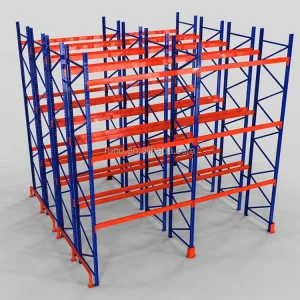
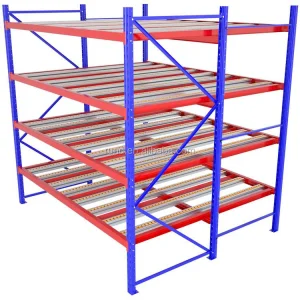
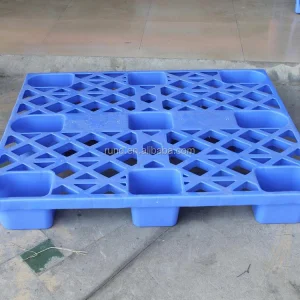
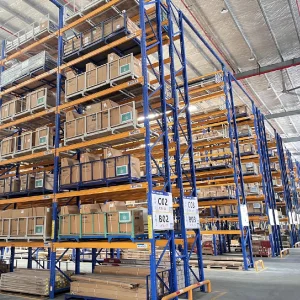
Industrial transport platforms and storage structural parts configured for high capacity loads and automated warehousing operations.
 Runda Racking