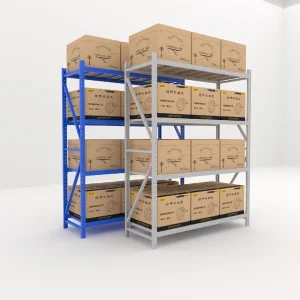
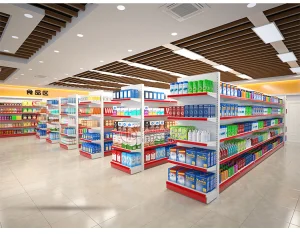
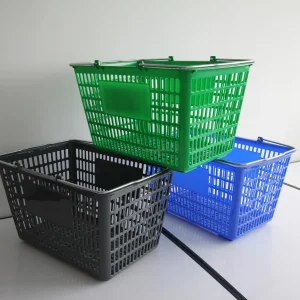
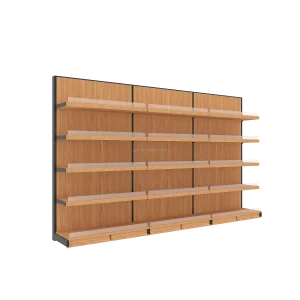
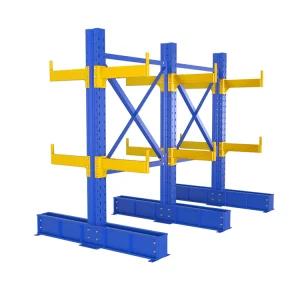
Engineered for extreme environments, heavy spatial load optimization, and flexible configuration requirements
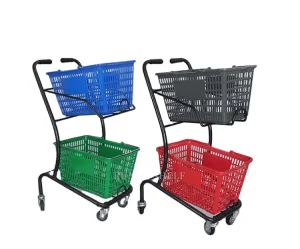
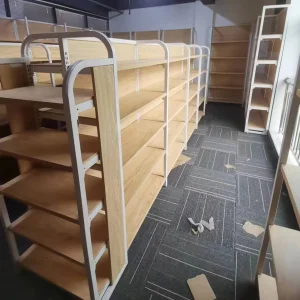
Understanding high-density shelving paradigms, load physics, and customized structural configurations for global supply chains
In the modern era of logistics, warehousing, and commercial retail, optimization of footprint and density is no longer a luxury—it is a critical survival vector. Compartment storage systems represent the pinnacle of micro-spatial engineering. By segmenting horizontal and vertical space into distinct, structurally stable compartments, organizations can dramatically decrease SKU search times, maximize cubic storage volume, and eliminate structural failure points under massive industrial loads.
As a specialized Custom OEM Compartment Storage Manufacturer, our engineering protocols align with international load-distribution safety factors, ensuring that variables such as steel yield strength (Q235B vs. Q355B), structural elastic deformation, and dynamic kinetic impact resistances are optimized. This whitepaper details the structural dynamics, material sciences, and macro supply-chain frameworks required to execute enterprise-level custom compartment programs.
The rise of automated pick-and-pack systems requires sub-divided, modular compartment layouts. Our customizable steel storage grids allow multi-tiered, heavy-duty configurations that integrate seamlessly with Automated Guided Vehicles (AGVs).
Global logistics hubs face stringent local engineering regulations. We offer structural node calculations, heavy baseplates, and specialized bracing modifications matching seismic parameters of North America and Western Europe.
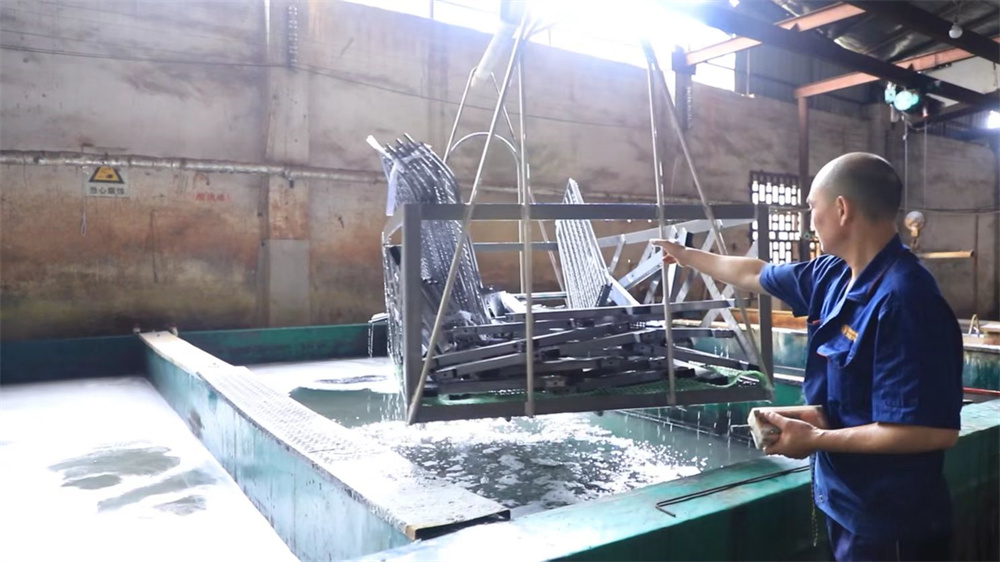
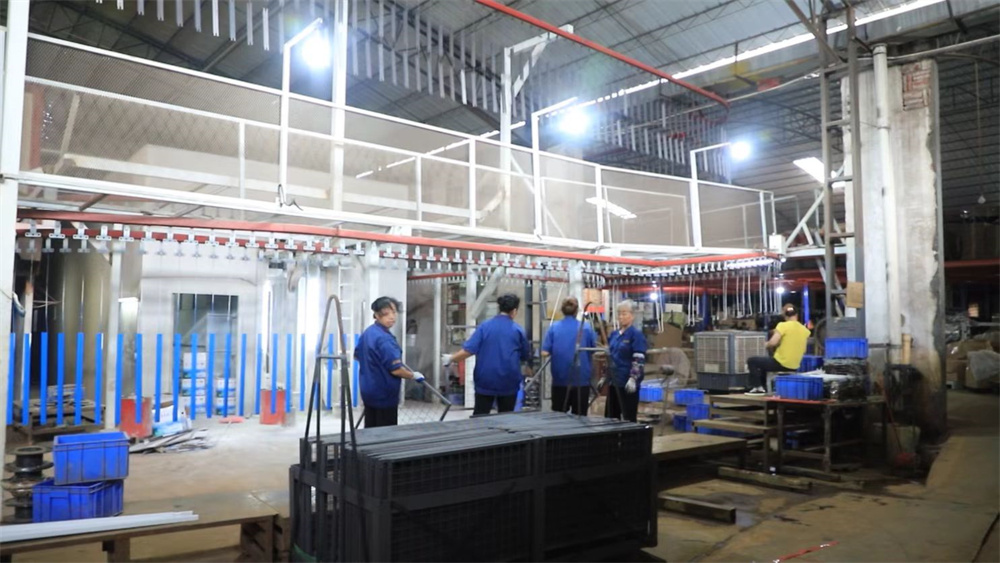
Utilizing high-grade electrostatically applied epoxy-polyester powder formulations, our storage surfaces withstand demanding high-humidity environments, chemical contact, and continuous wear-and-tear.
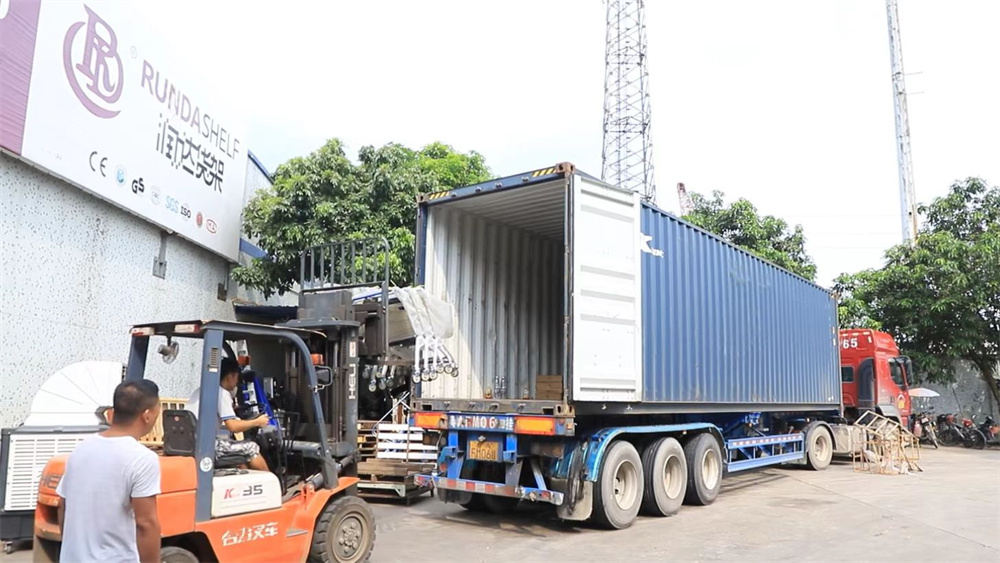
Established in 2015, Shenzhen Runda Racking Manufacturing Co., Ltd. is a premier manufacturer specializing in heavy-duty industrial shelving and high-density warehouse storage solutions. With over 11 years of deep industry expertise and 9 years of active global export experience, we deliver tailored racking systems to logistics hubs, distribution centers, and manufacturing plants worldwide.
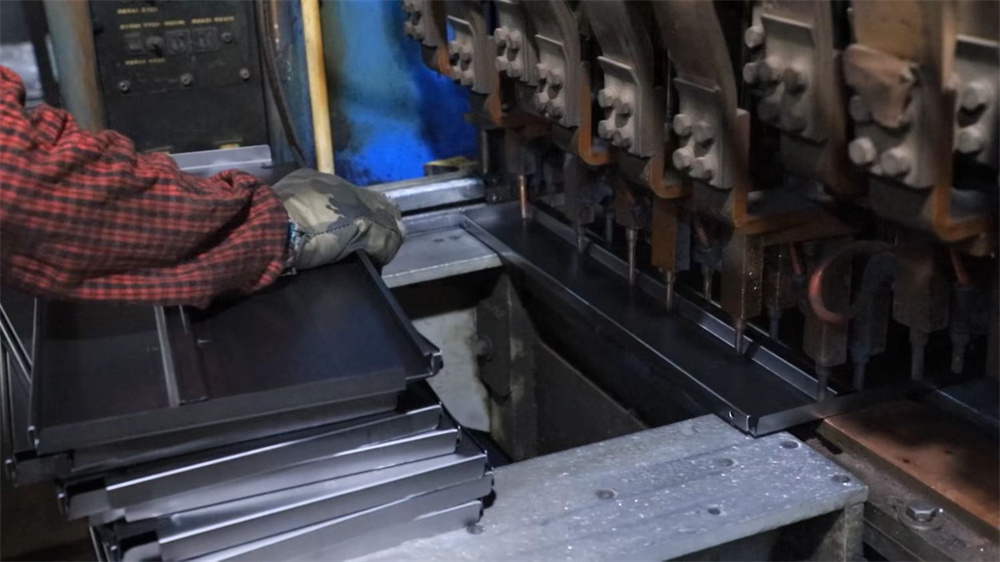
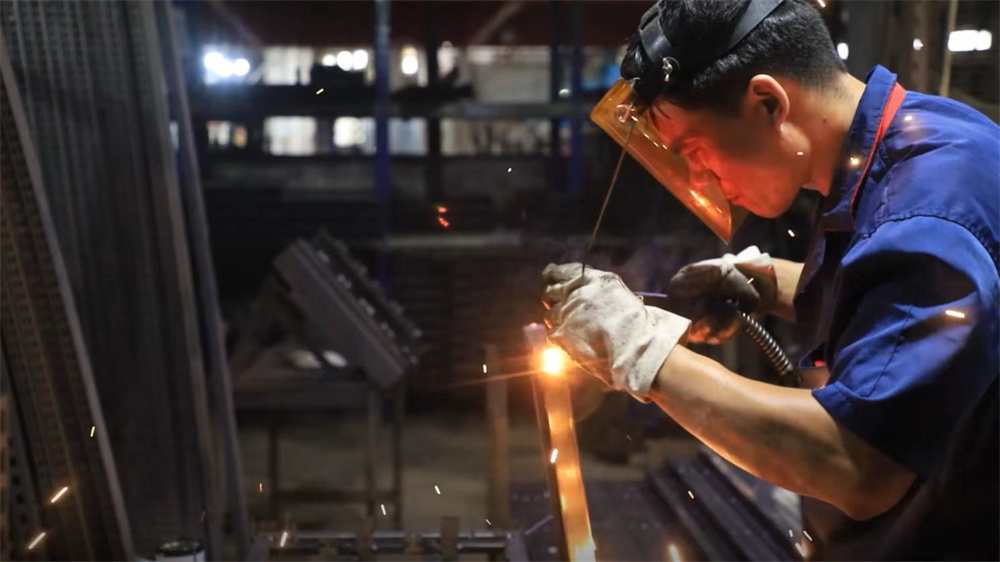
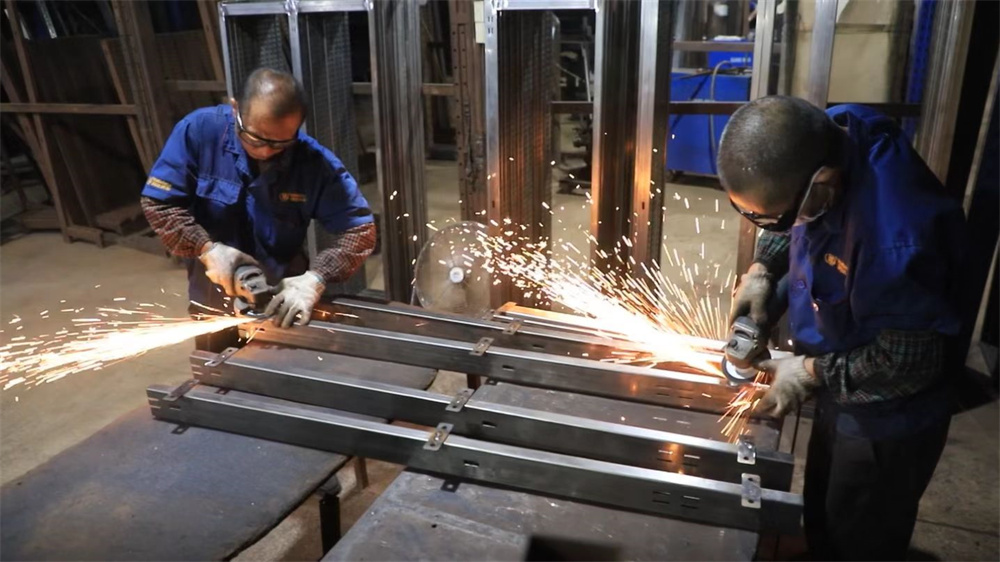
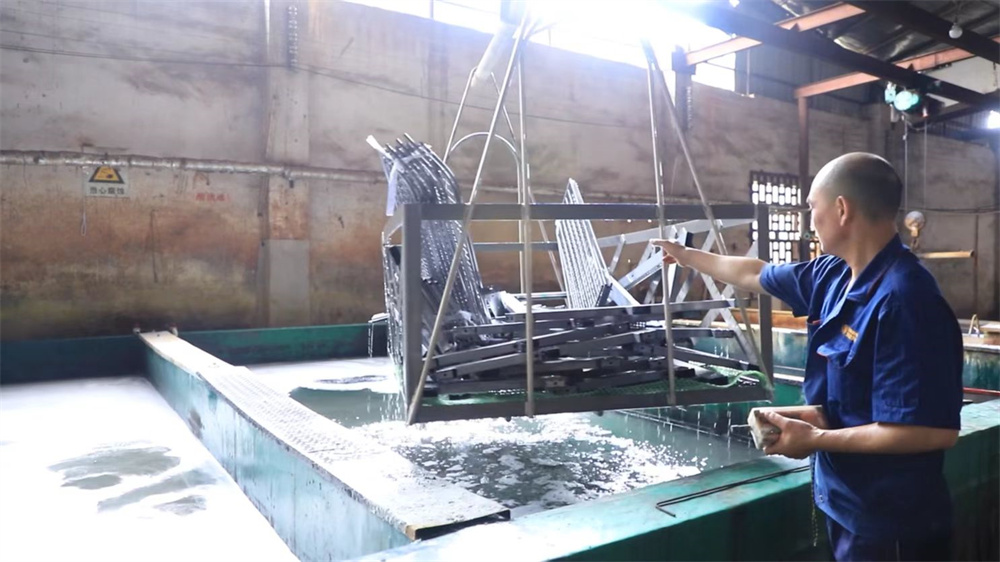
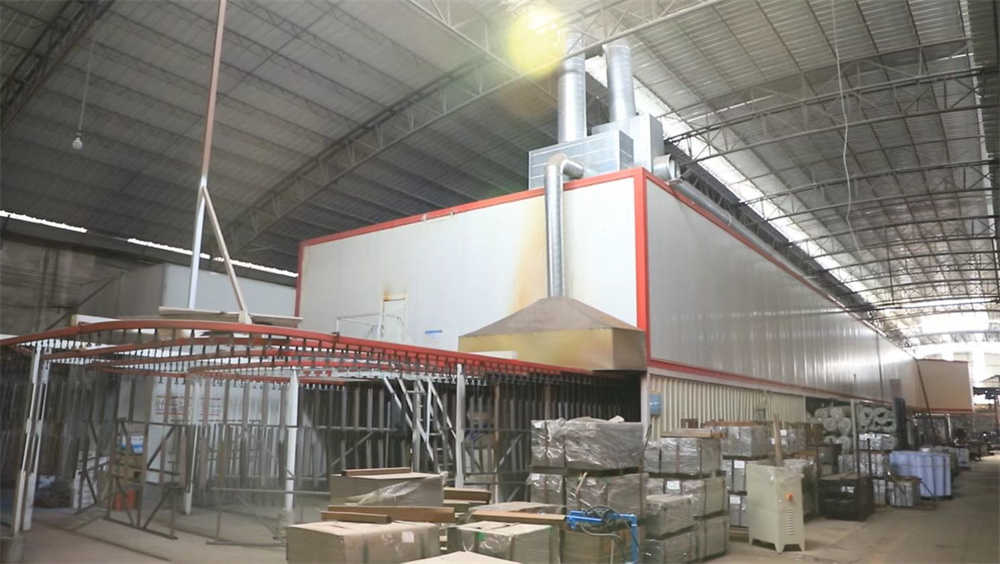
How raw metal sheets are engineered into high-strength compartment storage configurations under rigorous quality control
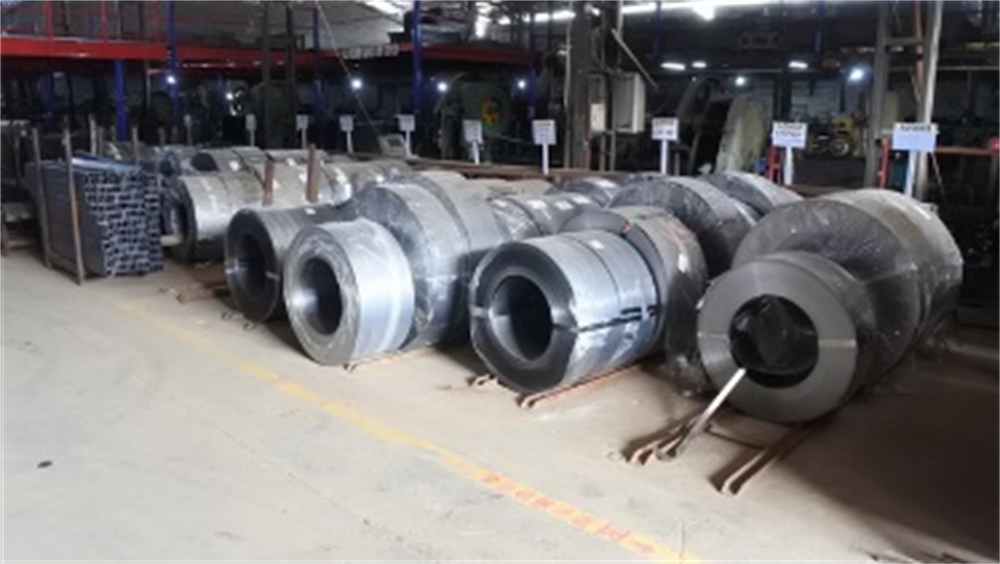
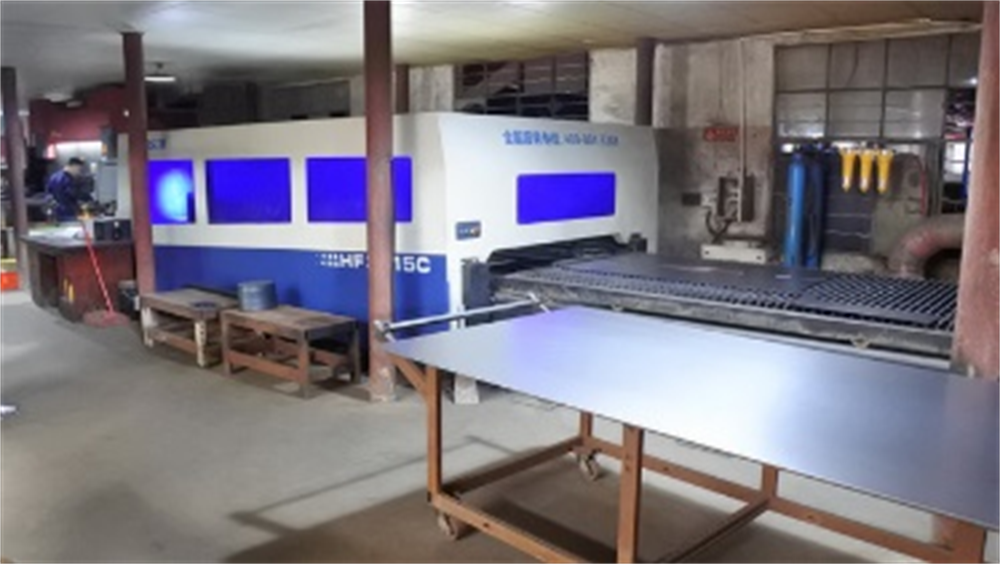
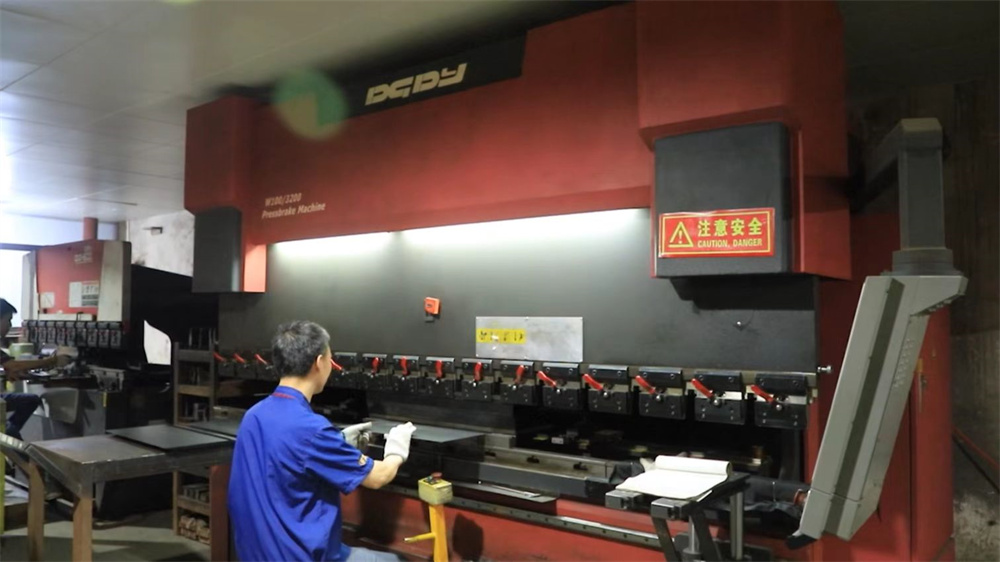
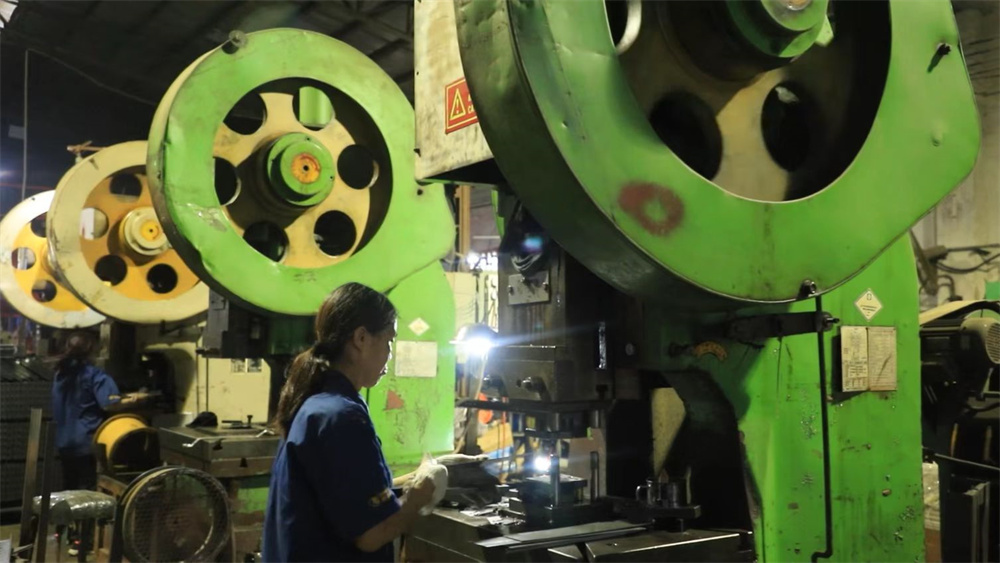
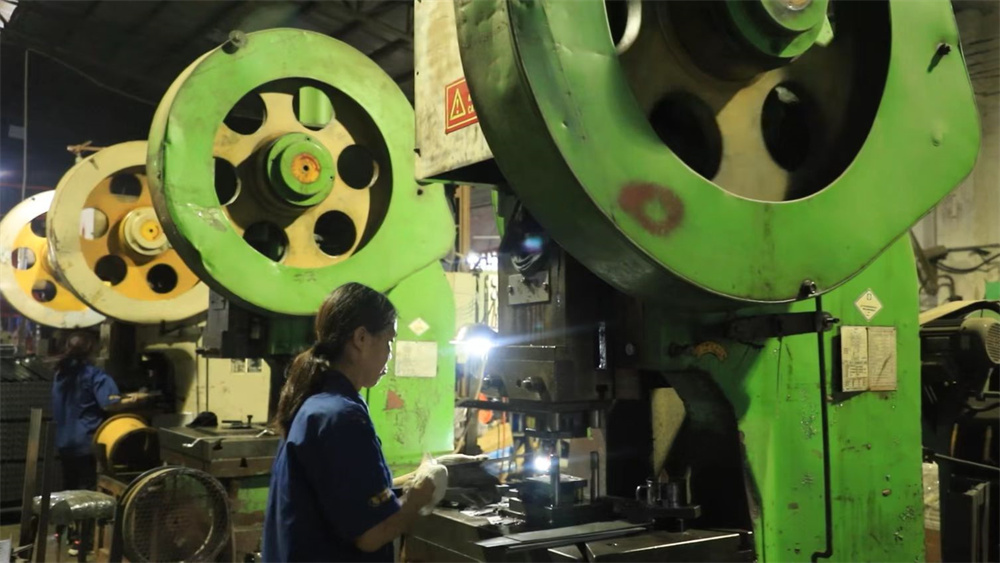
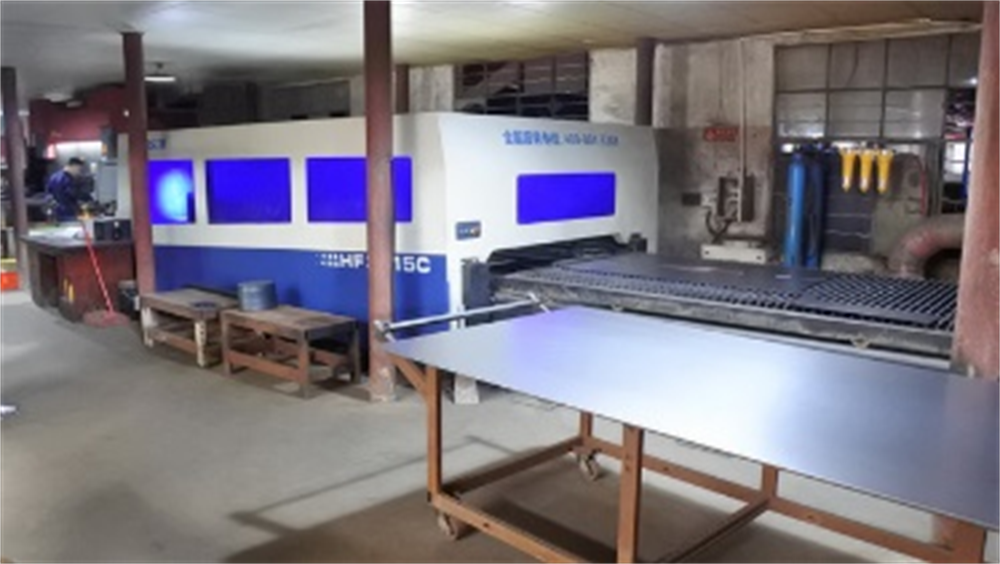
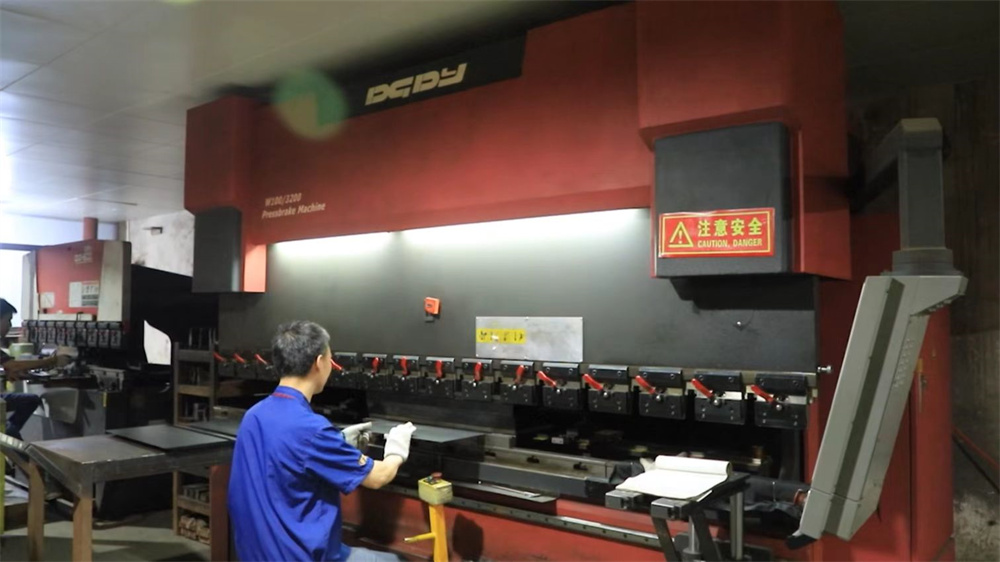
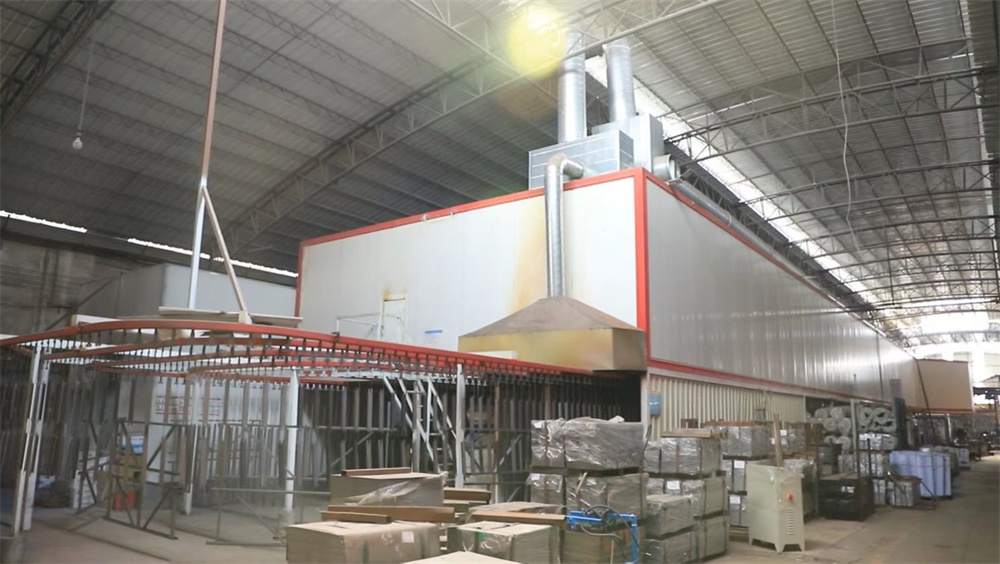
Evaluating total cost of ownership (TCO), space allocation economics, and regulatory compliance protocols for industrial clients
Purchasing compartment storage units at an enterprise level requires an analytical approach toward lifetime longevity, loading safety factor, and deployment speed. Lower-grade raw steel or substandard powder coating can seem economical in the short term, but will generate maintenance liabilities, structural sag, or compliance audits over time.
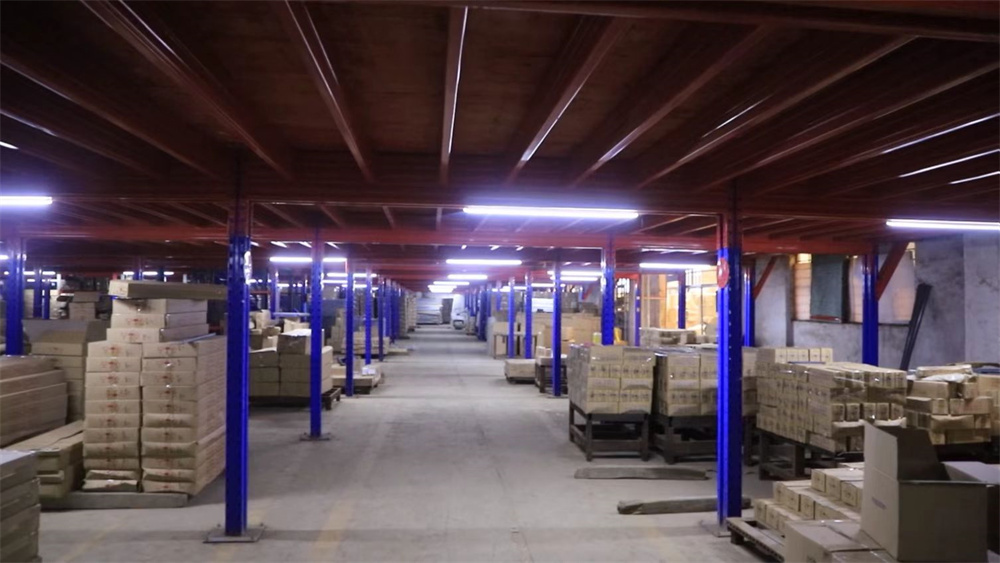
By partnering directly with a qualified Chinese OEM manufacturer operating from a modern 35,000㎡ plant, global buyers bypass traditional intermediaries. This direct sourcing strategy enables strict verification of weld integrity, powder coat depth, and dimensional stability before container loading occurs.
Furthermore, our integration with more than 1,200 strategic supply chain partners ensures cost stabilization for cold-rolled steel and mechanical fasteners, creating highly competitive unit pricing structures without jeopardizing raw material quality standards.
To maximize internal volume utilization indices, warehouses must incorporate modularity. Using customizable compartments allows operators to modify shelf pitch or install partition separators to adapt to fluctuating seasonal inventory demands.
From a safety standpoint, industrial storage projects must follow RMI (Rack Manufacturers Institute) and EN standards. Under extreme loads, rack columns are vulnerable to mechanical torsion.
Shenzhen Runda addresses these design challenges through comprehensive Finite Element Analysis (FEA). We calculate stress points, load deflection coefficients, and vertical stability safety margins under full-load conditions to guarantee long-term operating safety.
How next-generation smart warehousing, IoT-integrated compartments, and green manufacturing impact industrial logistics
Implementing physical and digital dynamic divider panels that adjust internal dimensions dynamically based on automated RFID feedback. This reduces unutilized spatial margins by up to 35% in active SKU-rotation zones.
Integrating green steel initiatives utilizing electric arc furnace (EAF) processes. This transition helps enterprise clients satisfy Scope 3 ESG supply chain carbon reduction goals.
Embed pressure-sensitive transponders within the structural shelving decks to monitor exact loading weights, warning floor operators of potential load imbalances before structural deformation occurs.
Addressing complex engineering, customization, logistics, and compliance concerns from commercial buyers and warehouse designers
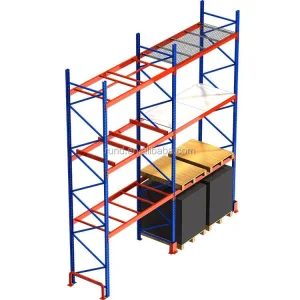
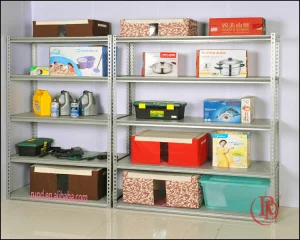
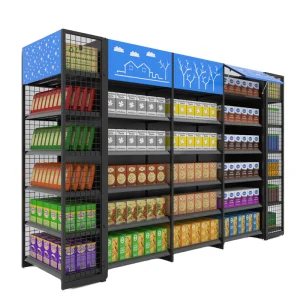
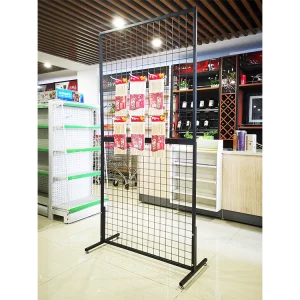
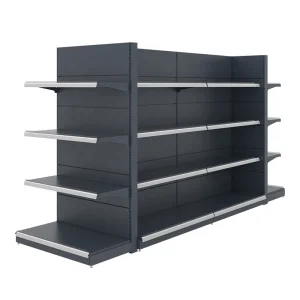
Heavy industrial steel platforms, adjustable storage racks, and retail display hardware built for high-throughput logistics
 Runda Racking