In the era of hyper-optimized supply chains, global warehousing is experiencing structural transformations driven by escalating industrial land valuations and the rapid expansion of temperature-controlled storage networks. Commercial real estate index data indicates a year-on-year surge in industrial leasing premiums in major logistical epicenters like North America, Western Europe, and Southeast Asia. As a consequence, third-party logistics (3PL) providers and manufacturers are forced to optimize spatial efficiency, moving away from broad floor layouts and investing heavily in vertical density.
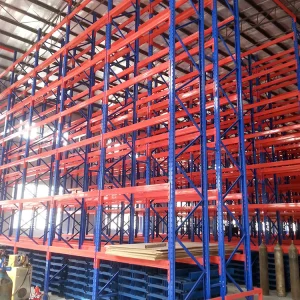
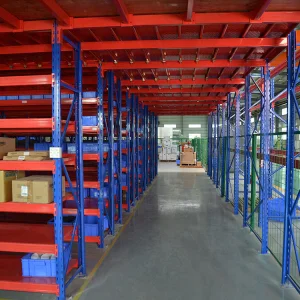
Drive-in storage systems represent one of the most cost-effective and high-density industrial solutions available, boasting spatial utilization efficiencies of up to 75% compared to selective pallet racks. By eliminating dedicated forklift aisles, drive-in structures store pallets on continuous depth rails, allowing lift trucks to physically enter the bay grid to deposit and retrieve payloads.
The macroeconomic demand for Chinese high-density racking manufacturing stems from raw material stability and mature metallurgical clusters. Companies like Shenzhen Runda Racking Manufacturing Co., Ltd. leverage direct steel supply agreements and automated production to offer structural reliability at highly competitive wholesale rates. This economic dynamic makes direct sourcing from China a dominant trend for logistics companies, food cold chains, chemical plants, and FMCG manufacturers worldwide.
Drive-in storage systems operate on a Last-In, First-Out (LIFO) material management methodology, making them ideal for high-volume inventory with low SKU counts. Unlike traditional static rack setups, drive-in systems operate under high structural stress during loading and unloading sequences. Therefore, precision engineering and high-tensile steel roll-forming are absolute safety prerequisites.
The core structural components of our heavy-duty drive-in storage racking include:
| Racking Spec Component | Material Standard / Value | Application & Engineering Purpose |
|---|---|---|
| Steel Grade Options | Q235B & Q355B Structural Steel | Ensures optimal yield strength and flexibility under dynamic load profiles. |
| Load Capacity (Per Pallet) | 500kg to 2,000kg (Customized) | Engineered to fit cold food pallets, bulk materials, and hardware loads. |
| Powder Coating Thickness | 60μm - 90μm Electrostatic Coating | Provides high corrosion resistance, vital for humid environments and cold storage. |
| Seismic Standards Compliance | RMI MH16.1 & European FEM 10.2.02 | Guarantees safety in designated geographic seismic zones globally. |
Established in 2015, Shenzhen Runda Racking Manufacturing Co., Ltd. is a premier industrial manufacturer specializing in heavy-duty shelving and high-density warehouse storage systems. Backed by over 11 years of deep industry expertise and 9 years of global export experience, we deliver tailored racking systems to logistics hubs, distribution centers, and manufacturing plants worldwide.
Operating from a modern 35,000 square meter production facility, our operations are powered by a robust network of over 1,200 trusted supply chain partners. This enables us to achieve an annual export turnover of $28 million. Our primary markets span North America, Western Europe, Southeast Asia, and the Middle East, where we proudly serve industrial distributors, large-scale third-party logistics (3PL) operators, and direct enterprise buyers.
Quality and innovation drive our core philosophy. We maintain strict quality control through full-process sampling inspection, raw material stress testing, and load-bearing verification, backed by a dedicated team of 35 QC professionals. Innovation is led by our 18 experienced R&D engineers who continuously refine structural efficiency—releasing over 120 new and upgraded storage products last year alone. We offer comprehensive OEM/ODM and full custom manufacturing services, including tailored load capacities, custom dimensions, corrosion-resistant powder coatings, and specialized seismic structural designs.
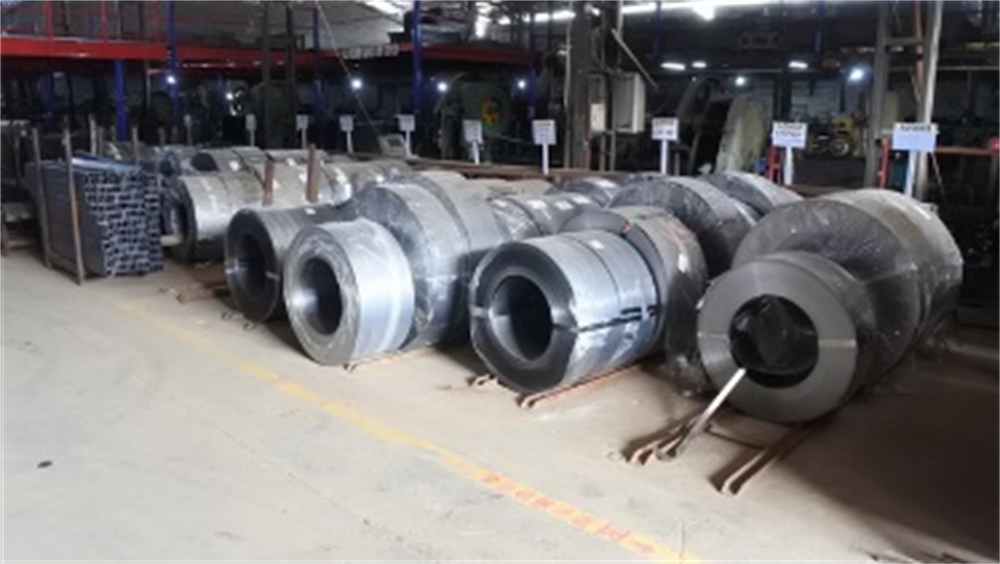
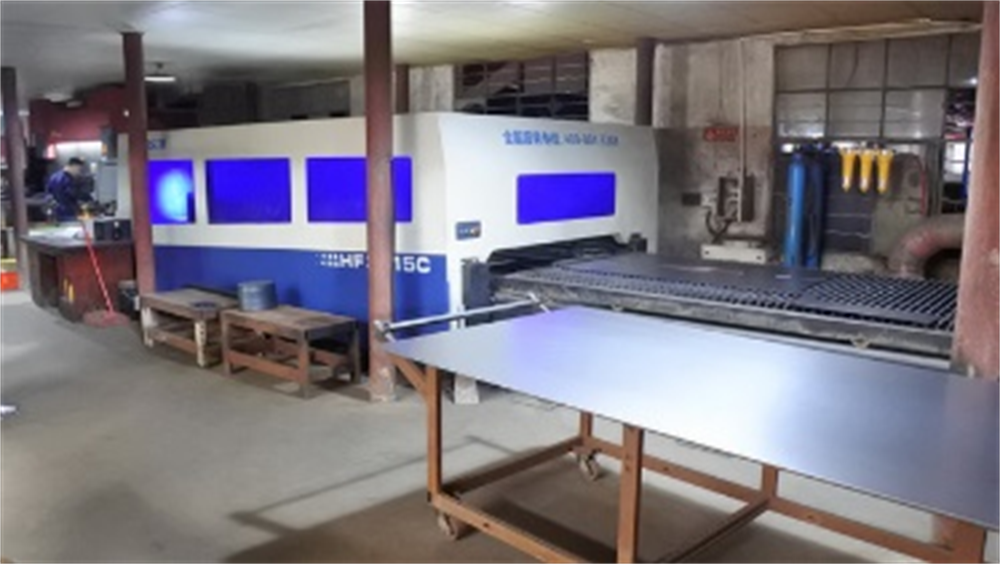
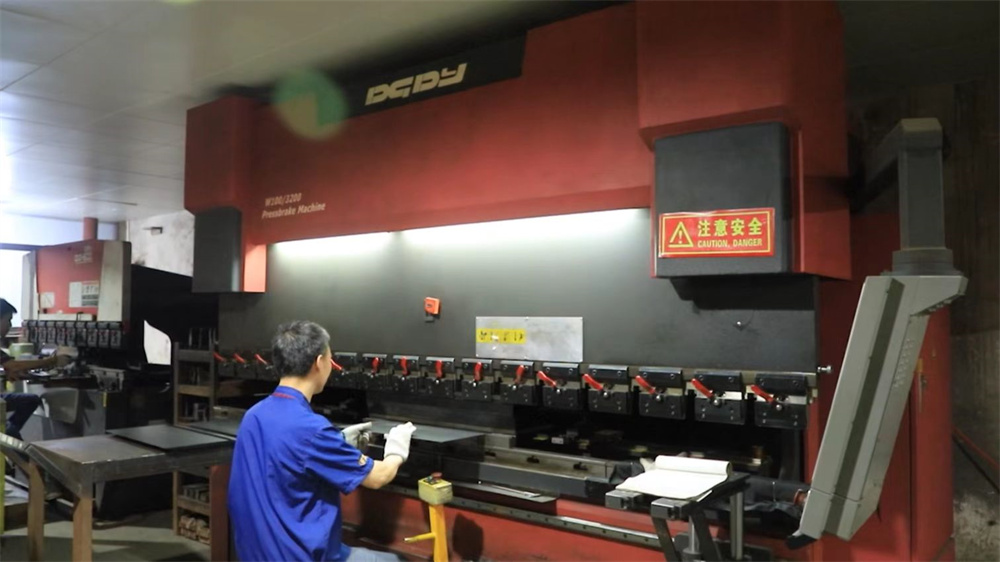
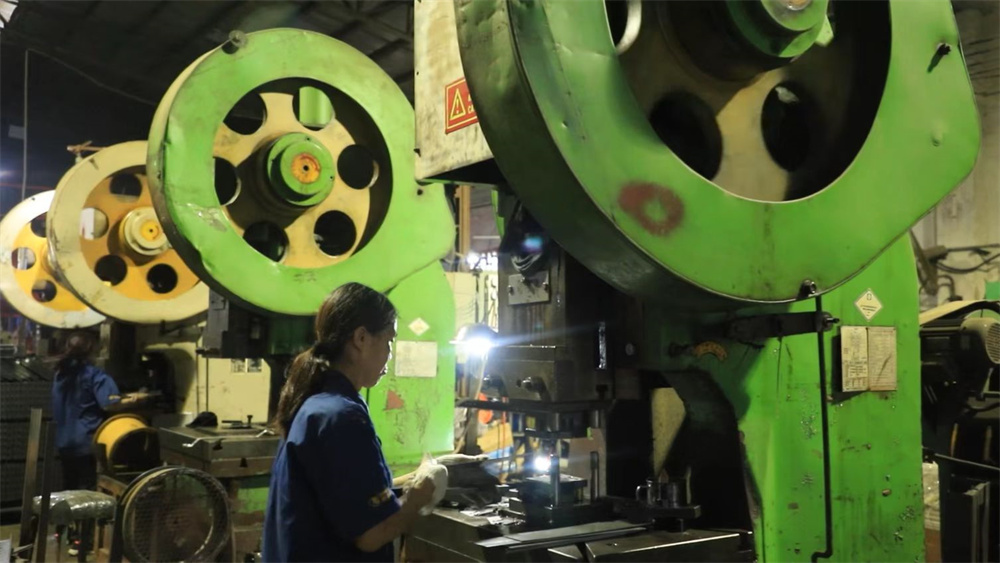
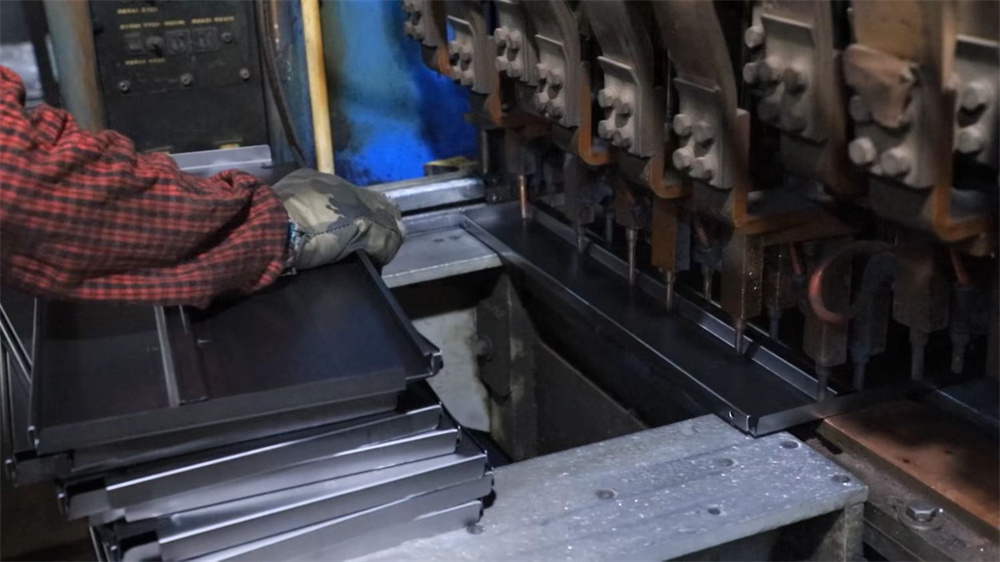
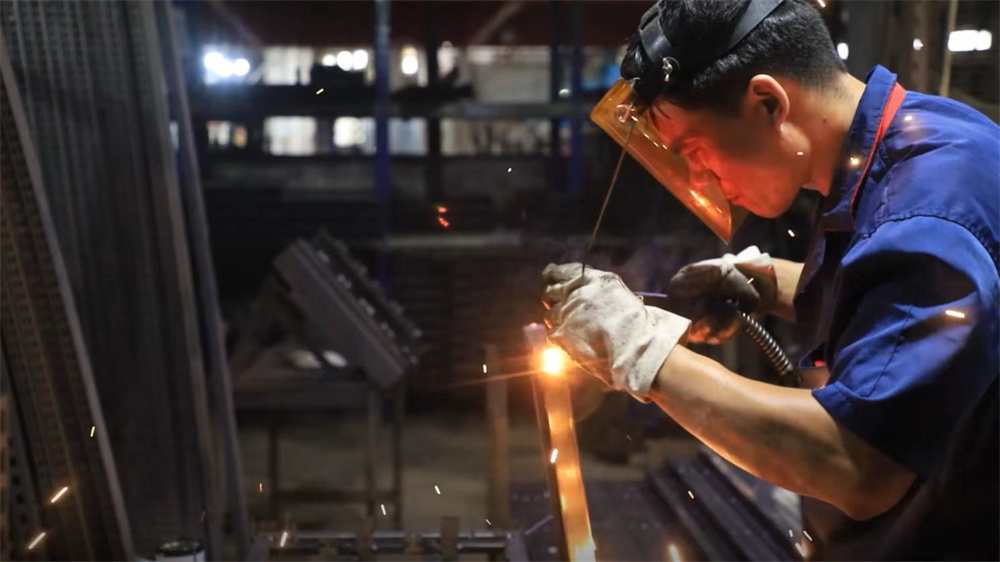
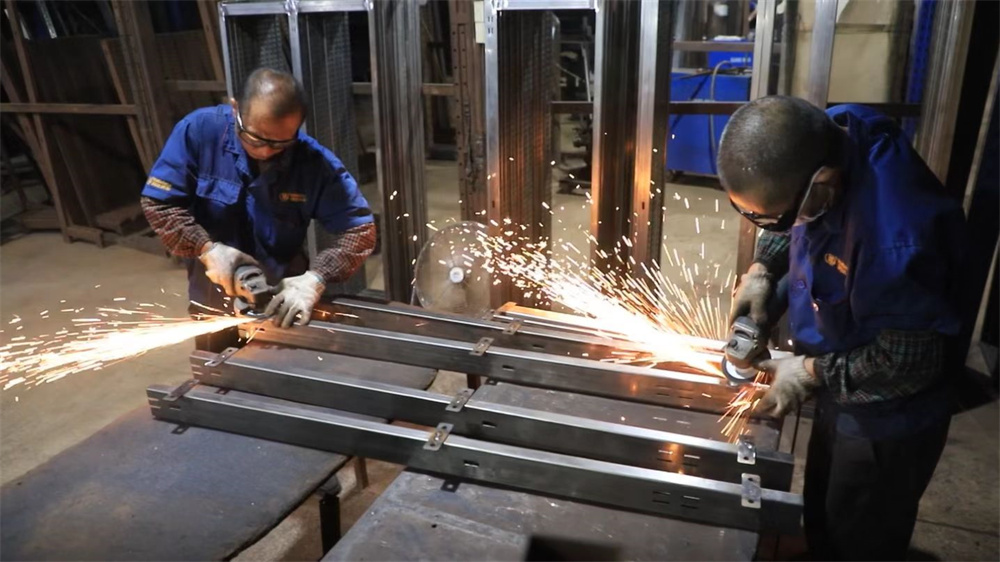
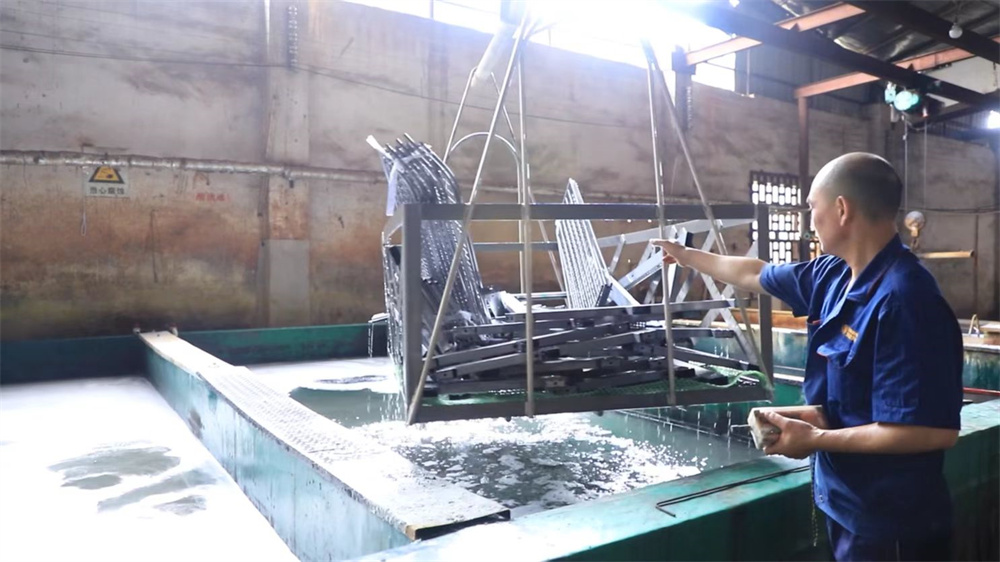
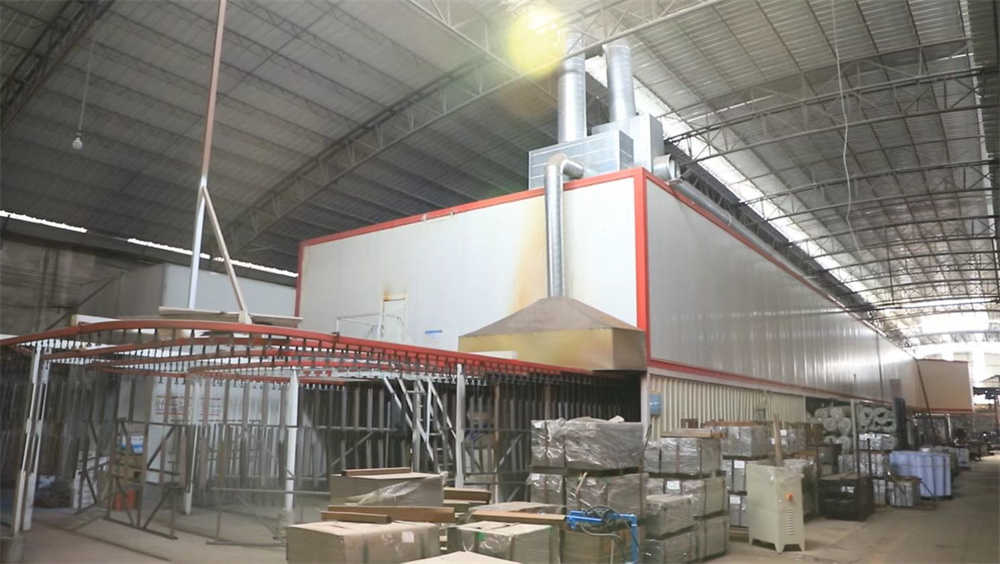
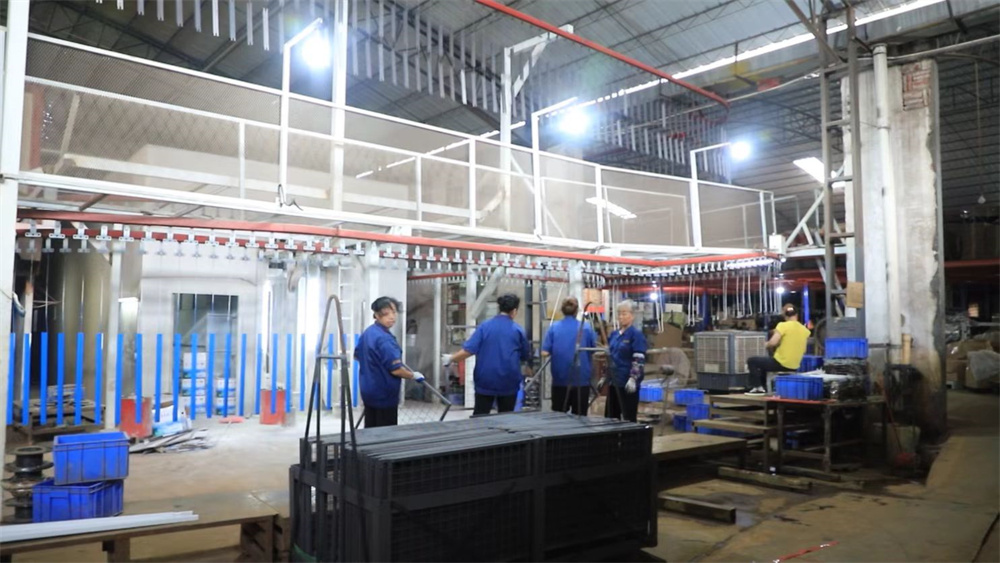
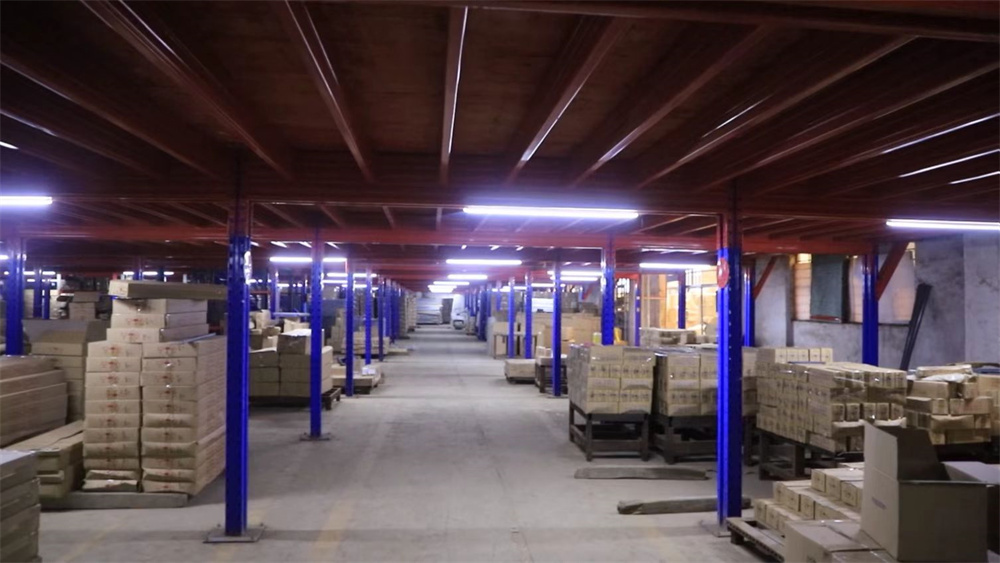
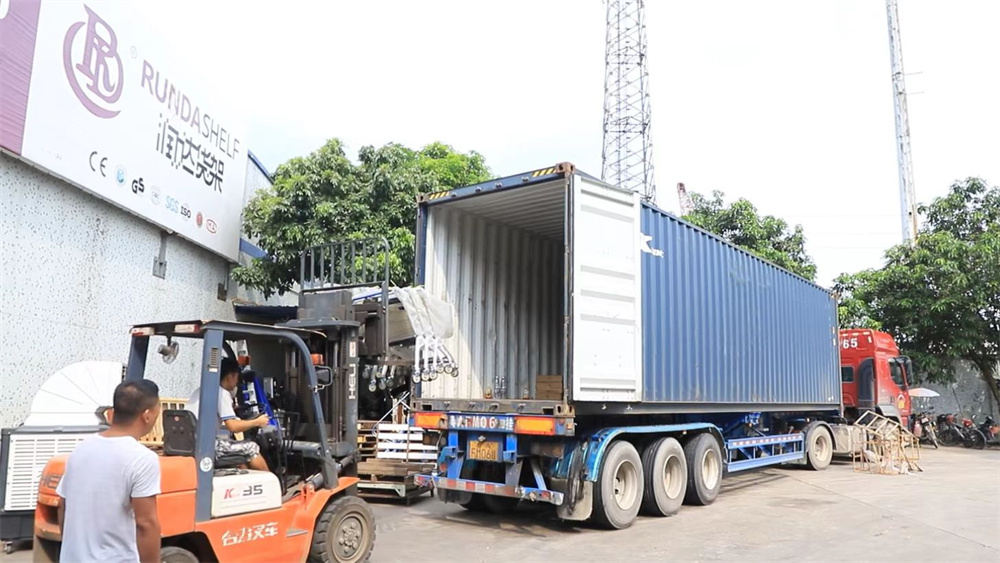
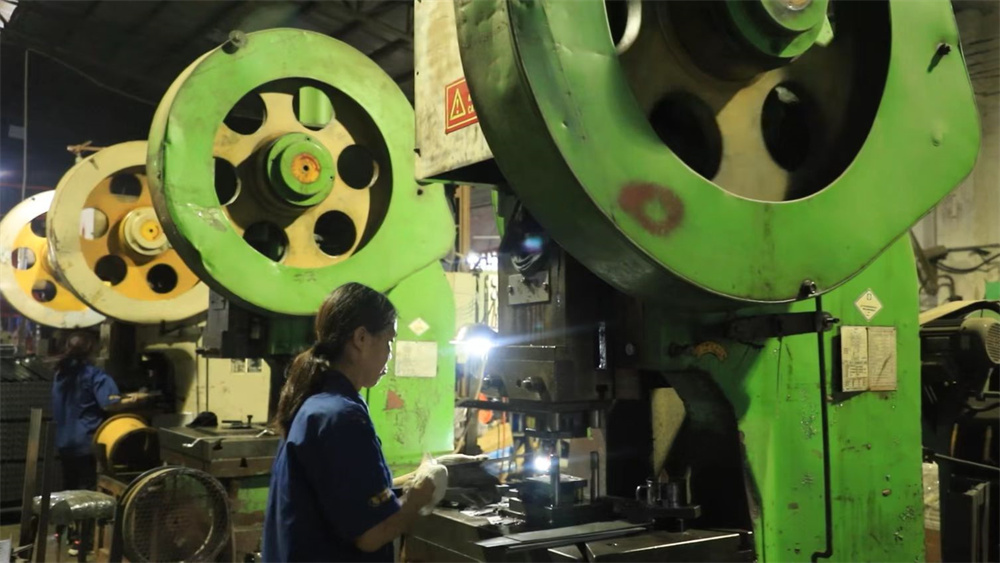
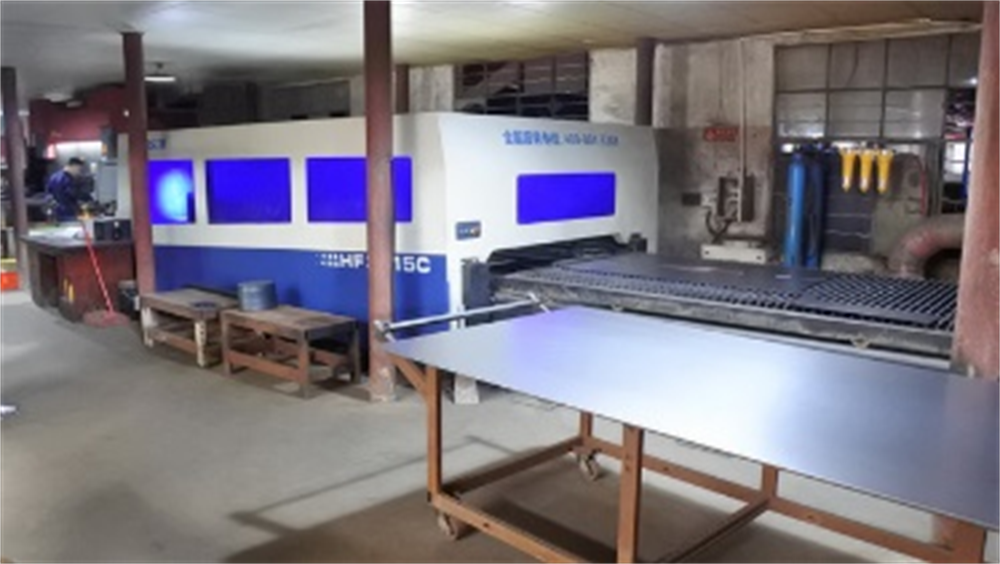
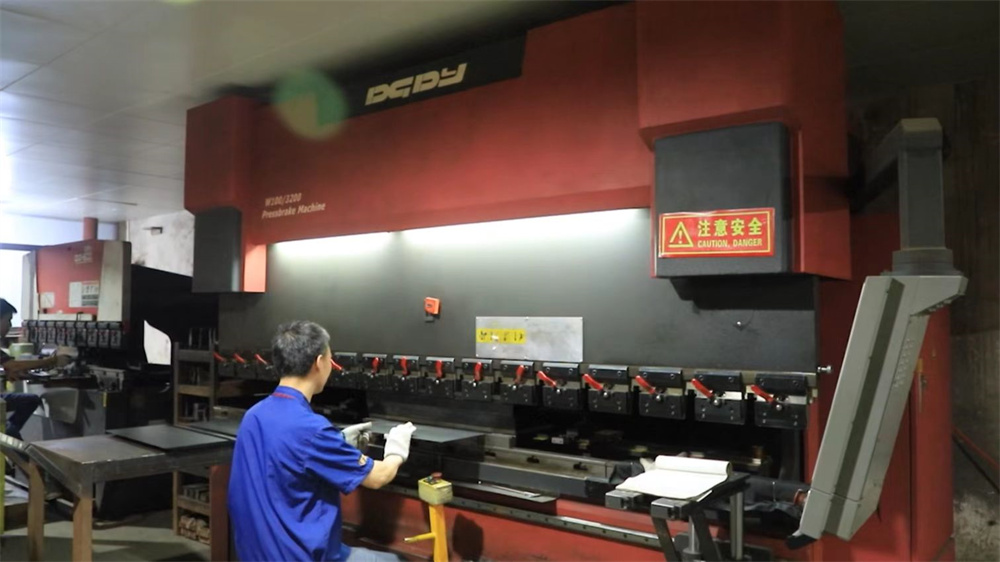
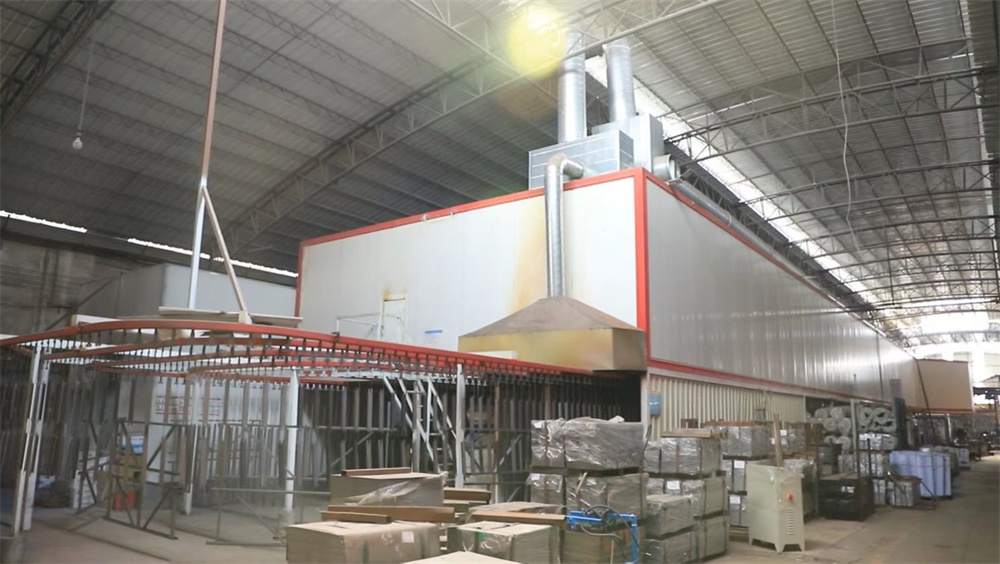
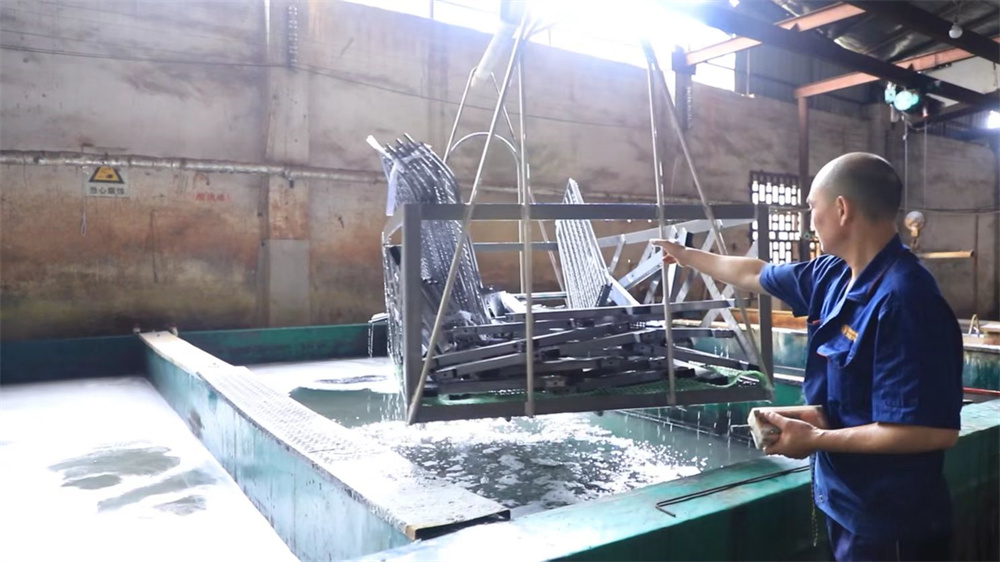
Our vertically integrated manufacturing pipeline ensures full traceability and structural accuracy at every stage of production. Below is the step-by-step industrial process utilized within our Shenzhen factory to build top-tier heavy-duty drive-in storage racking:
As the warehousing industry approaches Industry 4.0 integration, standard drive-in storage racking is evolving to meet the demands of automation. The reliance on manual forklift operators inside tight drive-in bays poses minor collision risks and limits retrieval speeds. As a result, global procurement strategies are shifting towards a hybrid future.
The core of our technology roadmap focuses on transitioning standard drive-in frames into Radio Shuttle Racking Systems. In this configuration, automated shuttle carts carry pallets along the rails, eliminating the need for forklifts to enter the racking lanes. This modification significantly improves safety, increases throughput speeds, and allows the systems to transition from LIFO to FIFO (First-In, First-Out) operations.
Furthermore, our engineering team is designing racks compatible with Automated Guided Vehicles (AGVs) and Autonomous Mobile Robots (AMRs). Using precise laser-guided layouts, our modern upright configurations accommodate robotic loading vehicles. This automation trend allows large enterprise logistics operations to scale vertical space utilization while reducing operational overhead.
For enterprise purchasing directors, structural failure is the ultimate hazard. A collapse in a high-density drive-in storage system can disrupt supply chains and lead to severe financial losses. To mitigate these risks, Shenzhen Runda implements a strict QA/QC testing protocol from the mill to final delivery:
Our verification process includes three main phases:
We also integrate passive safety features into our drive-in storage systems, including heavy-duty floor-mounted column guards, visual guide rails, and custom structural backstops. These accessories absorb forklift impacts, protecting the uprights from structural damage.
 Runda Racking