Explore our heavy-duty warehouse shelving, display racks, and point-of-sale checkout systems engineered to maximize space efficiency and workflow productivity.
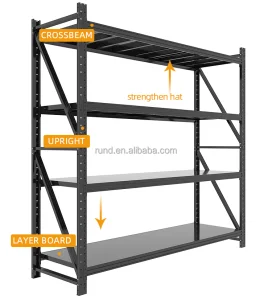
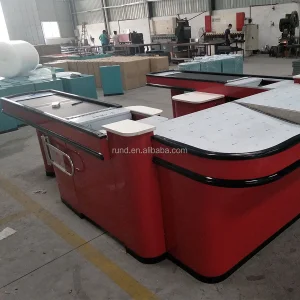
An in-depth analysis of structural integrity, logistics integration, and material engineering in global material handling networks.
In the modern industrial landscape, steel containers, heavy-duty racking, and structural metal shelving serve as the primary physical architecture for supply chains. Across North America, Western Europe, and rapidly expanding Asian logistics markets, the demand for high-strength steel storage solutions is scaling exponentially. The growth of third-party logistics (3PL), e-commerce fulfillment hubs, and automated storage and retrieval systems (AS/RS) requires structural components that can withstand extreme static load-bearing thresholds while operating continuously.
Industrial-grade storage equipment is no longer viewed as simple steel shelving. Today's facilities require structural load optimization, seismic resistance engineering, and advanced metallurgy (such as Q235 and high-tensile cold-rolled steel). Heavy-duty racks must be engineered to prevent structural fatigue, micro-cracks under load, and progressive collapse, making high-quality material sourcing and precise manufacturing tolerances essential.
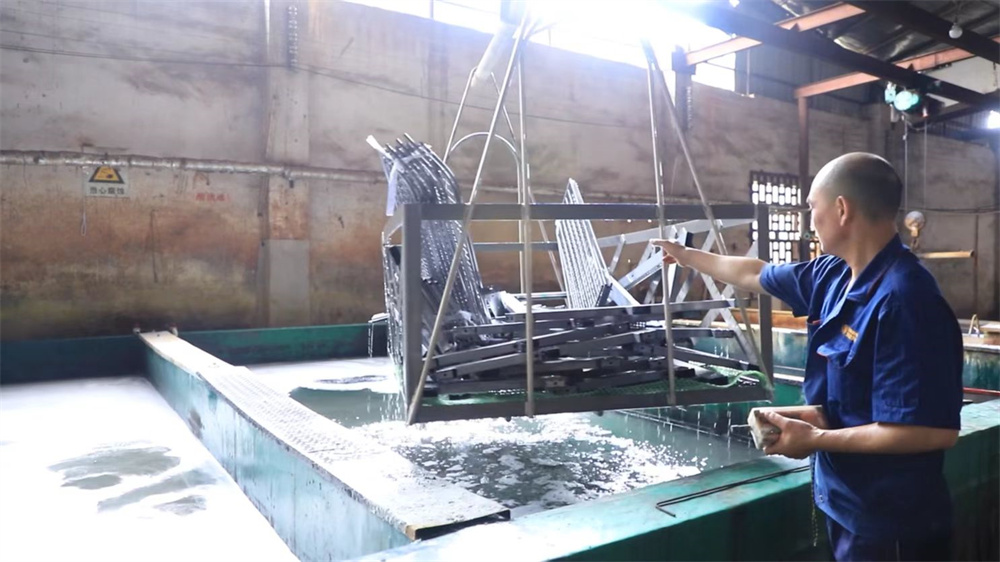
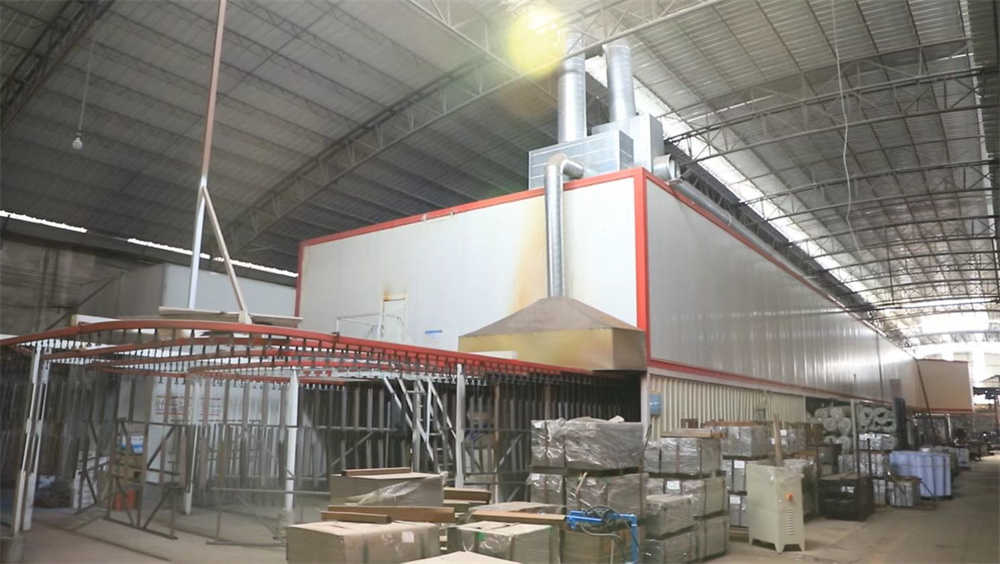
Industrial storage environments subject metal shelving to diverse environmental stressors. From temperature-controlled food cold chain warehouses to heavy manufacturing facilities exposed to humidity and chemicals, corrosion protection is critical for long-term safety and asset lifecycles. High-grade electrostatic thermosetting powder coatings and hot-dip galvanization are the industry standard for preventing oxidation and structural degradation.
Furthermore, structural integrity relies heavily on the quality of base raw materials. Utilizing certified steel and maintaining strict quality control over bending, welding, and surface treatments ensures that storage systems do not deflect beyond standard limits (often L/240 or L/300) when loaded to maximum capacity, preserving structural integrity for decades of industrial operation.
A B2B Leader in Industrial Storage, Racking Systems, and Global OEM/ODM Engineering Solutions.
Established in 2015, Shenzhen Runda Racking Manufacturing Co., Ltd. is a premier manufacturer specializing in heavy-duty industrial shelving, storage racks, and high-density warehouse storage systems. With over 11 years of deep industry expertise and 9 years of active global export experience, we deliver engineered, load-bearing racking systems to logistics hubs, distribution centers, and retail operations worldwide.
Operating from a modern 35,000 square meter production facility, our operations are integrated with a robust network of over 1,200 trusted supply chain partners. This enables us to maintain raw material consistency and achieve an annual export turnover of $28 million. Our primary markets span North America, Western Europe, Southeast Asia, and the Middle East, serving industrial distributors, large-scale 3PL operators, and direct enterprise buyers.
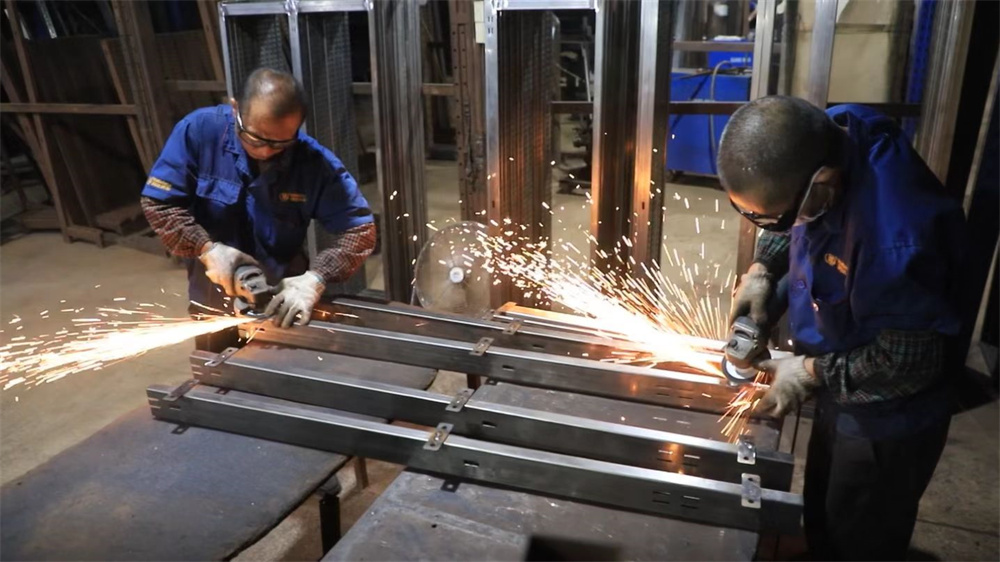
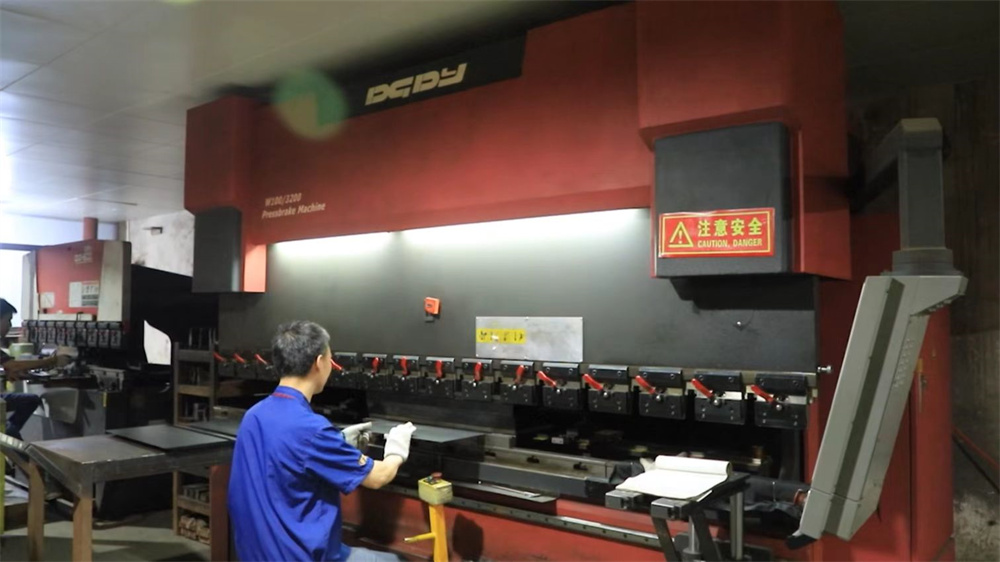
Quality control is central to our production philosophy. We maintain strict control through full-process sampling inspection, raw material stress testing, and load-bearing verification, managed by a dedicated team of 35 QC professionals. Our engineering and design team, comprising 18 experienced R&D engineers, works continuously to optimize structural efficiency, releasing over 120 upgraded storage products annually.
We offer comprehensive OEM/ODM services, including custom load capacity configurations, tailored spatial layouts, specialized corrosion-resistant powder coatings, and seismic structural designs. Our international trade team ensures end-to-end service, from technical site layout design to reliable global shipment execution.
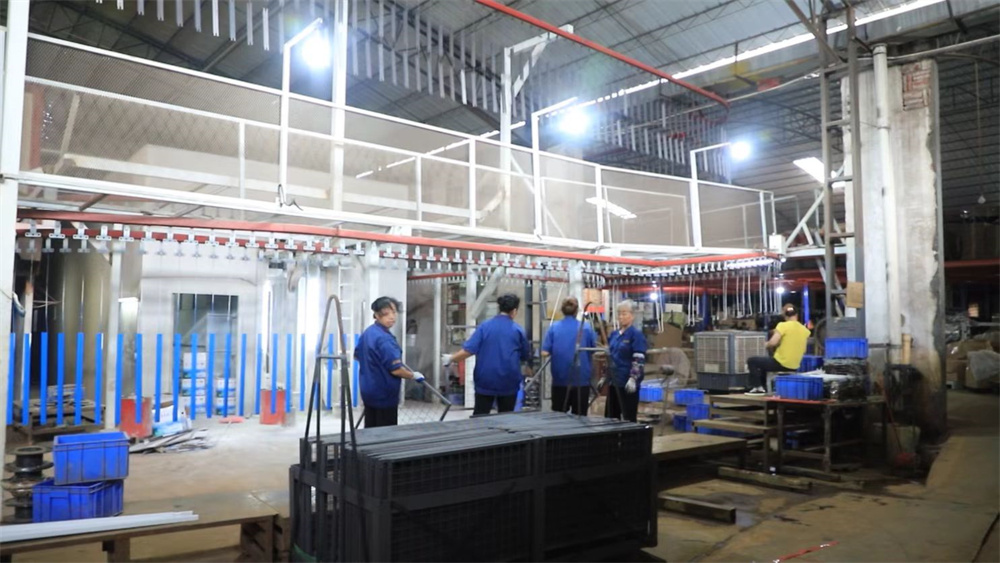
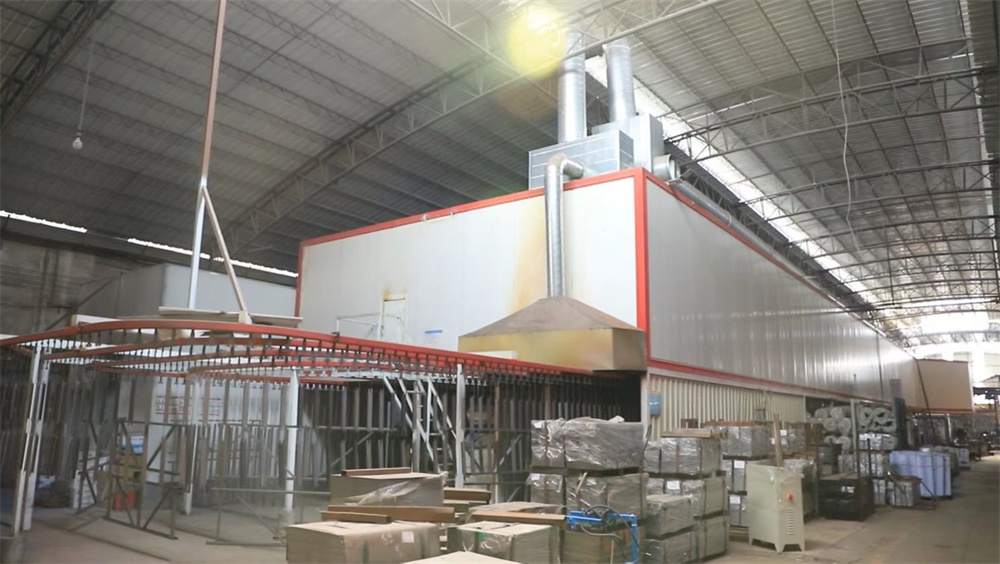
Our vertically integrated facility utilizes automated machinery and strict testing protocols to ensure high structural consistency and reliability.
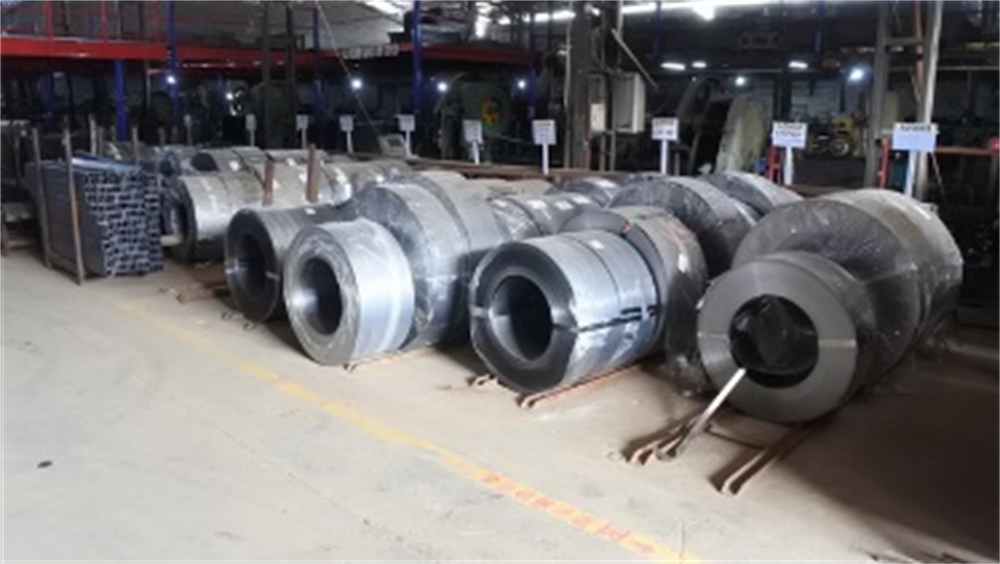
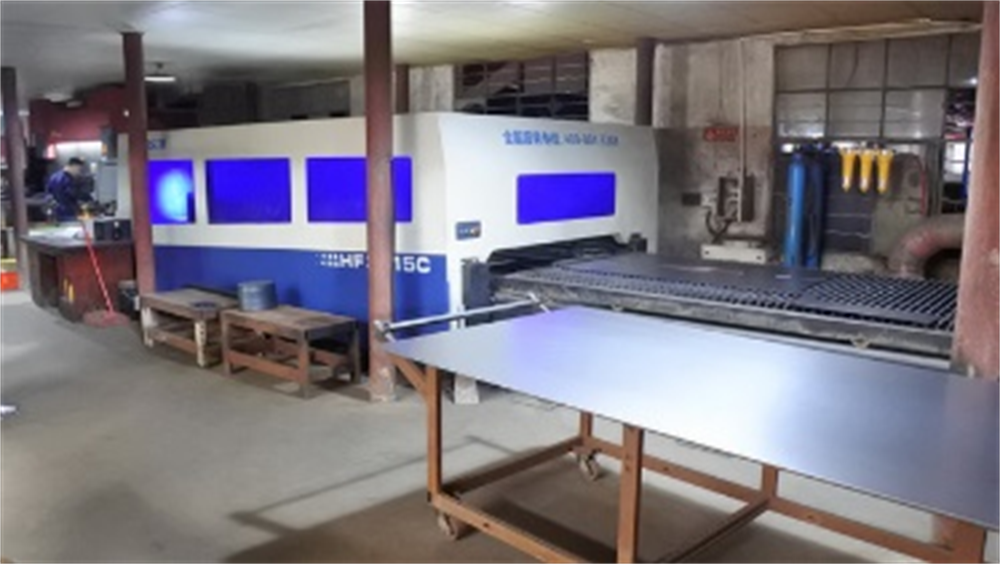
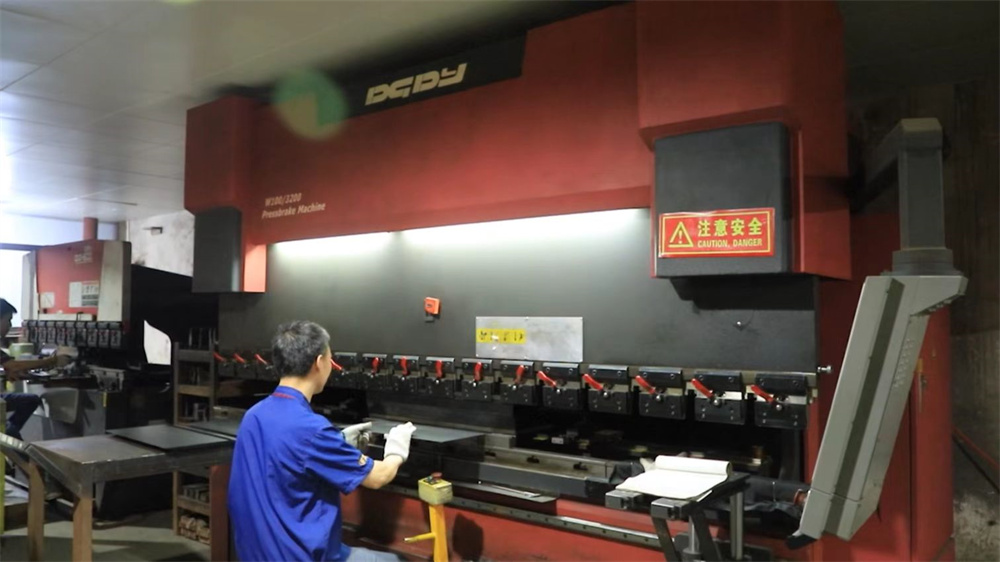
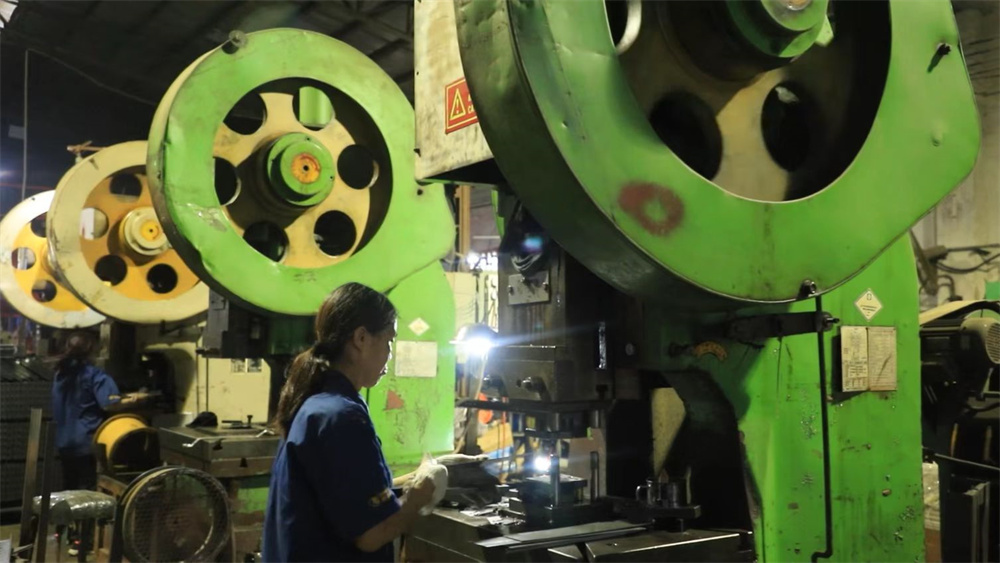
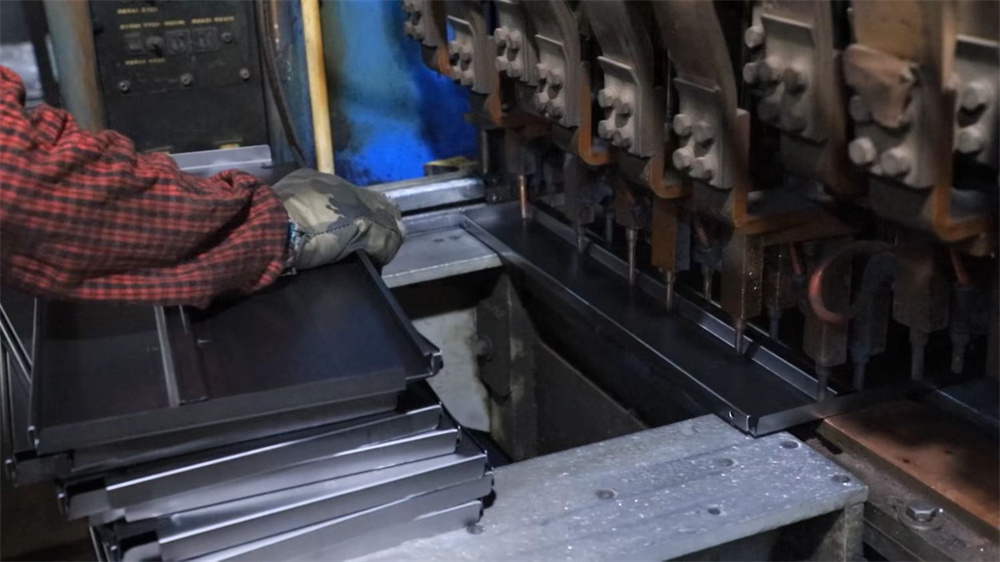
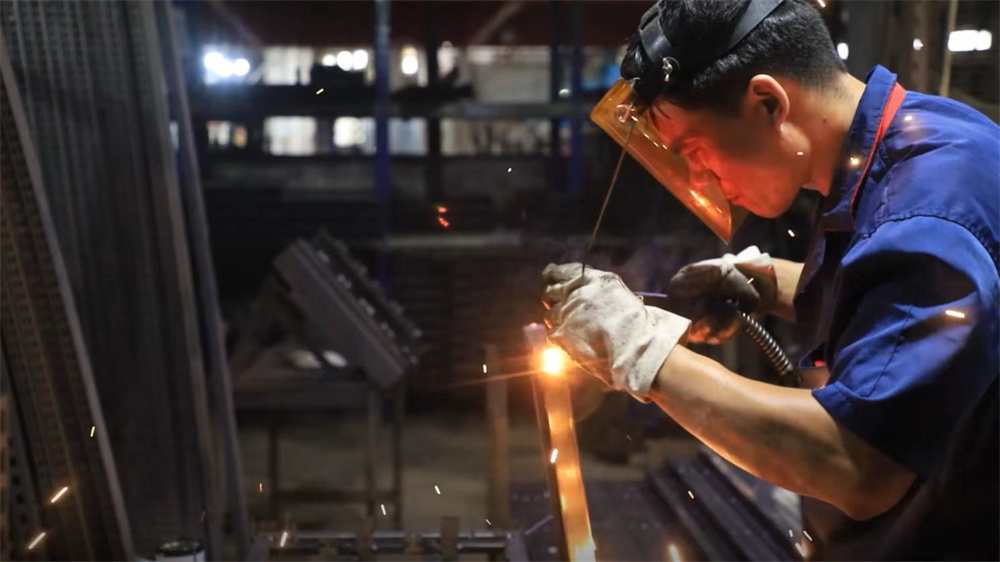
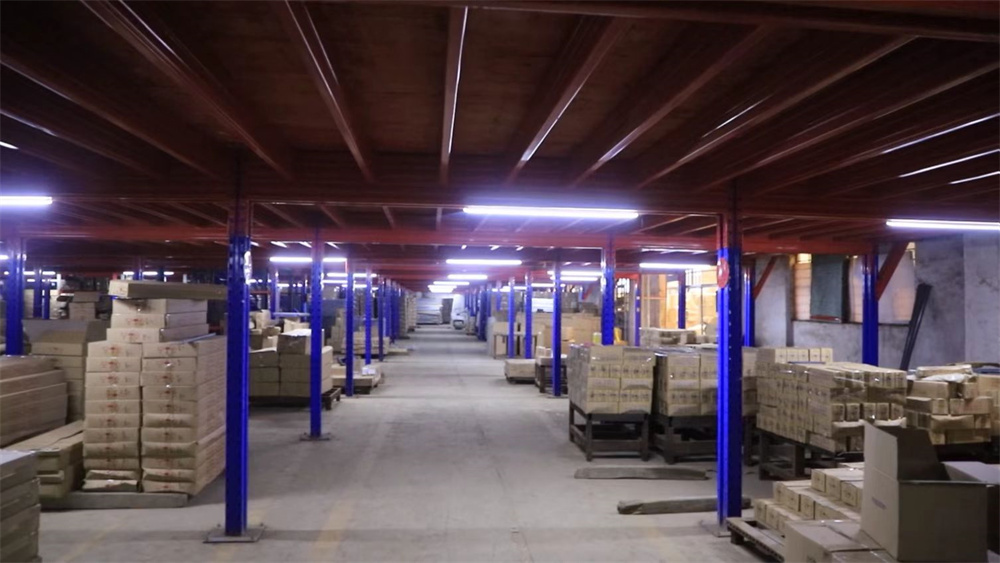
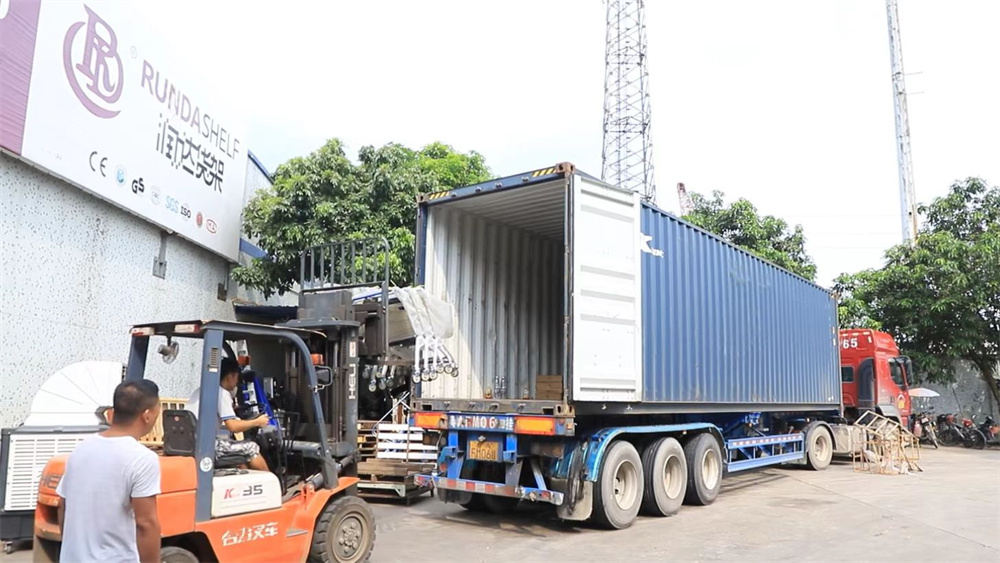
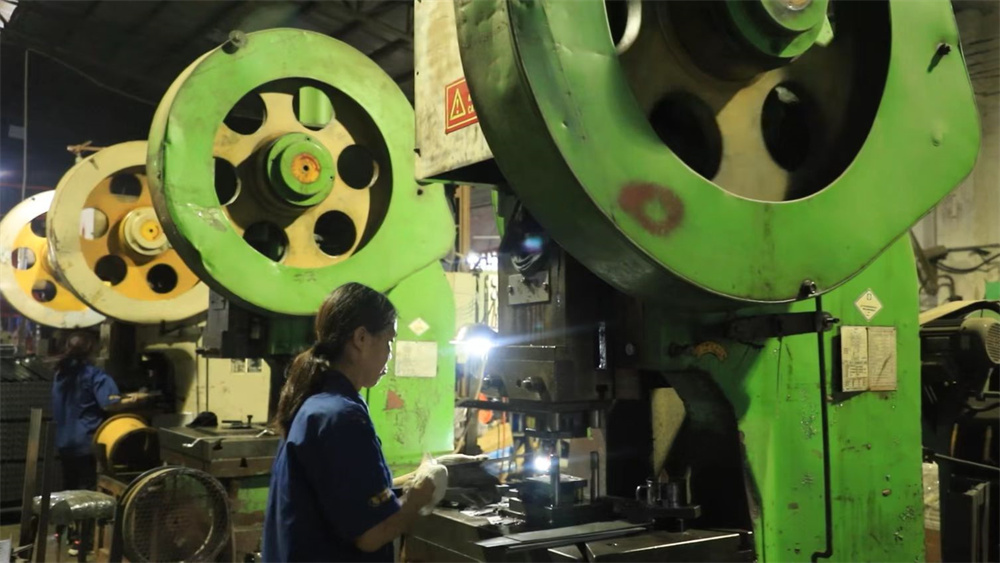
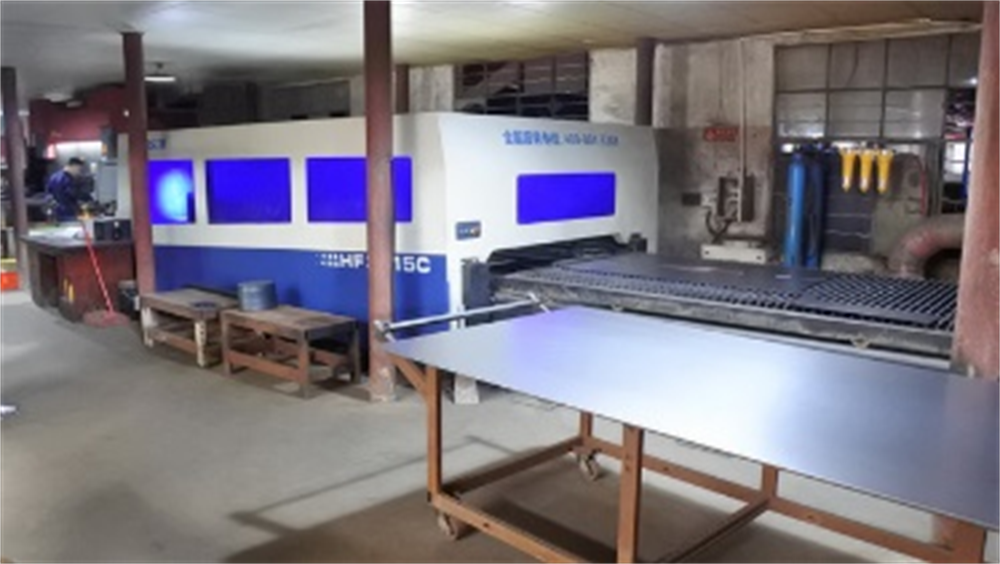
Why domestic industrial clusters and advanced metallurgy provide a clear cost-to-performance advantage.
China's position as a major producer of structural steel provides global buyers with structural cost advantages. Factories located in major industrial hubs, such as Shenzhen and surrounding Guangdong manufacturing clusters, have direct access to local hot-rolled and cold-rolled steel mills. This proximity reduces transport-related raw material costs and ensures stable lead times, even during volatile global market cycles.
Additionally, the close integration of stamping, roll-forming, tooling, and powder-coating suppliers within the same region allows manufacturers like Runda to scale production rapidly. When custom structural components are required, tool and die modifications can be executed in days rather than weeks, accelerating project delivery schedules.
Every logistics hub has unique structural challenges, ranging from floor slab load capacities to local building codes and seismic zones. China's top steel container and shelving factories offer comprehensive engineering design support, analyzing rack layouts, vertical bay configurations, and seismic base plate anchorage.
By utilizing finite element analysis (FEA) models, engineers simulate loading patterns to optimize structural steel usage. This prevents over-engineering and controls material costs, while ensuring safety margins (typically a factor of safety between 1.5 and 1.8) that comply with international standards like RMI (Rack Manufacturers Institute) and EN standards.
Adapting storage systems to specific industry environments, from heavy manufacturing to retail hypermarkets.
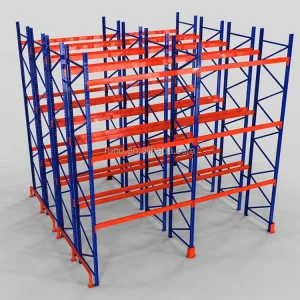
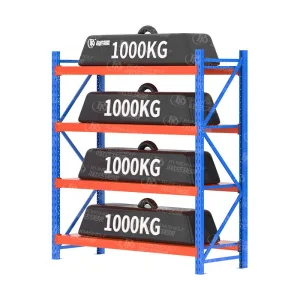
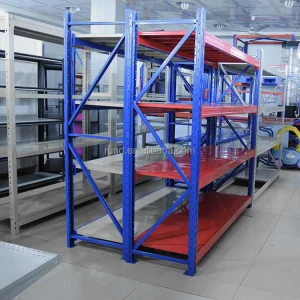
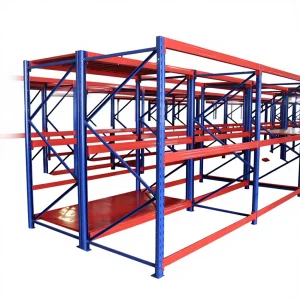
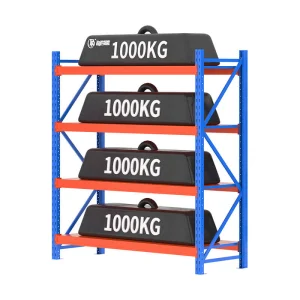
High-density selective pallet racking and cantilever racks are critical for heavy manufacturing and 3PL operations. These facilities require systems capable of holding load units exceeding 1,000kg per beam level, with clear accessibility for reach trucks, order pickers, and VNA (Very Narrow Aisle) equipment.
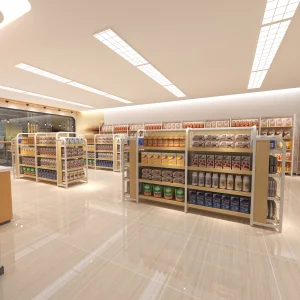
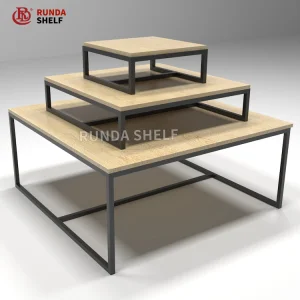
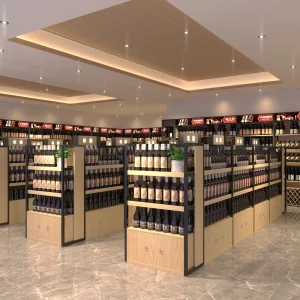
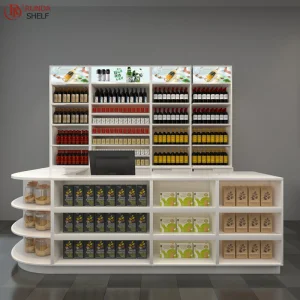
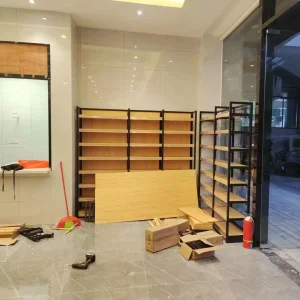
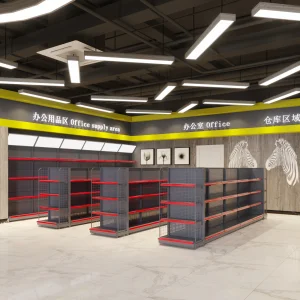
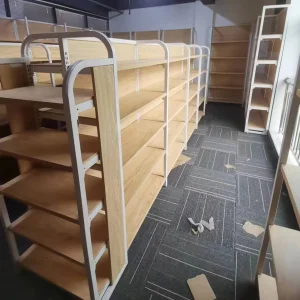
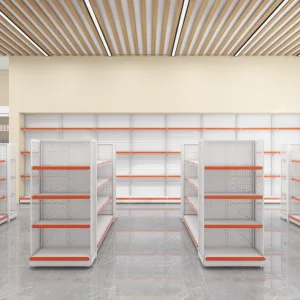
Hypermarket shelving and display racks combine heavy-duty load support with clean aesthetics. Using steel-and-wood hybrid structures and modular shelving, retail brands can present heavy products (like red wine displays or canned goods) in high-traffic customer zones while maintaining structural safety.
As automation scales globally, racks serve as the structural framework for crane guides, conveyor modules, and automated shuttle systems. This application demands strict fabrication tolerances (+/- 1mm or 2mm deviation limits) to prevent system interference, requiring advanced CNC machining and precise welding.
Evaluating how global manufacturing trends influence B2B procurement choices and product engineering.
Global environmental standards increasingly regulate VOC (volatile organic compound) emissions in manufacturing. Modern powder coating lines use solvent-free, epoxy-polyester powder chemistries that generate zero waste by reclaiming overspray. Additionally, steel remains one of the most recyclable industrial materials, helping enterprise buyers meet ESG (Environmental, Social, and Governance) targets.
Modern facilities prioritize work safety, leading to stricter enforcement of racking compliance codes. Features like boltless connections with safety locks, impact column protectors, row spacers, and wire mesh decking prevent forklift-induced rack collapse and protect personnel in high-traffic work environments.
Insights on structural specifications, quality assurance, and international logistics execution.
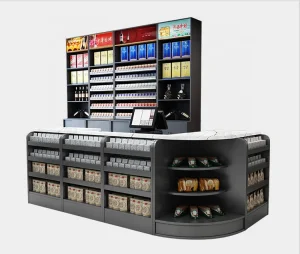
Explore our heavy-duty warehouse equipment, boutique display shelving, and modular convenience store rack collections.
 Runda Racking