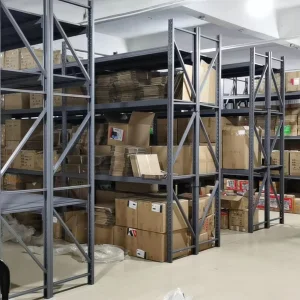
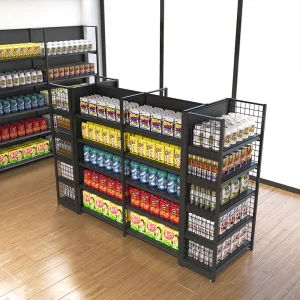
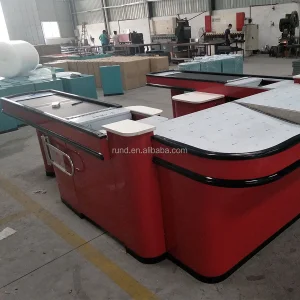
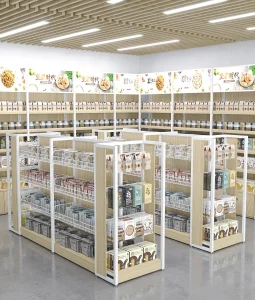
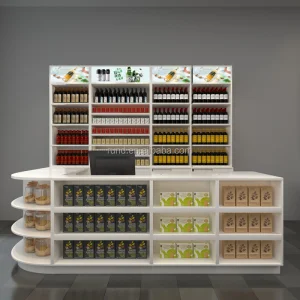
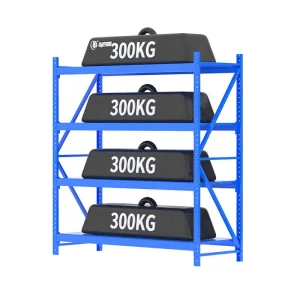
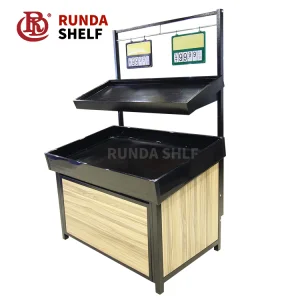
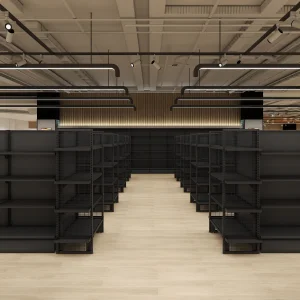
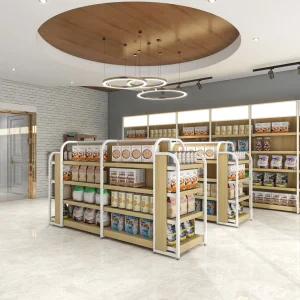
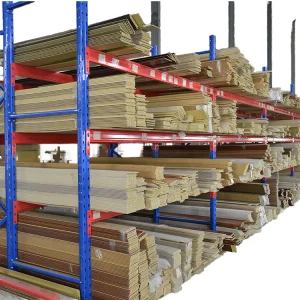
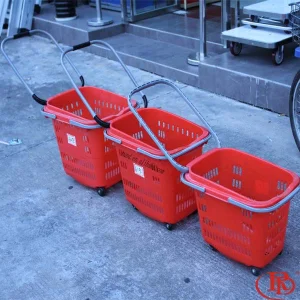
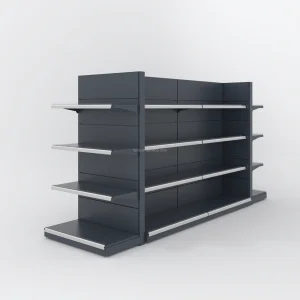
High-capacity structural configurations designed to maximize footprint storage efficiency and retail merchandising flow.
The global warehousing landscape is undergoing a paradigm shift. With the explosive rise of multi-channel e-commerce, localized supply chain nodes, and third-party logistics (3PL) expansions, industrial space optimization has transitioned from a basic functional requirement to a critical business driver. Heavy-lift racking systems represent the structural backbone of this transformation, providing the vertical leverage necessary to maximize high-density storage footprint efficiency.
Modern supply networks demand systems capable of safely supporting heavier capacities under increasingly dynamic warehouse conditions. Procurement directors are no longer looking for mere steel frames; they require verified load-bearing performance, compliance with stringent regional design norms, and seamless compatibility with automated material handling technologies (such as AGVs, AMRs, and automated storage and retrieval systems - ASRS). Sourcing from reliable manufacturing centers, particularly high-scale Chinese industrial bases, has become the primary mechanism to balance engineering compliance with cost efficiency.
Global logistics hubs face significant operational pressures. Our recent data points to three main pillars of interest for enterprise procurement teams:
Established in 2015, Shenzhen Runda Racking Manufacturing Co., Ltd. is a premier manufacturer specializing in heavy-duty industrial shelving and high-density warehouse storage solutions. With over 11 years of deep industry expertise and 9 years of active global export experience, we deliver tailored racking systems to logistics hubs, distribution centers, and manufacturing plants worldwide.
Operating from a modern 35,000 square meter production facility, our operations are powered by a robust network of over 1,200 trusted supply chain partners. This enables us to achieve an annual export turnover of $28 million. Our primary markets span North America, Western Europe, Southeast Asia, and the Middle East, where we proudly serve industrial distributors, large-scale third-party logistics (3PL) operators, and direct enterprise buyers.
Quality and innovation drive our core philosophy. We maintain strict quality control through full-process sampling inspection, raw material stress testing, and load-bearing verification, backed by a dedicated team of 35 QC professionals. Innovation is led by our 18 experienced R&D engineers who continuously refine structural efficiency—releasing over 120 new and upgraded storage products last year alone.
We offer comprehensive OEM/ODM and full custom manufacturing services, including tailored load capacities, custom dimensions, corrosion-resistant powder coatings, and specialized seismic structural designs. Supported by our experienced international trade background, Shenzhen Runda provides seamless end-to-end service, from technical layout design to reliable global shipment execution.
Key technical vectors determining how structural racking systems are specified, deployed, and scaled in 2025 and beyond.
As warehouse heights grow, dynamic seismic design shifts from a minor zoning requirement to a major safety imperative. System designs must calculate horizontal loads under peak capacity to ensure safety factors match or exceed regional specifications (such as FEMA or AS4084 guidelines).
Cold-chain fulfillment demands space density due to the high energy costs of low-temperature environments. Standard steels become brittle at sub-zero temperatures. Manufacturers must utilize specific grade certifications and specialized epoxy coatings to prevent surface oxidation and structural failure.
Traditional tolerances do not meet the precision requirements of robotic storage cranes and shuttle systems. Automation-ready racking demands millimeter-level tolerances in beam deflection, upright straightness, and rail alignment to prevent system collisions and sensor faults.
Our manufacturing facility utilizes advanced production machinery, rigorous process controls, and specialized raw materials to ensure that every structural run matches international performance baselines. The flow below represents our dedicated manufacturing pathway from raw sheet coil to secure global container loading.
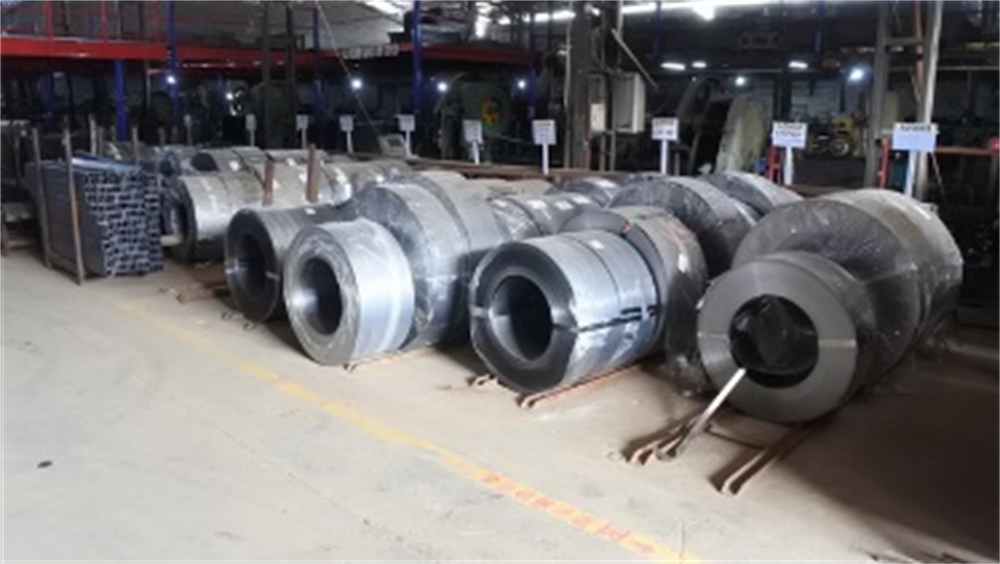
High-tensile Q235B steel coils undergo initial thickness checks and metallurgical structural analysis.
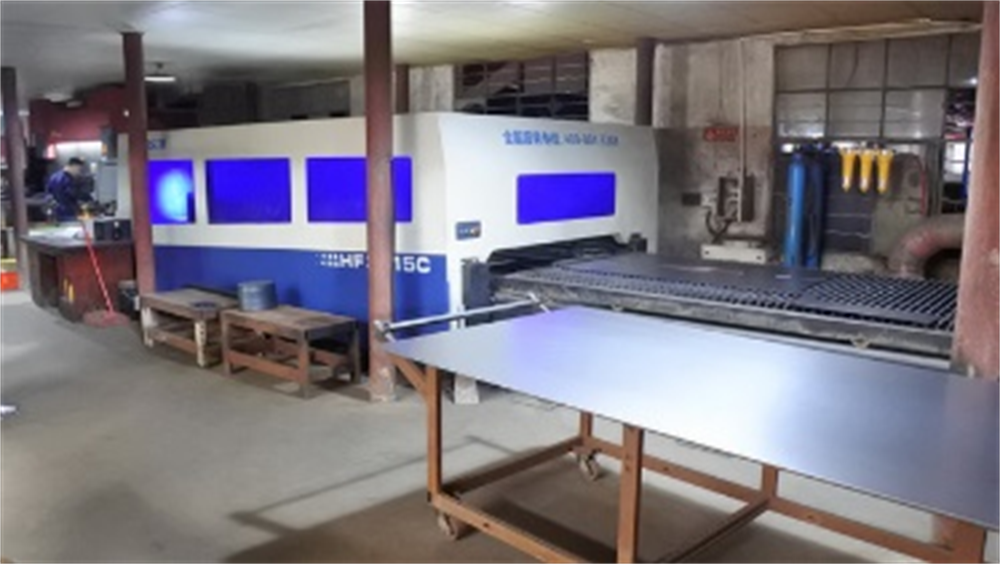
Precision fiber lasers cut steel sheets down to exact dimensions, eliminating thermal stress lines.
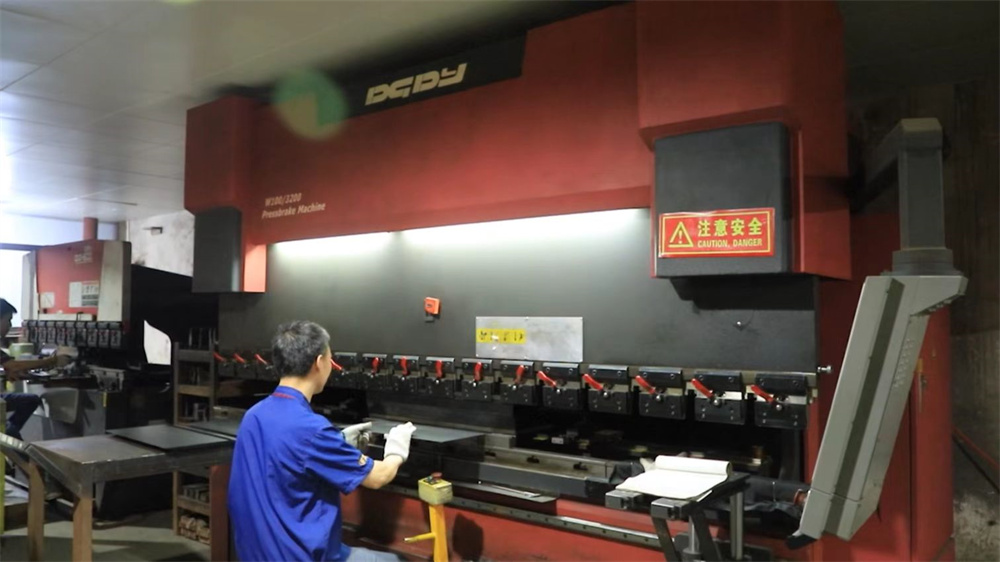
Heavy CNC press brakes shape structural uprights and box beams with repeatable angle tolerances.
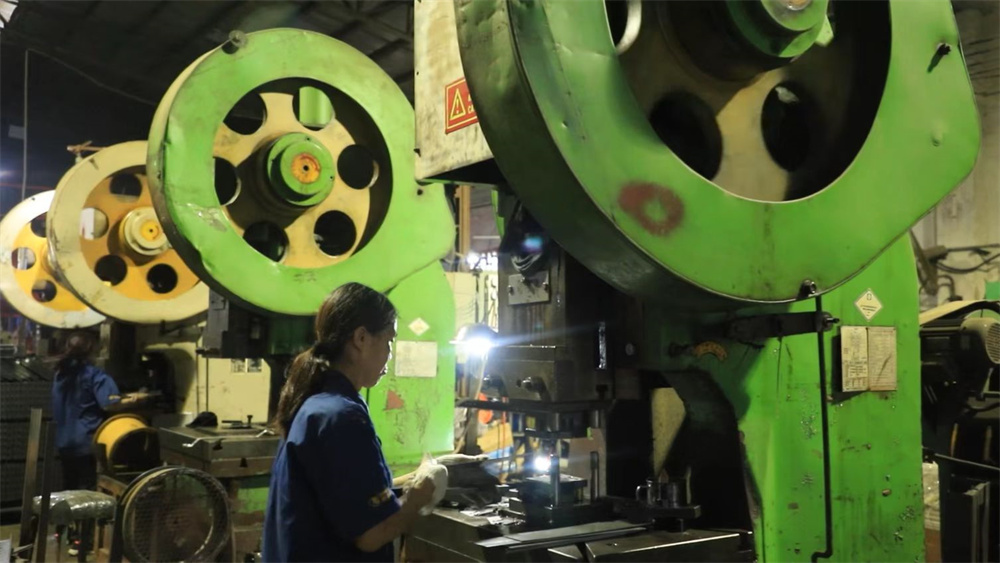
High-speed mechanical presses stamp connection points along the upright profiles.
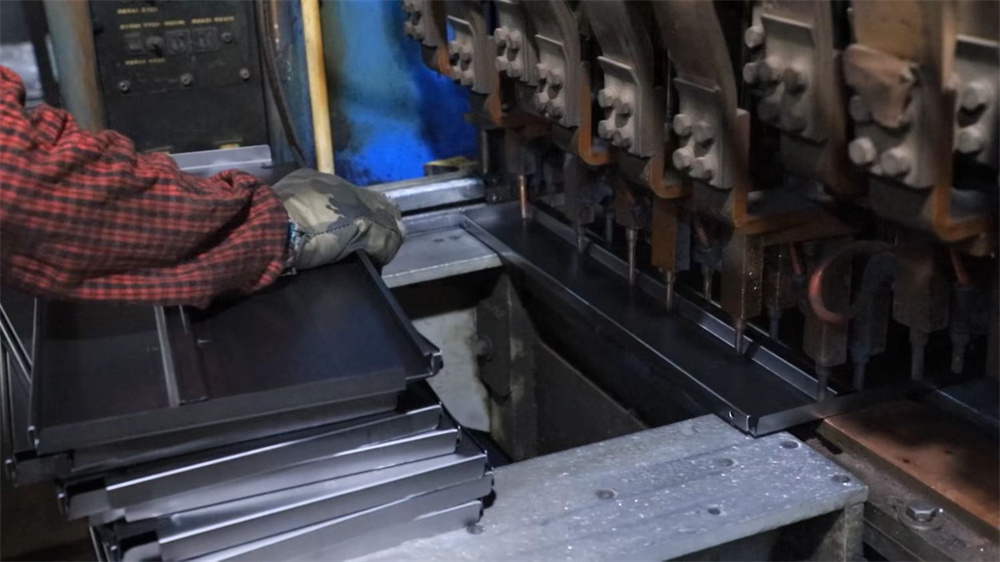
Secondary components like baseplates, row spacers, and safety locks are processed to clean finishes.
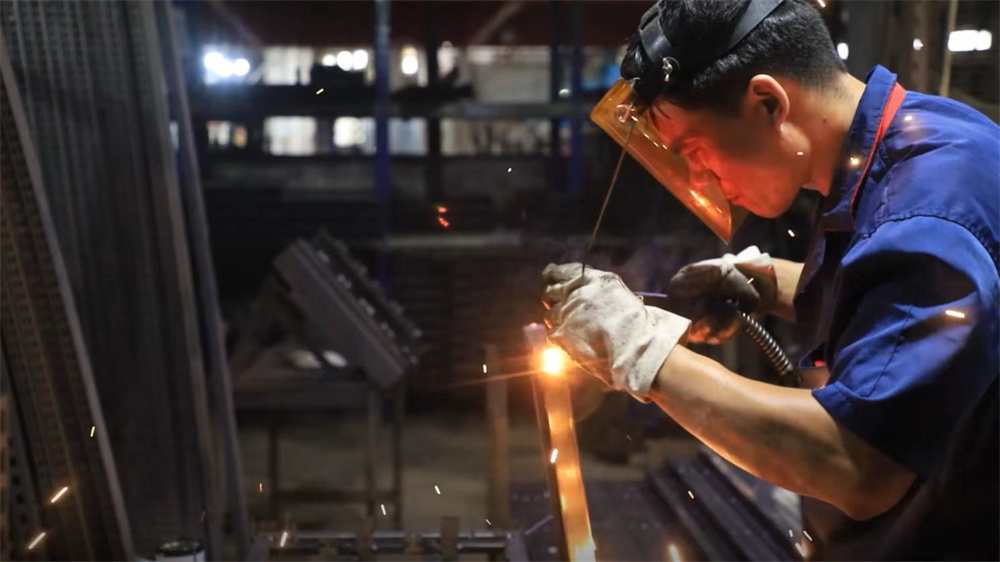
Robotic and manual MIG welding secures beam-to-connector assemblies and frame structural joints.
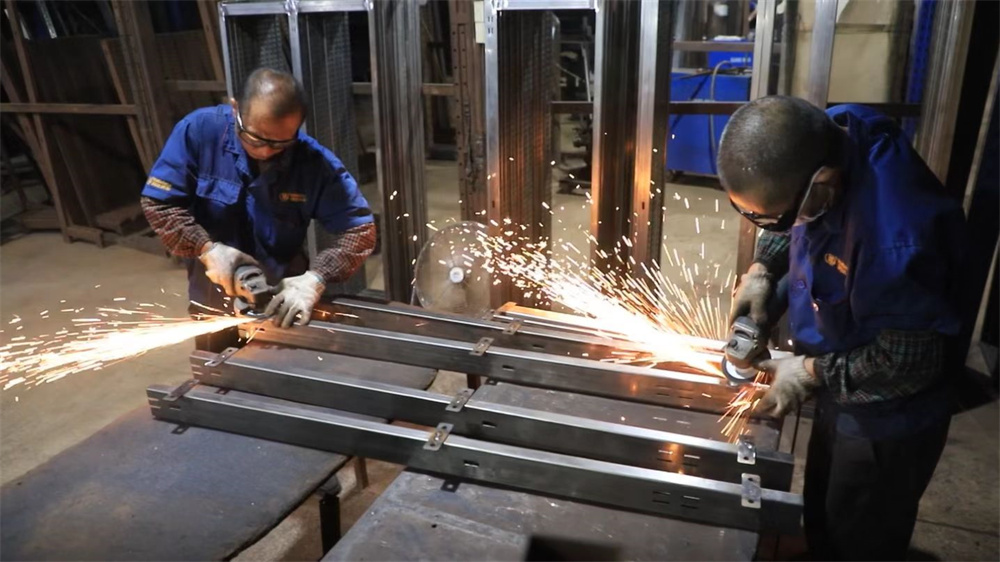
Post-weld slag is removed, smoothing down sharp edges to prepare metals for surface coating.
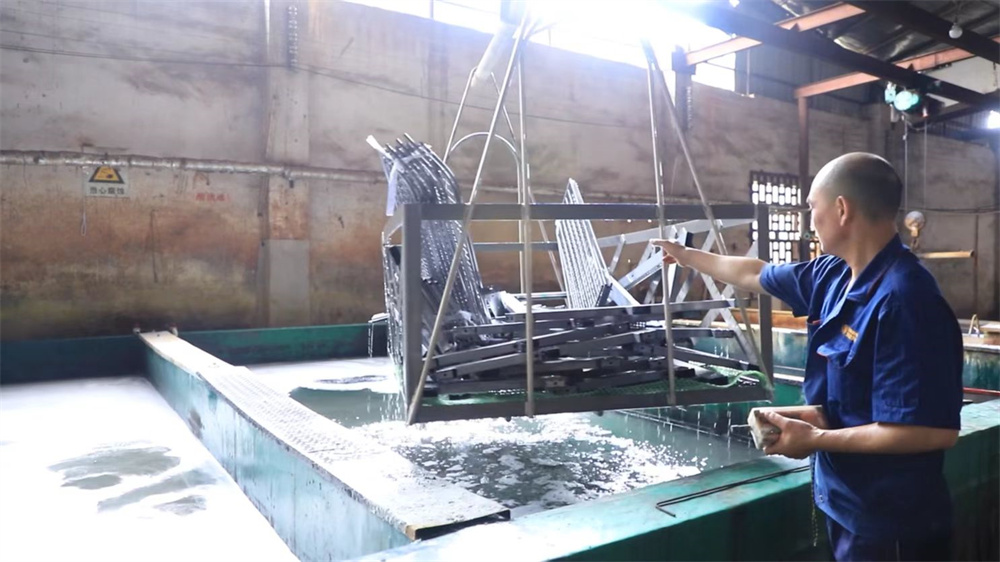
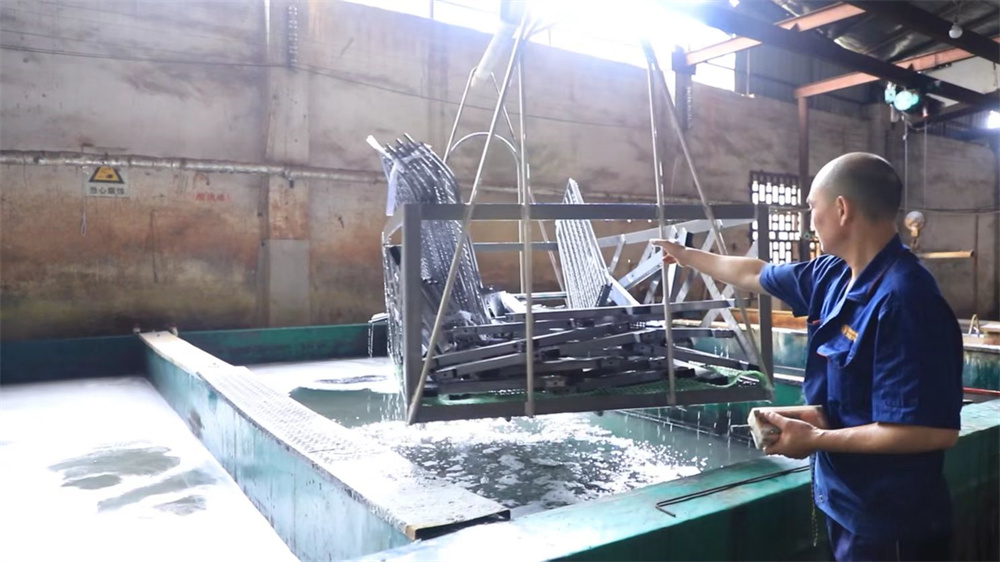
Acid washing and phosphate pre-treatment remove any trace oils, maximizing coating adhesion.
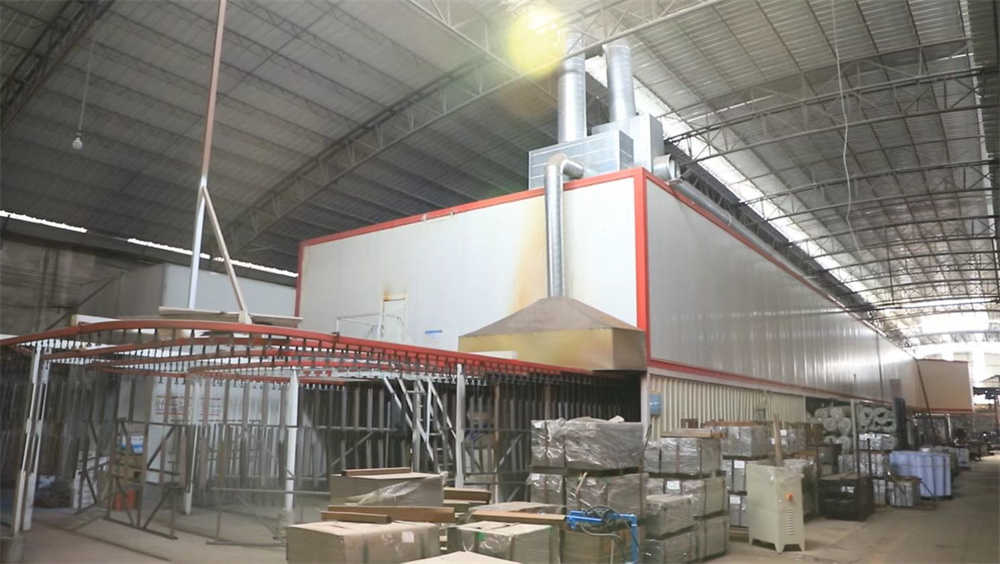
Electrostatic powder spray booths distribute an even, durable layer of epoxy-polyester paint.
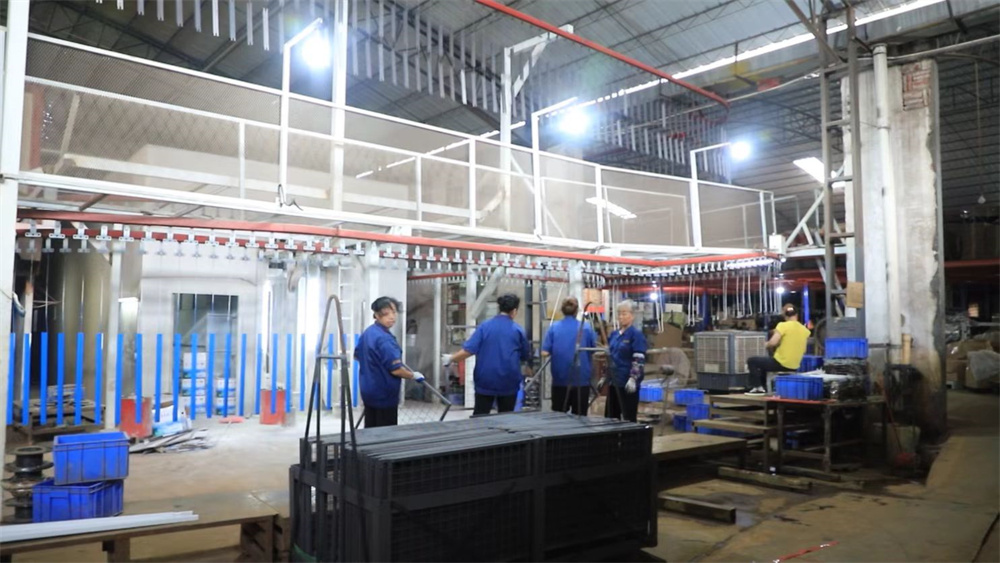
Quality Assurance testers verify film thickness, load-deflection ratios, and dimensional accuracy.
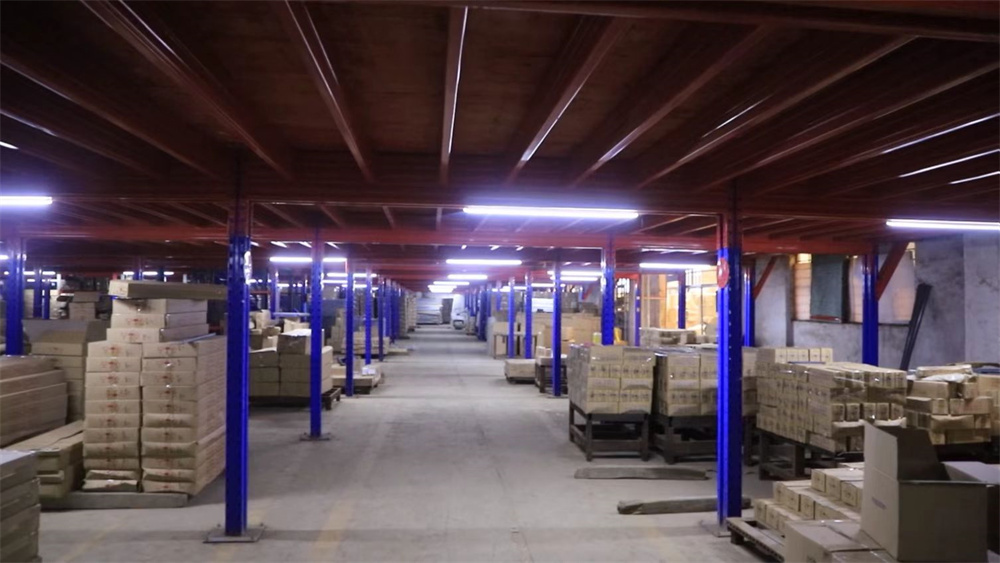
Completed racking components are cataloged and staged in our high-density shipping warehouse.
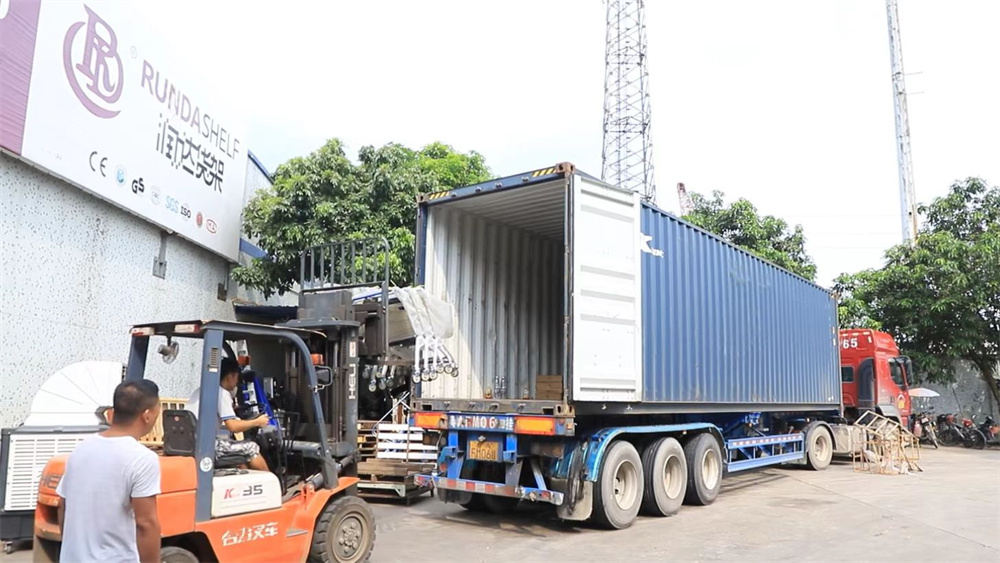
Systems are packed with protective bracing and loaded directly into containers for export.
The technological capability that guarantees consistent heavy-lift performance and volume throughput.
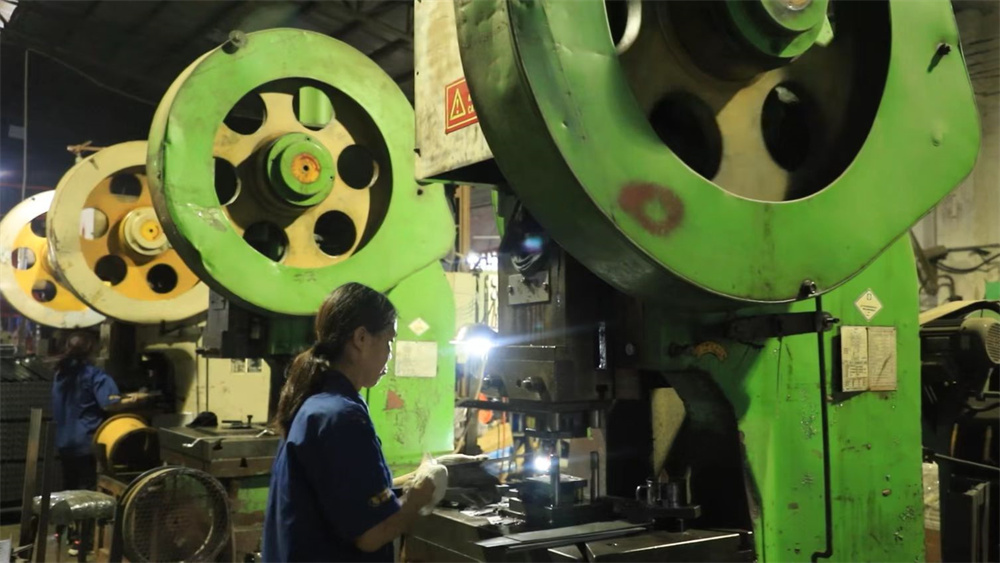
High-speed, automatic progressive die press lines that maintain layout pitch accuracy.
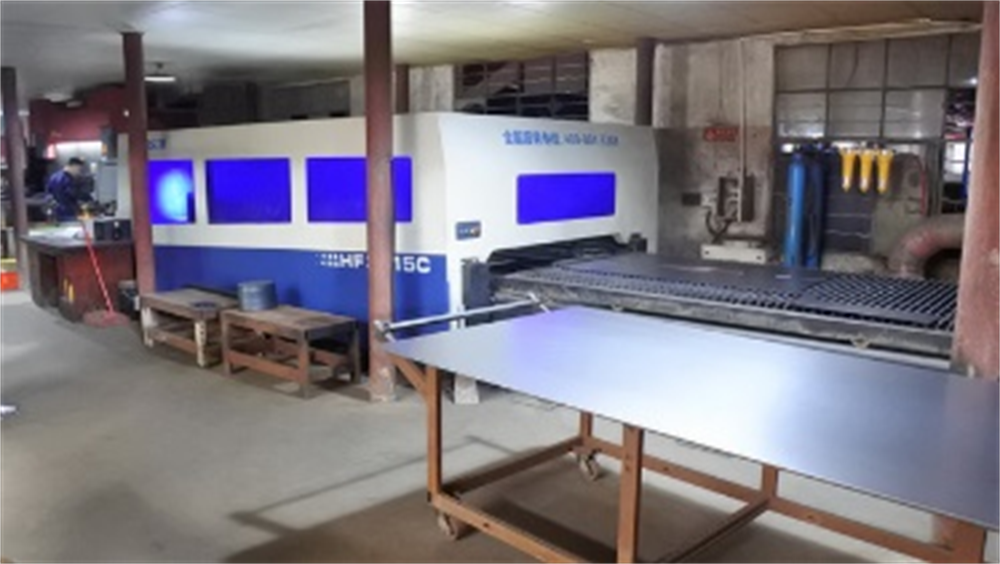
CNC lasers that process heavy plate steel to prepare clean connection flanges.
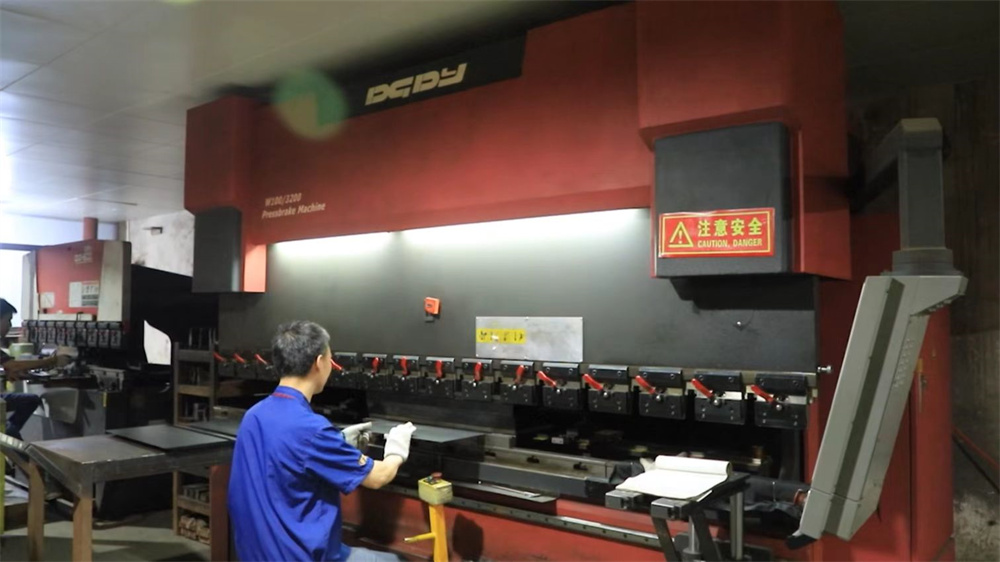
Ensuring uniform dimensional tolerances across all upright and support elements.
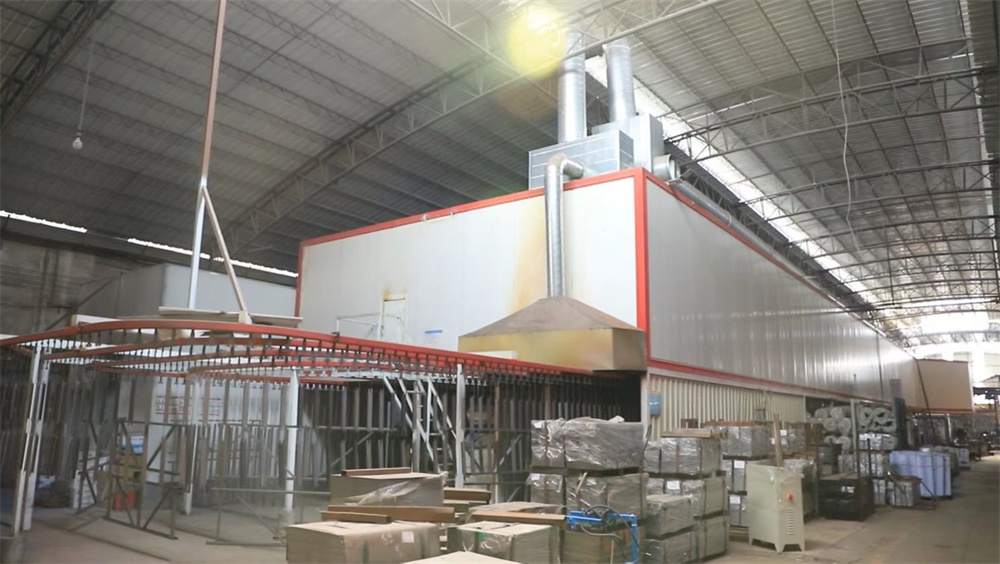
Multi-zone electrostatic powder paint lines with automated curing ovens.
Pre-assembly area where structural frames are joined and double-checked for alignment.
How our customized industrial rack variations map to specific vertical supply chain environments.
High-turnover distribution hubs require multi-level pallet storage systems configured for variable SKU sizes. Our adjustable, selective pallet designs allow forklift operators to access any pallet slot instantly, keeping cargo flow moving smoothly.
Heavy, concentrated parts like engines, chassis structures, and tires require specialized storage. Customized post-pallet and tire racking systems prevent rolling hazards and handle high point-load capacities without deformation.
Drive-in or mobile base layouts optimize cubic foot utilization, reducing refrigeration overhead. Low-temperature resistant steel avoids structural fatigue in extreme cold environments down to -30°C.
Industrial retail stores require display systems that combine customer-facing aesthetics with bulk storage capacities. Heavy-duty gondola and cash wrap systems offer load ratings that keep display spaces safe and organized.
Answers to common structural design and procurement questions from engineers, buyers, and project leads.
We primarily use high-grade Q235B and Q355B structural carbon steel. These materials are tested for yield strength and ductility, ensuring the cold-rolled profiles meet structural performance requirements under high-load conditions.
Our design process utilizes Finite Element Analysis (FEA) to simulate load distributions under varying configurations. Physical prototypes are tested using hydraulic load presses to confirm ultimate limits, and we follow international quality procedures backed by our 35-person Quality Control team.
Yes. Our engineering department customizes baseplate widths, anchor specifications, upright widths, and bracing patterns to meet regional seismic safety parameters, ensuring compliant structural integrity in earthquake-prone zones.
Standard runs take 20 to 30 days. Complex custom systems or large projects requiring specialized fabrication tooling may require 35 to 45 days, depending on materials and design approvals.
Components go through a multi-stage pre-treatment wash, followed by the application of an electrostatic epoxy-polyester powder coating. The parts are then cured in automated ovens at 200°C to create a smooth, impact-resistant, and corrosion-resistant finish.
We provide detailed 2D/3D layout drawings, component installation manuals, and load capacity plates for every shipment. We can also coordinate video consultations with our engineering team to support local construction and validation teams during installation.
Yes. Our design engineers configure warehouse layouts using CAD and structural design tools. We optimize space utilization based on your operational needs, using double-deep, drive-in, or push-back racking configurations.
Every component bundle is secured with heavy-duty metal strapping and wrapped in protective film. Exposed metal ends are fitted with cardboard protectors, and wood framing elements are used inside containers to prevent cargo shifting during ocean transit.
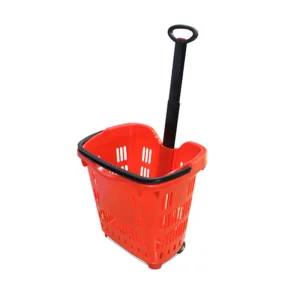
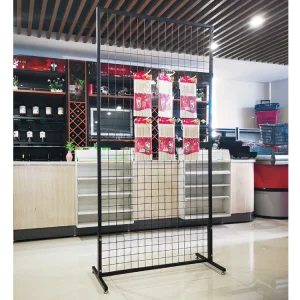
Flexible merchandising systems, utility display stands, and high-density material handling configurations.
 Runda Racking