Explore our top industrial solutions designed to maximize floor space, streamline materials handling, and ensure ultimate load-bearing security.
An analytical overview of structural mechanics, loading constraints, global demand shifts, and material design considerations.
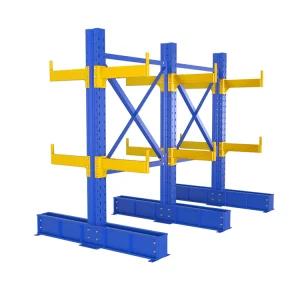
Unlike standard pallet racking systems that rely on restrictive front vertical frames, a cantilever racking system is engineered using single vertical columns with load-bearing arms extending outward. This configuration removes horizontal structural interruptions, creating a continuous front plane. This continuous design makes cantilever racking the industry benchmark for storing bulky, irregularly shaped, or excessively long loads, including structural lumber, steel pipes, plastic conduits, sheet metals, and heavy industrial machinery components.
Technical Focus: Moment and Stress Distribution. The physics of cantilever storage relies heavily on moment-force distribution ($M = F \times d$). The vertical upright acts as a rigid anchor point, while the extending arms must withstand significant bending stresses. To prevent structural failure or deformation, engineering teams calculate structural load deflection using custom formulas matched to the yield strength of the steel. In high-performance systems, arms are tapered slightly upward to compensate for natural deflection under maximum loads.
The choice of raw materials defines the load capacity limits of the system. Systems built with cold-rolled steel are cost-effective for light to medium-duty operations. In contrast, hot-rolled structural steel components are required for heavy-duty industrial storage. Systems made from hot-rolled steel structural members resist forklift impacts and offer far higher weight capacities—handling up to 5,000 kg per arm.
The demand for industrial warehouse cantilever systems is growing due to global investments in manufacturing, infrastructure, and automated supply chains. As urban land prices increase, industrial distributors are maximizing vertical space, which drives demand for tall, custom-engineered racking designs.
Globally, design and engineering safety are governed by strict regional standards. In North America, structural storage must align with the ANSI/RMI MH16.3 specification, which outlines testing protocols for cantilever structures. In Europe, the European Committee for Standardization enforces FEM 10.2.09, which governs design tolerances, structural safety limits, and dynamic load testing. Compliance with these specifications ensures that racking installations protect workers, reduce liability, and perform reliably under stress.
Traditional industrial storage systems are changing. The future of cantilever storage lies at the intersection of automation, IoT, and advanced material coatings:
Established in 2015, Shenzhen Runda Racking Manufacturing Co., Ltd. is a leading developer and exporter of industrial storage solutions. We maintain strict quality control from raw materials to final shipment.
Shenzhen Runda Racking Manufacturing Co., Ltd. specializes in heavy-duty industrial shelving, pallet racking, and high-density warehouse storage systems. With over 11 years of structural engineering experience and 9 years of global export activity, we deliver tailored racking solutions to logistics centers, heavy manufacturers, and wholesale suppliers worldwide.
Operating from our modern 35,000 square meter facility, our operations are backed by a network of over 1,200 trusted supply chain partners. This foundation supports an annual export volume of $28 million. Our primary markets span North America, Western Europe, Southeast Asia, and the Middle East, serving industrial distributors, third-party logistics (3PL) operators, and direct enterprise buyers.
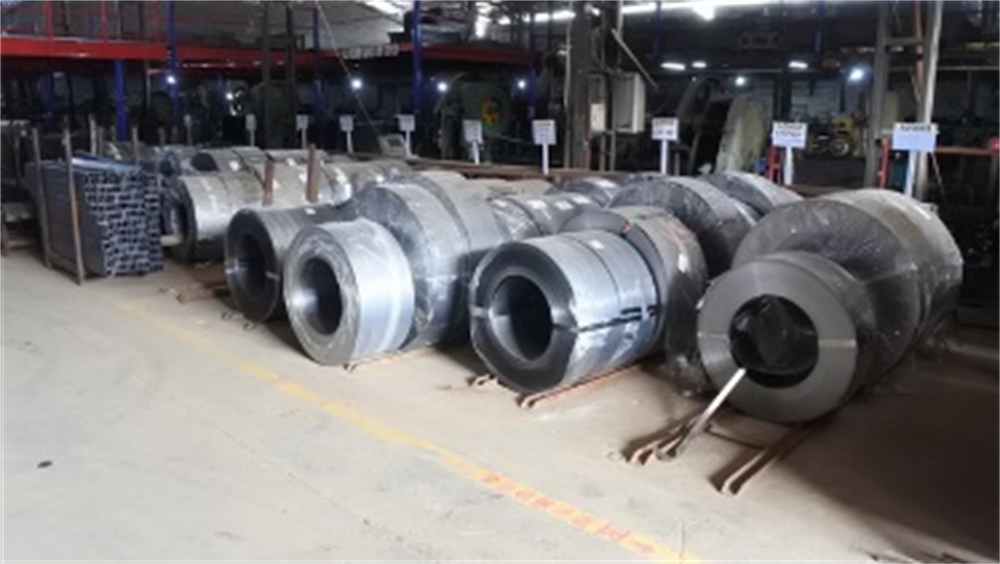
We source certified high-grade structural steel (Q235 & Q355 structural profiles) with verified carbon composition and mechanical yield testing.
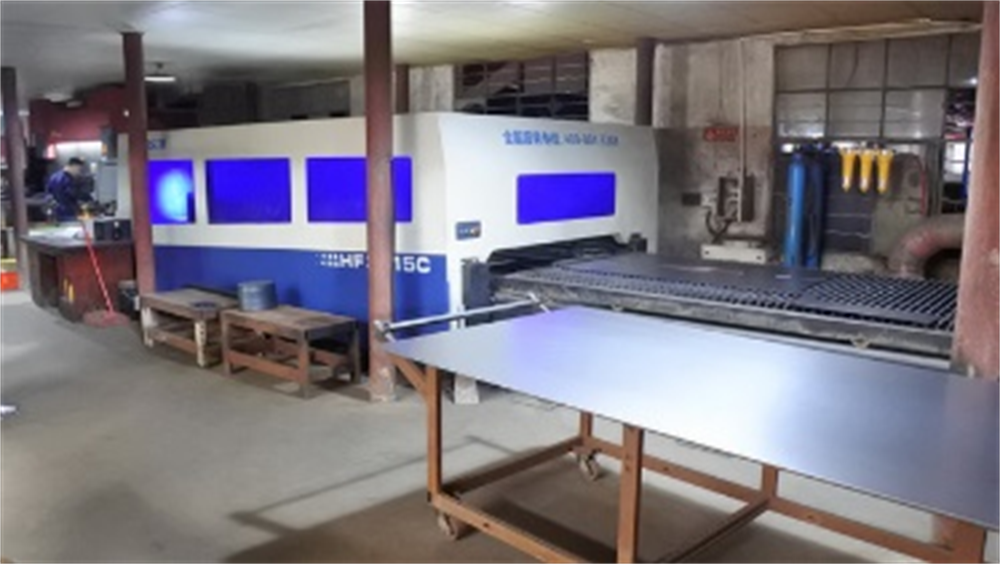
High-precision fiber laser cutters shape thick steel plates, ensuring clean edges and dimensional accuracy within ±0.1mm.
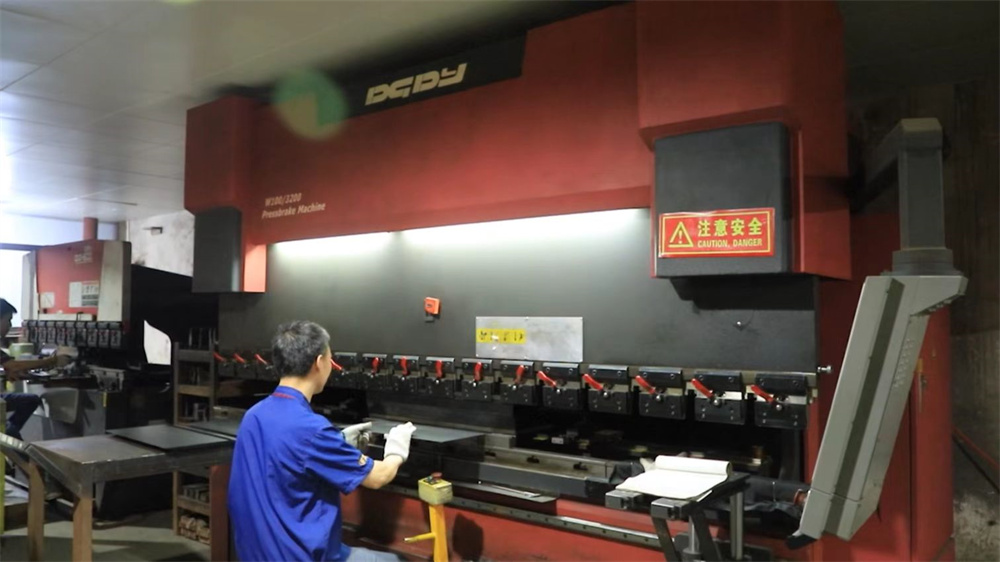
CNC press brakes bend components to exact structural angles, preserving material strength along stress borders.
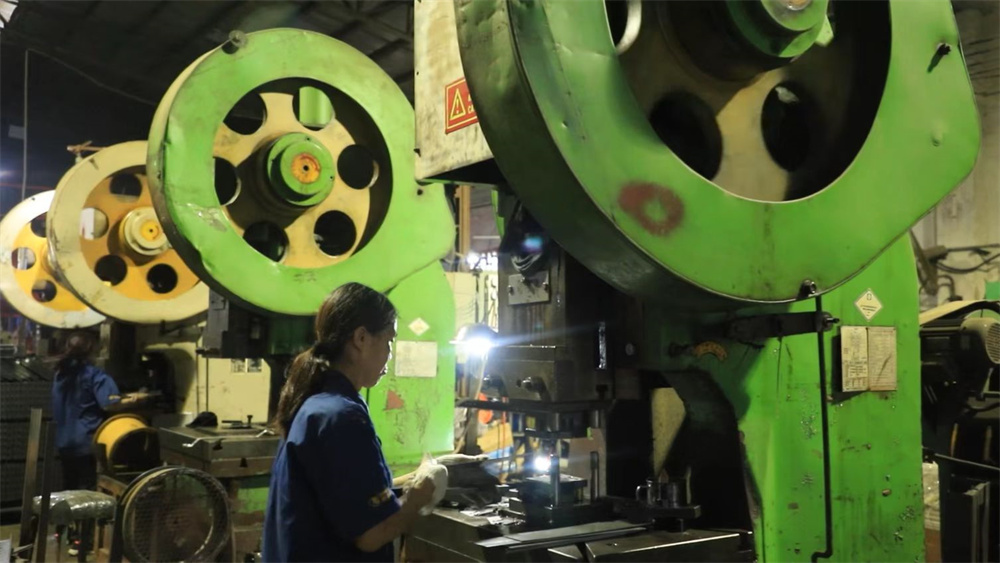
Automated punching machines punch clean holes at consistent intervals for adjustable arm spacing.
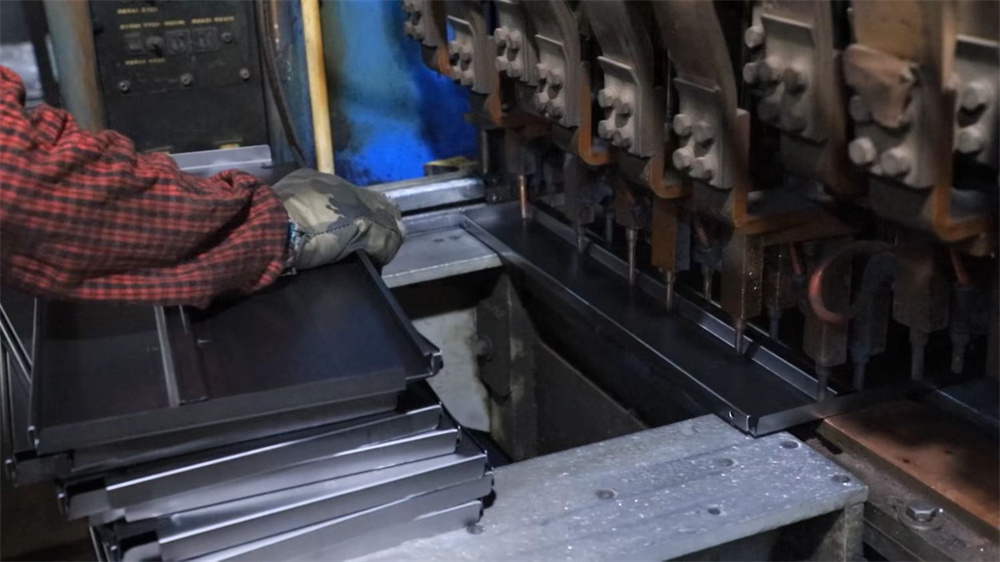
Small parts, dynamic brackets, and connection plates are machined to strict specifications.
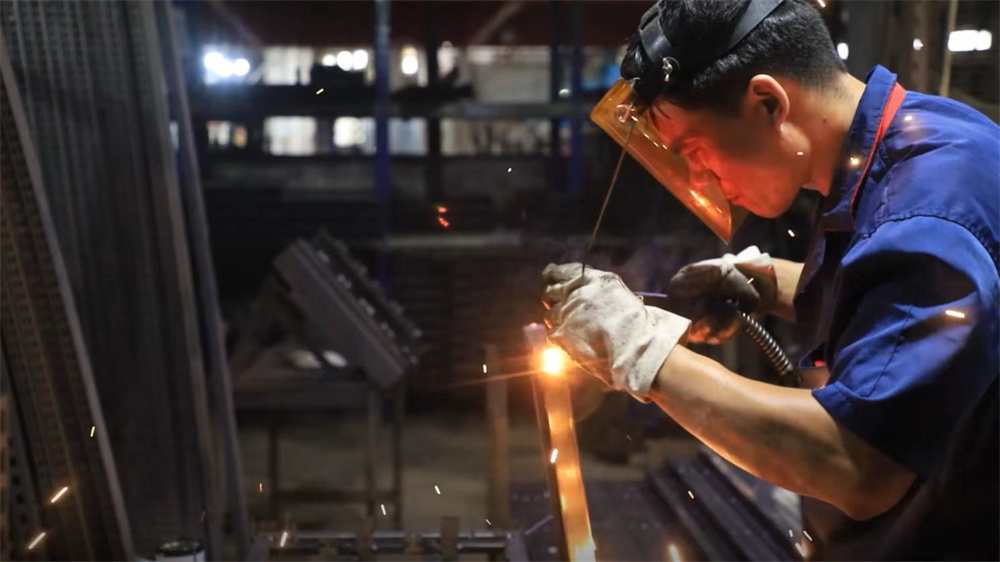
Certified robotic welding systems produce strong, deep-penetration welds for maximum load safety.
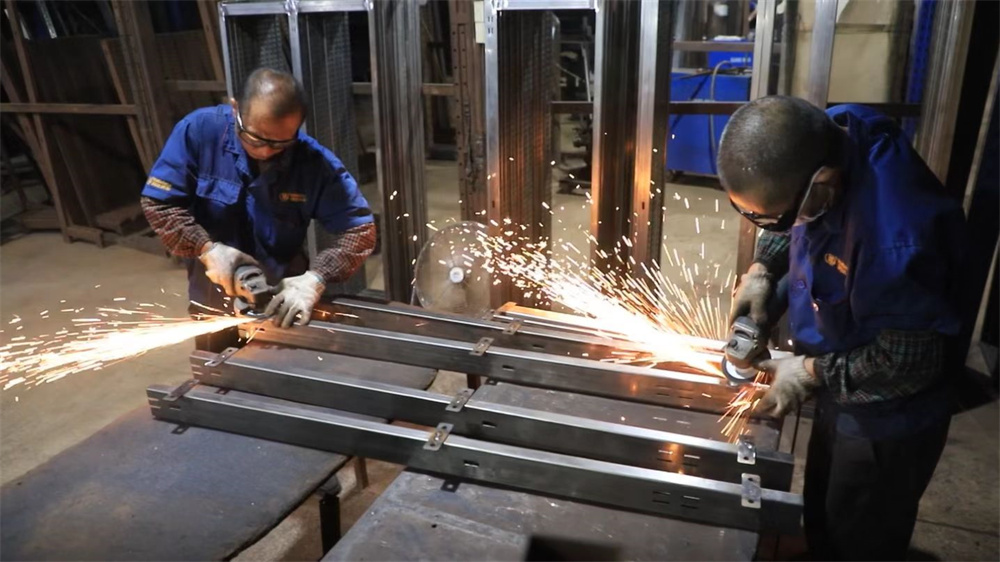
We grind down welds and sharp edges to ensure smooth surfaces and a clean, safe finish.
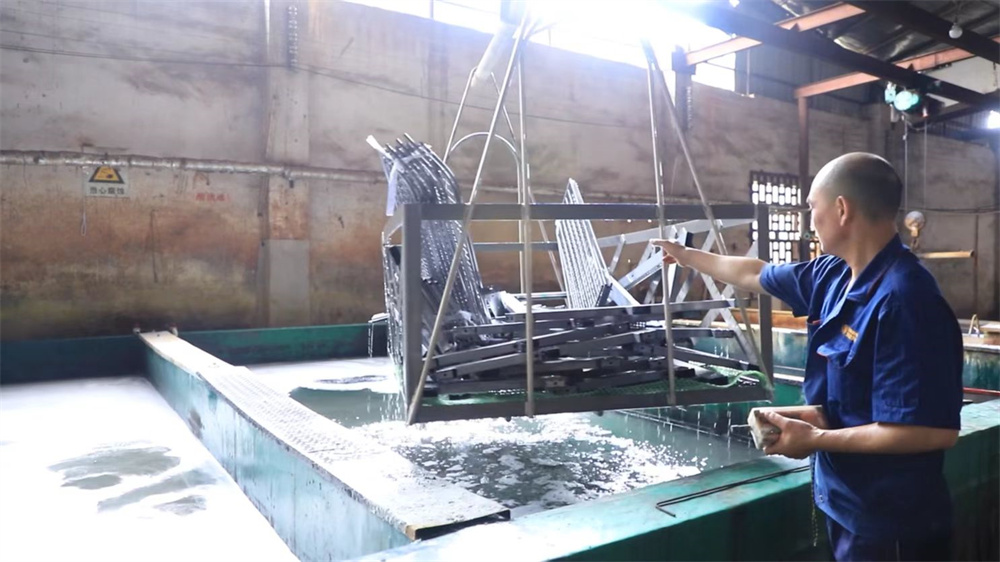
Acid pickling, chemical degreasing, and phosphating prep the steel for optimal paint adhesion.
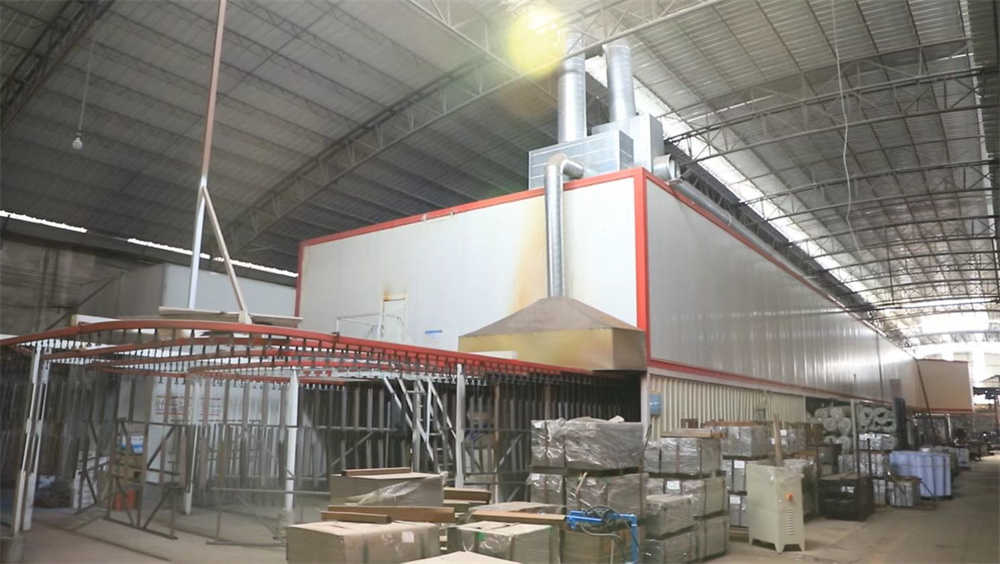
Automated lines apply protective epoxy-polyester coatings, which are oven-baked for scratch resistance.
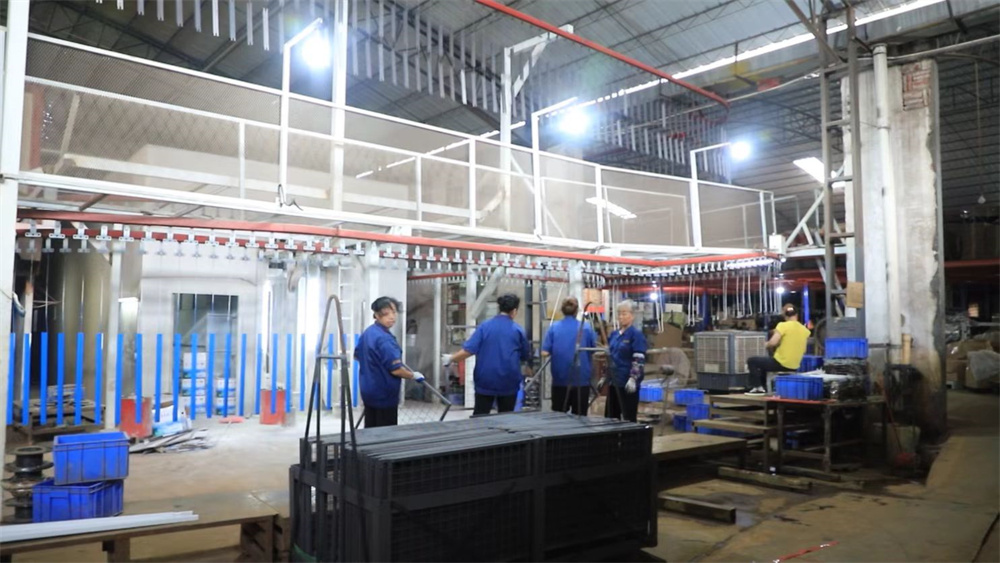
QC inspectors verify coating thickness, paint adhesion, dimensional tolerances, and weld integrity.
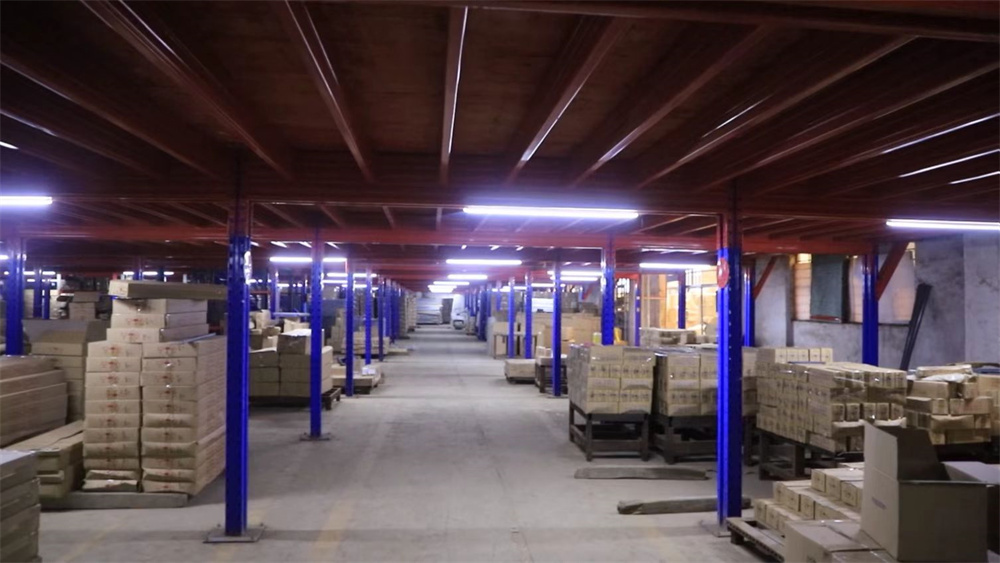
Finished components are systematically organized in our staging warehouse for order fulfillment.
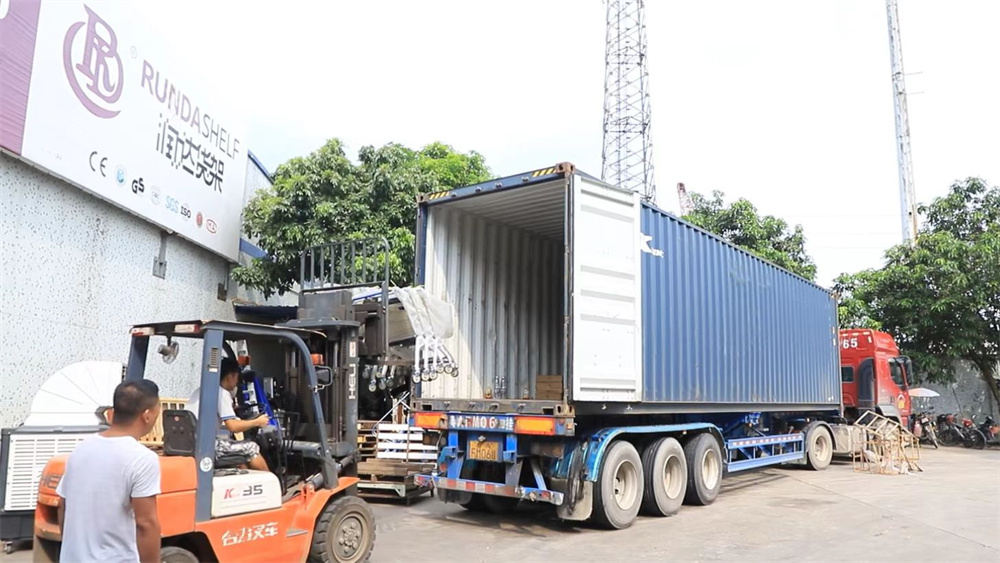
Products are bundled, wrapped, and secured in shipping containers for safe global transport.
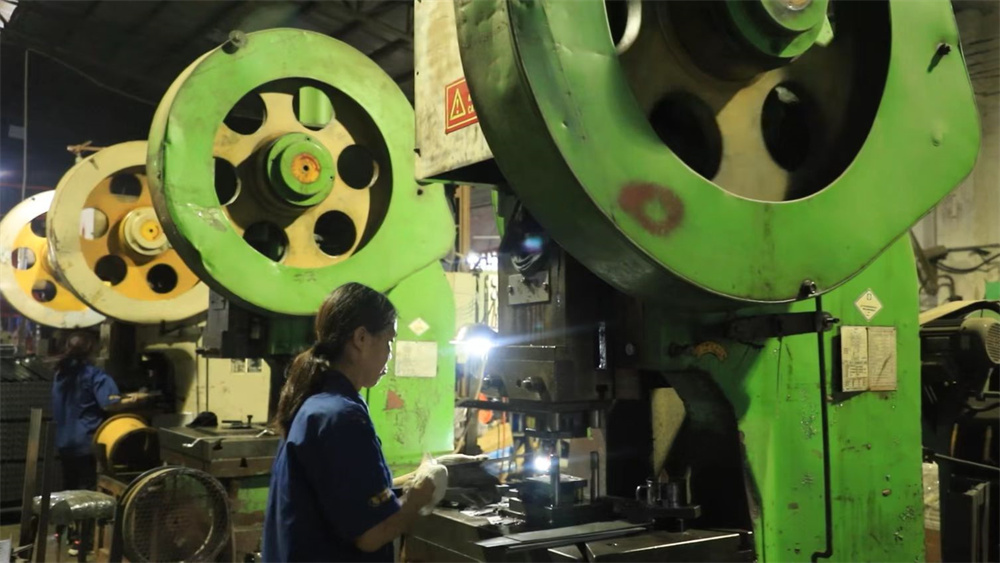
Heavy-duty machinery delivers clean punching forces to roll-formed columns.
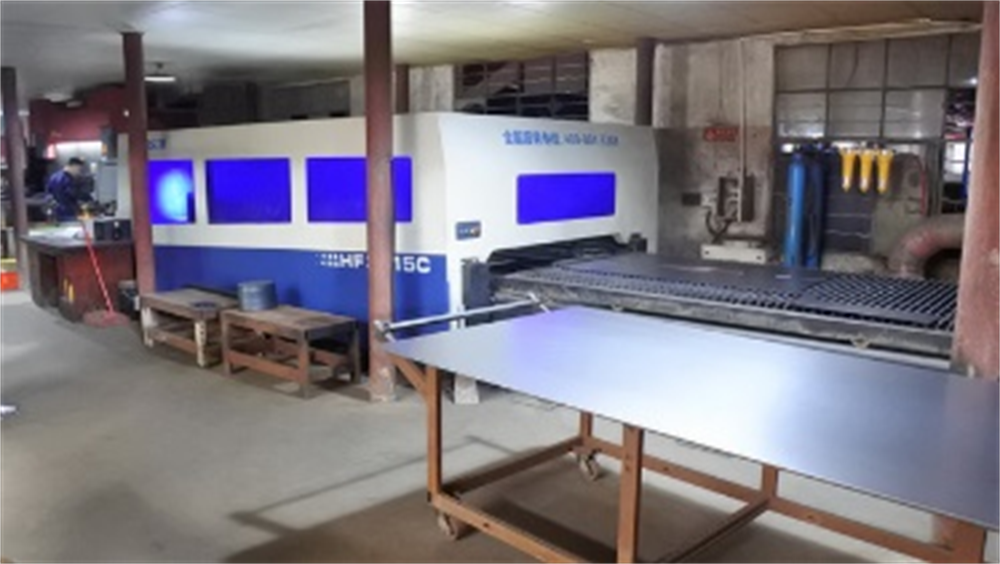
Industrial fiber lasers cut base plate profiles from carbon steel sheet stock.
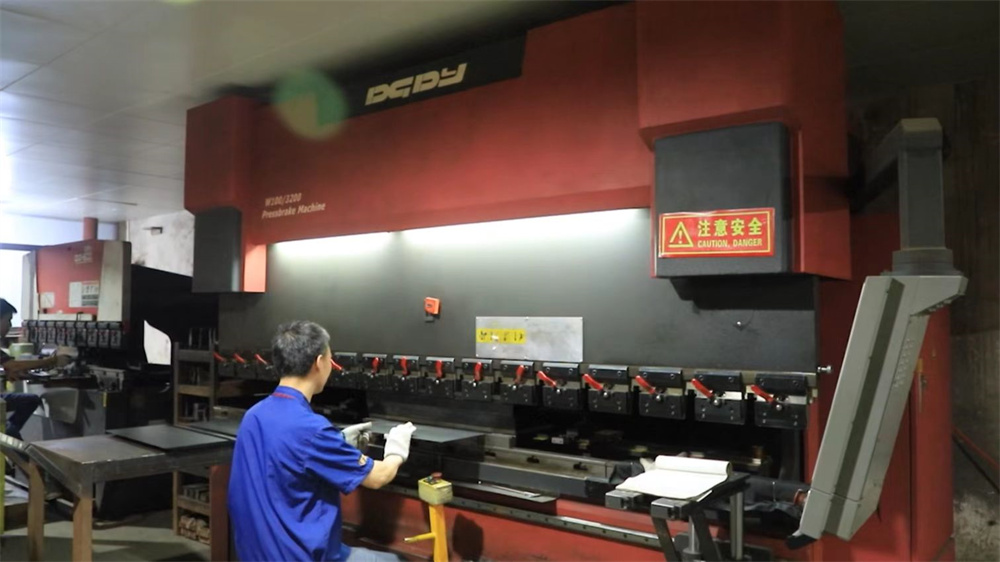
Advanced press brakes process components with high repeatability.
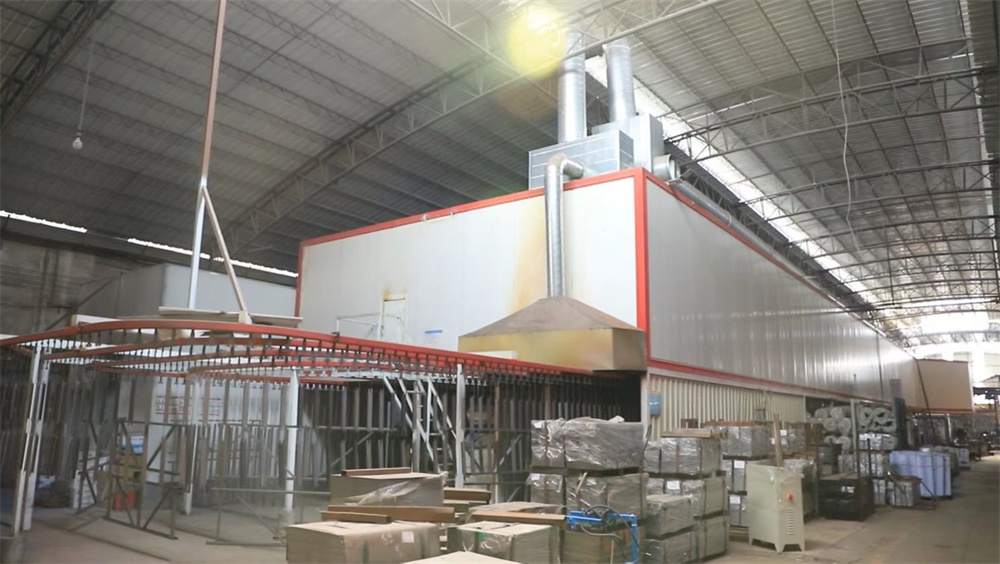
Our enclosed powder coating line ensures even finish thickness and zero emissions escape.
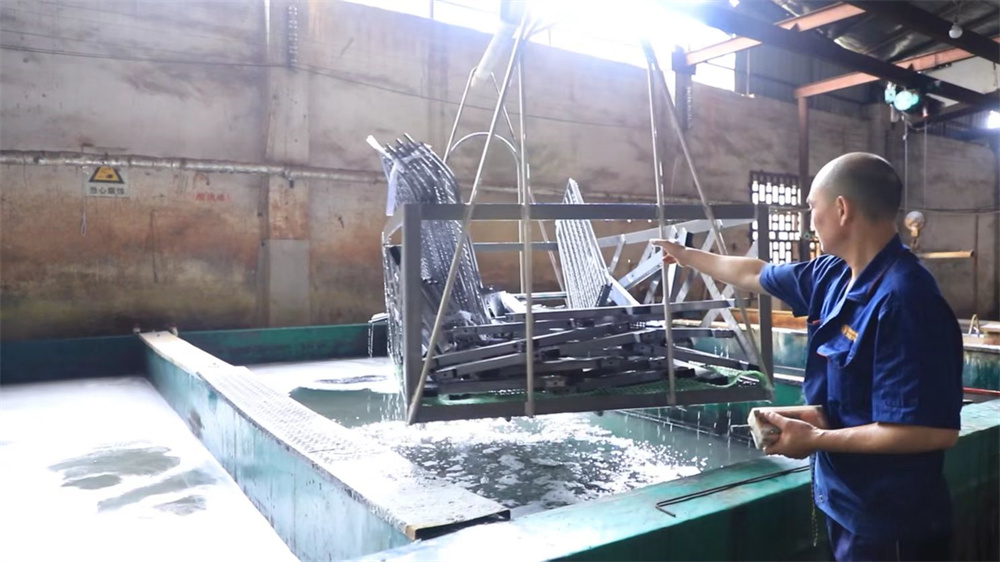
Our facilities undergo regular safety inspections and structural performance testing to maintain global B2B standards.
How structural cantilever racking interfaces with facility safety, seismic design, and automated warehouse management.
In seismic zones (such as areas prone to earthquakes), storage racking systems must undergo rigorous site-specific engineering analysis. Designing for these locations requires evaluating spectral response parameters to determine structural base sizes and anchoring requirements. Runda's design team utilizes advanced simulation software to calculate force distribution, ensuring that bases and vertical columns can withstand structural forces without collapsing. Heavy-duty anchors, thick baseplates, and structural bracing are used to ensure system stability under dynamic stress.
Forklift Guarding & Impact Damage Reduction: Warehouse upright columns are vulnerable to accidental forklift impacts, which can weaken structural capacity over time. To prevent this, we offer column guards and guide rails that direct heavy materials vehicles safely through storage aisles.
Designing an efficient industrial cantilever storage layout requires analyzing forklift turning radii, vehicle speeds, and picking cycles. Standard forklift configurations need wide aisles to access structural racks. For facilities looking to maximize storage capacity, we design systems for narrow aisle (NA) or very narrow aisle (VNA) layouts, pairing the racks with guided forklifts or automated retrieval systems.
Answers to common B2B procurement, engineering design, and quality compliance questions for industrial buyers.
Arm load capacities are calculated based on uniformly distributed loads (UDL). A load is considered uniform when it is distributed evenly along the length of the arm. Concentrating a load at the outer tip of an arm reduces its load rating by half. Calculating arm capacity requires matching structural requirements to the profile size, steel yield strength, and the distance between columns.
Roll-formed cantilever systems are manufactured from thin-gauge steel coils shaped at room temperature. They are light, adjustable, and suitable for light to medium-duty storage. Structural steel systems are made from hot-rolled steel shapes. These heavy-duty components offer much higher load capacities and resistance to impact, making them ideal for heavy industrial environments and outdoor yards.
Powder coating is ideal for indoor facilities, providing high visibility, impact resistance, and customizable colors. Hot-dip galvanization (HDG) is recommended for outdoor use. The galvanizing process creates a zinc-steel alloy layer that protects structural steel from rain, humidity, and chemical corrosion.
Arm deflection refers to the slight bending of an arm under load. Structural standards limit deflection to a ratio of $L/180$. If an arm bends beyond this limit, it can cause inventory to slide or create concentrated stress that leads to structural failure. Regular physical inspections and IoT deflection sensors help prevent overloading.
We provide full custom configuration services, including specialized arm spacing, custom vertical heights, variable steel thicknesses, and tailored baseplate dimensions. Our engineering team can also adapt designs to meet specific local building codes and seismic ratings.
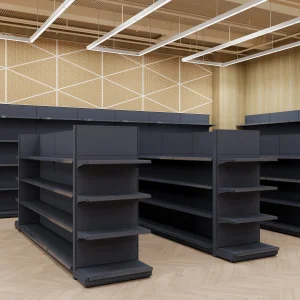
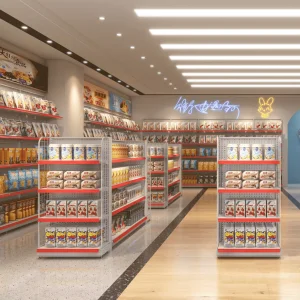
Custom storage fixtures engineered for commercial retail environments, convenience outlets, and display merchandising.
 Runda Racking