Choosing among the Top 10 Stacking Systems for Warehouse Buyers starts with the goods, not the catalogue. A pallet of boxed parts behaves differently from long steel sections or fast-moving cases. A poor fit can waste aisle space, slow picking, or create awkward handling. Sometimes the problem is simpler: the rack looks right, but the forklift cannot turn comfortably.
Frederick Winslow Taylor, an engineer and early management thinker, wrote, “In the past the man has been first; in the future the system must be first.” That principle suits warehouse planning. Stacking Systems should support the work people actually do. Selective pallet racks offer direct access; drive-in racks trade access for density. Push-back and pallet-flow designs serve different rotation patterns, while cantilever racks handle long loads. Mobile racks, stackable frames, and mezzanines solve other space challenges. Each brings trade-offs.
A buyer should compare load ratings, aisle widths, ceiling height, floor conditions, handling equipment, and SKU movement. Ask suppliers for drawings and documented capacity information. Then check those details against real site conditions with a qualified professional. A spreadsheet helps. A floor walk helps more. Look for turning points, blocked sightlines, and the pallet that never quite fits. Small detail. Big consequence.
No ranking can decide for every warehouse. And, honestly, neat comparisons can hide messy operations. Use this guide to narrow options, question assumptions, and identify what needs a closer review before purchase.
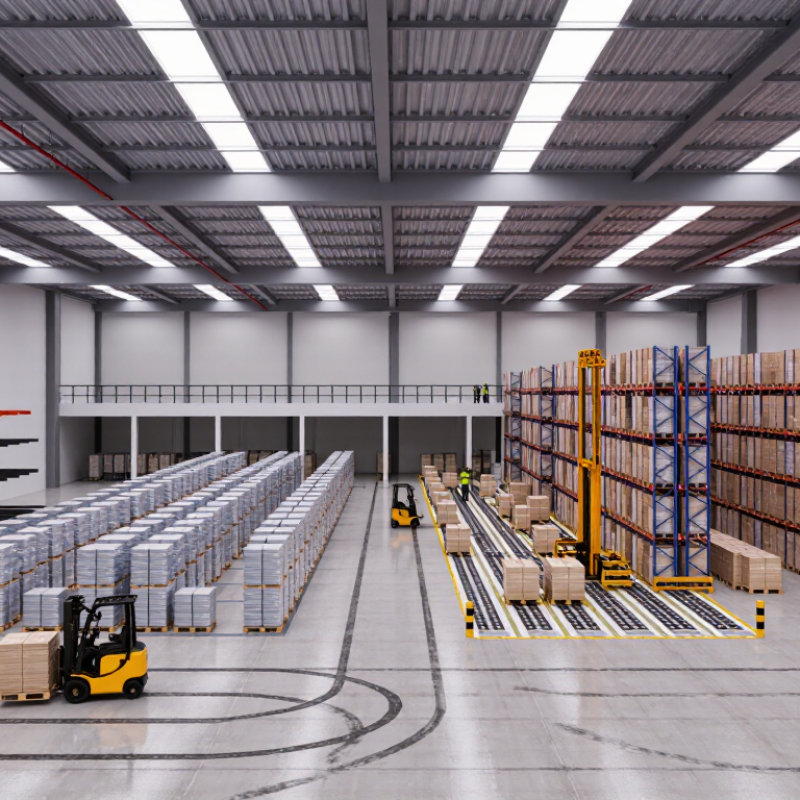
Warehouse stacking systems do more than hold cartons; they give every item a predictable place. Selective pallet racks keep palletized goods visible and accessible, while shelving suits hand-picked cartons. Stackable bins separate small parts without consuming much floor space. Cantilever racks can accommodate long, awkward stock. Each system changes how people move through the building.
Good organization starts with product dimensions, weight, turnover, and picking frequency. Fast-moving items belong near dispatch when safe and practical; reserve stock can sit higher or farther away. Clear aisle markings and location labels help workers return goods to the same slot. A simple scan during put-away can reduce misplaced inventory. Small habits matter. Keep labels facing outward, with enough clearance to read them without climbing or shifting loads.
Stacking plans also need honest limits. Check rack capacities, floor conditions, and load stability before adding levels; uneven cartons can lean even when a stack looks tidy. Use rotation rules such as first-in, first-out for goods that need them, and record exceptions instead of relying on memory. A layout may look efficient on paper but frustrate pickers during busy periods. Walk the route with actual orders, then adjust. The first plan is rarely perfect. That is useful feedback.
Warehouse buyers will encounter several types of stacking systems, each suited to different goods and picking routines. Floor or block stacking places stable, compatible loads directly on the floor. It is simple and economical, but access to lower pallets can be difficult. Stackable pallet frames add support when loads need separate levels or may not safely support another pallet.
Selective pallet racks give workers direct access to each stored pallet, which helps when products change often. Drive-in and drive-through racks use deeper lanes to store more pallets in less floor space, though they limit access to individual loads. Push-back racks and pallet-flow systems also store pallets several deep; carts or rollers move loads toward the picking face. Space matters.
For long or awkward goods, cantilever racks offer open fronts and adjustable arms. Mobile racks move along floor rails, reducing the number of fixed aisles, but they require careful planning around access and movement. Buyers should compare load dimensions, pallet condition, inventory turnover, forklift reach, and available headroom before choosing. A layout that looks efficient on paper may slow daily picking. There is no perfect layout. In practice, product mix changes, and that can make an initially sensible system less convenient over time.
| Stacking System | How It Works | Storage Density | Pallet or Load Access | Typical Stock Rotation | Best Suited For | Buyer Considerations |
|---|---|---|---|---|---|---|
| 1. Block Stacking | Unit loads are placed directly on the floor and stacked in blocks without rack structures. | High floor-space use when loads can be stacked safely. | Limited; front or top loads may need to be moved to reach others. | Often LIFO (last in, first out). | Stable, uniform loads with sufficient packaging strength and a small number of product lines. | Check load stability, stack height, floor capacity, product crush strength, and access requirements. |
| 2. Selective Pallet Racking | Each pallet is stored in its own rack position, accessible from an aisle. | Lower than high-density systems because aisles provide direct access. | Direct access to each pallet. | Flexible; supports FIFO or LIFO depending on warehouse procedures. | Many product lines, varied inventory, and operations requiring frequent pallet access. | Plan aisle widths, rack capacity, forklift compatibility, and protection against impact. |
| 3. Double-Deep Racking | Two pallet positions are arranged one behind the other, usually accessed from the aisle using suitable reach equipment. | Higher than selective racking because fewer aisles may be needed for the same storage area. | Direct access to the front pallet; rear pallets require moving the front pallet. | Generally LIFO for each two-pallet position. | Operations with multiple pallets per product line and moderate access frequency. | Confirm forklift reach capability, pallet dimensions, and whether reduced selectivity is acceptable. |
| 4. Drive-In Racking | A forklift enters a rack lane to place or retrieve pallets supported on rails. | High; deep lanes reduce the number of aisles. | Access is usually from one end of each lane. | Typically LIFO. | Large quantities of the same product and relatively low pallet selectivity requirements. | Use consistent pallet sizes and establish safe truck routes, lane capacity, and loading procedures. |
| 5. Drive-Through Racking | A forklift can enter a lane from either end, allowing loading and retrieval from opposite sides. | High; the system uses deep lanes and relatively few aisles. | Access from both ends of the lane. | Can support FIFO when loading and retrieval are organized at opposite ends. | High-volume storage of uniform products where stock rotation is important. | Requires access at both ends and disciplined separation of loading and picking activities. |
| 6. Push-Back Racking | Each new pallet pushes the previous pallet back along inclined rails or nested carts; pallets move toward the aisle during picking. | High; multiple pallets can be stored deep from one aisle. | Access is from the aisle, generally to the most recently stored pallet first. | Typically LIFO. | Several pallets per product line where aisle space is valuable and pallet turnover is moderate. | Check pallet condition and uniformity, lane depth, load compatibility, and system maintenance needs. |
| 7. Pallet Flow Racking | Gravity rollers or wheels move pallets through inclined lanes from the loading end toward the picking end. | High; deep lanes can store multiple pallets of the same product. | Loading and picking take place at opposite ends of a lane. | FIFO (first in, first out). | High-volume products, date-sensitive goods, and operations needing orderly stock rotation. | Confirm pallet quality, load consistency, lane controls, and inspection access for rollers and brakes. |
| 8. Mobile Pallet Racking | Rack rows are mounted on powered or manually operated bases that move to open an access aisle where needed. | High; storage aisles are reduced to the required active access aisle or aisles. | Direct access is available after the appropriate aisle is opened. | Flexible; depends on the operating layout and procedures. | Warehouses needing pallet access while making efficient use of a limited floor area. | Assess floor condition and capacity, access speed, safety controls, and the effect of moving rows on workflow. |
| 9. Carton Flow Racking | Cartons, totes, or cases are loaded from the replenishment side and move by gravity toward the picking face. | High for case-picking locations; it combines storage and forward picking positions. | Pickers access items at the front while replenishment occurs from the rear. | Usually FIFO within each lane. | Piece-picking or case-picking operations with repeatable carton or tote sizes. | Check item dimensions, package strength, flow performance, replenishment access, and pick-face capacity. |
| 10. Automated Pallet Shuttle Racking | A powered shuttle carries pallets along rails inside a storage lane; forklifts place and retrieve pallets at the lane face. | High; deep lanes store multiple pallets while reducing forklift travel inside the rack. | Access is managed by lane; the shuttle moves pallets between the face and storage positions. | FIFO or LIFO, depending on the lane configuration and operating method. | High-throughput or high-density storage of multiple pallets per product line. | Review shuttle capacity, controls, charging arrangements, maintenance, lane design, and operational resilience. |
Note: Storage density and access depend on the warehouse layout, pallet dimensions, equipment, building constraints, and operating procedures. FIFO means first in, first out; LIFO means last in, first out.
Warehouse stacking systems trade direct access for storage density. Block stacking uses floor space efficiently for stable, uniform loads, but lower pallets may be inaccessible until upper ones move. Selective pallet racking offers direct access to every pallet, though its aisles reduce usable capacity. Simple to inspect. Double-deep racking adds storage positions but requires compatible reach equipment and makes rear pallets less accessible.
Drive-in systems can hold many pallets of the same product in deep lanes; operators access loads from the lane entrance, often using last-in, first-out handling. Drive-through lanes allow entry from both ends and can support first-in, first-out flow when managed correctly. Push-back systems store pallets several positions deep, while gravity-fed pallet flow separates loading and picking faces. Both increase density, but lane depth and load consistency affect performance. Small differences matter.
Mobile racking moves aisle access to the selected bay, raising storage density while slowing access to other bays. Cantilever racks suit long items, not standard pallet loads. Stackable frames can be moved or collapsed when empty, but require stable loads and careful stacking. There is no universal capacity ranking: beam ratings, floor strength, pallet dimensions, clearances, and handling equipment set practical limits. A capacity estimate can look impressive on paper, yet poor access may create extra moves and delays during a busy shift. Teams should test typical picking sequences, not just count pallet positions.
How storage density and load access compare
Scores are relative design-based ratings from 1 (low) to 5 (high), not manufacturer specifications. Storage density indicates how compactly a system uses floor space; access indicates how directly a stored load or pick face can be reached. Actual performance varies with layout, load type, and operating method.
Block stacking suits uniform, stable pallets and fast-moving stock with few product types. It needs clear floor space, but piles must stay within safe height limits. Selective pallet racking works when many product codes need direct access. Double-deep racking stores more pallets per aisle, though reaching rear loads requires compatible handling equipment. Measure first.
Drive-in racking fits large batches of similar goods with low rotation. Drive-through layouts suit goods moving from one side to the other, such as planned replenishment zones. Push-back racking adds depth while keeping pallets accessible from one face; it works best with several pallets per product. Pallet-flow lanes use gravity for first-in, first-out rotation, but require consistent pallet quality and careful lane maintenance. Small pallet defects can cause jams.
Cantilever racking suits long, awkward items such as timber or metal profiles, especially where forklifts need open access. Mobile racking can help warehouses with limited floor area and slower access demands, though opening aisles takes time. Carton-flow shelving supports fast picking of small cases near packing stations. A mezzanine can add storage or work space where clear height and floor capacity allow it.
One assumption often fails: greater storage density does not automatically mean better throughput. Check load ratings, aisle clearance, picking patterns, and replenishment routes against actual operating data.
Choosing a stacking system starts with the load, not the catalogue photo. Record each unit’s weight, dimensions, and condition, then consider how often staff need access. A system for uniform cartons may not suit mixed pallets or fragile goods. Measure clear ceiling height, aisle width, doorways, and the floor’s rated capacity. Leave room for forklifts to turn safely. Small details matter. Ask for documented load ratings and installation requirements, and compare them with your actual operating conditions. A tidy layout on paper can still fail when an oversized pallet blocks a route.
Before installation, confirm the floor is level and suitable for the specified loads. Follow the system’s installation instructions, and have qualified personnel check alignment, connections, and any required anchors. Do not improvise a missing component. After setup, mark load limits where operators can see them, and train staff to place items evenly. Routine checks should look for bent members, loose connections, impact damage, and overloaded positions. Record defects and restrict affected sections until they are assessed. It is easy to focus on height and capacity while overlooking daily handling habits; that deserves a second look. A short inspection log can reveal recurring problems before they become expensive.
It gives goods predictable locations and helps workers move through the building. Small habits matter.
Stackable bins separate small parts while using little floor space. Shelving works well for cartons picked by hand.
Compare product size, weight, turnover, and picking frequency. Check forklift reach and available headroom, too.
Place them near dispatch when safe and practical. Keep reserve stock higher or farther away.
Clear markings and visible location labels help workers return goods to the correct slot. Face labels outward.
Check rack capacity, floor conditions, and load stability. Uneven cartons can lean, even when a stack looks neat.
Selective pallet racks provide direct access to stored pallets. This can help when products change often.
Walk the route using actual orders, then adjust it. The first plan may disappoint. That is useful feedback.
Stacking Systems help warehouses make better use of vertical space while keeping goods organized and accessible. This overview explains how different options—from simple floor stacking and pallet arrangements to purpose-built racks and mobile units—support storage needs. It compares ten common system types by storage capacity, selectivity, accessibility, and the amount of space they require, helping buyers understand the trade-offs between storing more goods and retrieving individual items quickly.
The right choice depends on inventory size and turnover, product dimensions and weight, available floor space, equipment, and day-to-day workflow. The article also outlines how to assess these conditions before purchasing, plan a safe and practical installation, and maintain the system through regular inspections and upkeep. By matching storage design to operational needs, warehouse buyers can improve organization, use space efficiently, and support reliable access to inventory.

Runda Racking