Top 10 Longspan Storage Solutions for Global Buyers?

Time:2026-09-19 Author:Madeline
0%

Choosing the right Longspan Storage system is not simply a matter of comparing prices. Global buyers must consider load capacity, warehouse dimensions, product turnover, installation methods, and long-term maintenance. A shelf that performs well in a dry European facility may corrode faster in a humid coastal warehouse. Local working conditions matter.

This guide examines ten practical storage solutions for international purchasing teams. It considers adjustable shelving, modular systems, steel platforms, carton flow designs, and other widely used formats. Each option is assessed through capacity, flexibility, safety features, assembly requirements, and expected service life. Clear specifications are essential. Buyers should verify beam loads, upright thickness, surface treatment, and compatibility with forklifts or hand carts.

Supplier reliability also deserves close attention. Experienced manufacturers should provide drawings, load tables, quality records, installation guidance, and responsive after-sales support. Independent inspections can reduce misunderstandings, especially when orders cross borders. Product samples may reveal weld quality, coating consistency, and finishing details that photographs hide.

No solution is perfect. A low-cost rack may create higher maintenance expenses later. A highly flexible system may require more careful assembly. Some rankings remain debatable because warehouse layouts differ widely. Buyers should therefore treat this list as a practical starting point, not a universal answer. The best Longspan Storage choice balances safety, usable space, budget, and future growth without ignoring local operating realities. That balance is often harder than expected.
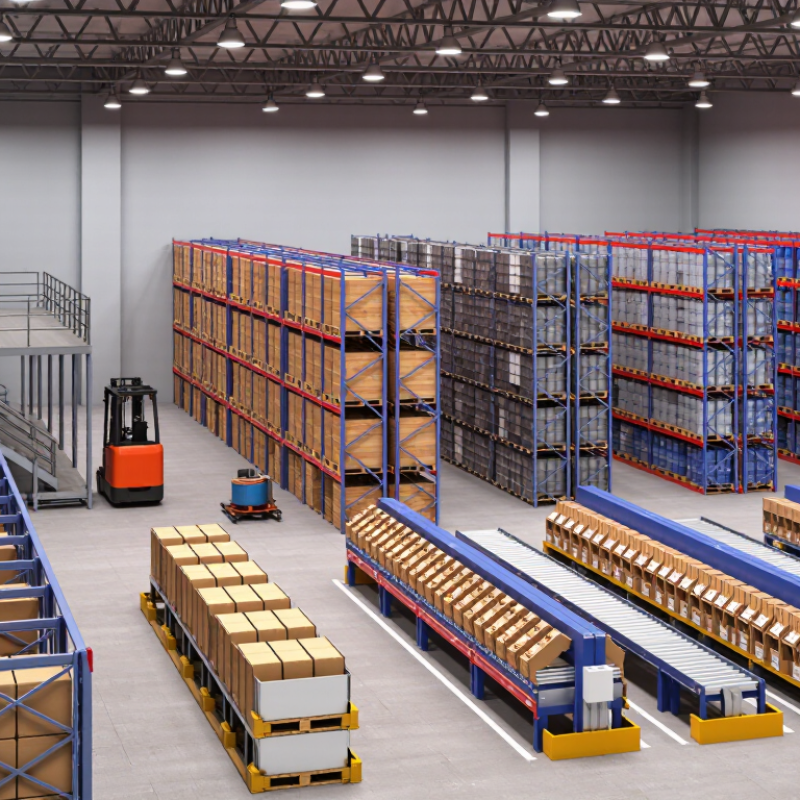
Top 10 Longspan Storage Solutions for Global Buyers?

What Longspan Storage Means and Where It Is Used

Longspan storage describes wide-span shelving designed for bulky, hand-loaded items. It usually has steel frames, adjustable beams, and durable panels or wire decks. The system sits between small shelving and heavy-duty pallet racking. It offers more width without requiring forklifts.

In warehouse planning, I have found that bay size affects daily work more than expected. A 1.8-meter shelf can hold cartons, tools, and spare parts in one visible location. However, deeper shelves may hide stock and slow picking. That assumption can fail. Floor strength, aisle clearance, beam deflection, and fire protection requirements also need careful review. Load labels should match actual use, not the supplier’s best-case example.

Longspan systems serve ten common settings: spare-parts rooms, hardware stores, archive areas, workshops, retail backrooms, maintenance depots, e-commerce packing zones, light manufacturing lines, school storerooms, and office supply rooms. They work well where staff handle products manually. In a workshop, shelves may carry power tools, cable boxes, and labeled component bins. In an archive room, enclosed panels can reduce dust exposure. In retail storage, adjustable levels help accommodate changing cartons.

The layout should reflect real products. Heavy items belong on lower levels, while frequently used items need comfortable access. A site survey can reveal uneven floors or awkward columns before installation. Even experienced planners sometimes underestimate picking frequency. Regular inspections remain necessary, especially after relocation or accidental impact.

How to Compare the Top 10 Longspan Storage Solutions

Comparing the top 10 longspan storage solutions requires more than checking price per bay. Measure usable volume, beam capacity, shelf depth, adjustability, and installation time. A cheaper frame may create wasted aisle space or require costly reinforcement. Ask for certified load tables, material grades, deflection limits, and inspection guidance. Do not rely on attractive photographs.

The 2024 MHI Annual Industry Report identifies labor pressure and technology investment as major supply-chain concerns. Therefore, compare how each system supports barcode scanning, stock visibility, and future automation. Deloitte’s 2024 Smart Manufacturing Survey found that 92% of manufacturers view smart manufacturing as important for competitiveness. That figure matters. Choose storage that can adapt to sensors, mobile equipment, or changing product sizes. Also review the total cost of ownership, including freight, assembly, maintenance, relocation, and replacement parts. Poorly documented warranties remain a common weakness.

Global buyers should test each option against local seismic rules, fire access, corrosion risks, and available floor height. Request references from facilities with similar loads and operating temperatures. A useful comparison sheet should record capacity per square meter, installation hours, service response, and expected lifespan. Some evaluations still overvalue maximum load. That shortcut can mislead. Real performance depends on loading patterns, operator training, and regular inspections. I would also score supplier documentation separately, because unclear drawings can delay an otherwise suitable project.

Types of Longspan Systems for Different Storage Requirements

Longspan storage systems should match the load, picking method, and available height. Rivet shelving suits cartons, tools, and irregular products because its particle-board decks create a stable surface. Boltless clip-in shelving allows faster level changes when product sizes shift. Wire-deck systems improve visibility and airflow, which can help in humid storage areas. Heavy-duty longspan racks support denser inventory, but they need verified beam capacity and carefully distributed loads. Multi-tier platforms use vertical space for hand-picking operations. They work well for small parts, spare components, and slow-moving stock. A common mistake is choosing height before checking aisle access and floor loading.

The 2024 MHI Annual Industry Report reported that 55% of supply-chain leaders planned to increase investment in supply-chain innovation. That pressure makes modular systems attractive, especially for global buyers managing changing product ranges. For fast-moving cartons, add carton-flow levels or adjustable dividers. For bulky goods, choose deeper beams and reinforced decking. Mobile longspan units can increase usable capacity, yet they require stronger floors and stricter operating controls. The design must remain practical.

Tips: Measure the largest carton first. Then test the heaviest one. Keep clear labels on every bay, and record actual load weights. Use a simple trial layout before ordering. A drawing may look efficient but fail during replenishment. Have a qualified engineer review seismic, fire, and local safety requirements before installation.

Key Buying Factors for Global Warehouse Projects

Longspan storage systems work well for cartons, spare parts, tools, and medium-weight inventory. In global warehouse projects, the buying decision should begin with demand patterns, not appearance. Measure twice. Storage levels must match product dimensions, handling methods, and future stock growth. A 2024 industry report from MHI found that 58% of supply chain leaders planned to adopt robotics and automation within five years. This signals a practical issue: shelving should support future technology, even when today’s operation remains manual.

Buyers should compare load capacity, beam adjustment, corrosion resistance, seismic requirements, and installation conditions. Regional safety codes also matter. A low-cost system may become expensive after floor repairs, custom brackets, or delayed replacement parts. The 2024 Global Industrial and Logistics Occupier Survey by CBRE reported continued pressure to improve warehouse efficiency and expand operational capacity. Longspan units can help by using vertical space without requiring fully automated equipment. However, aisle width, forklift turning radius, lighting, and fire protection must be checked together. Space is unforgiving. A perfect layout is rare.

Tips: Request a load table, technical drawings, finish specifications, and test documentation before ordering. Ask suppliers to model one real aisle with your largest carton and heaviest load. Check spare-part availability in the destination country. Leave controlled room for expansion, but avoid buying empty capacity. Review the design with an engineer familiar with local regulations. Small assumptions can create large costs.

Installation, Safety, Maintenance, and Long-Term Value

Top 10 Longspan Storage Solutions for Global Buyers

Longspan storage creates usable capacity without heavy industrial equipment. I have seen installations fail because measurements were rushed. Confirm bay width, beam height, floor loading, aisle clearance, and local seismic requirements before ordering. A practical layout should leave space for lighting, sprinklers, forklifts, and future adjustments. The FEM guidance on storage equipment stresses competent installation, documented inspections, and clearly defined load limits. Those details matter more than attractive drawings.

Safety depends on daily behavior, not only steel strength. Post the maximum shelf load at eye level. Use guards where carts or forklifts can strike frames. Keep damaged beams isolated immediately. OSHA warehouse guidance identifies falling materials, unstable loads, and vehicle impacts as recurring risks. The 2024 MHI Annual Industry Report also found that 55% of respondents faced difficulty finding qualified workers. Clear procedures and simple training can reduce that weakness. Still, training alone is not enough.

Maintenance should include monthly visual checks and a recorded annual review by a qualified person. Look for bent uprights, loose connectors, corrosion, uneven floors, and overloaded shelves. Replace damaged parts; do not straighten them casually. Long-term value comes from repairable components, modular expansion, and available spare parts. Energy use also deserves attention. Better lighting access and sensible aisle planning can reduce operational waste. The imperfect truth is simple: the cheapest quotation may become expensive after one careless modification. Ask for test certificates, installation records, inspection criteria, and realistic service support before buying.

FAQS

What should I compare when reviewing longspan storage systems?

Compare usable volume, beam capacity, shelf depth, adjustability, and installation time. Include aisle space. A low price can hide reinforcement costs or wasted room. Request certified load tables, material grades, deflection limits, and inspection guidance. Photos are not enough.

How can I calculate the real cost?

Review freight, assembly, maintenance, relocation, replacement parts, and warranty coverage. Record installation hours and service response. A cheap bay may cost more later. Ask for clear warranty terms. Documentation can be incomplete.

Which system suits cartons and irregular products?

Rivet shelving suits cartons, tools, and irregular items. Particle-board decks provide a stable surface. Boltless clip-in shelving helps when product sizes change often. Adjust levels during a trial layout. Do not assume one system fits every product.

When are wire decks useful?

Wire decks improve visibility and airflow. They can help in humid storage areas. Check local fire-access rules and cleaning needs. They may not suit every small item. Test sample cartons before purchasing.

When should I choose heavy-duty or multi-tier systems?

Heavy-duty racks suit dense inventory and bulky goods. Verify beam capacity and distribute loads evenly. Multi-tier platforms use vertical space for hand-picking. They suit small parts, spare components, and slow-moving stock. Check floor loading and aisle access first.

How do automation and future changes affect selection?

Check support for barcode scanning, stock visibility, sensors, and mobile equipment. Adjustable systems handle changing product sizes better. A 2024 industry report found smart manufacturing remains important to many manufacturers. Future automation may still be overestimated. Keep the design practical.

What measurements should I take before ordering?

Measure the largest carton, then test the heaviest carton. Record floor height, aisle width, and floor capacity. Note operating temperatures and corrosion risks. Use a simple trial layout. Drawings can look efficient but fail during replenishment.

How can I improve safety and operating reliability?

Label every bay clearly and record actual load weights. Train operators on loading patterns and equipment limits. Schedule regular inspections. Have a qualified engineer review seismic, fire, and local safety requirements. I would not rely on supplier claims alone.

How should I evaluate the supplier’s documentation?

Score drawings, load tables, assembly instructions, inspection guidance, and service details separately. Request references from facilities with similar loads and temperatures. Clear documents reduce delays. My comparison may still have blind spots. Review it again after a site trial.

Conclusion

This guide explains how Longspan Storage supports organized, flexible, and efficient warehouse operations across retail, manufacturing, distribution, archives, and other commercial environments. It introduces the meaning of longspan systems and compares ten practical solution types based on load capacity, shelf dimensions, accessibility, adjustability, space utilization, and compatibility with different storage requirements. From lightweight shelving for boxed goods to reinforced systems for heavier materials, each option is evaluated according to its intended use and operational advantages.

For global warehouse projects, the guide also highlights important buying factors such as available floor space, ceiling height, local regulations, delivery conditions, expansion needs, and total project cost. Proper installation, safe loading practices, routine inspections, and preventive maintenance are essential for reliable long-term performance. By considering durability, flexibility, installation requirements, and future scalability together, buyers can select a Longspan Storage solution that improves workflow, protects stored goods, and delivers lasting value.

Madeline

Madeline

Madeline is a dedicated marketing professional with a wealth of expertise in our company's core offerings. With a keen understanding of the industry, she brings a unique perspective to her role, consistently delivering high-quality content that highlights the superior aspects of our products. As......