Global sourcing is changing the way warehouses evaluate storage equipment. E-commerce growth, shorter delivery windows, and fragmented supplier networks demand systems that are flexible, traceable, and easy to install. Grand View Research identifies warehouse racking expansion as a continuing response to distribution growth and changing inventory requirements. Yet, most market reports group boltless shelving with broader racking categories. That limitation matters.
Boltless Systems can reduce installation time because they use beams, posts, and clips instead of welded joints or complex bolts. A buyer can adjust a shelf after receiving 20 cartons of spare parts, rather than rebuilding the entire bay. The practical question is not simply price. It includes load capacity, steel thickness, corrosion protection, packaging quality, replacement parts, and inspection records. MHI’s 2024 Annual Industry Report highlights continuing investment in supply-chain technology and operational resilience. Storage infrastructure should support that same resilience.
Global sourcing adds another layer of risk. The World Bank’s Logistics Performance Index 2023 shows that customs, infrastructure, and shipment reliability differ sharply between markets. Therefore, suppliers should provide clear specifications, material certificates, load-testing evidence, and consistent carton labeling. ISO 9001 certification can support process control, but it does not automatically prove product strength. Buyers still need sample testing. A shelf that looks stable in a catalog may flex under uneven loading. That small detail can become expensive. This guide examines how to compare Boltless Systems across suppliers, regions, compliance expectations, and long-term operating conditions. The recommendation may not be perfect for every warehouse, and that is exactly why careful validation remains necessary.
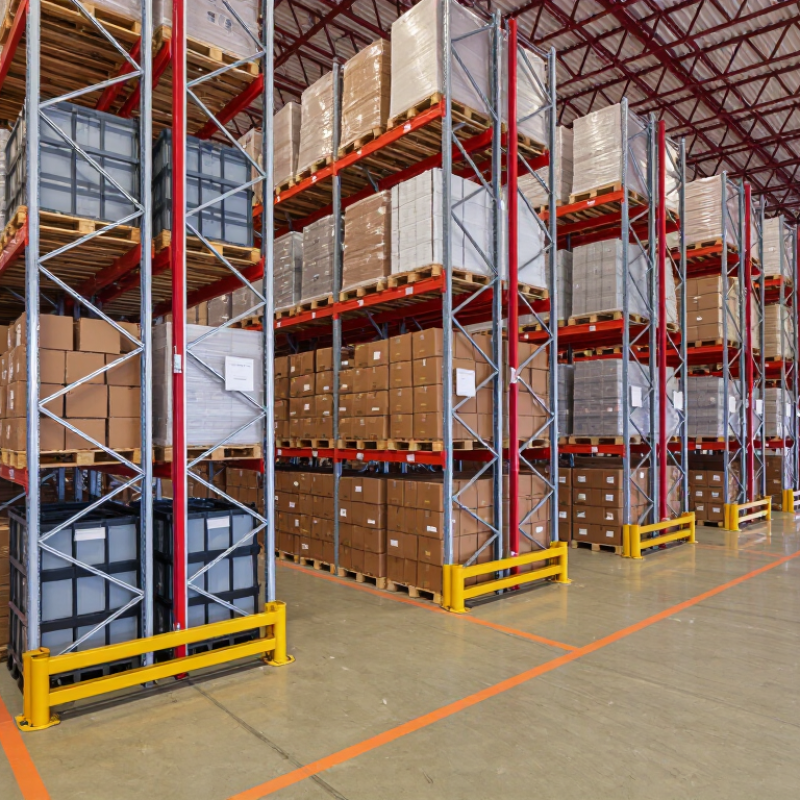
Define Boltless Systems and Their Main Applications
Boltless systems are storage structures assembled without nuts, bolts, or specialized welding. Their frames usually connect through punched posts, locking beams, and adjustable shelves. Installers can build them with simple hand tools, often in a small warehouse aisle. The connection relies on mechanical engagement, so accurate slot dimensions and strong steel matter. In practical inspections, loose joints often result from uneven floors or incomplete beam seating, not only poor materials. That detail is easy to overlook.
Their main applications include warehouse shelving, archive storage, retail backrooms, workshops, garages, and light industrial areas. A warehouse may use them for cartons, spare parts, or hand-picked inventory. Archive rooms need stable shelves with predictable spacing. Workshops often prefer adjustable levels for tools, containers, and irregular equipment. For global sourcing, buyers should check load ratings, corrosion protection, packaging strength, and assembly instructions. Metric and imperial measurements may create avoidable errors. Confirming dimensions with a sample unit is safer than trusting a drawing alone. I have found that “tool-free” claims can be incomplete; some installations still need a rubber mallet or leveling accessories. The system also requires inspection after relocation, because repeated assembly can affect connection fit.
Identify Load, Space, and Installation Requirements
Choosing a boltless system for global sourcing begins with measured requirements, not attractive catalog images. Record the heaviest carton, not the average one. Add a safety margin for uneven loading and future stock changes. A 900-kilogram bay may need stronger levels when boxes are concentrated on one side. Check whether the stated capacity applies per shelf or per complete unit. This detail is often overlooked. In my experience, unclear load definitions create expensive redesigns after delivery. Ask for test methods, steel thickness, and beam deflection limits before comparing prices.
Space measurements should include obstacles, handling paths, and ceiling clearance. Leave room for pallets, workers, and safety access where applicable. Measure the narrowest doorway, not only the storage room. A rack that fits the plan may fail at the entrance. Also check floor flatness and anchoring conditions. Boltless frames simplify assembly, but they still need stable placement. For uneven floors, adjustable feet or leveling plates may be necessary. Do not assume every configuration suits every warehouse.
Installation requirements affect landed cost and daily reliability. Count the tools, labor hours, and lifting assistance required for each bay. Look for clear instructions, numbered parts, and connections that seat without force. A rubber mallet can help, but excessive hammering signals poor alignment. Verify whether local teams can assemble the system safely and inspect it afterward. I would request one sample bay before placing a large order. That test may reveal missing hardware, awkward joints, or packaging damage. Real conditions often disagree with drawings.
How to Choose the Best Boltless Systems for Global Sourcing? - Identify Load, Space, and Installation Requirements
A practical comparison framework for selecting boltless shelving and rack configurations across different storage conditions.
| System Type |
Typical Shelf Load
per Level |
Recommended Bay Width |
Common Depth |
Vertical Adjustment |
Installation Method |
Typical Assembly Time |
Best Use Case |
Key Sourcing Check |
| Light-Duty Clip-In Shelving |
75–150 kg |
600–1,200 mm |
300–450 mm |
25–50 mm increments |
Hand-fit clips or rivets; no bolts |
10–20 minutes per bay |
Small parts, cartons, documents, and retail backroom storage |
Confirm evenly distributed load rating and clip compatibility |
| Medium-Duty Rivet Shelving |
150–350 kg |
900–1,800 mm |
450–600 mm |
38–76 mm increments |
Rivet-and-beam or rivet-and-panel assembly |
15–30 minutes per bay |
Warehouse cartons, maintenance supplies, and general inventory |
Request load testing details and verify beam-to-upright fit |
| Heavy-Duty Rivet Shelving |
350–600 kg |
900–1,800 mm |
600–900 mm |
50–100 mm increments |
Reinforced rivet connection; optional decking |
20–40 minutes per bay |
Dense industrial stock, tools, machine components, and bulk cartons |
Check frame deflection, deck type, and floor-loading limits |
| Long-Span Boltless Shelving |
250–500 kg |
1,500–2,400 mm |
600–1,200 mm |
50–100 mm increments |
Boltless beams with steel, wood, or wire decking |
25–45 minutes per bay |
Large cartons, furniture components, textiles, and bulky inventory |
Confirm span capacity, decking thickness, and aisle clearance |
| Mobile Boltless Shelving |
100–300 kg |
600–1,200 mm |
300–600 mm |
25–50 mm increments |
Boltless frames mounted on lockable casters or tracks |
20–35 minutes per bay |
Flexible workrooms, archives, repair areas, and space-constrained facilities |
Verify caster capacity, locking performance, and level flooring |
| Galvanized Boltless Shelving |
100–350 kg |
600–1,800 mm |
300–600 mm |
25–76 mm increments |
Clip-in or rivet assembly with zinc-coated components |
15–30 minutes per bay |
Cool rooms, semi-humid areas, garages, and covered outdoor storage |
Confirm coating thickness, corrosion environment, and drainage conditions |
Selection guideline:
Use the highest expected load per level, not the average load, when comparing systems. Allow clearance for beams, aisle access, sprinkler systems, lighting, and safe handling. Load ratings should be confirmed under the supplier's stated test conditions and should account for evenly distributed loads unless a different loading pattern is specifically approved.
Compare Materials, Configurations, and Weight Capacities
How to Choose the Best Boltless Systems for Global Sourcing?
Material selection affects durability, handling, and long-term maintenance. Galvanized steel resists humidity and surface corrosion in demanding storage areas. Painted steel can reduce cost, but damaged coatings may expose bare metal. Aluminum is lighter and easier to move, though it usually supports lower loads. It matters. Ask suppliers for material grades, coating thickness, and test records before comparing prices.
Configuration controls how efficiently a system fits your warehouse. Rivet-style frames assemble quickly and suit general carton storage. Clip-in beams allow faster adjustments when inventory changes. Braced structures offer better stability for taller bays or uneven loading patterns. Measure twice. Check aisle width, ceiling height, pallet access, and floor conditions. A compact design may look efficient but create difficult picking angles.
Weight capacity needs careful interpretation. Confirm whether the rating applies per shelf, per bay, or to an evenly distributed load. Point loads from machinery parts can exceed a shelf’s stated capacity. Leave a practical safety margin, especially when workers may reposition heavy cartons. Request drawings, load tables, inspection guidance, and sample components. A spreadsheet comparison helps, but it cannot replace a physical fit check. It is tempting to choose the highest rating. That shortcut can add unnecessary shipping weight and cost. Reflect on actual usage, not only the supplier’s strongest number.
Evaluate Suppliers, Certifications, and Global Compliance
How to Choose the Best Boltless Systems for Global Sourcing?
A reliable supplier should provide more than attractive pricing. Request factory addresses, ownership details, production capacity, and recent audit records. The ISO Survey 2022 reported more than 1.26 million valid ISO 9001 certificates worldwide. Certification signals process control, but it does not guarantee suitable boltless systems. Check the certificate scope, issuing body, expiration date, and actual manufacturing site. A warehouse certificate may not cover metal forming or coating.
Ask for material certificates, load-test reports, coating specifications, and assembly instructions. Verify whether tests represent the exact beam, upright, and connector design. Local requirements may differ for fire safety, workplace protection, seismic conditions, and structural loads. Independent laboratory reports are stronger than supplier-created spreadsheets. Still, documents can be incomplete.
Inspect the production line when possible. Photograph welds, edge finishing, packaging, and pallet labels. The World Bank’s Logistics Performance Index 2023 showed that international supply-chain performance varies significantly between markets. Plan buffer time for customs checks, port delays, and replacement parts. A supplier may pass a remote audit yet struggle with consistent batch quality. I have learned that compliance files deserve practical verification, not blind trust. Begin with a pilot order, measure deflection, inspect damage, and record every deviation before scaling globally.
Calculate Total Costs, Logistics, and Long-Term Value
How to Choose the Best Boltless Systems for Global Sourcing?
Calculate Total Costs, Logistics, and Long-Term Value
A low unit price can hide expensive freight, handling, and replacement parts. Compare the landed cost per usable shelf, not just the supplier’s quotation. Include packaging, duties, inland transport, unloading, and installation labor. The 2024 State of Logistics report from the Council of Supply Chain Management Professionals estimated U.S. business logistics costs at $2.3 trillion in 2023, or 8.7% of GDP. That scale makes small shipping inefficiencies worth checking. Ask suppliers for carton dimensions, pallet configurations, shipment weights, and loading plans. Then test how many complete systems fit in a container. A few centimeters can matter.
Logistics is only part of the calculation. Check steel thickness, load ratings, coating durability, and whether replacement beams or clips can be sourced later. Request test documentation, clear assembly instructions, and sample components before placing a large order. Compare the cost of a damaged shipment or delayed installation against the apparent savings. Not every warehouse needs the heaviest frame. And the cheapest option may still be right for light, stable inventory. Build a five-year estimate using expected capacity, maintenance, and expansion needs. It will be imperfect; demand changes, and forecasts miss. Still, a transparent estimate is better than treating the invoice as the full cost.
Conclusion
Choosing the best Boltless Systems for global sourcing begins with understanding how these versatile structures are used, from warehouse shelving and retail displays to workshops, archives, and light industrial storage. Buyers should first define load requirements, available space, shelf dimensions, access needs, and installation conditions. Comparing materials such as steel, aluminum, and composite panels, along with different frame configurations and weight capacities, helps ensure the system is safe, durable, and suitable for its intended environment. Easy assembly and future reconfiguration can also improve operational efficiency.
Supplier evaluation is equally important. Review manufacturing consistency, quality-control procedures, product testing, certifications, and documentation needed for different markets. Total cost should include unit pricing, accessories, packaging, shipping, duties, installation, maintenance, and replacement parts. By assessing logistics reliability, lead times, after-sales support, and expected service life, purchasers can identify Boltless Systems that provide dependable performance and stronger long-term value rather than focusing only on the lowest initial price.

 Runda Racking