Choosing the right storage solution is crucial for any warehouse. Radio Shuttle Storage systems can optimize space and improve efficiency. With various options available, it’s essential to understand your specific needs.
Consider how much inventory you manage and the types of products you store. A Radio Shuttle Storage system is ideal for high-density storage and fast retrieval. However, not every model fits every situation. Some setups may be overly complex for smaller operations, leading to inefficiencies.
Investing in the right system involves careful thought. You should weigh costs against benefits. Assess how your team will interact with the system. A user-friendly interface can enhance productivity. Don't rush your decision. Reflect on your current operations and future growth. A proper Radio Shuttle Storage solution can transform your warehouse, but only if it meets your needs effectively.
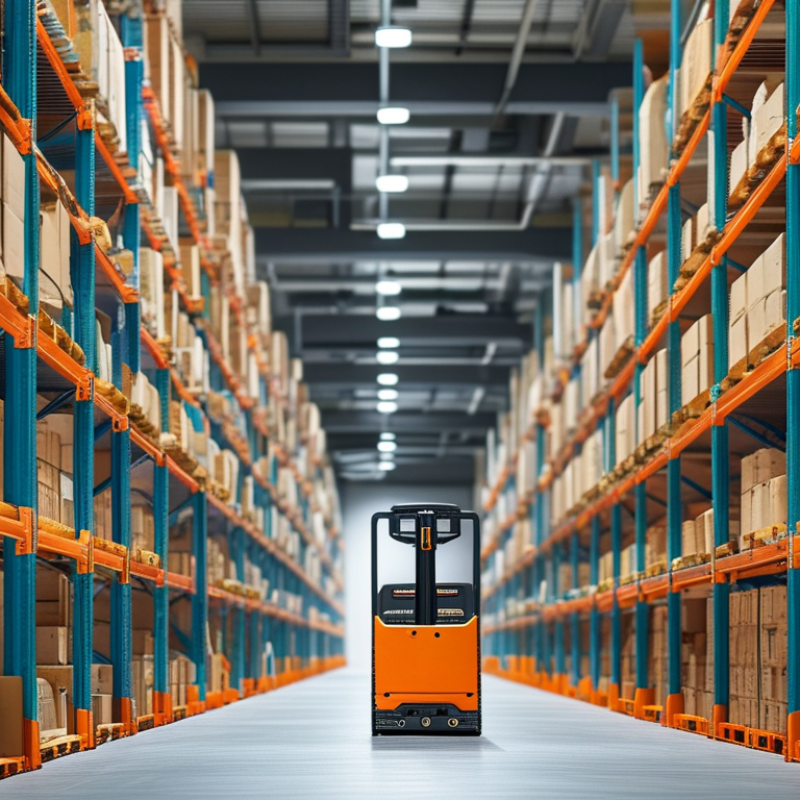
When selecting a radio shuttle storage system, consider your specific needs. Start by evaluating your storage capacity. How much inventory do you have? A larger system may be necessary for bigger volumes. However, this also increases costs. Balance your needs with your budget.
Next, think about the flexibility of the system. Will it accommodate different types of products? Some systems are better for specific items. Ensure the design fits your warehouse layout. An inefficient layout can lead to wasted space. Evaluate the technology involved. Modern systems are often more reliable but can be complex.
Don't forget to consider the manufacturer's support. New systems may have a learning curve. Reliable support helps resolve issues faster. Seek reviews from current users; their experiences can guide your choice. Reflect on your long-term goals. A system that meets current needs might not serve future growth.
Radio shuttle storage systems provide efficient solutions for managing warehouse space. Understanding the types available can significantly affect your choice. There are primarily three types: single-deep, double-deep, and multi-depth systems. Each variant addresses different storage needs.
Single-deep systems allow access to pallets individually. They are ideal for warehouses with high SKU count but limited space. According to a report by Supply Chain 24/7, about 70% of warehouses prefer single-deep for its flexibility. Double-deep systems double the storage capacity by allowing two pallets to be stacked. Although they save space, they introduce complexity, as accessing the rear pallet requires moving the front one.
Multi-depth systems accommodate multiple pallets in a single lane. They maximize space but at the cost of potential accessibility issues. A study from Logistics Management indicated that 40% of users experienced difficulty retrieving specific pallets. This issue reminds us that while maximizing capacity is essential, it shouldn’t compromise efficiency. Balancing the benefits of each type with your operational needs is vital to making an informed decision.
When evaluating space efficiency in warehouses, radio shuttle systems emerge as a leading solution. According to a report by Logistics Management, implementing a radio shuttle system can increase storage density by up to 60%. This technology allows for high-density storage by utilizing vertical space effectively. As a result, warehouses can maximize their cubic storage, elevating efficiency.
In practical terms, a well-designed radio shuttle system can reduce the need for wide aisles and enhance storage volume. Studies show that up to 90% of available space can be utilized. Key factors to consider include the shuttle's capacity and the layout of the storage facility. Each scenario varies significantly, and understanding these variables is crucial.
It's essential to reflect on potential shortcomings. Over-reliance on automation might lead to vulnerability if system failures occur. Additionally, employee training becomes critical for safe operation. It's not just about storage density; it's about a balanced approach to maximize benefits while minimizing risks in the operation. Embracing these challenges can ultimately lead to a more strategic shelving solution.
When selecting a radio shuttle storage system, assessing load capacity is crucial. Understanding the weight limits of your goods is essential. Different products, like pallets or cartons, vary significantly in weight. Consider the heaviest items in your inventory. This will guide your decision.
Next, think about how often you will use the system. If you frequently access the stored items, a system with a higher load capacity may be beneficial. Look at the operational demands. A system that feels overloaded can lead to wear and tear. Safety should not be compromised for efficiency.
Conduct a thorough evaluation of your warehouse space. The dimensions might restrict the type of system you can choose. Pay attention to the height and width of your aisles. Often, a system that fits well is more efficient. Reflect on your daily operations and future needs. The right choice today can impact your efficiency tomorrow.
When considering a radio shuttle storage system, understanding costs is critical. Initial expenditure can be significant, often exceeding $50,000 for a basic setup. However, this is just the starting point. A detailed report from the Materials Handling Industry Association suggests that operational costs drop drastically over time as efficiency increases. In fact, facilities reported up to a 30% reduction in labor costs after the first year of operation.
Long-term investment is about balancing these immediate costs against future savings. The return on investment (ROI) typically falls between two to four years, depending on usage and warehouse volume. Data indicates that organizations with larger inventories see more pronounced benefits, sometimes yielding a 15% increase in overall throughput. This means that while initial costs may seem daunting, the long-term gains often justify the expenditure.
Yet, it’s important to reflect on your unique needs. Not every system suits every warehouse. Misjudging your operational requirements can lead to underutilization or unforeseen expenses. Tailoring the solution to your specific workflow and inventory can mean the difference between success and wasted resources. Investing time in analyzing these factors is as crucial as evaluating financial implications.
: Evaluate your storage capacity, flexibility, layout, technology, and manufacturer support.
It can increase storage density by utilizing vertical space effectively, maximizing available cubic storage.
Knowing your product's weight limits helps in selecting a suitable system for your inventory.
An inefficient layout can lead to wasted space and impact overall storage capacity.
New systems have learning curves, and reliable support helps resolve issues faster.
A system that meets current needs might not accommodate future expansion; plan accordingly.
Yes, over-reliance on automation can lead to vulnerabilities, especially during system failures.
Proper training is essential for safe operation and can prevent accidents and inefficiencies.
Balancing automation benefits with potential risks requires careful planning and management.
Choose a system that facilitates easy access to frequently used items for improved efficiency.
When selecting a Radio Shuttle Storage system, several crucial factors must be considered to ensure it meets your specific operational needs. Understanding the different types of radio shuttle systems available in the market is essential, as this knowledge will help in assessing which design aligns best with your storage requirements. Evaluating space efficiency is another key aspect, as maximizing storage density can significantly enhance your warehouse's overall productivity.
Moreover, assessing load capacity is vital to ensure that the system can handle your typical inventory sizes while remaining operationally efficient. Finally, a comprehensive cost analysis should be undertaken, weighing the long-term investment benefits against the initial expenditure. By carefully considering these factors, you can make an informed decision about the best Radio Shuttle Storage system that aligns with your business objectives.

Runda Racking