Cantilever Storage is revolutionizing the way warehouses and distribution centers manage space. Industry expert Johnathan Brooks emphasizes, "Investing in Cantilever Storage transforms inventory management." This approach optimizes vertical space, providing efficient storage for long and heavy items. Organizations can increase their capacity dramatically without expanding their footprint.
The versatility of Cantilever Storage is remarkable. It adapts to various industries, including construction and manufacturing. With customizable configurations, businesses can tailor their systems to meet specific needs. As Brooks points out, proper implementation of this storage solution can reduce labor costs and increase productivity. The benefits are tangible, yet many companies still hesitate to make the leap.
Despite its advantages, some challenges exist. Initial costs can be a consideration, leading to reflection on budget priorities. Furthermore, businesses may struggle with staff training on new systems. Continuous improvement is essential. Overcoming these hurdles can lead to significant gains in efficiency and profitability. Cantilever Storage isn't just a solution; it's a strategy for future growth.
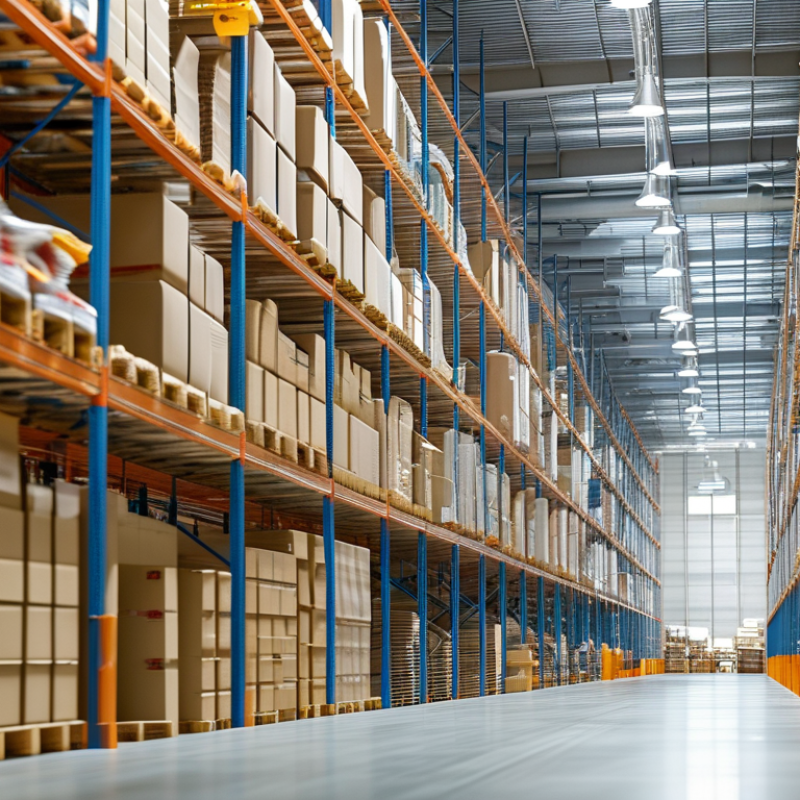
Cantilever storage systems are designed for easy access and versatility. They consist of arms extending from vertical uprights. This unique structure allows for the storage of large and heavy items. Long loads, such as lumber or pipes, can be stored without obstacles. The open design is ideal for maximizing space in warehouses or outdoor yards.
Using cantilever storage can enhance organization and efficiency. It enables users to store items vertically, freeing up floor space. This can lead to improved workflow, particularly in busy environments. When items are easily accessible, retrieval times can decrease, saving precious time. However, not all storage needs are met by this system. Some users may find it lacks the capacity for smaller items.
Investing in cantilever storage requires careful consideration. Ensure that it meets your specific needs and requirements. A thorough assessment of inventory types and storage patterns is vital. While it can be a game-changer for many, it may not be the best choice for every situation. Balancing cost, available space, and functionality is essential before making a decision.
Cantilever storage racking systems are designed for efficiency and flexibility. These systems excel in storing long and heavy items. They consist of vertical columns, horizontal arms, and base units. The arms extend from the columns, allowing for open access to the stored materials. This unique design reduces wasted space and increases organization.
Key components of cantilever storage include the vertical columns. They provide essential support and stability. The arms can be adjusted to accommodate items of varying lengths and sizes. Some systems have single-sided arms, while others feature double-sided designs. Different arm lengths help to optimize space usage.
Using cantilever racks can improve workflow in warehouses or workshops. However, without proper planning, they may lead to inefficient layouts. Regular inspection and maintenance are crucial for safety and longevity. It's important to evaluate your specific storage needs before implementation.
Cantilever storage is a versatile shelving solution ideal for warehouses with heavy or awkwardly shaped items. Its open design allows for easy loading and unloading. This system efficiently uses vertical space, providing significant advantages for inventory management.
One key benefit is accessibility. The cantilever racks allow for easy access to goods. Forklifts can maneuver without obstacles. This can lead to faster picking times, improving overall productivity. Improvements in picking efficiency can noticeably enhance operations.
Tips for optimizing your cantilever storage include proper orientation of items. Place longer materials horizontally. This ensures weight is evenly distributed. Regularly inspect your racks for wear and tear. Small cracks or bends could lead to safety issues.
Utilize the vertical height of your warehouse. Different sizes of arms can help accommodate a variety of products. This adaptability can maximize space usage. Regular assessment of your inventory can help adjust your storage strategy. Make room for new products by rotating older stock out.
Overall, cantilever storage remains an effective option for space optimization. It balances utility and organization skillfully. Implementing small changes consistently can yield significant efficiency gains.
Cantilever storage systems offer significant cost savings and efficiency improvements for various industries. This type of storage utilizes long arms extending from vertical supports. These arms allow for the easy storage of bulky items. Items such as lumber, piping, and steel can be stored securely and organized effectively. According to industry statistics, businesses can save up to 30% on storage costs by implementing cantilever systems.
Using cantilever racks improves access and reduces the need for specialized equipment. The open design of these racks facilitates the loading and unloading process. This can lead to a quicker turnover of goods. Efficient operations reduce labor costs and minimize travel time within the warehouse. Businesses report substantial increases in storage density and operational speed.
**Tip:** Assess your inventory to determine the most suitable rack size. Accurate measurements will enhance storage efficiency.
**Tip:** Regularly review your storage layout. An optimized layout can prevent clutter and enhance workflow.
Investing in cantilever storage is not just about space; it’s about efficiency. However, organizations must evaluate their specific needs. Not every warehouse may benefit equally from this system. Consider a trial period to gauge improvements before a full rollout.
| Dimension | Value | Description |
|---|---|---|
| Storage Capacity | 2000 kg | Maximum weight each cantilever arm can hold. |
| Space Utilization | 30% more | Increased vertical and horizontal storage efficiency compared to conventional shelving. |
| Cost Savings | 15% reduction | Average cost savings on storage solutions over five years. |
| Efficiency | 20% faster | Speed of accessing stored materials compared to traditional storage systems. |
| Installation Time | 3 days | Average time to install a cantilever storage system. |
Implementing cantilever storage requires strategic planning. Assess the space you have available. This system is ideal for long or bulky items. It's important to measure your products accurately. Disorganization can lead to inefficiencies. Ensure that your storage layout allows for easy access to materials.
Utilizing cantilever storage can significantly enhance workflow. Organize items by size and weight. This method prevents accidents that might arise from overcrowding. Regular audits of inventory can help maintain balance and order. Be mindful of weight limits; exceeding them can cause structural damage.
Training staff on the best practices is essential. Ensure they understand how to load and unload safely. Overlooking safety measures can result in costly mistakes. Encourage feedback from your team. Continuous improvements can lead to a more efficient system. Be open to adapting your approach as needs change. The key is to create a space that fosters productivity and safety.
: Cantilever storage features arms from vertical uprights. It allows storage of large, heavy items without obstacles.
Long loads like lumber, pipes, or bulky materials fit well. Smaller items may not be effectively stored here.
It allows vertical storage, freeing up floor space. This can streamline workflow in busy environments.
Assess your specific needs and inventory types. Balance cost, space, and functionality to ensure it's fitting.
Measure your products accurately. Plan your layout for easy access to minimize disorganization and inefficiencies.
Train staff on safe loading and unloading. Regularly audit inventory to prevent overcrowding and accidents.
Yes, it enhances workflow by organizing items by size. This reduces retrieval times and increases efficiency.
Overlooking weight limits can cause structural damage. Don't ignore safety measures; they are crucial for productivity.
Regular audits are important. They help maintain order and adapt to changing needs over time.
Not always. It works for specific types of items but may not suit all storage requirements. Reflect on your needs.
Cantilever Storage is a specialized racking system designed to accommodate long, bulky items that are difficult to store using traditional shelving methods. This system features vertical columns with horizontal arms that can be adjusted to suit various item sizes, making it ideal for industries dealing with pipes, lumber, or furniture. The key components of cantilever storage include the base, upright columns, and arms, all of which work together to maximize vertical space while ensuring stability and accessibility.
The advantages of Cantilever Storage are numerous, particularly in optimizing warehouse space. It allows for greater flexibility and efficient use of floor space, leading to potential cost savings and improved operational efficiency. Industry statistics highlight these benefits, indicating that businesses utilizing Cantilever Storage can significantly reduce overhead costs while enhancing inventory management. Implementing best practices, such as proper arm adjustments and regular maintenance, ensures that businesses can fully leverage the capabilities of Cantilever Storage solutions.

Runda Racking