I can write the introduction, but no source articles were included. Without a verifiable source, I can’t responsibly attribute a quotation to a named Carton Flow Storage expert or present industry figures as sourced facts. Please provide the articles or the expert and report references you want cited.
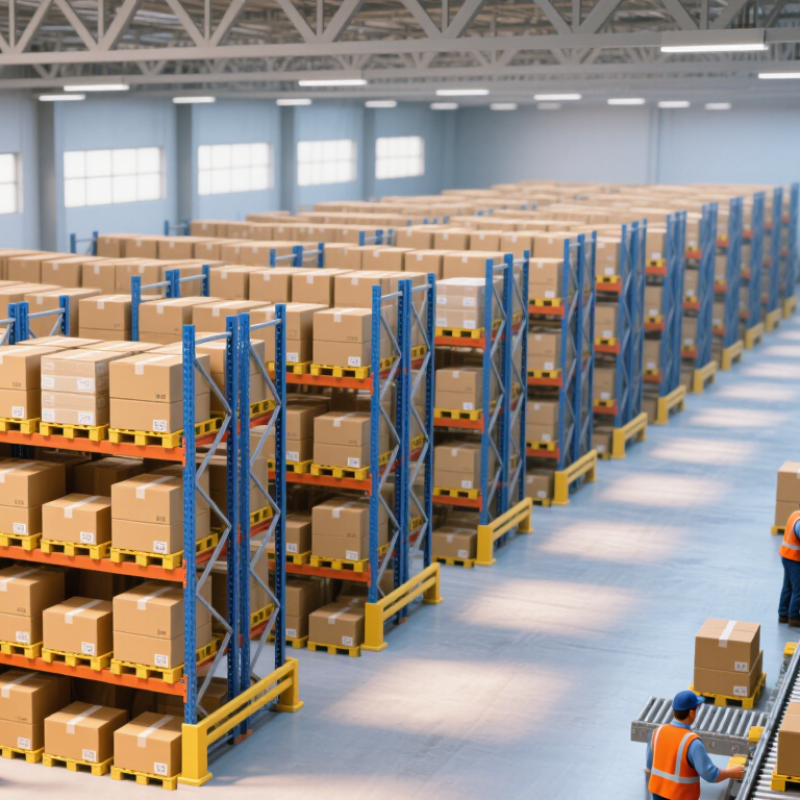
A carton flow storage system is a rack with slightly inclined tracks that move cartons from a loading side to a picking side. Rollers or wheels use gravity to advance each carton as the one in front is removed. Workers replenish stock from the rear and pick it from the front, which can help keep older cartons moving first. No powered conveyor is needed for this movement.
The system works best when carton size, weight, and bottom surface suit the track. A crushed edge or uneven base can make a carton stick, while a steep lane may let it bump too hard into the stop.
Small trials help. Measure the actual cartons, test a full lane, and check how easily staff can reach and replenish stock. Dividers keep product groups aligned, and front stops help prevent cartons from sliding out.
Regular checks can catch debris, damaged rollers, or loose components.
A detail teams sometimes underestimate is variation between carton batches; even familiar packaging may not glide consistently. That can make a carefully planned lane less reliable in daily use.
Carton flow systems use slightly inclined tracks to move cartons from a replenishment side toward a picking face. Gravity does the work. When a picker removes the front carton, the next one rolls forward, keeping frequently used items within reach. In a typical setup, staff load cartons from the rear and pick from the front, supporting first-in, first-out rotation. The movement is simple, but carton shape, weight, and surface friction all affect how smoothly it works.
Replenishment usually happens behind the rack while picking continues at the front. That separation can reduce aisle conflicts and make low-stock lanes easier to spot. Clear lane labels and practical minimum-stock levels help workers refill before a picking face runs empty. Small details matter: a crushed carton may catch on a rail, while an oversized package can block its neighbors. Not every carton flows well. Test representative loads before setting track angles, and check movement when lanes are both full and nearly empty. A system that looks efficient on a drawing can behave differently during a busy shift; that gap is worth checking.
Carton flow systems vary by track design and installation. Wheel-track lanes use small wheels and often suit lightweight cartons with smooth, firm bottoms. Roller-track lanes provide broader contact and can handle many heavier or wider cartons. Both usually use gravity: staff load cartons at the rear, and cartons move toward the picking face. This supports first-in, first-out rotation when lanes are replenished correctly.
Small details matter. Carton flow can also be installed in shelving or integrated into pallet rack frames. Shelf-mounted units can suit compact picking areas, while rack-mounted lanes use vertical space for larger operations. Some facilities choose powered flow equipment, but gravity tracks are simpler and need less mechanical support.
The right fit depends on carton dimensions, weight, base quality, pick volume, and replenishment access. A track that works well with one carton may jam with another. Test representative cartons under real loading conditions; estimates alone can miss friction, damaged edges, or uneven weight. One awkward carton can slow a lane.
The best carton flow storage system in 2026 depends on the work it must support, not just its advertised capacity. Start with the cartons: measure their width, depth, weight, and how consistently they arrive. Small differences matter. A carton that catches on a rail can slow every pick behind it. Review daily order volume, peak periods, and the number of active SKUs. Fast-moving items may need more accessible lanes, while slow stock can use less prime space. There is no universal winner.
Next, consider replenishment, picking comfort, and available floor space. Gravity lanes can bring cartons forward automatically, but lane angle and roller choice should match carton weight and surface. Ask operators to test representative cartons, including partly filled ones. More lanes can look efficient. That is not always true. If replenishment blocks pickers or cartons arrive faster than they can be refilled, the layout may create new delays. Check how the system fits with nearby conveyors, shelving, and inventory software. Also plan for cleaning, damaged rollers, and safe access during maintenance. A small pilot can reveal awkward reaches or inconsistent carton movement before a full installation. Forecasts are imperfect, too, so leave room to adjust lane assignments as demand changes.
| Storage System | Inventory Rotation | Picking Method | Storage Density | Carton Compatibility | Best-Fit Use Case | Key Selection Factor |
|---|---|---|---|---|---|---|
| Carton flow rack | FIFO: cartons are loaded at the rear and move by gravity toward the picking face. | Pick from the front; replenish from the rear. | High for fast-moving cartons because several cartons can queue in each lane. | Works best with cartons that have reasonably consistent dimensions, a stable base, and a surface that travels reliably on the selected rollers or wheels. | Piece-picking operations with frequent access to many active SKUs, such as order fulfillment and assembly picking. | Test carton dimensions, weight, bottom construction, and lane flow before finalizing the design. |
| Static shelving | Usually managed manually; FIFO is not inherent to the shelf layout. | Pick and replenish from the same aisle. | Low to moderate; access space is needed for each shelf face. | Flexible for varied carton sizes, including cartons that may not travel well on flow tracks. | Low- or moderate-volume SKUs, irregular cartons, and locations where simple access matters more than replenishment separation. | Compare SKU count, access frequency, and available floor space against the benefits of live storage. |
| Pallet flow rack | FIFO: pallets move from the loading end toward the unloading end. | Typically loaded and retrieved from opposite sides. | High for pallet storage, with deep lanes and fewer access aisles than many selective layouts. | Designed for palletized unit loads, not individual cartons; pallet condition and load stability are important. | High-throughput pallet reserve or dispatch storage where FIFO rotation is required. | Confirm pallet quality, load weight, lane depth, and operating equipment compatibility. |
| Push-back pallet rack | Generally LIFO: the last pallet loaded is the first pallet available for retrieval. | Load and retrieve from the same aisle. | High for pallet storage because multiple pallets can be stored deep in a lane. | Designed for pallet loads; it does not provide carton-level flow picking. | Dense pallet storage for products that do not require strict FIFO rotation. | Use only when LIFO is acceptable and product dates or lot controls do not require FIFO access. |
| Carton flow with pick-to-light or digital guidance | FIFO lane presentation; digital guidance can direct the picker but does not replace inventory controls. | Front picking with visual or electronic location guidance. | High in the flow area; overall performance also depends on replenishment and system integration. | Requires cartons suitable for the flow lanes; electronic equipment adds configuration and maintenance needs. | High-volume, multi-SKU picking where reducing search time and guiding order selection are priorities. | Evaluate order-line volume, accuracy goals, software integration, training, and ongoing support requirements. |
Practical takeaway: Carton flow is often a strong choice for fast-moving, carton-level picking when cartons travel reliably and replenishment can occur from the rear. The best system depends on SKU velocity, carton dimensions and condition, inventory-rotation rules, available space, picking volume, and handling equipment.
The best carton flow storage system in 2026 is the one that fits your picking work, not the one with the most features. Start with order patterns: fast-moving cartons may need dedicated lanes near the pick face, while slower items can share space. Check carton dimensions, weight, and base strength. A crushed or uneven carton may not travel smoothly on rollers.
Measure the actual cartons, not just the product inside. Lane width, rail spacing, and track angle affect movement and access. Replenishment staff also need room to load cartons without blocking pickers. Small details matter. A lane that looks efficient on a layout can become awkward when workers reach around replenishment carts or handle bulky cases.
Match the system to your operation’s pick rate, SKU count, and available footprint. Test representative cartons in a short trial, including partly filled cases and different package materials. Observe whether cartons advance consistently and whether pickers can read labels easily. A spreadsheet can miss these moments. One caveat: faster carton flow does not automatically mean faster fulfillment; replenishment delays can simply move the bottleneck. Review performance after installation and adjust lane assignments as demand changes.
Wheel tracks use small wheels and often suit light cartons with smooth, firm bottoms. Roller tracks offer broader contact and can handle many heavier or wider cartons. Test both with actual cartons.
Yes. Shelf-mounted units can suit compact picking areas, while rack-mounted lanes use vertical space. The frame and lane dimensions need to match the cartons.
Staff load cartons at the rear, and gravity moves them toward the picking face. Correct replenishment supports first-in, first-out rotation. It depends on consistent loading.
Check carton width, depth, weight, and base quality. Review daily order volume, peak periods, active SKUs, and replenishment access. No universal winner.
A carton may catch on a rail or move unevenly. Damaged edges, friction, and uneven weight can cause problems that estimates miss. Test representative cartons.
Yes. A partly filled carton may behave differently from a full one. Try it on the proposed track and lane angle. Small details matter.
Not always. Replenishment may block pickers, or cartons may arrive faster than staff can refill lanes. Leave room for comfortable access.
Check carton movement, awkward reaches, and fit with nearby conveyors, shelving, and inventory software. Plan for cleaning and damaged rollers. Forecasts can be wrong.
Choosing the best Carton Flow Storage system in 2026 starts with understanding how it supports picking and replenishment. These systems use inclined roller or wheel lanes to move cartons from the replenishment side toward the picking face. As a carton is removed, the next one advances, helping keep products accessible and supporting orderly stock rotation. Common options include gravity-fed lanes, powered configurations, and setups designed for particular carton sizes or picking needs.
The right choice depends on more than equipment type. Consider carton dimensions and weight, product variety, order volume, available space, replenishment routines, and how the system will connect with existing workflows. A well-matched design can reduce unnecessary handling, improve access to frequently picked items, and make inventory movement easier to manage. Assessing current needs alongside expected growth helps ensure the system suits the operation both now and over time.

Runda Racking